
Art & Science Fair at LABoral Showcases Youth Innovation
Art & Science Fair at LABoral Showcases Youth Innovation
In November, LABoral Centro de Arte hosted a new edition of its Art and Science Fair, bringing together secondary‑school students for a day of hands‑on experimentation at the intersection of creativity and research. The event, developed in collaboration with the collective GRIGRI and framed within the European project Studiotopia II, transformed the Gijón art center into a laboratory of ideas where young participants explored themes ranging from interspecies cooperation to the social impact of artificial intelligence.
Throughout the fair, students had the opportunity to apply to six different workshops led by artists, educators, and scientists, each designed to spark curiosity and encourage critical thinking. The activities invited participants to test materials, prototype concepts, and reflect on how artistic practice can help address contemporary environmental and technological challenges.
The gathering concluded with a collective assembly in which students shared their findings and discussed the role of creativity in shaping future solutions.
You can take a deeper look into the fair trough bellow video that captures the energy of the day, offering a closer look at the projects, conversations, and collaborative spirit that defined this year’s edition.
Video: Nadia Penella

Delcy Morelos @Bozar
Delcy Morelos @Bozar
Delcy Morelos (1967, Colombia) is a leading contemporary artist whose practice has become rooted in Europe in recent years, with exhibitions in for example Germany (Hamburger Bahnhof, 2025), Spain (CAAC, 2024), Belgium (Museum Dhondt-Dhaenens, 2024) and her participation in the Venice Biennale, prompting extended periods of work on the continent for various projects. Since 2023, she has also been represented by the Marian Goodman Gallery in Paris with whom she collaborates closely through regular exhibitions in Europe. This highlights how Morelos develops her practice in constant movement, travelling from project to project across the EU. For her project at Bozar, she collaborates with the Belgian scientist Jasper van der Linden, engaging in a cross-disciplinary exchange on the use of sustainable materials within a European research context.
For Bozar Monumental 2026 within Studiotopia project, Delcy Morelos will build an installation, which is a dialogue between art, architecture, and the living matter of earth itself.
In summer 2026, Bozar’s Horta Hall will host a new large-scale installation by Delcy Morelos, developed with Bozar, BC Materials/Studies, studio ASPJ (Mexico), and STUDIOTOPIA. The project captures the spirit of Studiotopia: creating encounters between art and science that expand how we imagine and engage with our environment.
From soil to knowledge
Morelos’ research on earth and spirituality has evolved alongside the Faculty of Architecture at RWTH Aachen University, through the “Act of Building” course led by Jasper Van den Linden (BC Studies).
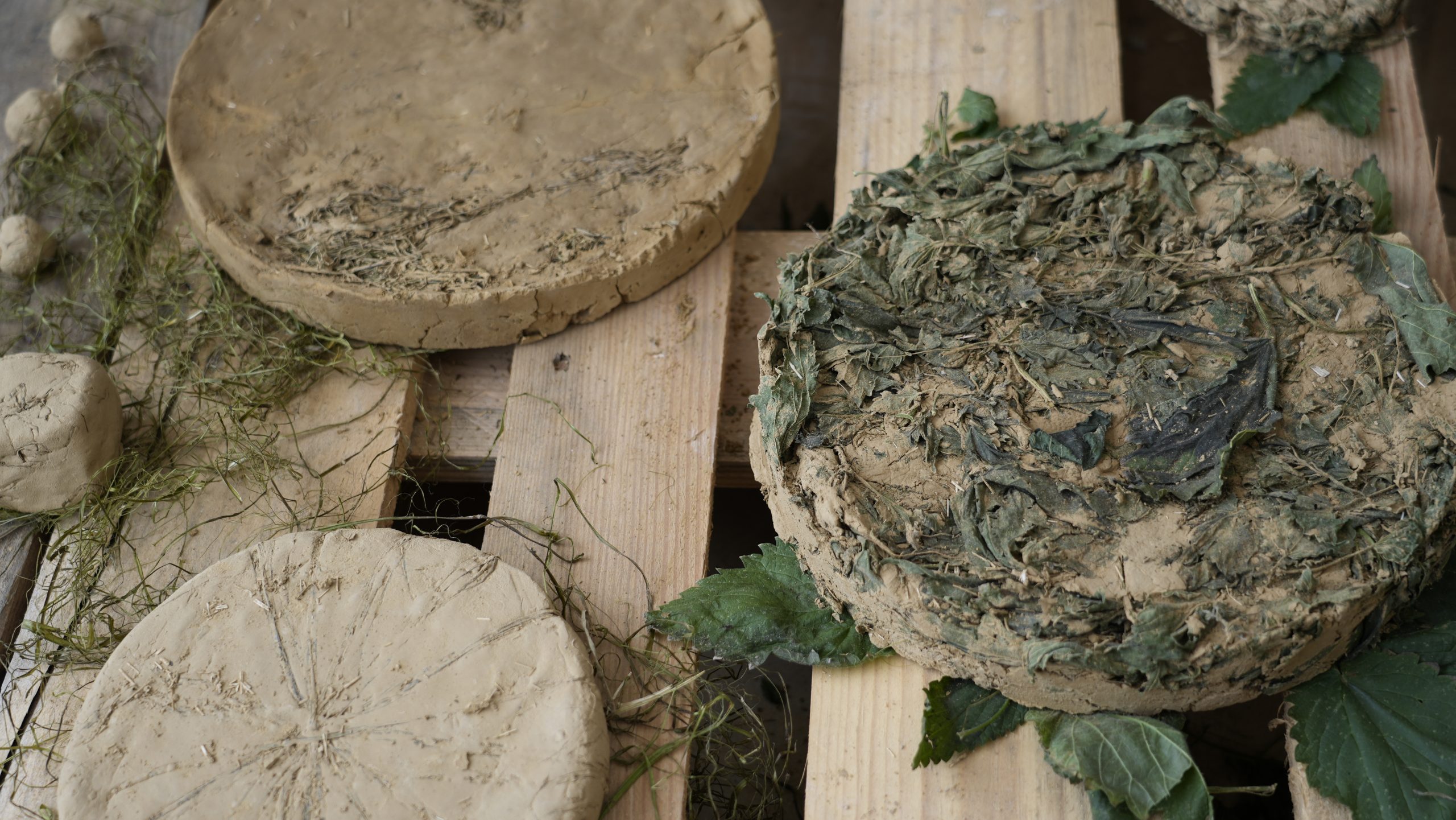
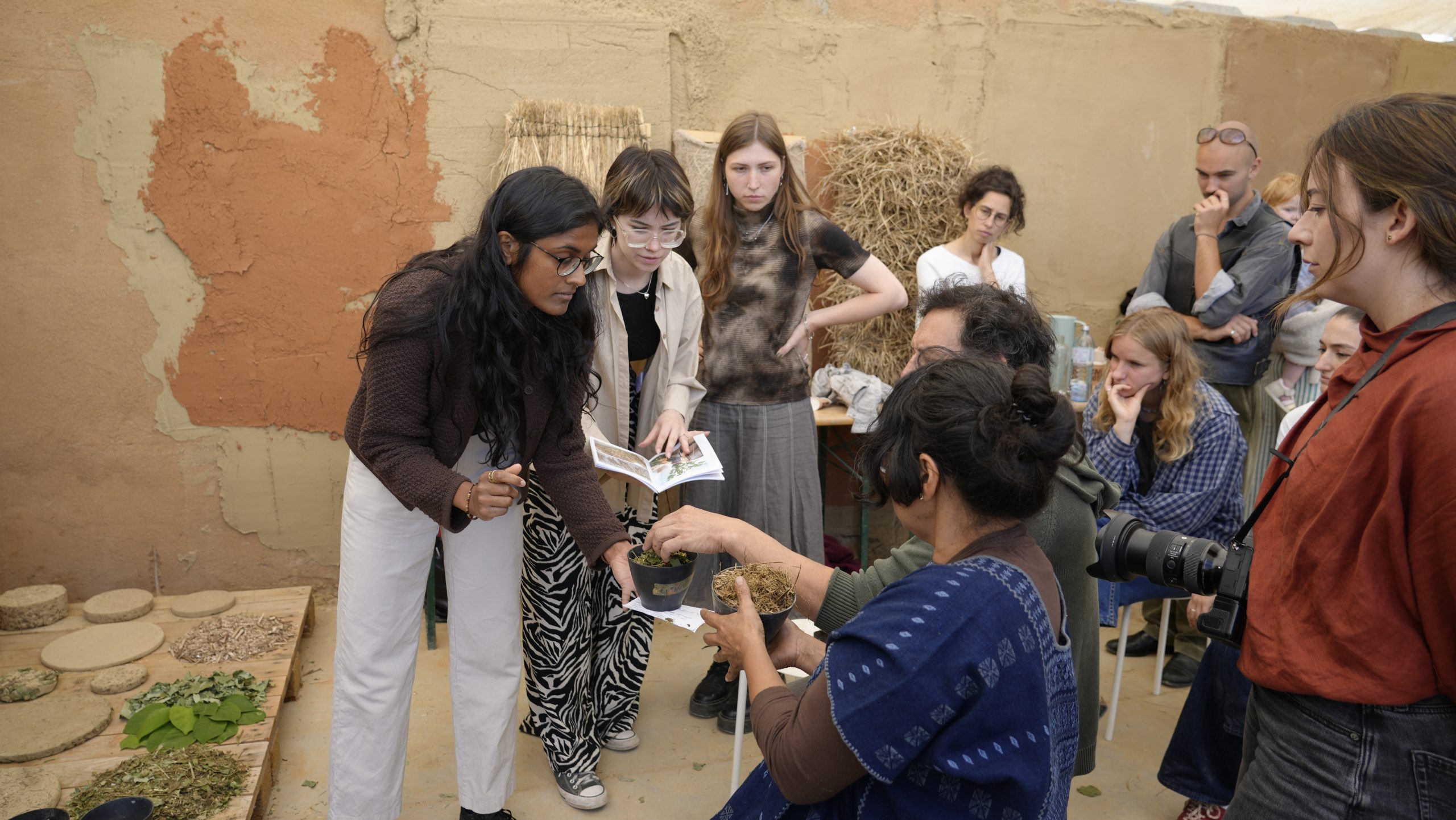
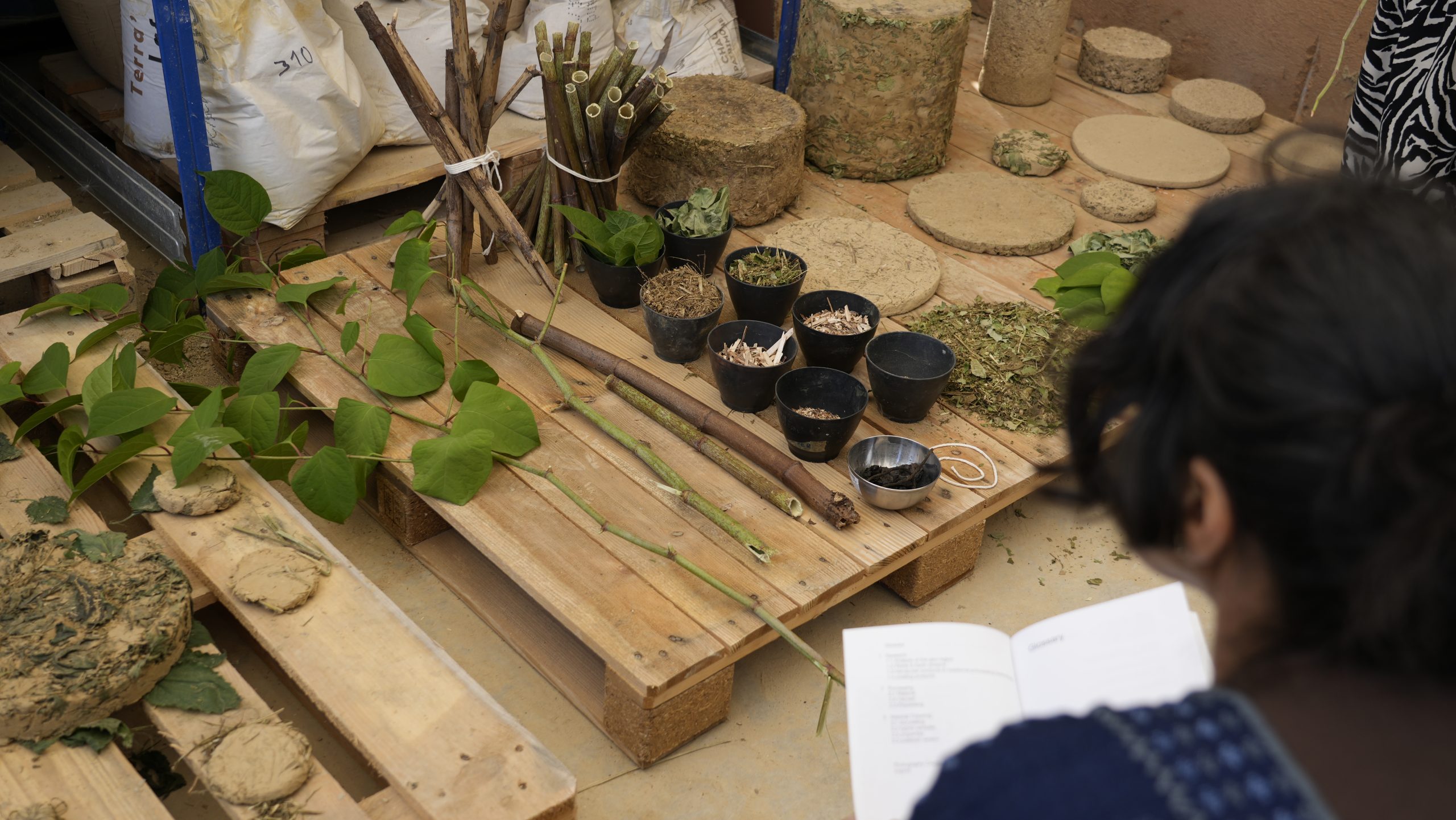
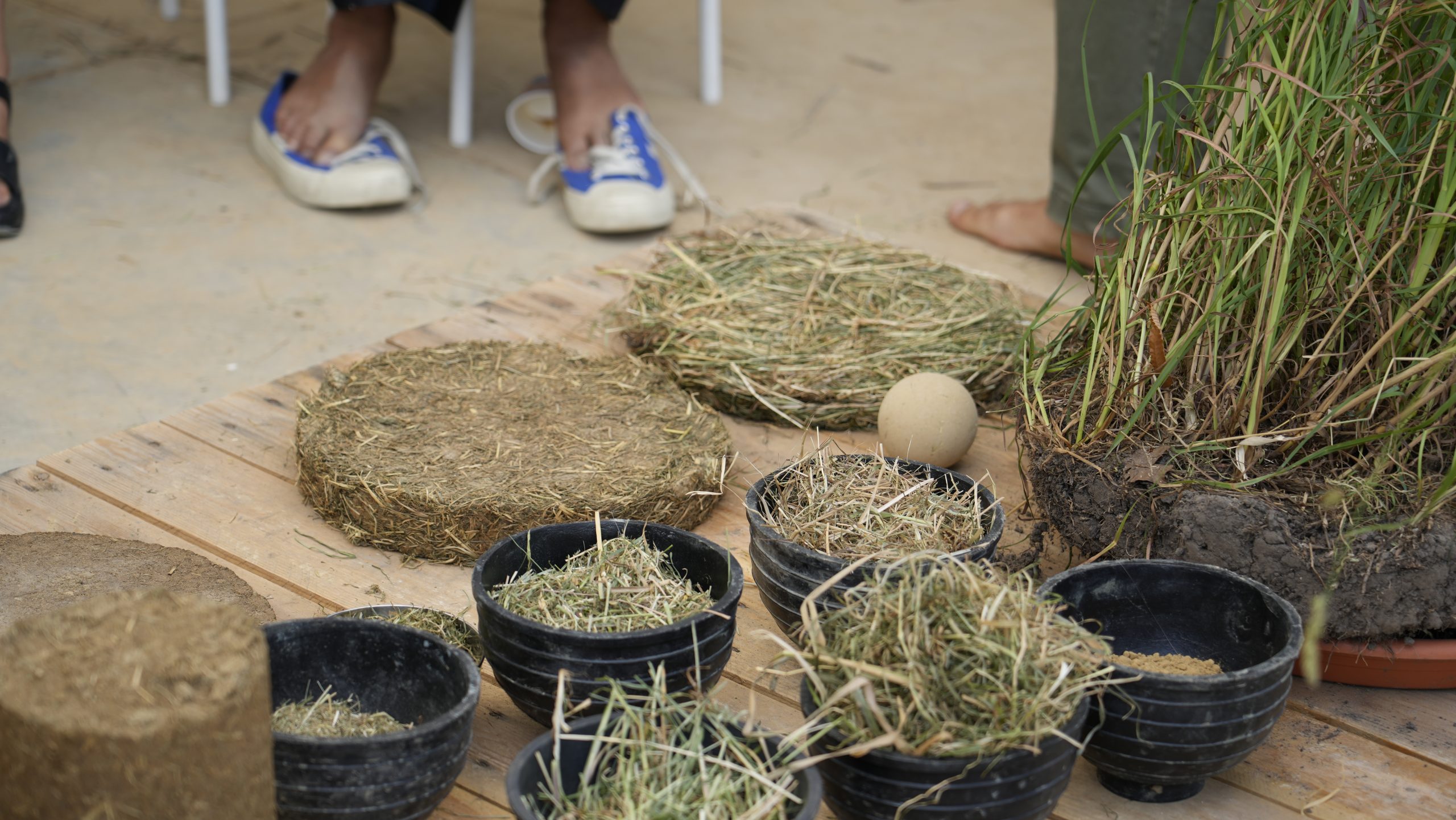
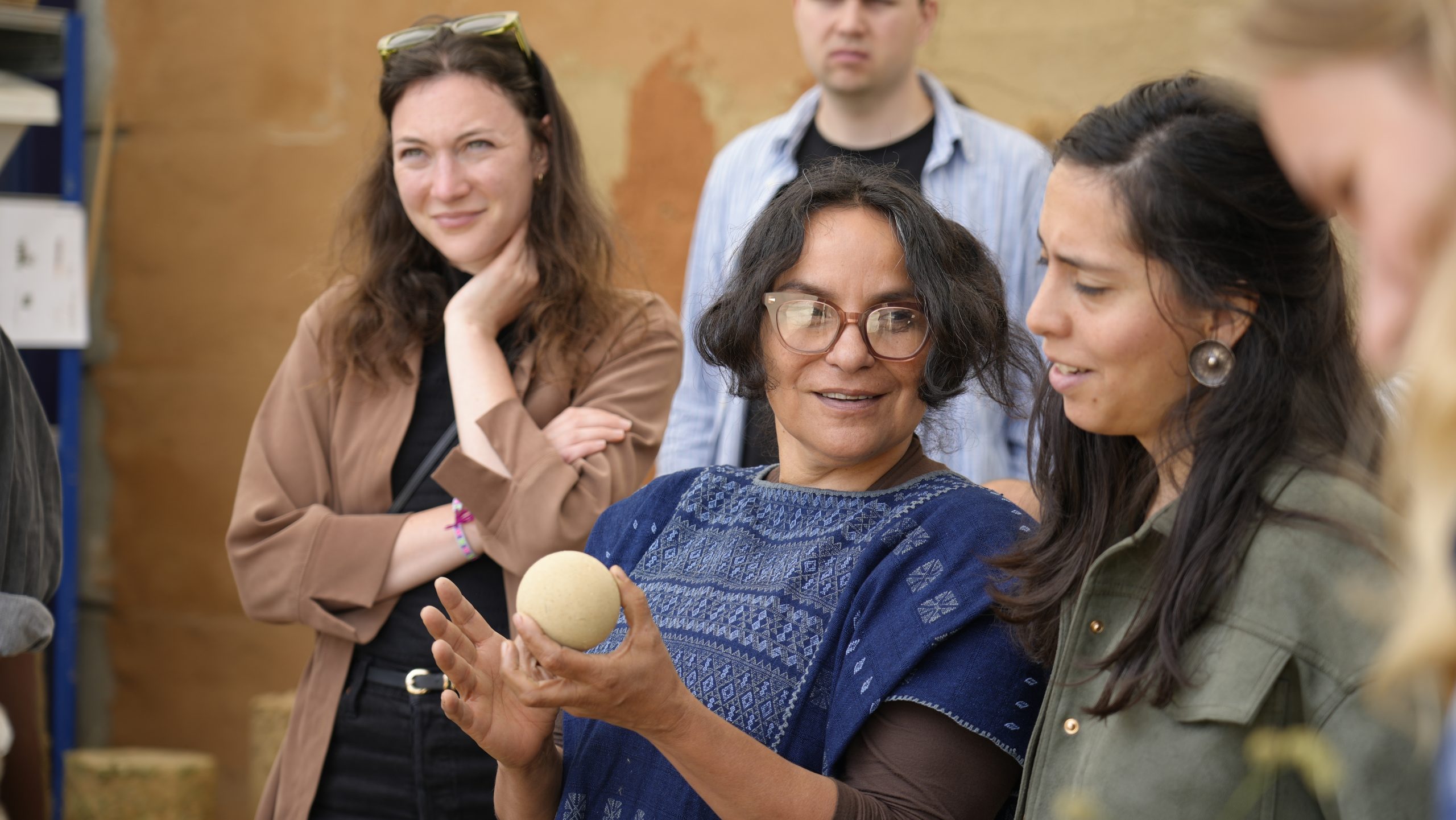
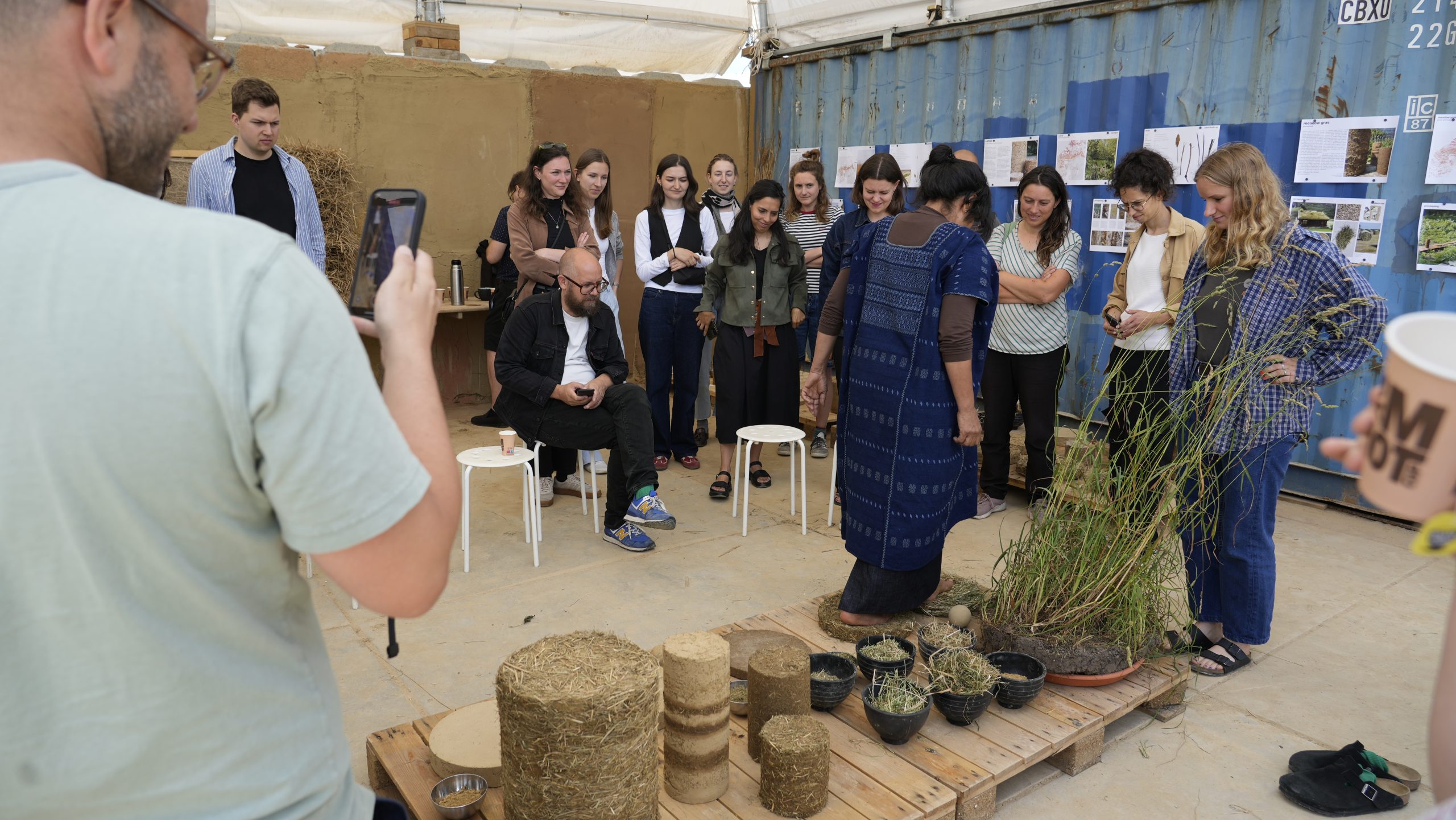
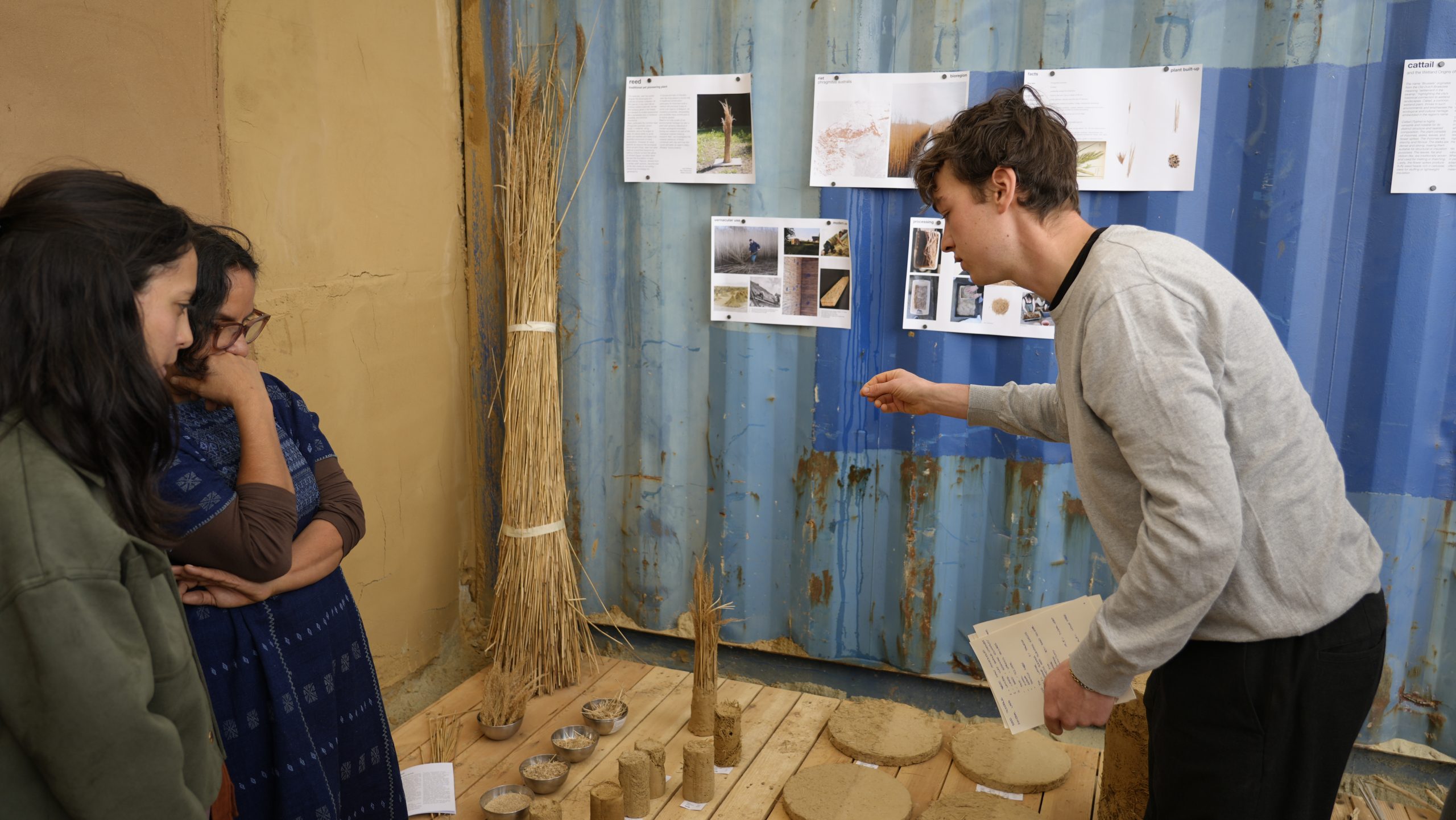
During the spring semester, 18 international architecture students explored bio-based and locally sourced materials, guided by BC’s expertise in sustainable building materials. Their experiments resulted in a Library of Materials — a tactile archive that will inform and inspire Morelos’ work.
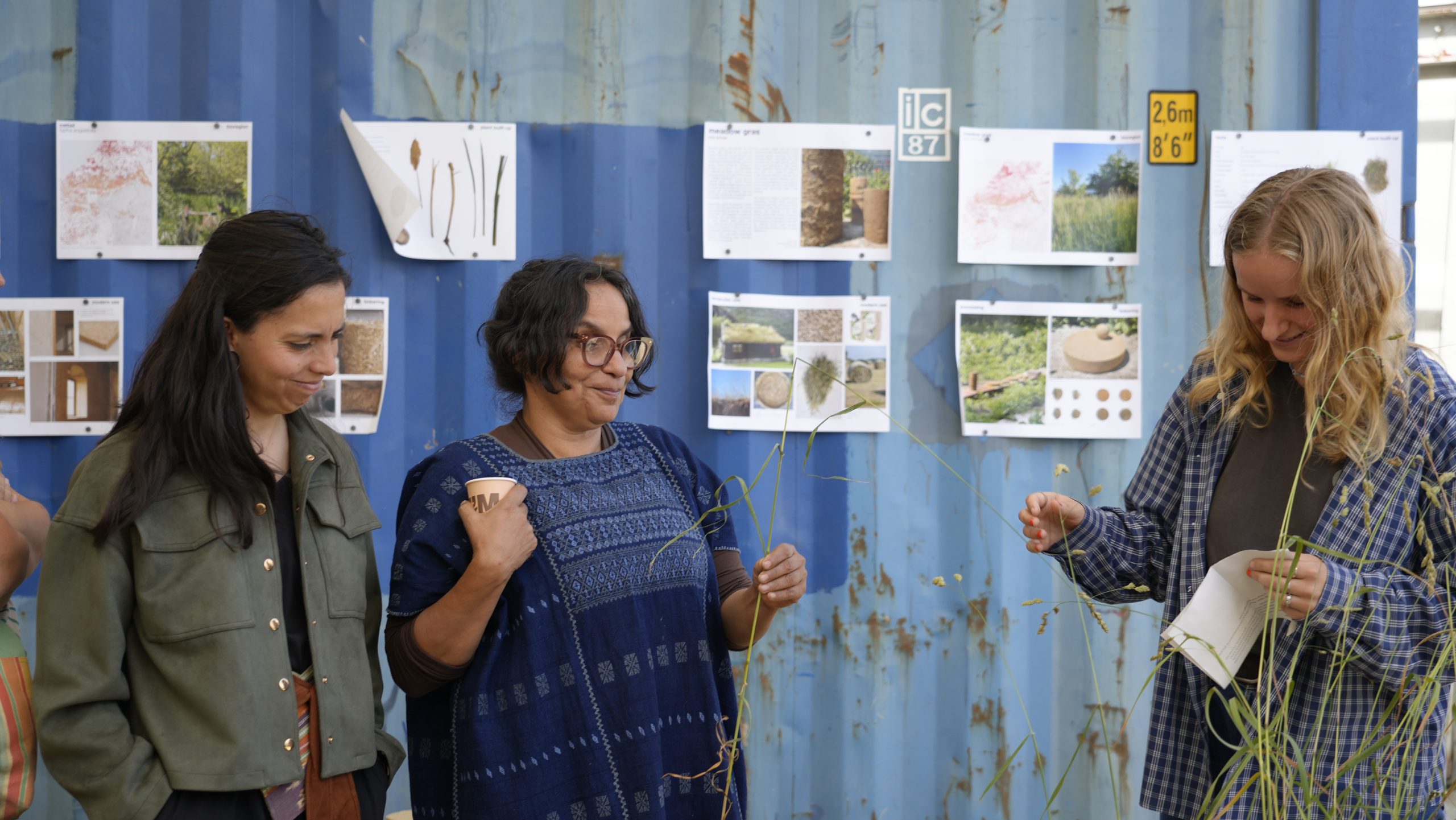
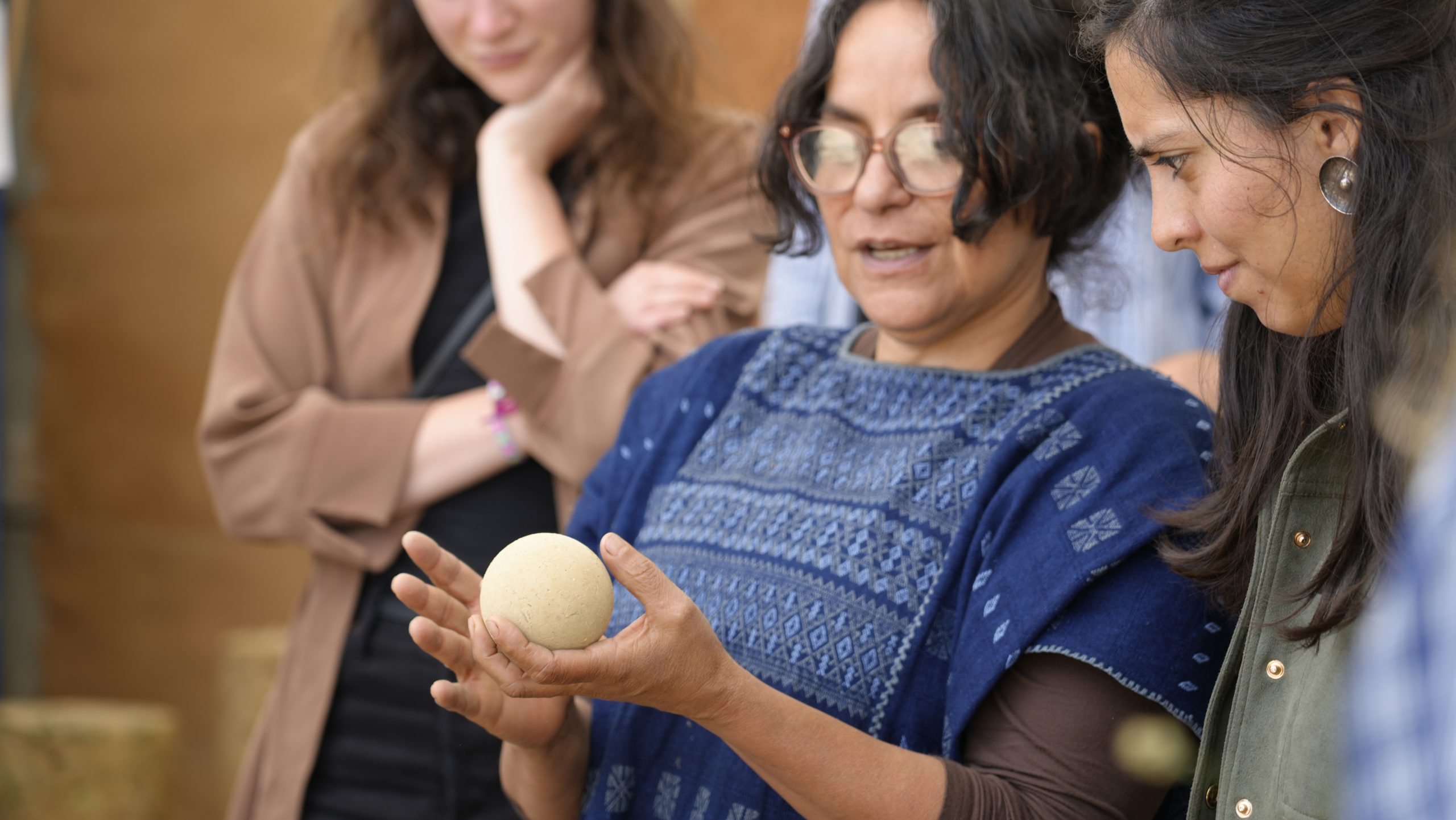
In June 2025, students presented their findings to Delcy Morelos, her collaborator Emiliano García (studio ASPJ), and the BC Studies team. Mixing loam from the Brussels areas with Japanese knotweed, cattail, flax, meadow grass, nettle, and reed, they revealed the qualities of these local fibres.
The expressive potential
For Jasper Van den Linden, the collaboration has offered a new way of seeing familiar materials. Working with an artist, he explains, encouraged the BC team to shift their focus — from only technical performance to more sensorial experiences as well.
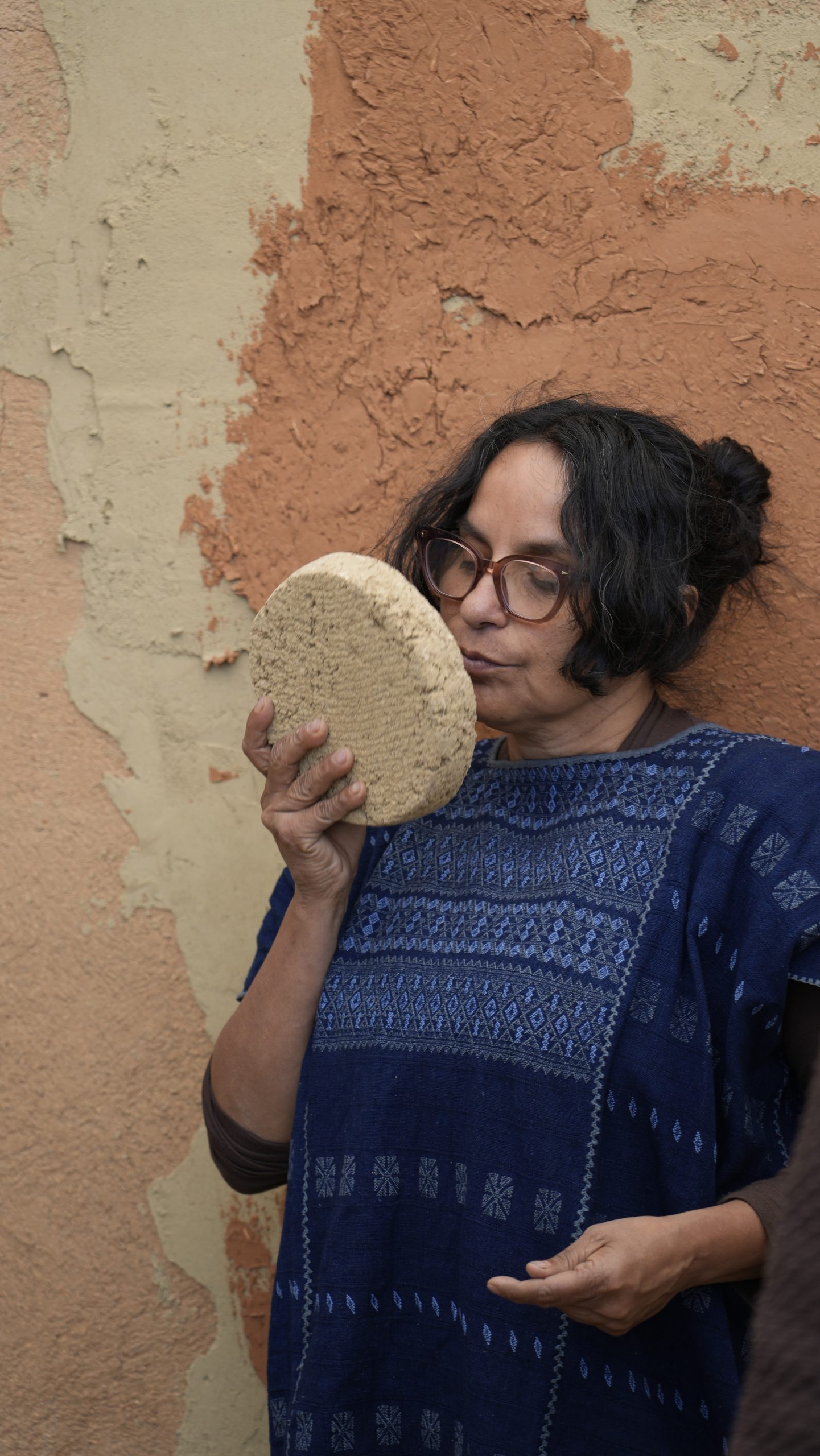
“Instead of asking only how materials function,” Jasper reflects, “we began to ask how they feel, smell, and evoke memory. Natural materials like earth and fibres are central to both our practices and exploring them together helped us rediscover their emotional and narrative dimensions.”
This sensitivity to material presence, he says, is vital for connecting with the public — transforming building matter into something that speaks to both the mind and the senses.
Towards Bozar Monumental 2026
The collaboration continues to grow. In the coming months, Bozar and UCLouvain’s Faculty of Architecture will expand the process through workshops and exchanges with students, further grounding the project in the region.
By spring 2026, the research phase will conclude, paving the way for the unveiling of Delcy Morelos’ monumental installation in June 2026 at Bozar’s Horta Hall.
Morelos’ Bozar Monumental will not only present a work of art but also the material traces of a collective journey — one that bridges disciplines, generations, and territories through the expressive power of earth.
Smells Like Kin opened at LABoral Centro de Arte
Smells Like Kin opened at LABoral Centro de Arte
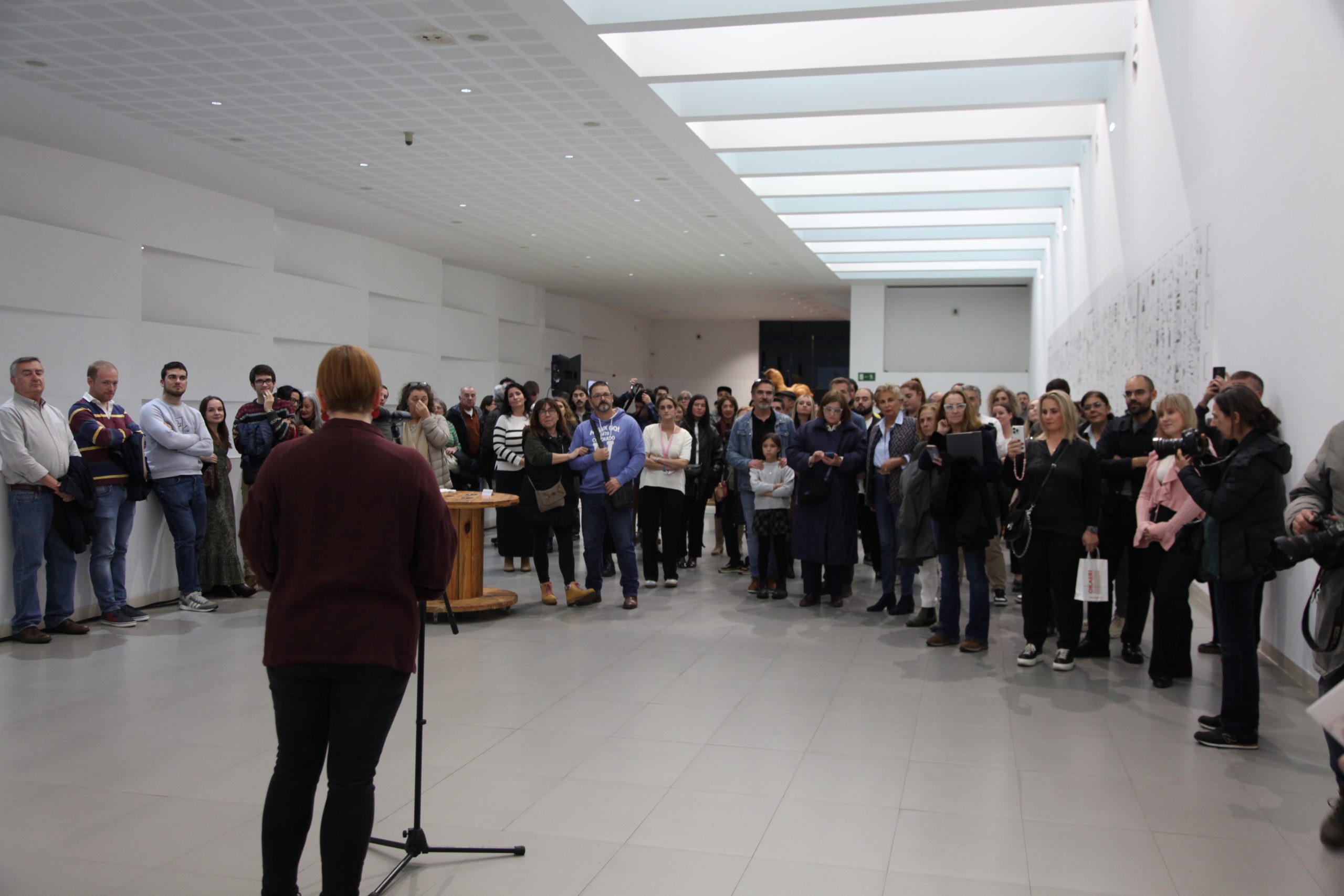
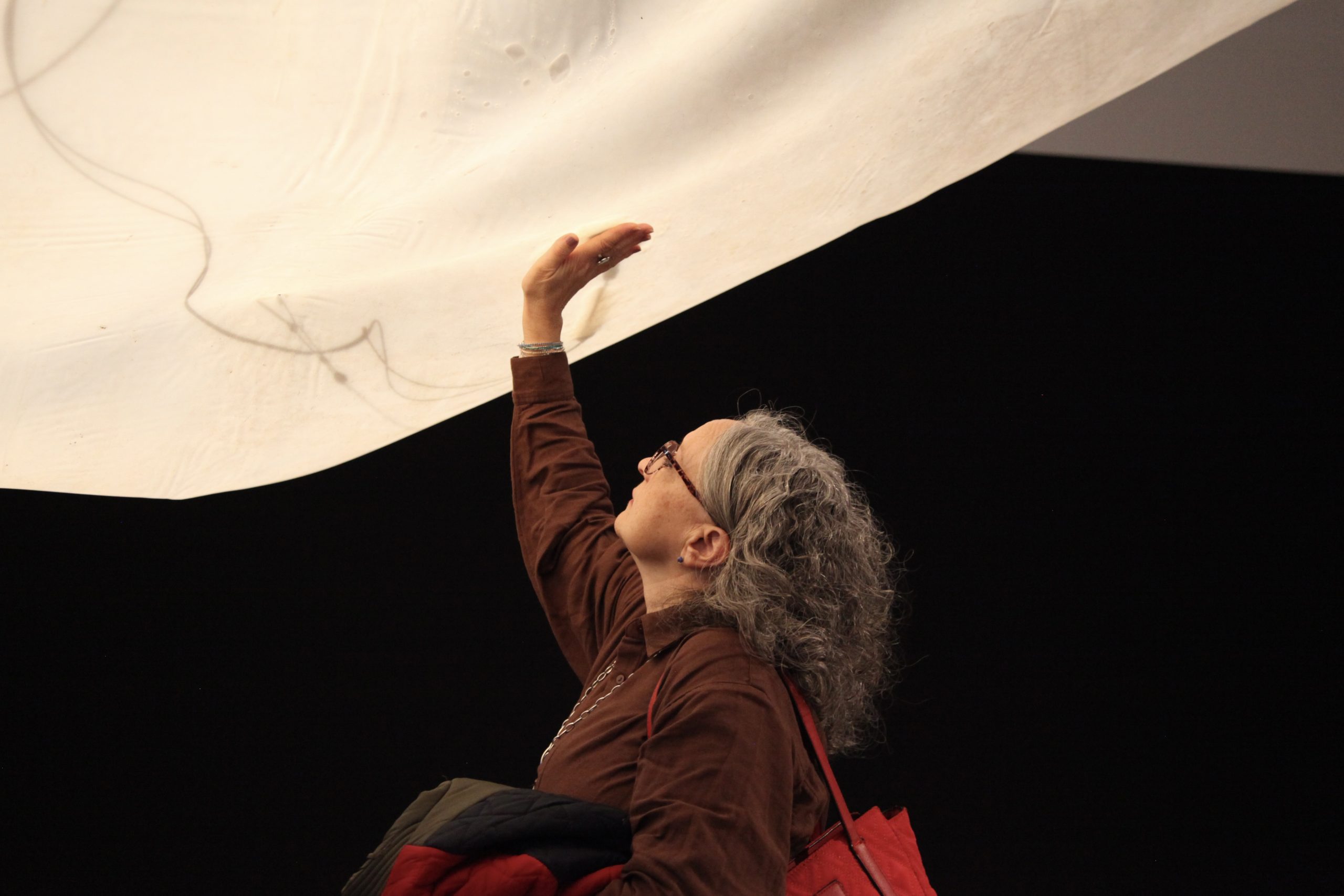
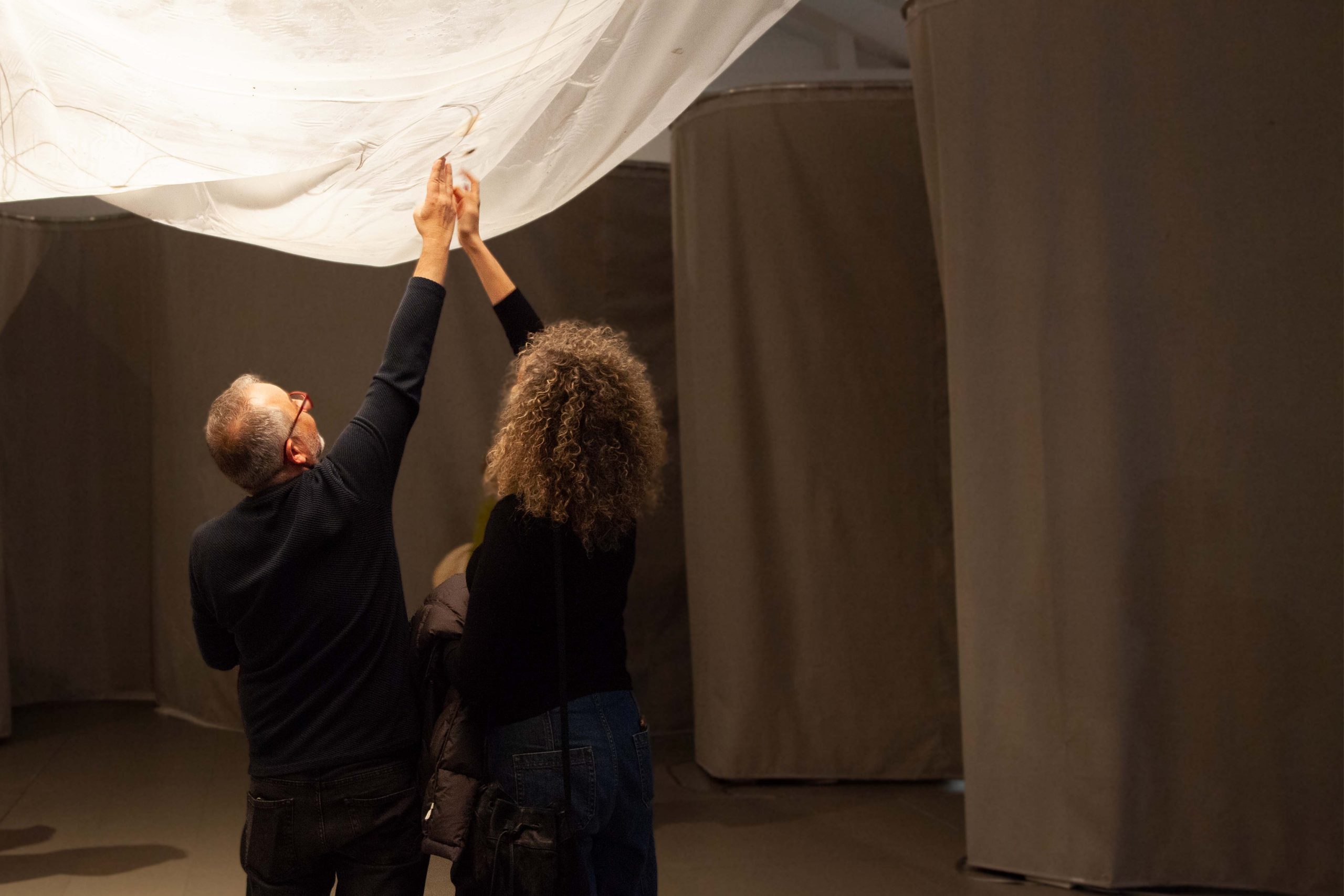
The exhibition Smells Like Kin opened at LABoral Centro de Arte on November 7, 2025, inviting visitors into a sensory exploration of fermentation.
Every day, we digest live microbial cultures—cheese, dough, yoghurt, cider—in the form of liquids and fermented foods.
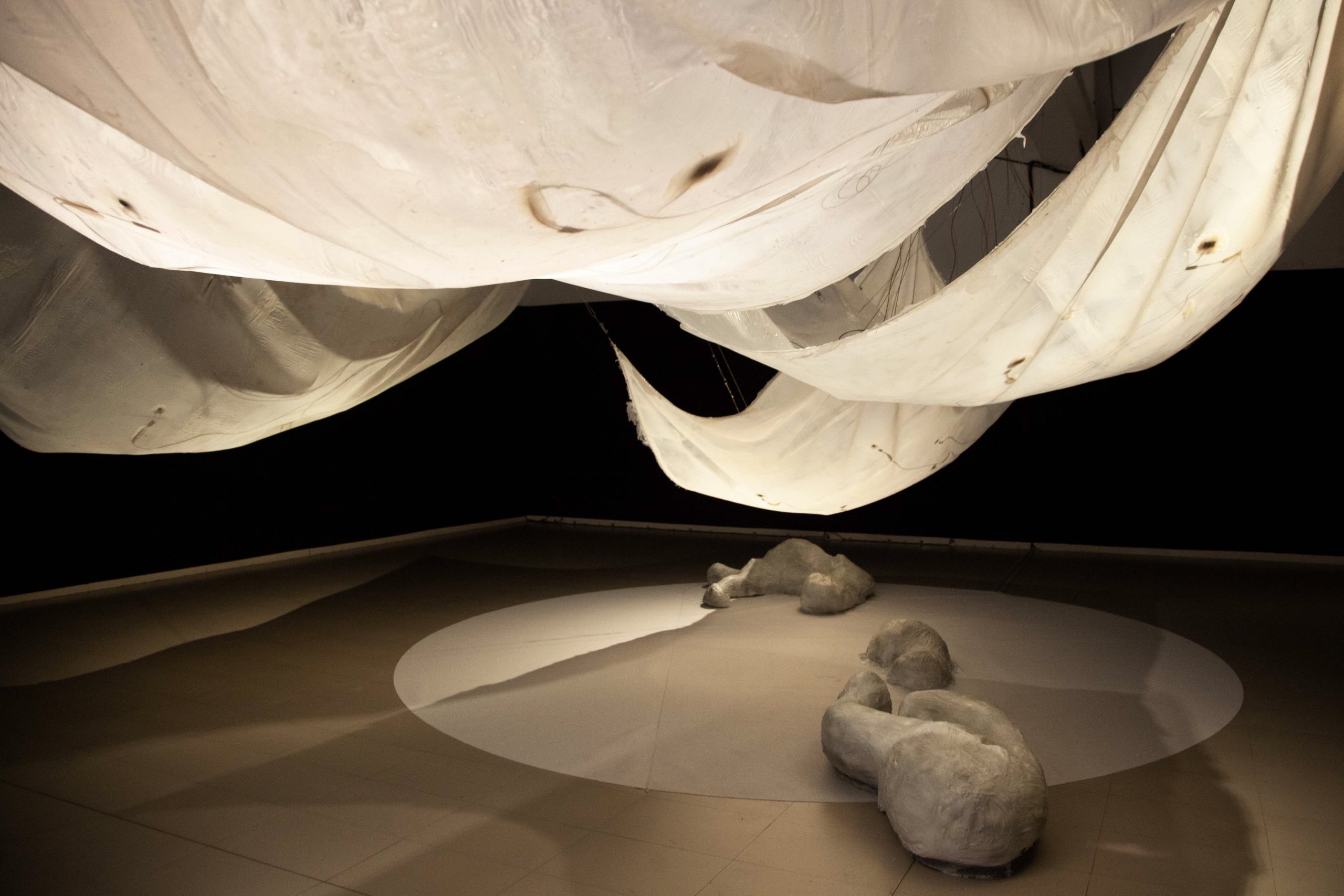
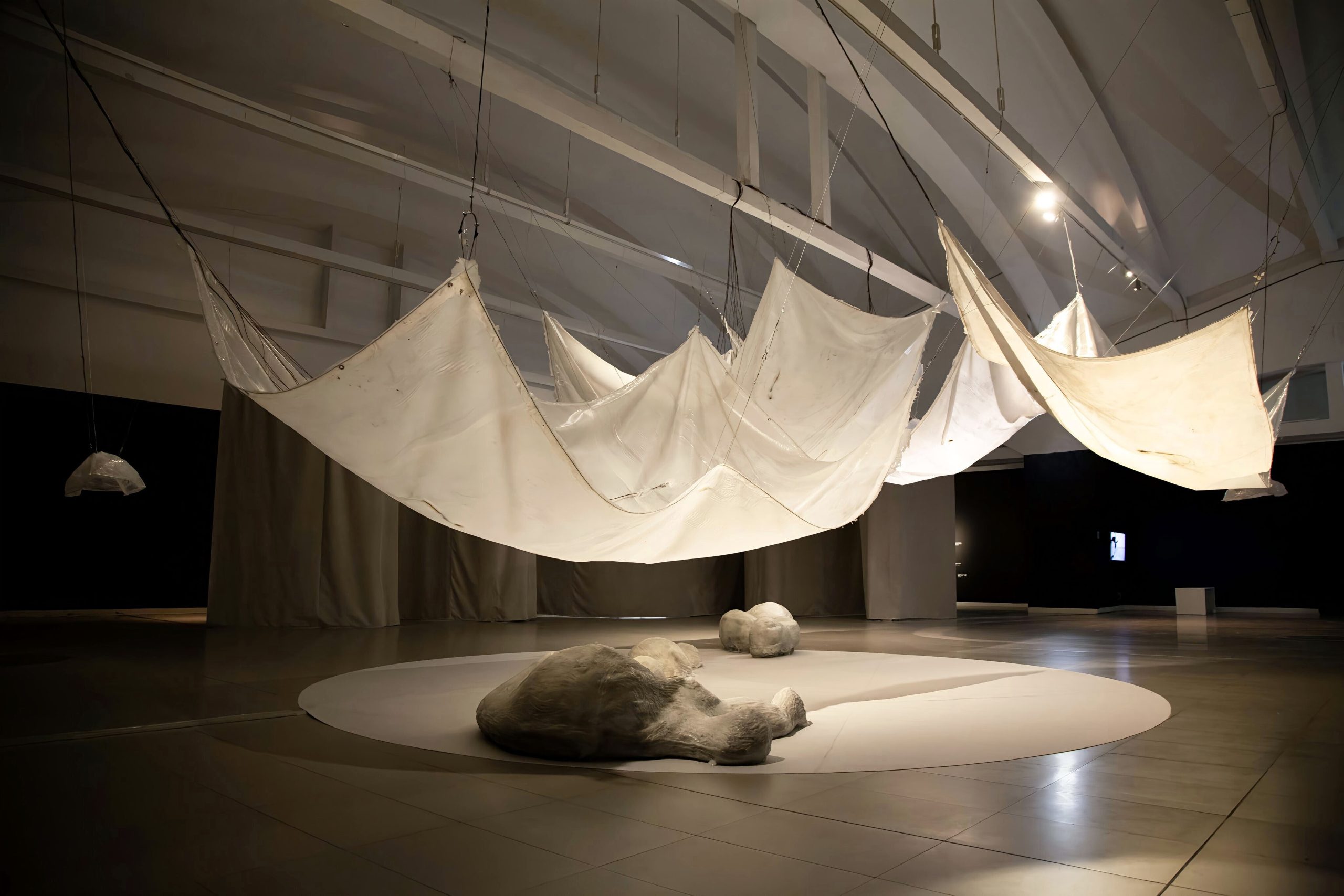
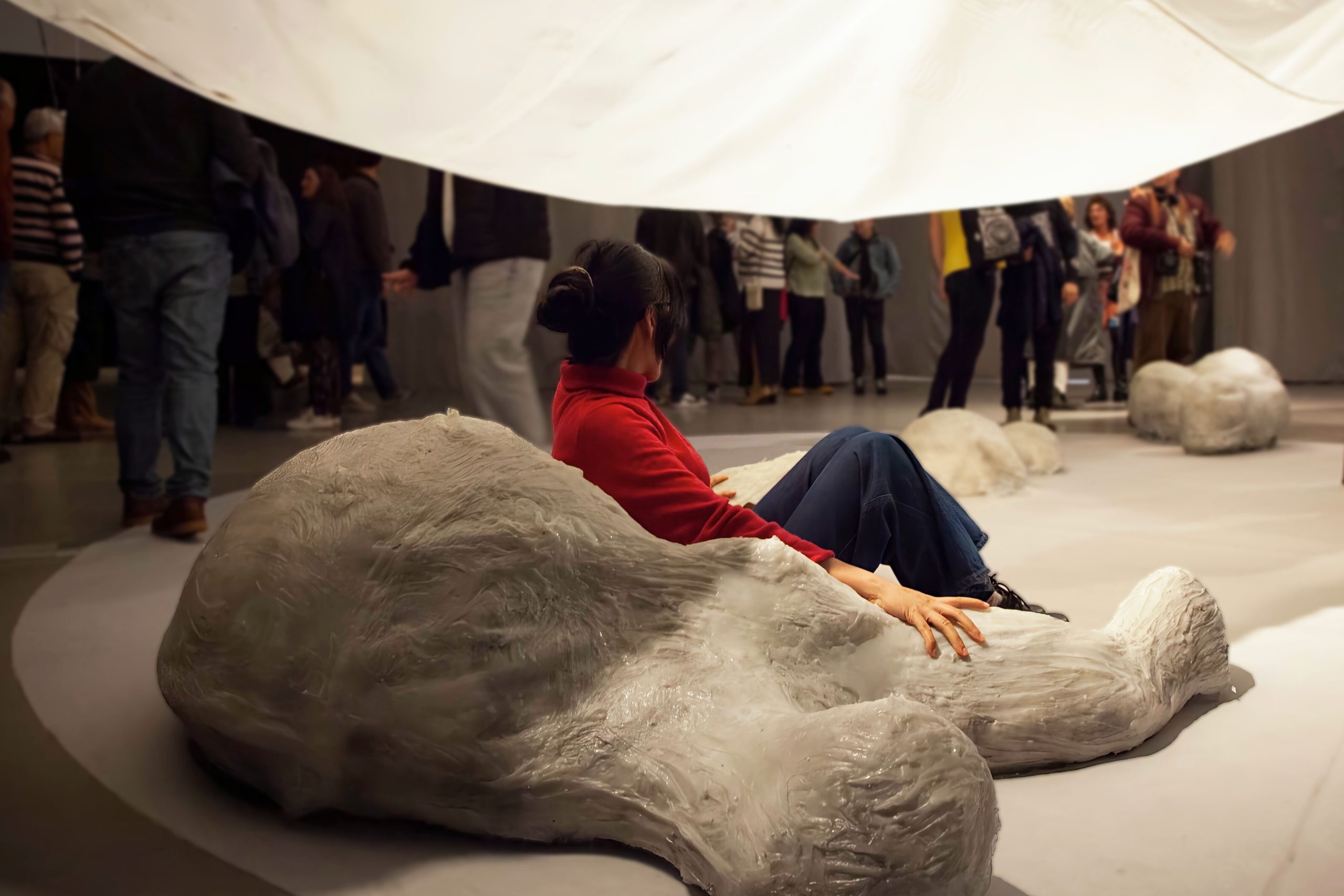
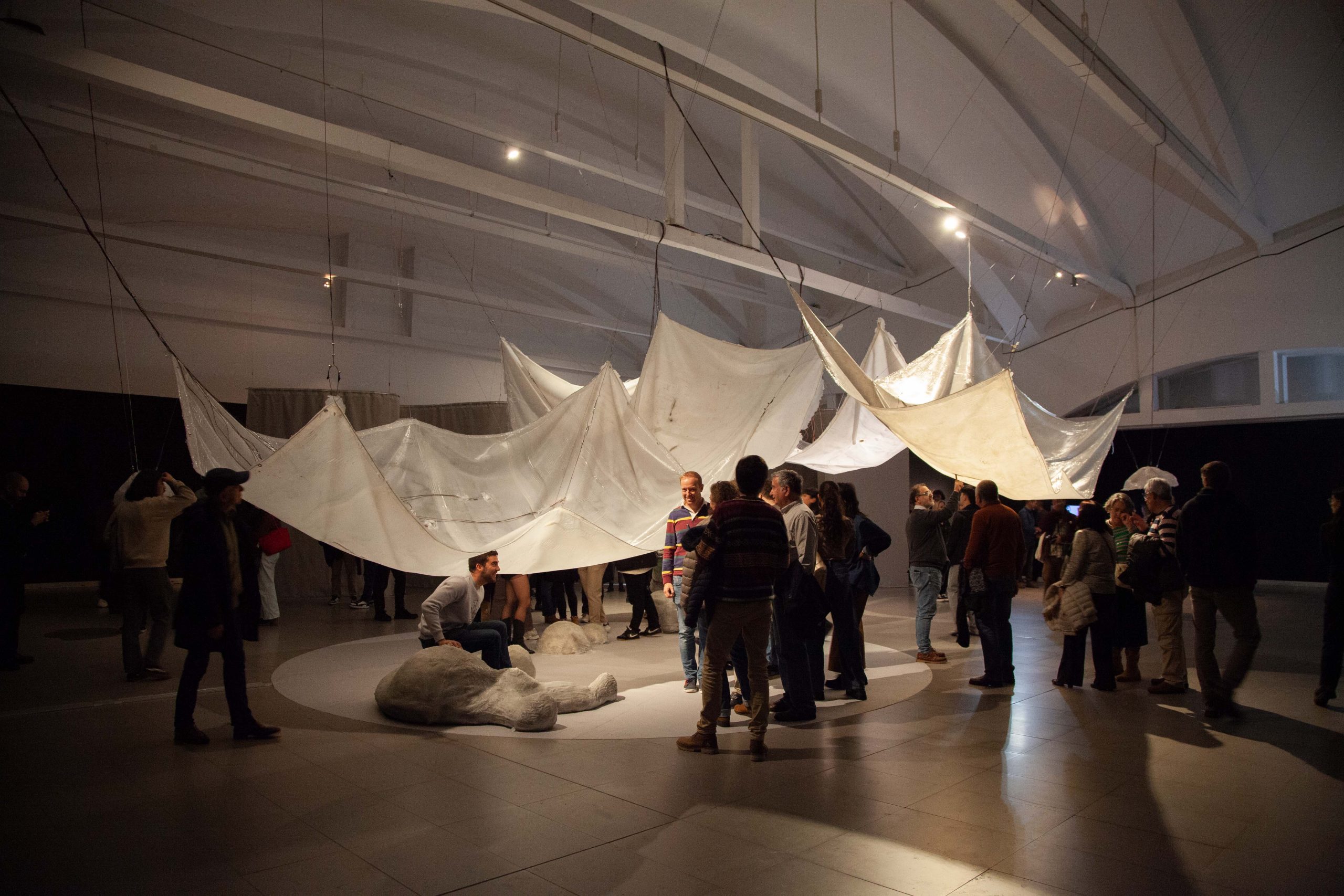
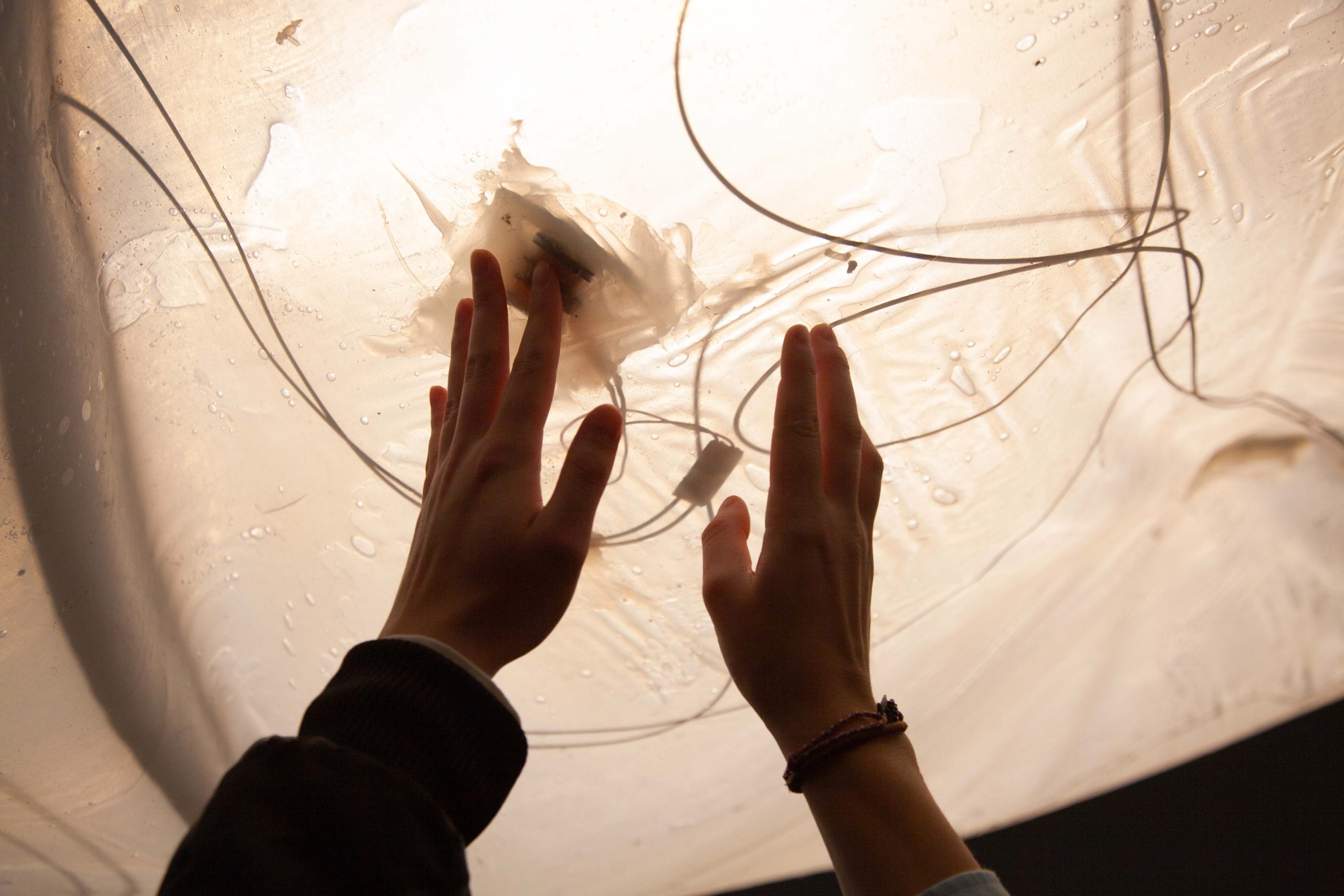
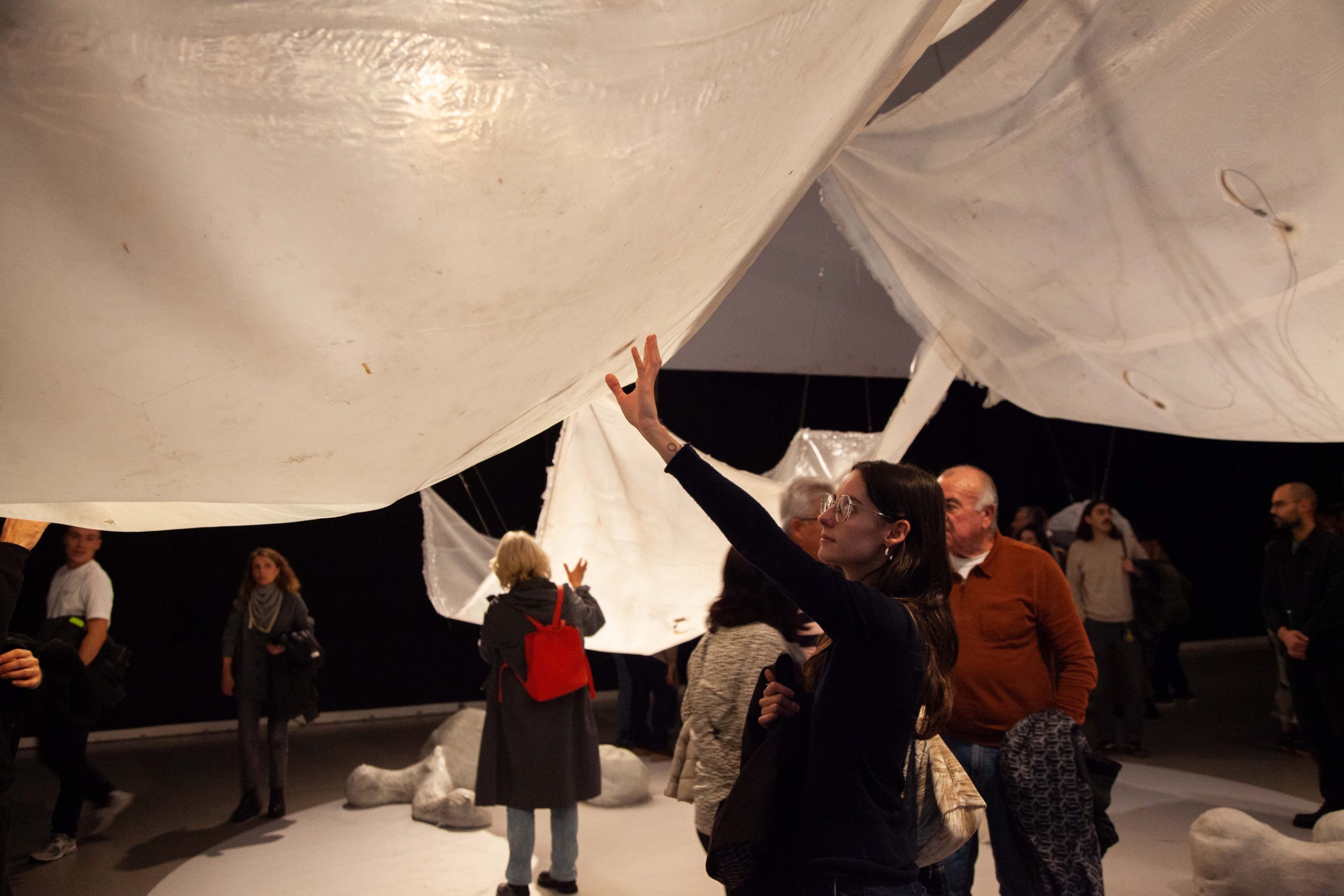
Smells Like Kin is the result of artistic research into these traditional and laboratory fermentation practices, both inside and outside Asturias. The exhibition presents a sensory experience around the culture of fermentation that invites visitors to smell, touch, or listen to the elements present in the gallery.
The floor sculptures show the soundscapes collected by the artists: the vibration of pressing apples for cider, the decomposition of matter recorded with hydrophones, and narratives of people who engage in fermentation in Asturias, whether as daily work, festive ritual, or scientific experiment.
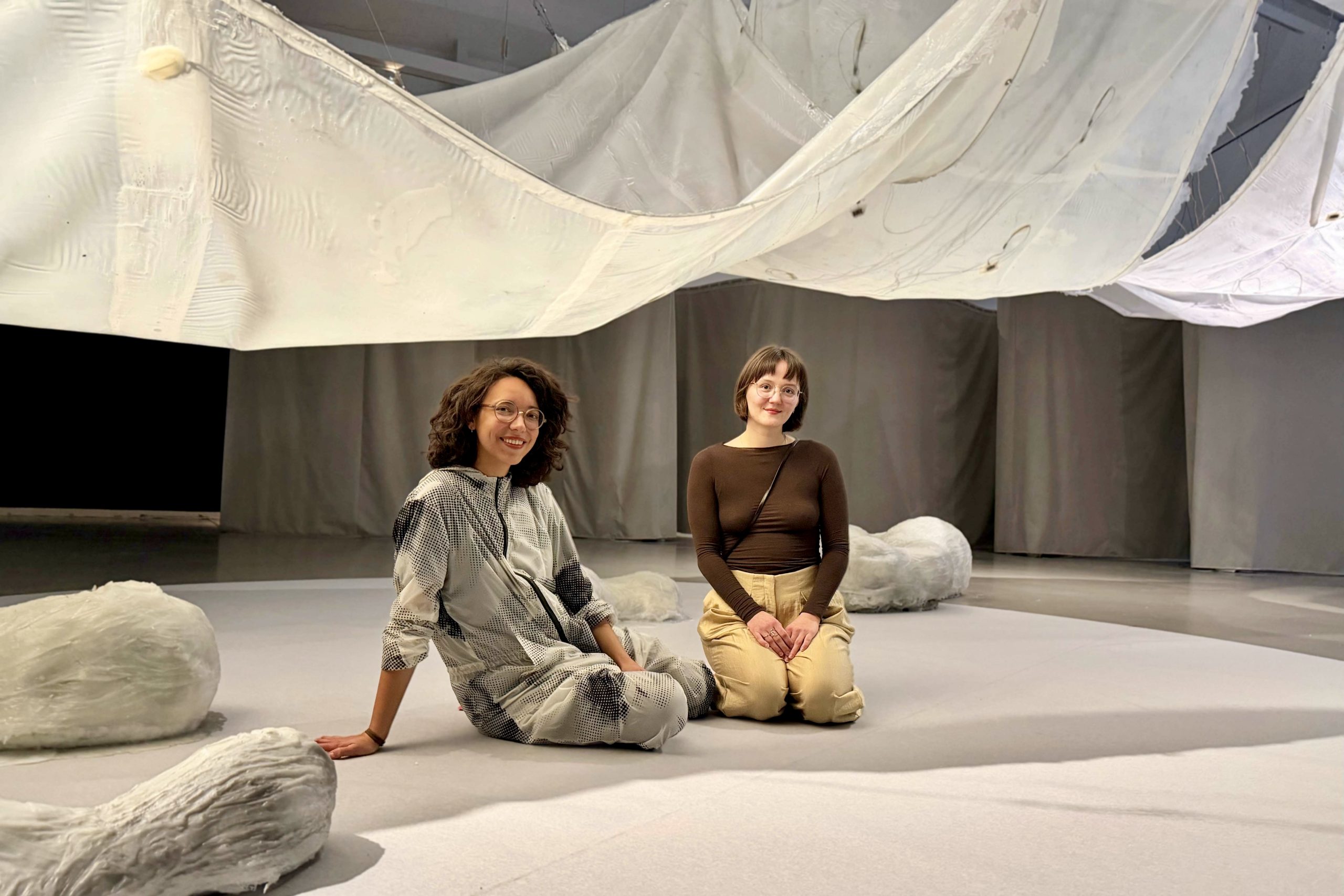
In the space, aromas move and settle, activating memories and bodily knowledge. The suspended silicone membranes—moulded on the concrete floor of LABoral—evoke the scoby, a living organism that ferments, unites and transforms.
Smells Like Kin proposes fermentation as a way of thinking and feeling the connection with the living, an essay on expanded relationships: bonds based on shared practices, mutual transformations and interspecies relationships, questioning inherited ideas of belonging beyond the blood family.
Artists: Dr. Lea Luka Sikau y Denisa Půbalová
Scientist: Felipe Lombó
Originaly published at LABoral Centro de Arte.
“Earth Is a Sensorium” Sparks Interdisciplinary Dialogue at Ars Electronica Festival 2025
“Earth Is a Sensorium” Sparks Interdisciplinary Dialogue at Ars Electronica Festival 2025
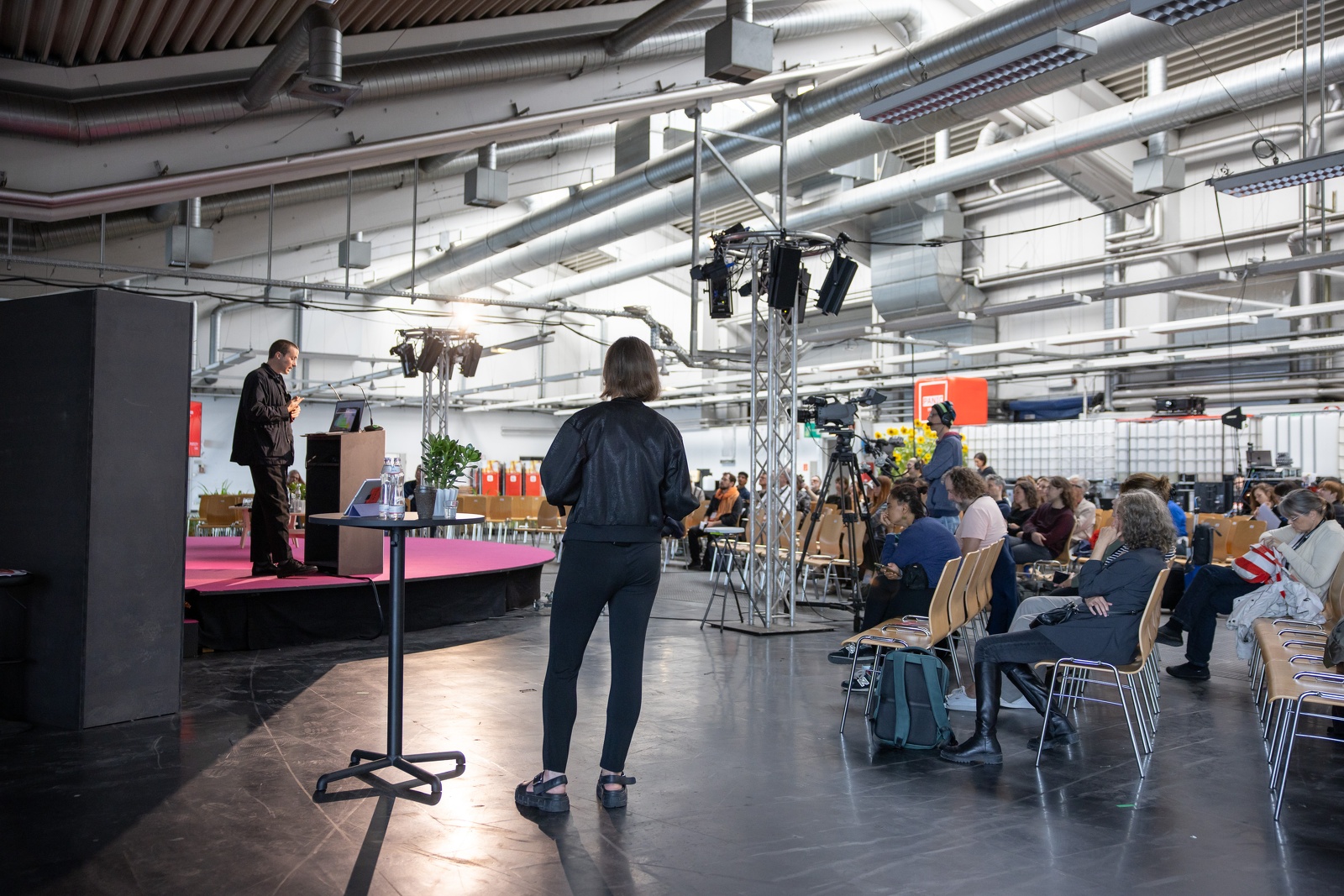
The Ars Electronica Festival 2025 in Linz delivered yet another thought-provoking experience with the conference “Earth Is a Sensorium,” a session that explored how our understanding of the world shapes our actions within it. Held under the festival’s overarching theme of “Panic,” the event brought together leading voices from the sciences, humanities, law, and the arts to revisit and reimagine the concept of the Great Acceleration.
Rethinking the Great Acceleration
The session opened with a compelling lecture by Alexander Damianos (GB/GR) that traced the origins of the Great Acceleration – a term coined to describe the exponential rise in human activity and its planetary impact since the mid-20th century. From ocean acidification to GDP growth and the proliferation of fast-food chains, the charts that once illustrated this phenomenon have become cultural artifacts in their own right.
But the panel didn’t stop at extending these charts to the present day. Instead, it asked a deeper question: How have these visualizations influenced scientific institutions, public discourse, and our collective imagination? The conversation challenged attendees to consider not just the data, but the societal frameworks that shape and are shaped by it.
A Sensorium of Perspectives
The panel featured interdisciplinary insights that transformed the session into a living “sensorium” – a space where knowledge, perception, and emotion converged. Speakers; Owen Gaffney (IE/SE), Mark Williams (GB), Armen Avanessian (AT), Ulrike Felt (AT); each tackled the question: “How do the Great Acceleration charts sense and make sense of the world?” Their answers ranged from critiques of data colonialism to poetic reflections on ecological grief.
A Call to Action
“Earth Is a Sensorium” was more than a panel – it was a call to reimagine how we engage with the Earth as a dynamic, interconnected system. By blending data with dialogue, and analysis with art, the session underscored the urgency of updating not just our charts, but our collective consciousness.
As the Anthropocene continues to unfold, events like this remind us that the future of planetary stewardship lies in interdisciplinary collaboration and imaginative thinking. The sensorium is open – what we choose to sense, and how we respond, is up to us.
Studiotopia Collective Event: A World Café of Collaboration
The symposium’s final event – the Studiotopia Collective Event – brought together the artist-scientist duos who had spent months in residency across Europe. Designed as an interactive World Café, the session invited audiences to engage directly with the residents, exploring the diverse modes of art-science collaboration that emerged from the Studiotopia project.
Participants included:
- Julien Fezansis an artist in residency with Hexagone Scène Nationale, focusing on sound engineering, documentary, and theater.
- Justyna Górowskais an artist in residency with Centre for Contemporary Art Laznia, focusing on DNA digital data storage, sustainability, and data preservation.
- Cezar Mocanand Hung Lu Chan are artists in residency with Beta festival.
- Dmitry Morozovis an artist in residency with Kersnikova, focusing on contemporary media art including sound, robotics, and installations.
- Sybille Neumeyeris an artist in residency with Kersnikova, focusing on environmental issues, climate crisis, and ecological relationships.
- John Palmesinois an artist in residency with Ars Electronica, focusing on the Anthropocene.
- Masha Patsyukis an artist in residency with Hexagone Scène Nationale, focusing on film, digital arts, and performance.
- Lea Luka Sikauand Denisa Pubalova are artists in residency with LABoral, focusing on multisensory installations, vibroacoustics, and media art.
- Karolina Sobeckais an artist in residency with Centre for Contemporary Art Laznia, focusing on heat, healing, resistance, and energy flows.
- Fanny Sorianois an artist in residency with Hexagone Scène Nationale, focusing on body, animality, and metamorphosis.
- Miguel Teodorois an artist in residency with CYENS Centre of Excellence, focusing on materiality, geopolitics, and ecology.
- Laure Winantsand Adrien de Lucca are artists in residency with GLUON.
- Alexander Damianosis a scientist in residency with Ars Electronica, focusing on the Anthropocene.
- Marina Dermastiais a scientist in residency with Kersnikova, focusing on cell biology and botany.
- Cailean Finnis a scientist in residency with Beta festival.
- Kalliopi Ioumpais a scientist in residency with Hexagone Scène Nationale, focusing on social cognitive neuroscience, molecular biology, and experimental psychology.
- Ziggy O’Rileyis a scientist in residency with Kersnikova, focusing on human-robot interaction, moral and social cognition, and ethics of emerging technologies.
- Michał Piaseckiand Agnieszka Szostok are scientists in residency with Centre for Contemporary Art Laznia, focusing on heat, healing, resistance, and energy flows.
- Colas Schretter and Louise Delhayeare scientists in residency with GLUON.
The event showcased projects ranging from human-robot interaction and moral cognition to botany, geopolitics, and experimental psychology. It was a celebration of the messy, generative space where disciplines collide – and where new ways of sensing and responding to the world are born.
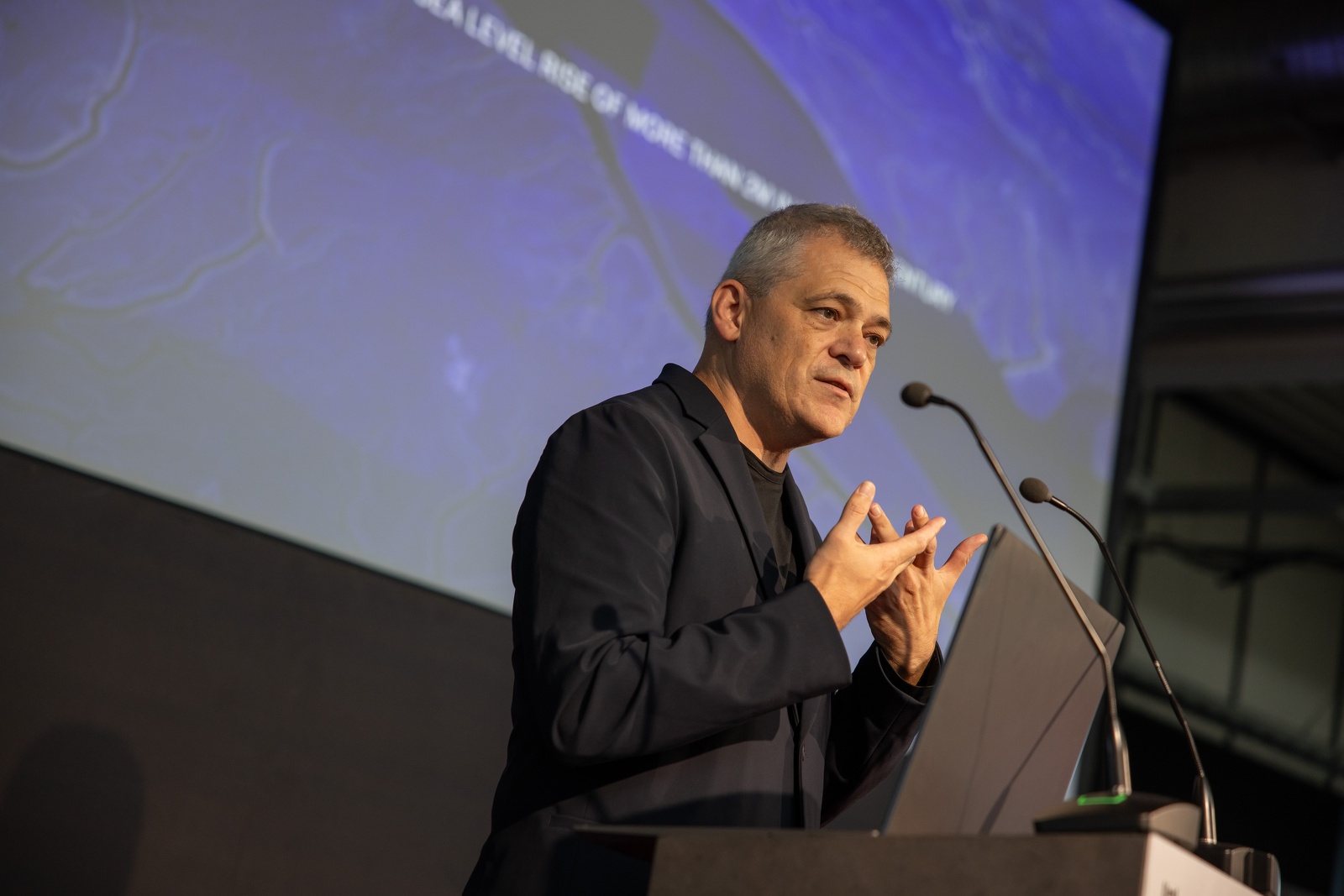
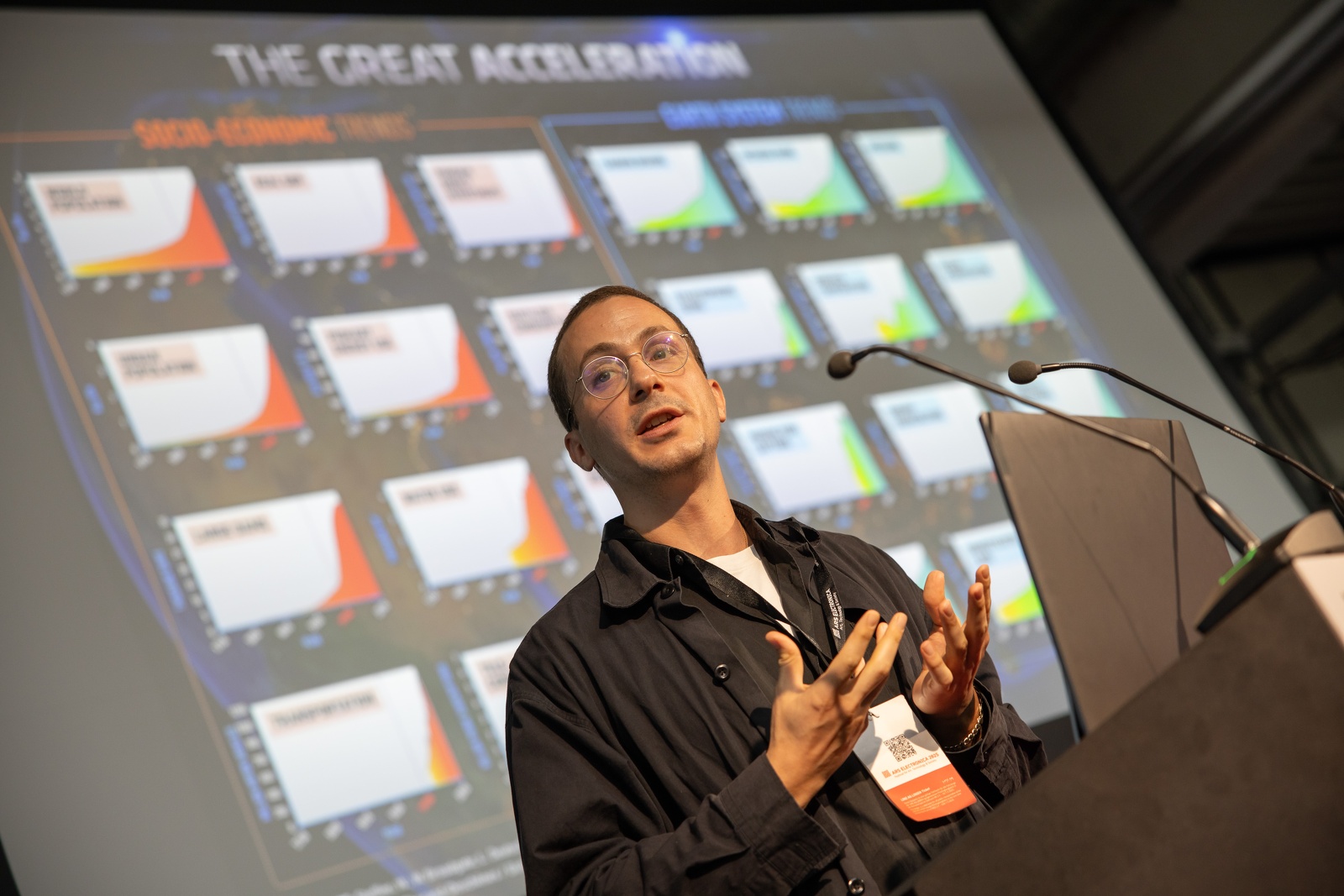
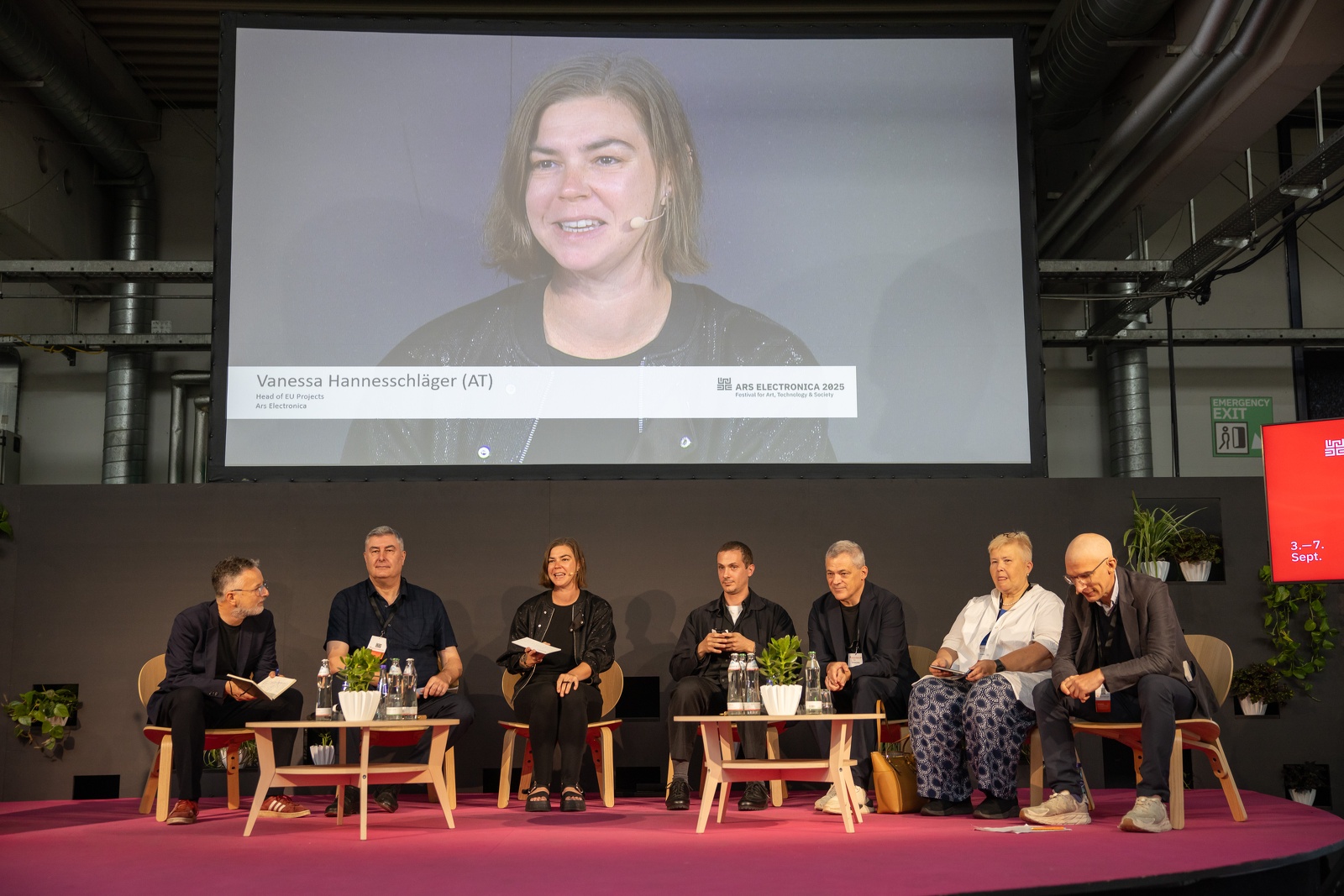
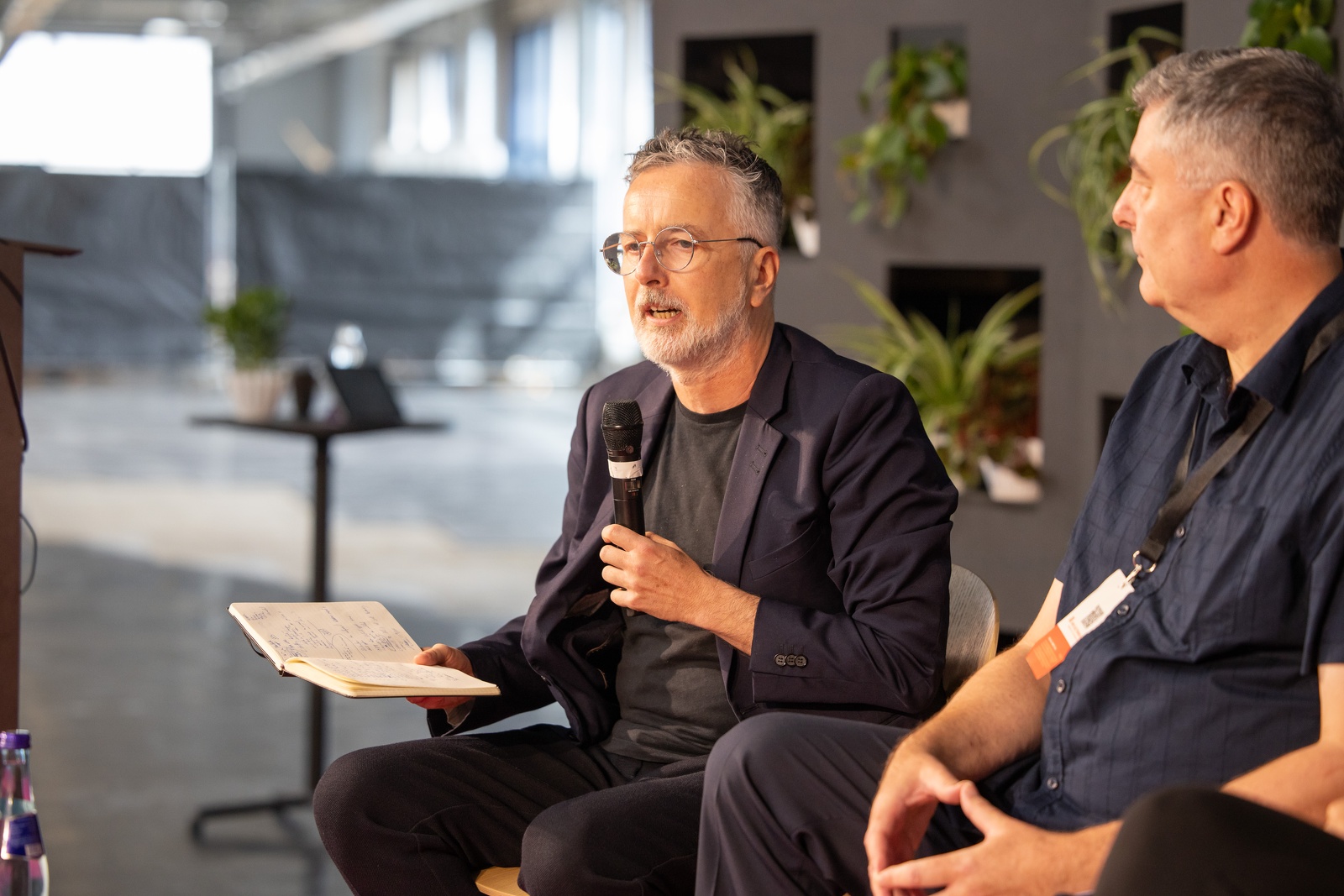
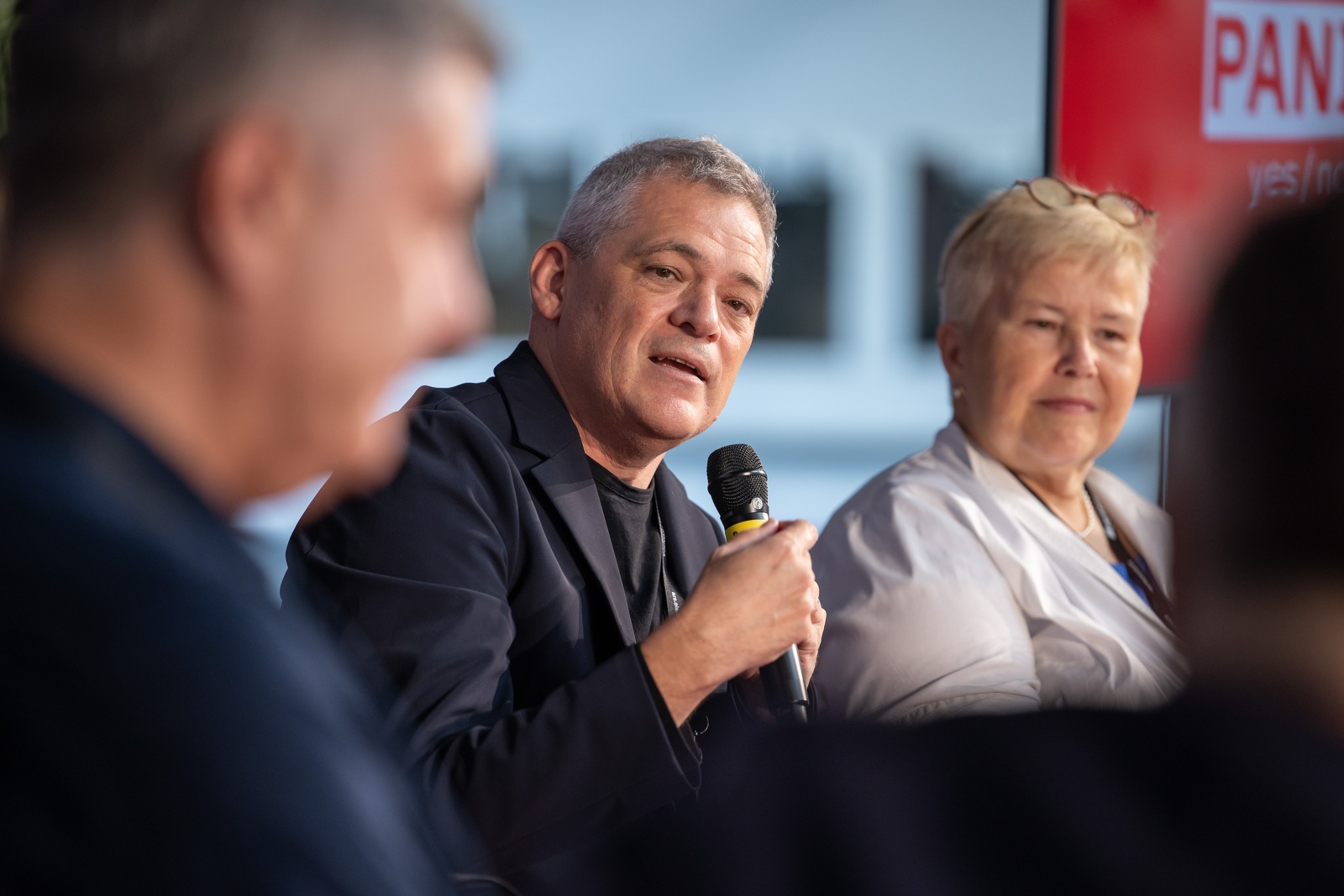
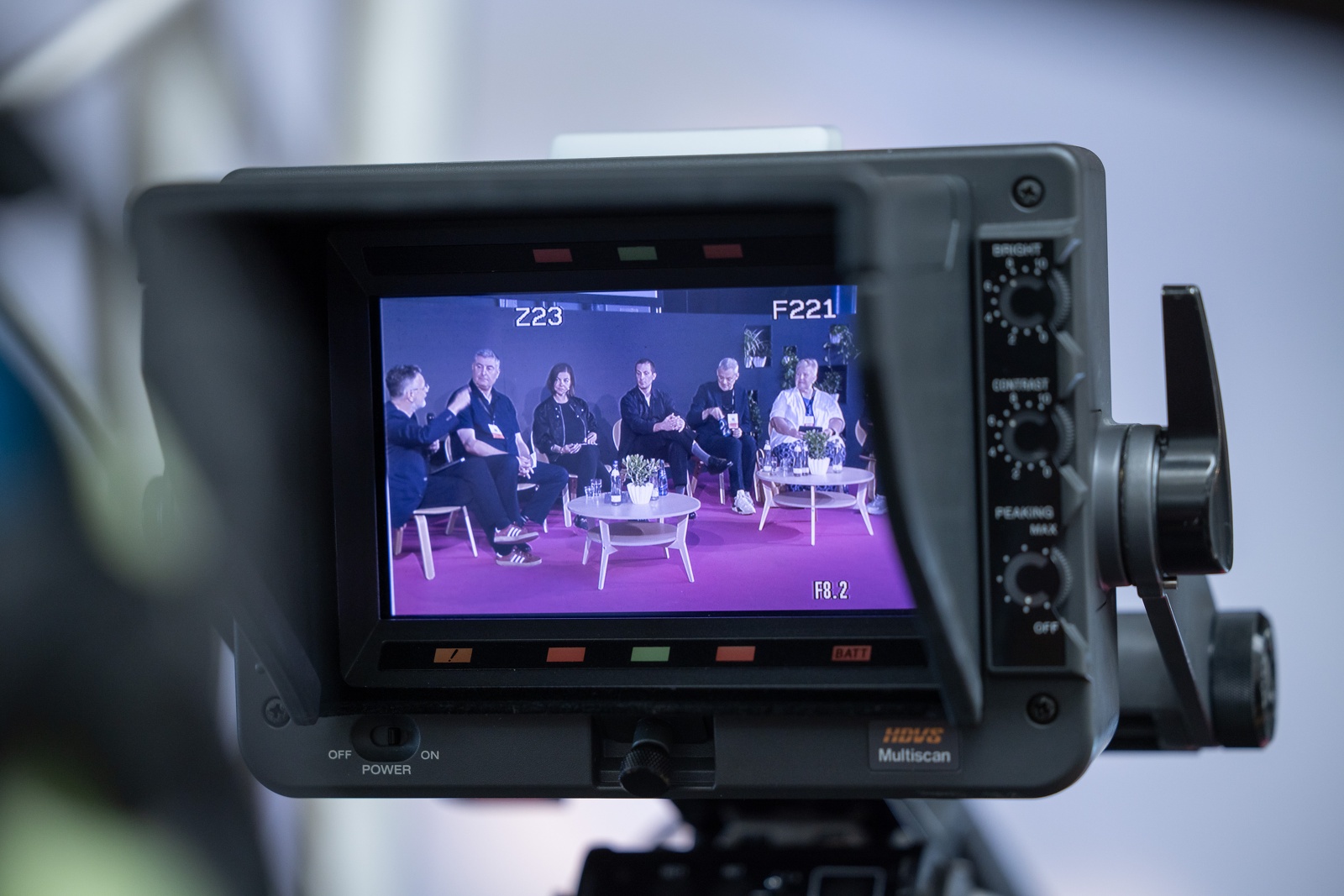
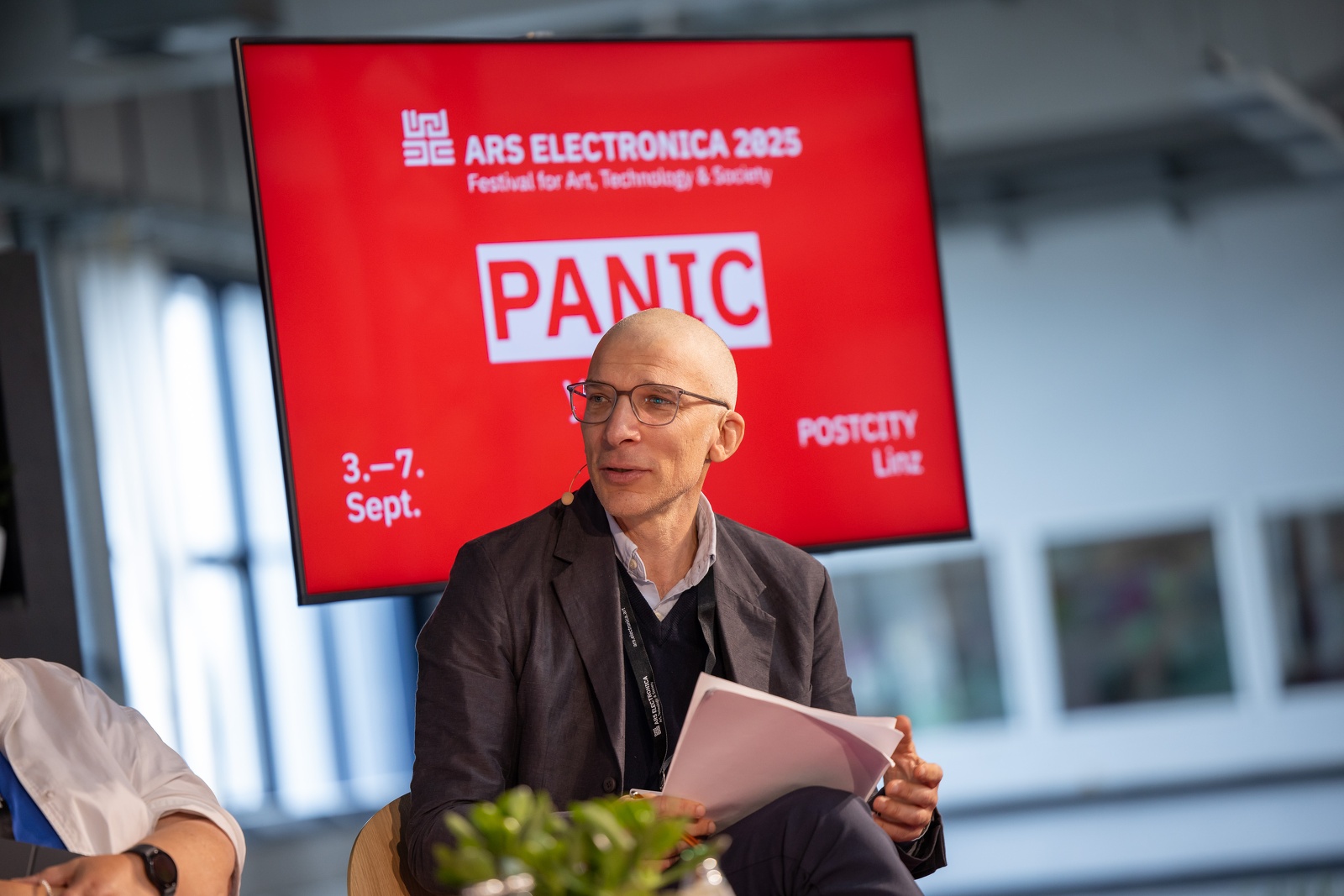
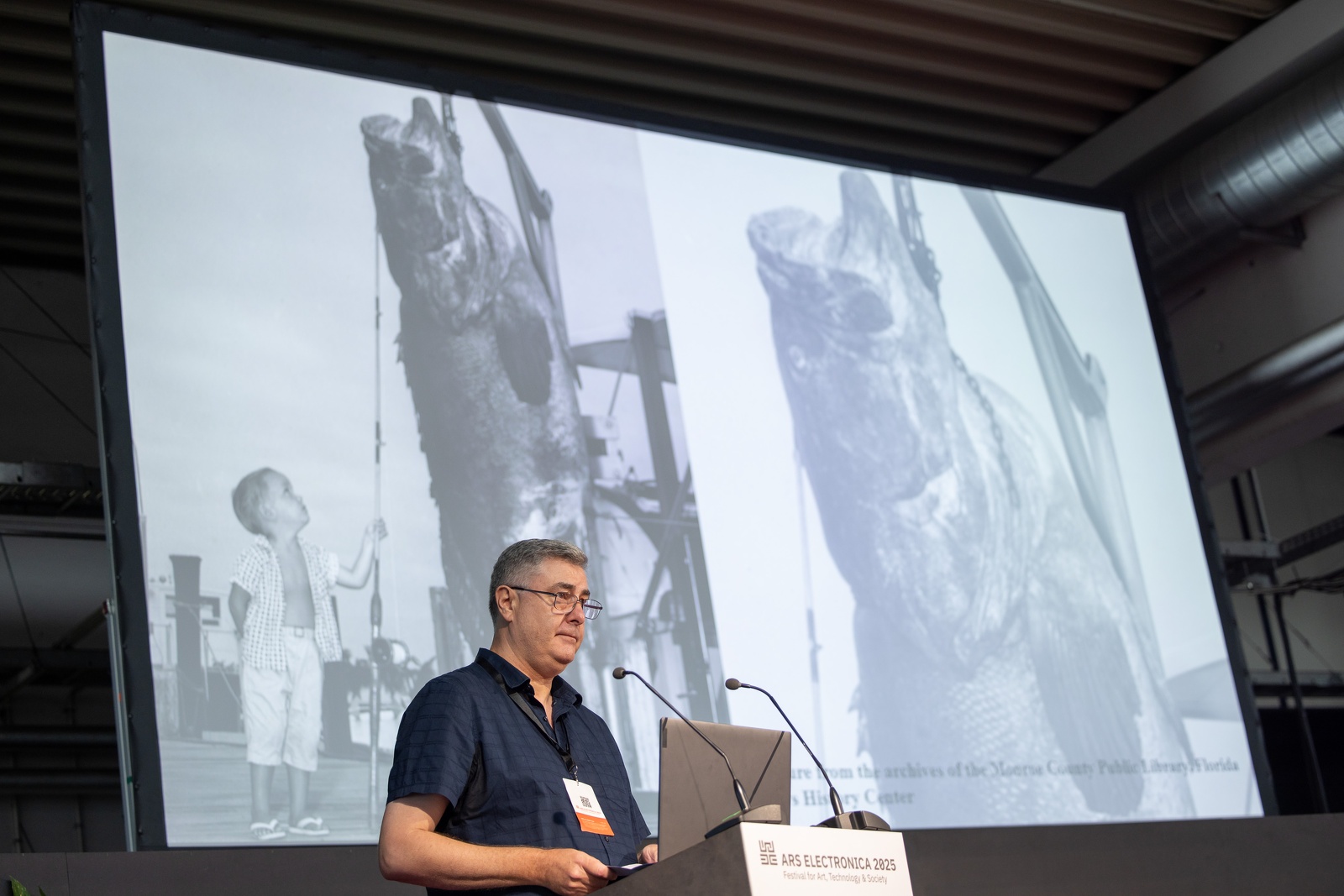
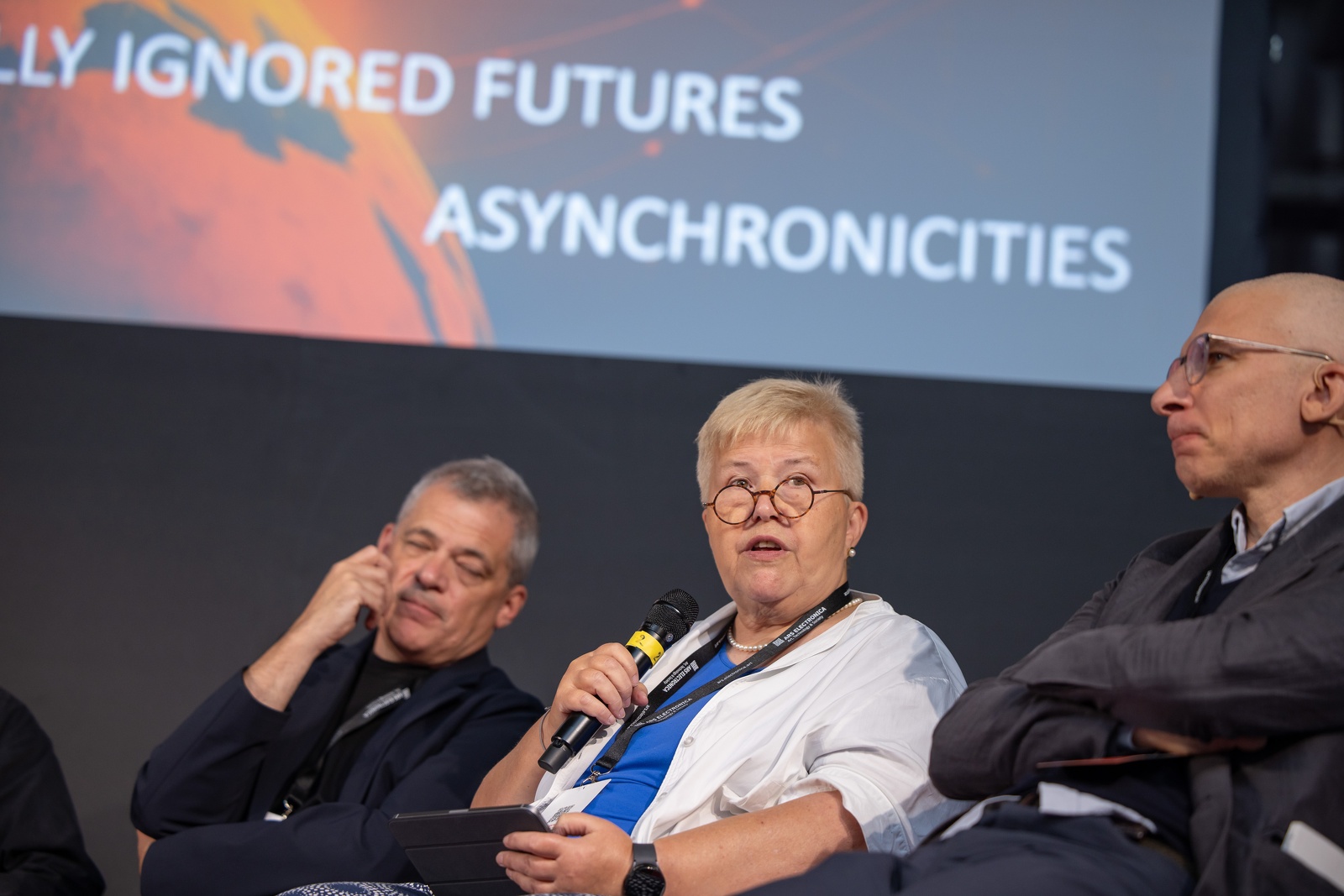
Photo: vog.photo
You can watch the video of the panel bellow.

Bridging Art and Science: Studiotopia Invites Public to Explore Creative Collaborations @Ars Electronica 2025
Bridging Art and Science: Studiotopia Invites Public to Explore Creative Collaborations @Ars Electronica 2025
The Studiotopia Consortium kindly invites you to the Studiotopia Collective Event – a dynamic gathering that celebrates the fusion of artistic imagination and scientific inquiry. The event will be held on Sunday, 7th of September from 13:00–14:00 at POSTCITY, First Floor, Conference Hall.
This unique session brings together the Studiotopia Artists & Scientists in Residence, showcasing the innovative projects born from their interdisciplinary collaborations. From climate change to biotechnology, these duos have tackled some of the most pressing challenges of our time through the lens of creativity and research.
Designed as an interactive World Café, the event invites attendees to engage directly with the residents, explore their processes, and contribute to the dialogue on how art and science can co-create new perspectives for a sustainable future.
The event is part of the Earth Is a Sensorium conference programme. The full programme of the conference day is accessible at this link. More information about Ars Electronica Festival 2025 is available on the official site of the festival.
Join us and be part of the conversation that’s shaping tomorrow.

Studiotopia study visit @Gluon
Studiotopia study visit @Gluon
From the 22nd to the 24th of April the Studiotopia team visited one of our partner organisations Gluon in Brussels and Ghent that brought together renowned artists, researchers, and cultural innovators for an immersive exploration of how art and science converge in today’s world.
The study visit kicked off in Brussels at Bozar – Center for Fine Arts, where we visited Khorós, an exhibition featuring the evocative works of Berlinde De Bruyckere. Later, artist Adrien Lucca introduced us to his latest exhibited pieces at LMNO gallery, showcasing the outcomes of his European STARTS in the City program residency at Gluon.
On the second day, the Study Visit moved to Ghent, where the New Metabolism Symposium took center stage. Notable speakers such as Jas Brooks and Thierry Dufrene delved into thought-provoking themes, from AI and surrealism to new methods for interfacing with the human senses. The day ended with visits to two partner institutions, Wintercircus technology hub and the Ghent University Museum and Botanical garden, offering insights into historical and contemporary research in Ghent.
Study visit continued with the second part of the New Metabolism Symposium, tackling issues such as trust, ethics, and the intersection of AI with daily life. Expert-led discussions featured Veronika Liebl (Ars Electronica), Federico Bomba (Sineglossa), Lucas Evers (Waag), Lucía García (iMAL), and artists like Noemi Iglesias Barrios, Ariane Loze, and Charlotte Jarvis, Špela Petrič, Penelope Cain, Bernat Cui, Martyna Marciniak, Pierre-Christophe Gam and dmstfctn. The symposium culminated with the opening of Noemi Iglesias Barrios new exhibition The Falling City at Gluon, marking a poetic reflection on urban transformation and resilience.
With its dynamic mix of exhibitions, discussions, and cross-disciplinary networking, the aim of this study visit was set to inspire new creative collaborations and fresh perspectives on the symbiosis between art and science.


Extended Application Deadline for STUDIOTOPIA Residency Programme
Extended Application Deadline for STUDIOTOPIA Residency Programme
STUDIOTOPIA is announcing an extension for applications to its second edition of the Residency Programme, aimed at fostering collaboration between the arts and sciences to promote sustainable development.
The new deadline for submissions is now set for the 7th November 2024, at 23:59 CET.
Open Call Highlights:
- For Emerging Artists: Eight residencies will be offered to artists who will collaborate with established scientists, focusing on local sustainability and environmental challenges. For more details, refer to the Emerging Artists Challenge Booklet.
- For Young Scientists: Ten scientists will have the opportunity to work with renowned contemporary artists, developing creative responses to global and local challenges. For more details, refer to the Young Scientists Challenge Booklet.
Key Dates:
- Open Call Period: 4th September – 7th November 2024, at 23:59 CET
- Residency Duration: 12 months (December 2024 – December 2025)
- Exhibition Period: September 2025 – March 2027
This second edition of the Residency Programme represents an exciting opportunity for individuals ready to push the boundaries of their fields. By bringing together artists and scientists, the programme facilitates the exploration of the convergence of art and science in addressing today's most pressing environmental issues.

Watch both Info Sessions
Missed both Info Sessions?
Bellow you still have a chance to learn more about the STUDIOTOPIA Residency Programme for Emerging Artists and the Fellowship Programme for Young Scientists, both designed to foster collaboration between artists and scientists to tackle global sustainability challenges.
Don’t worry — you can watch the full recording:
- Full Recording of the First Info Session
- Full Recording of the Second Info Session : Emerging Artists
- Full Recording of the Second Info Session : Young Scientists
Programme Overview
- Fellowship Programme for Young Scientists: 10 early-career scientists will collaborate with contemporary artists over the course of one year.
- Residency Programme for Emerging Artists: 8 artists will partner with established scientists on research-driven projects focused on global and local sustainability challenges.
For additional questions, please contact:
- Fellowship Programme for Young Scientists: ramona@gluon.be
- Residency Programme for Emerging Artists: irina@cccluj.ro
Watch the First Info Session + Join Us for the Second One
Don’t Miss Our Second Info Session for the Open Call
Watch the First Info Session + Join Us for the Second One
Following the success of our first info session, we are excited to announce that the second session is just around the corner on October 9th at 10:30 CET.
This is your chance to learn more about the STUDIOTOPIA Residency Programme for Emerging Artists and the Fellowship Programme for Young Scientists, both designed to foster collaboration between artists and scientists to tackle global sustainability challenges.
During the first info session, we discussed:
- The goals of the STUDIOTOPIA project, with a focus on the Symbiocene.
- How artists and scientists collaborate over a 12-month period to address complex issues.
- Key details about the open call, including eligibility and how to apply.
- A comprehensive overview of the Fellowship and Residency programmes.
Missed the first session?
Don’t worry — you can watch the full recording HERE.
What to Expect at the Second Info Session?
In the upcoming session on October 9th, we will dive deeper into the collaboration opportunities available, answer additional questions, and provide more insights into how participants can push the boundaries of both art and science to create meaningful change. Don’t miss this chance to get all the information you need to apply!
Register for the second info session here: APPLY HERE.
Programme Overview
- Fellowship Programme for Young Scientists: 10 early-career scientists will collaborate with contemporary artists over the course of one year.
- Residency Programme for Emerging Artists: 8 artists will partner with established scientists on research-driven projects focused on global and local sustainability challenges.
For additional questions, please contact:
- Fellowship Programme for Young Scientists: ramona@gluon.be
- Residency Programme for Emerging Artists: irina@cccluj.ro

STUDIOTOPIA Announces Open Call During Ars Electronica 2024
STUDIOTOPIA unveils new opportunities for artists and scientists
STUDIOTOPIA Announces Open Call During Ars Electronica 2024
During this year’s Ars Electronica Festival, attended by over 112,000 visitors from around the world, the STUDIOTOPIA team announced the launch of the second edition of their prestigious Residency Programme. Aimed at fostering collaboration between artists and scientists, this programme is set to explore the theme of the Symbiocene and promote innovative, cross-disciplinary approaches to sustainable development.
The second edition of the STUDIOTOPIA Residency Programme invites emerging artists and young scientists to apply for a 12-month residency, during which they will collaborate on research-driven projects addressing both local and global environmental challenges. The programme, which was presented by the STUDIOTOPIA team at the Ars Electronica Festival 2024, seeks to break down barriers between disciplines. It offers participants the opportunity to engage deeply with both art and science, developing unique outputs that explore the interconnectedness of life on Earth.
Open Call Highlights:
- For Emerging Artists: Eight residencies will be offered to artists who will collaborate with established scientists, focusing on local sustainability and environmental challenges. For more details, refer to the Emerging Artists Challenge Booklet.
- For Young Scientists: Ten scientists will have the opportunity to work with renowned contemporary artists, developing creative responses to global and local challenges. For more details, refer to the Young Scientists Challenge Booklet.
Key Dates:
- Open Call Period: 4th September – 31st October 2024
- Residency Duration: 12 months (December 2024 – December 2025)
- Exhibition Period: September 2025 – March 2027
Info Sessions:
- 18th September 2024, 11:30 AM CEST
- 9th October 2024, 11:30 AM CEST
During these sessions, the STUDIOTOPIA team will provide an overview of the programme and answer all questions related to the application process, challenges, and residency details.
Register here.
This second edition of the Residency Programme represents an exciting opportunity for individuals ready to push the boundaries of their fields. By bringing together artists and scientists, the programme facilitates the exploration of the convergence of art and science in addressing today’s most pressing environmental issues.