A Circus Artist and a Neuroscientist Investigate How Wonder Builds Environmental Empathy
A Circus Artist and a Neuroscientist Investigate How Wonder Builds Environmental Empathy
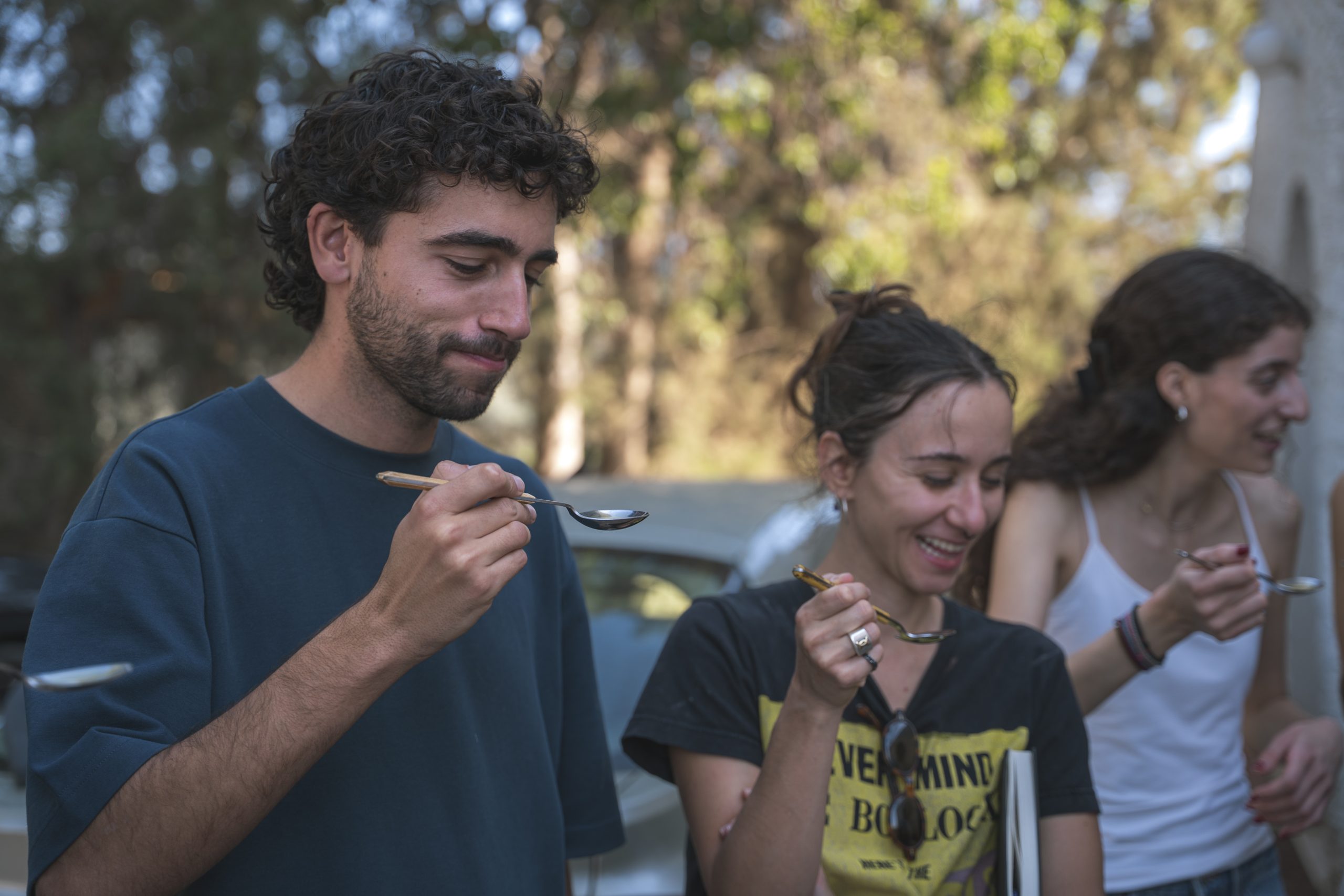
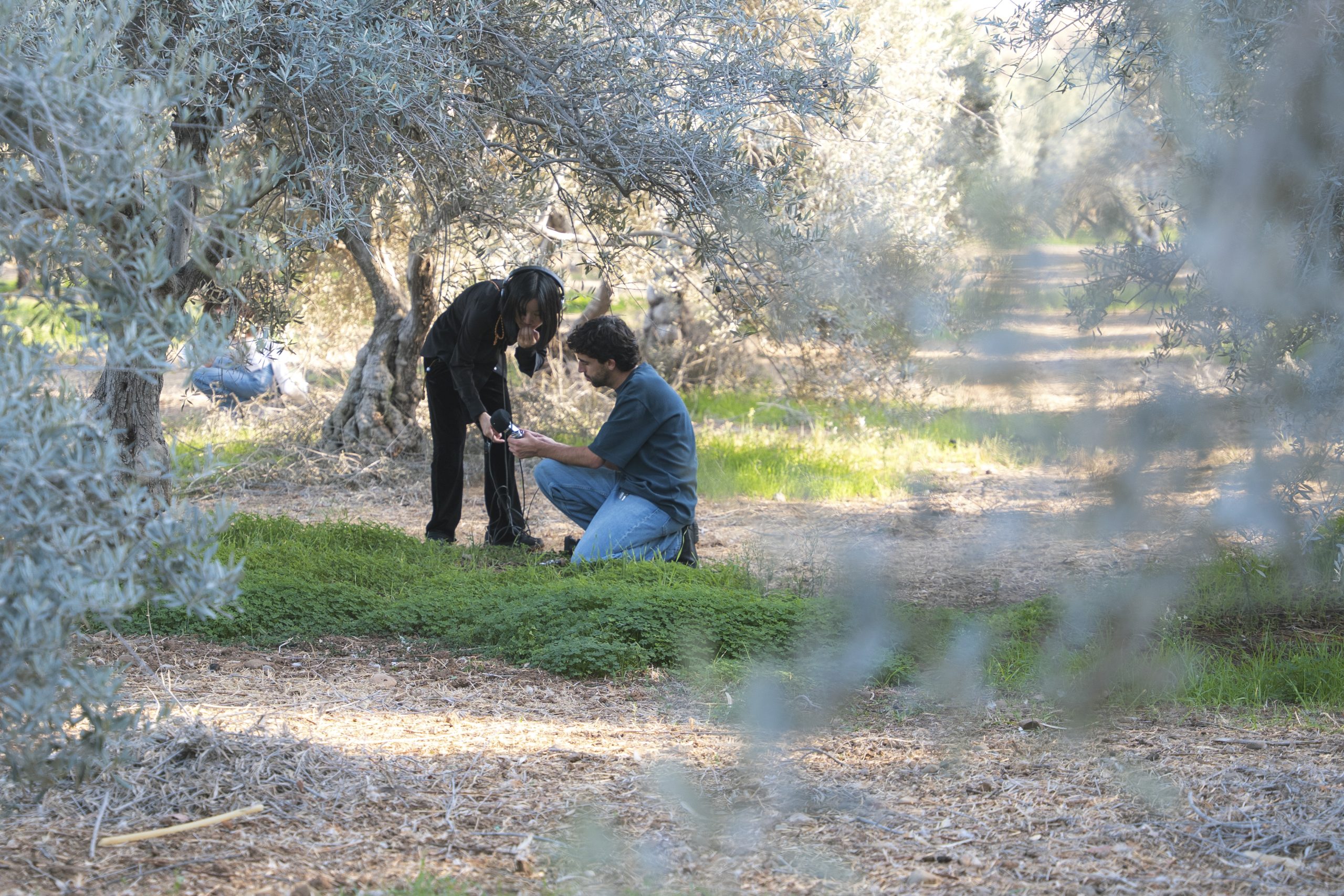
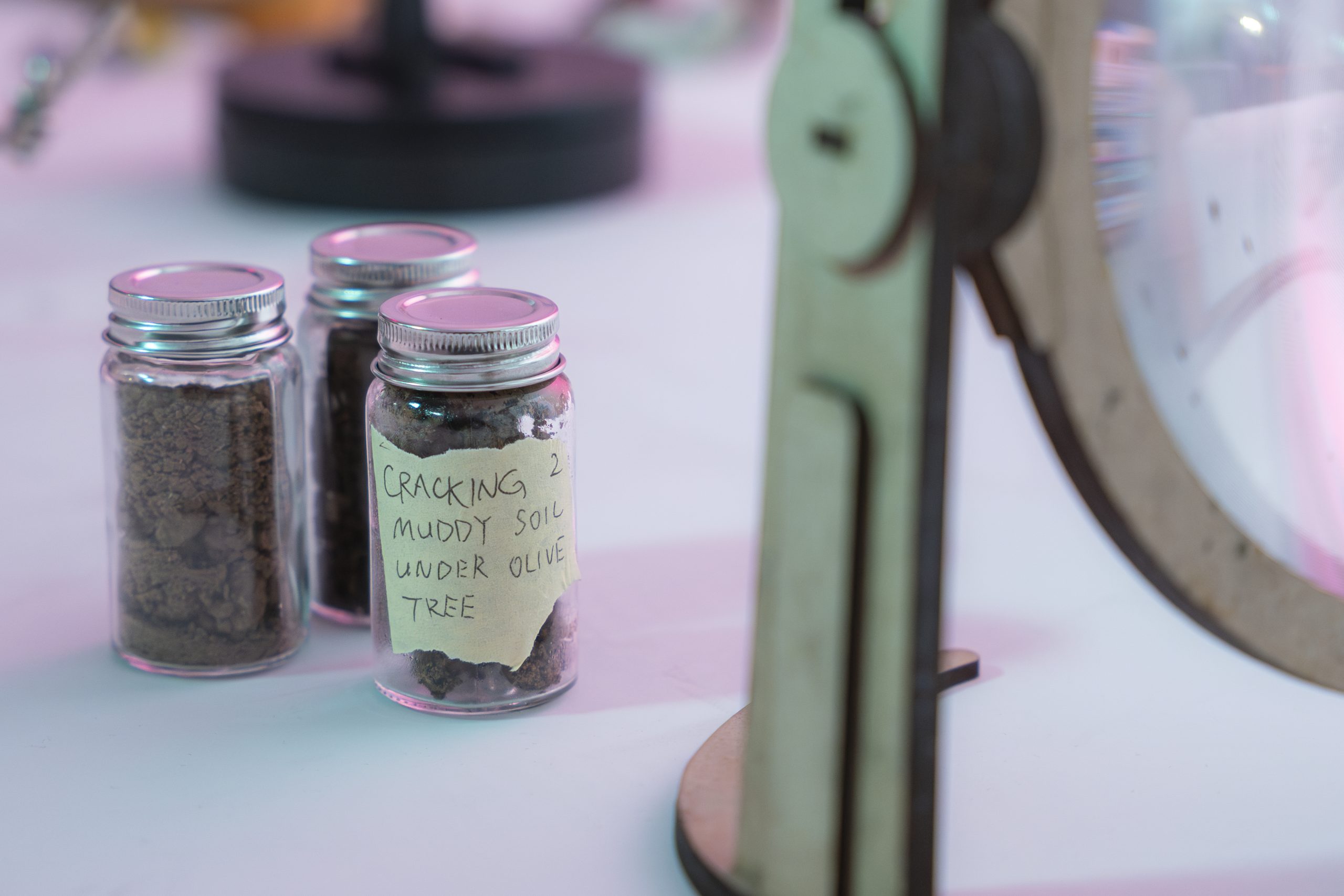
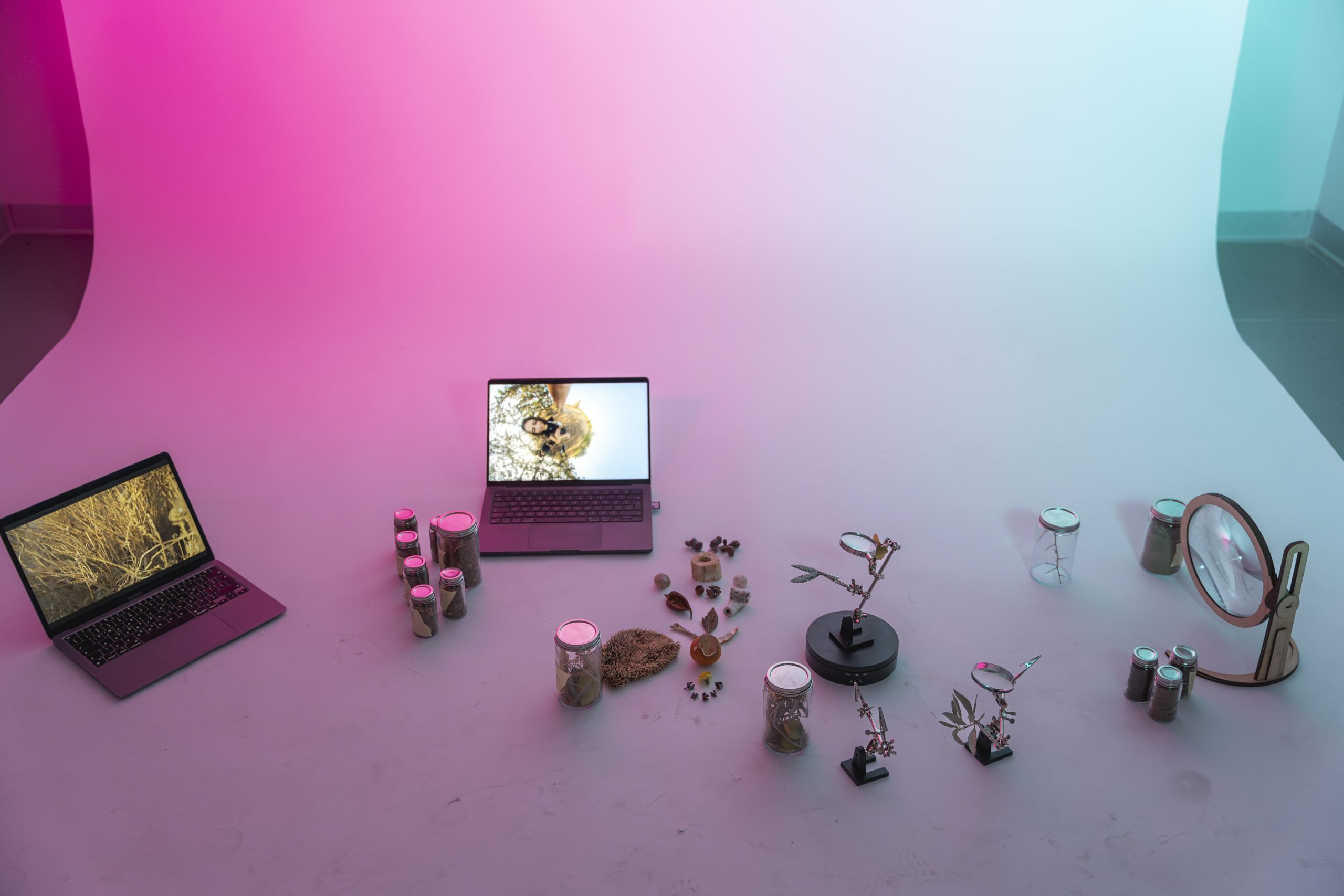
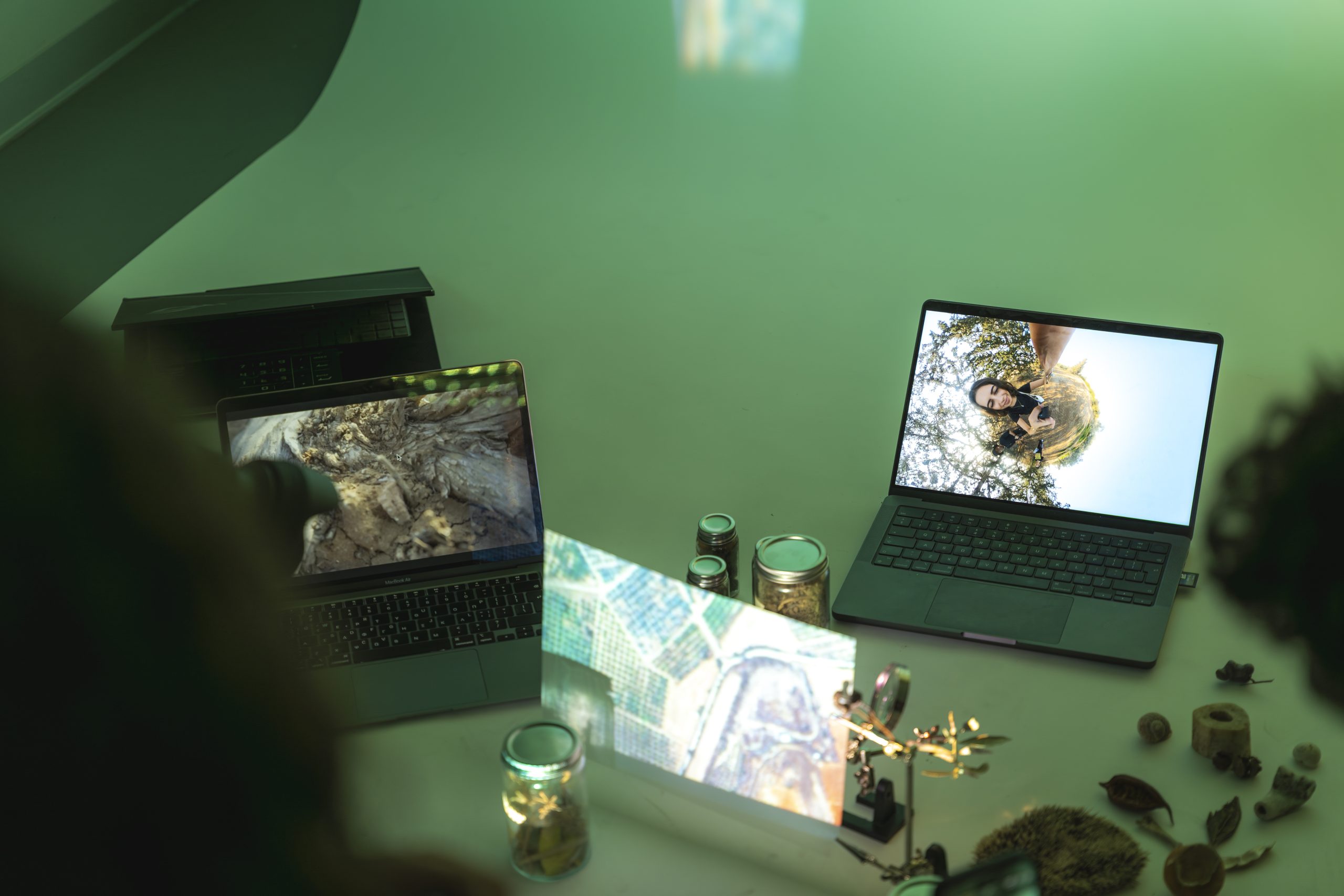
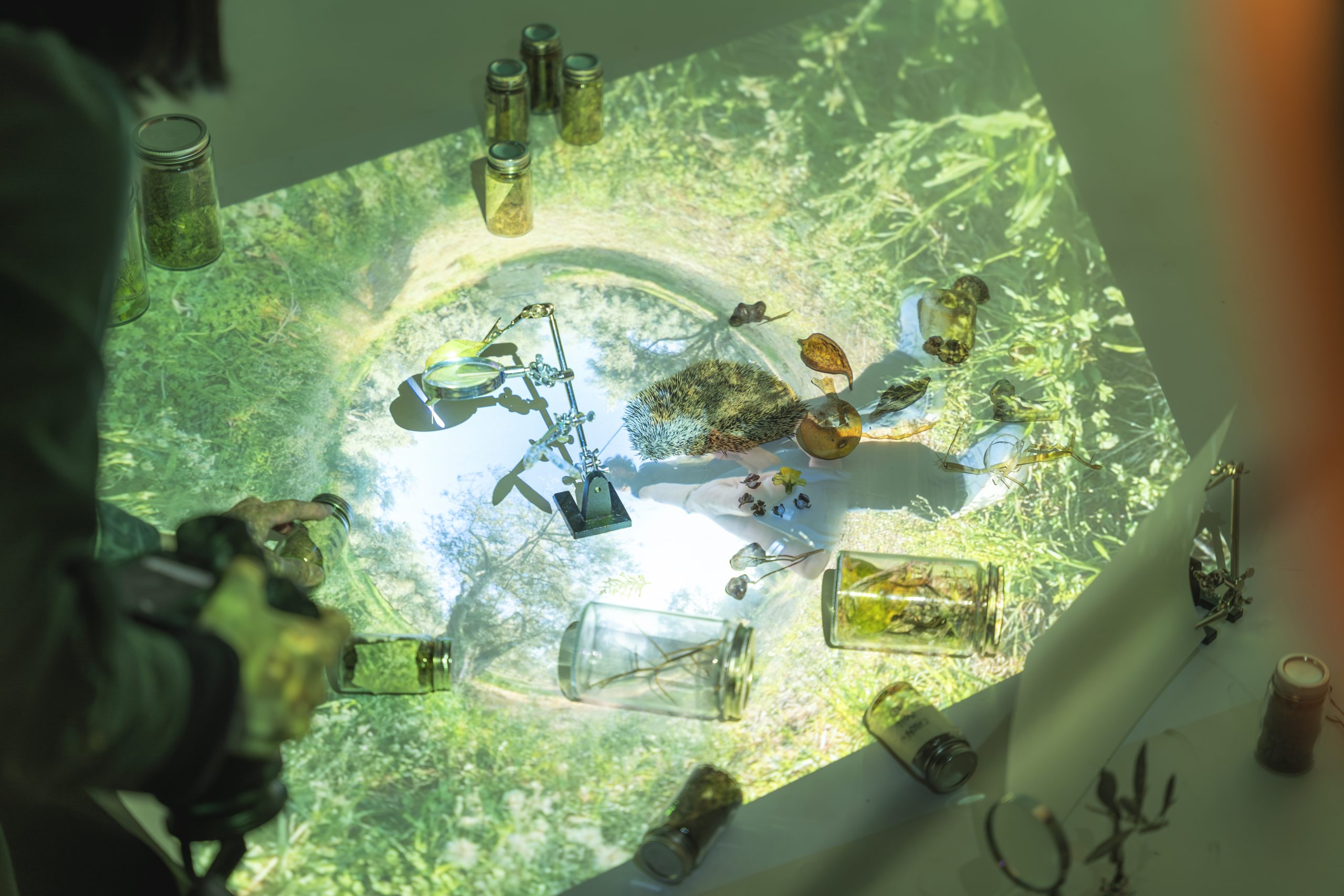
Circus artist Fanny Soriano and neuroscientist Kalliopi Ioumpa are exploring how awe and playful interaction with non-human natural objects can create empathy towards nature.
The podcast is documenting residency organized by Hexagone Scène nationale within the European project STUDIOTOPIA 2.0 : Enter the Symbiocene with Art and Science. A unique opportunity to hear artists and scientists at work during both nature/society residencies.

The Right to Roam, the Right to Rest
The Right to Roam, the Right to Rest
Visual artist Masha Patsyuk and sound artist Julien Fezans investigate the concepts of right to roam and right to rest developed by environmental jurist Sarah Vanuxem. They focus on the study of a shared landscape in Belledone – a mountain range in the Alps.
The podcast is documenting residency organized by Hexagone Scène nationale within the European project STUDIOTOPIA 2.0 : Enter the Symbiocene with Art and Science. A unique opportunity to hear artists and scientists at work during both nature/society residencies.
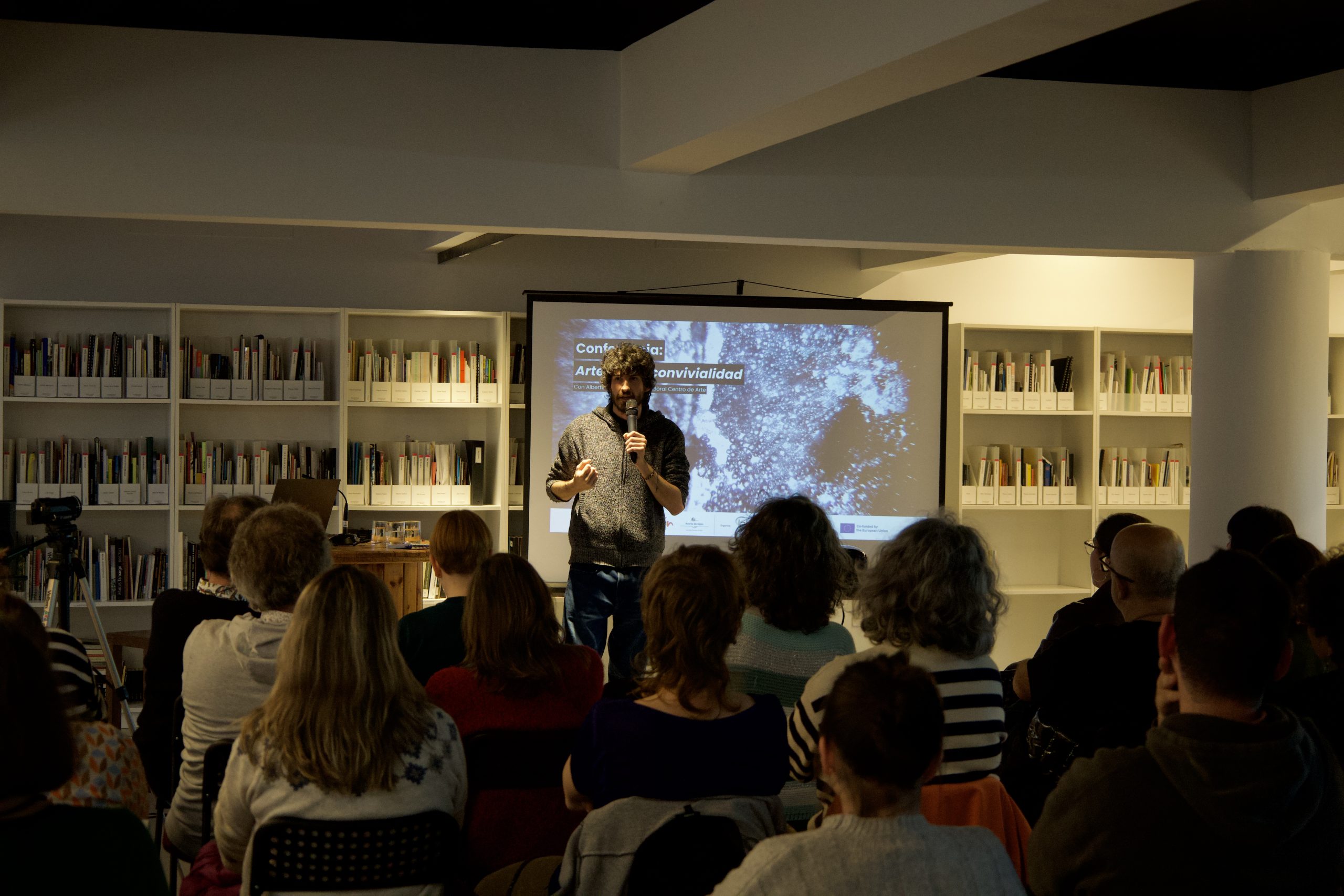
The Arts of Conviviality: Rethinking How We Live Together in a Technological World
The Arts of Conviviality: Rethinking How We Live Together in a Technological World
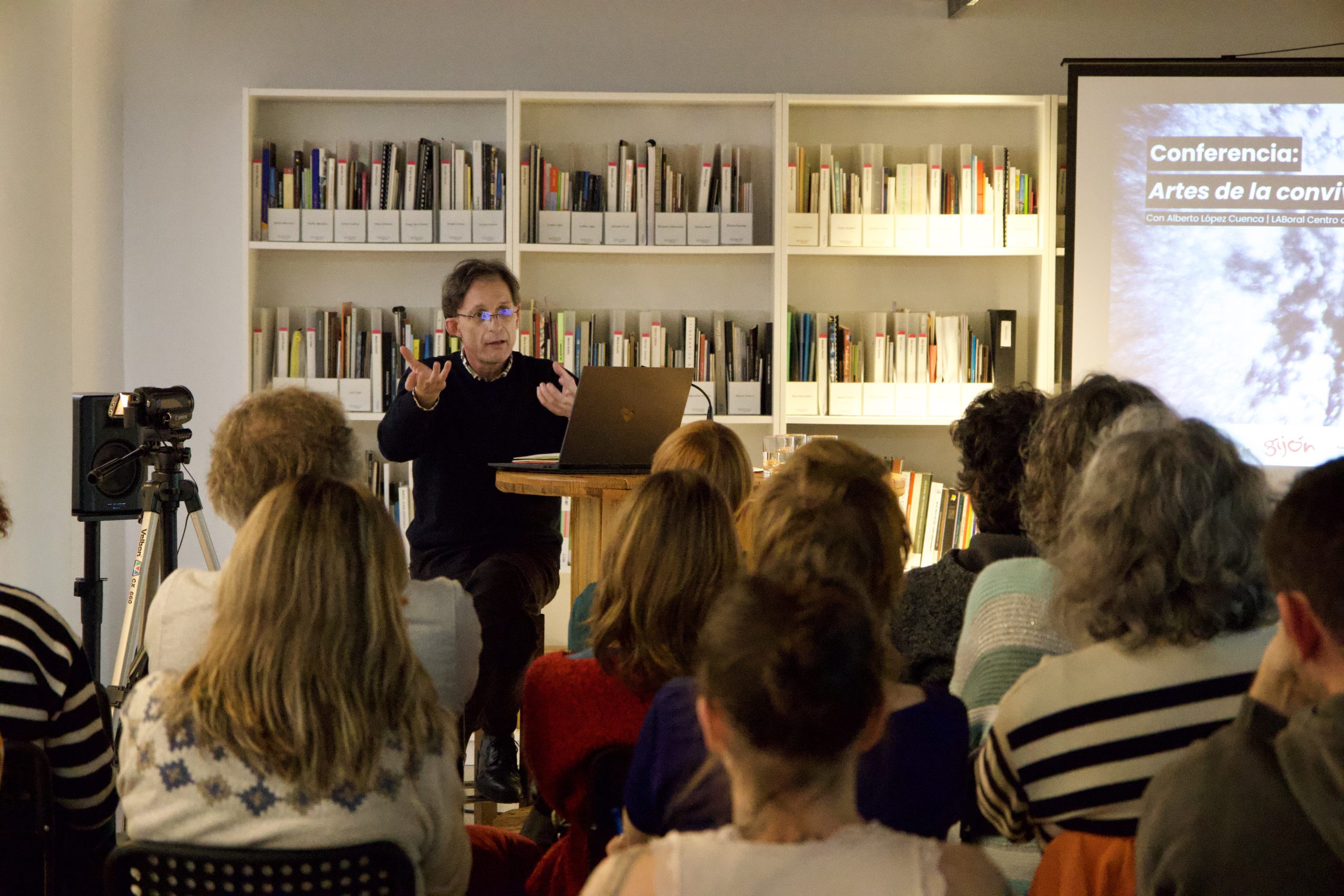
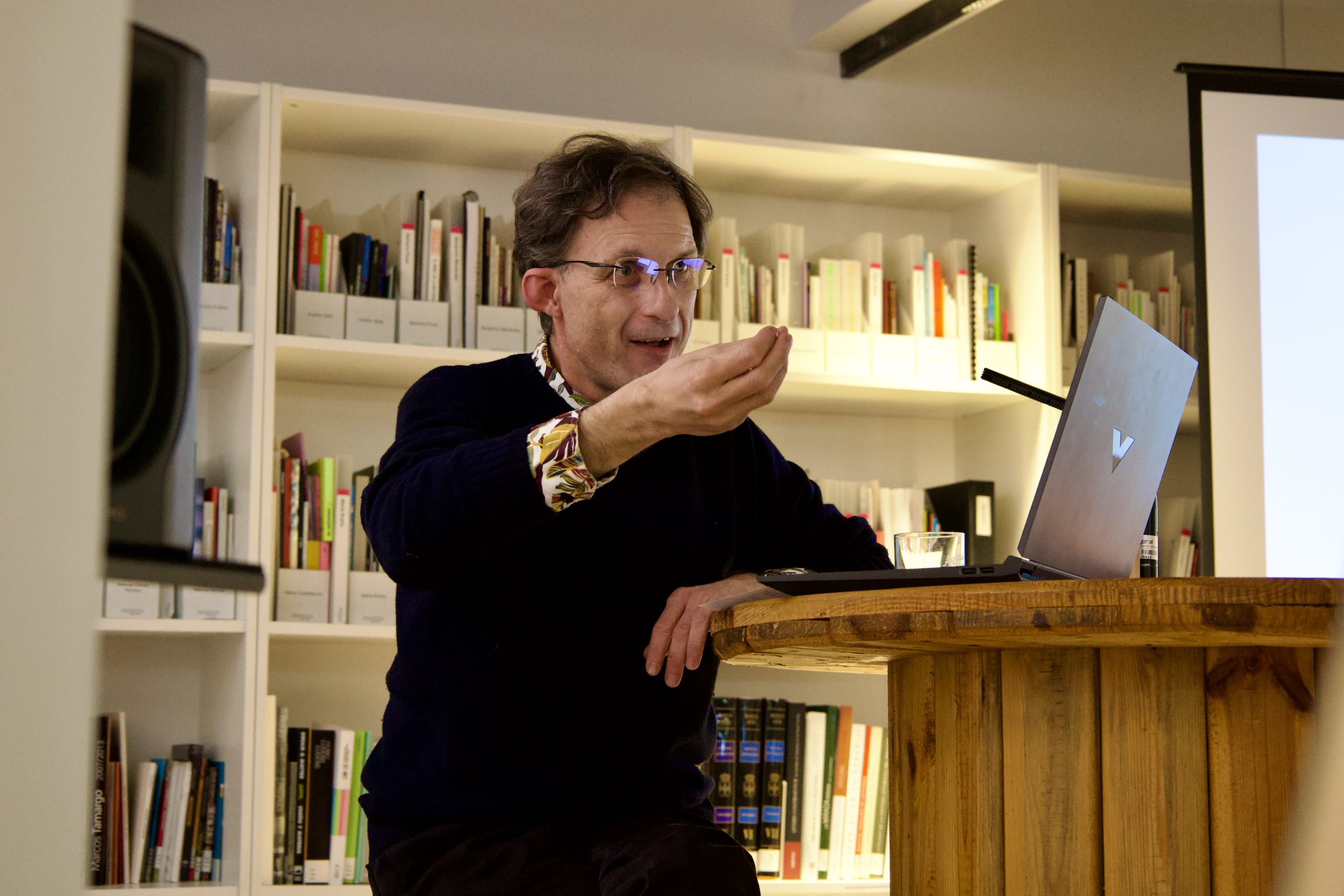
On 26 March 2026, LABoral Centro de Arte hosted philosopher and researcher Alberto López Cuenca for a thought‑provoking lecture on The Arts of Conviviality, inviting audiences to reconsider how we coexist—human to human, and human to more‑than‑human—in an era shaped by accelerating technoscience.
Speaking to a full auditorium, López Cuenca revisited Ivan Illich’s seminal notion of conviviality, a call for collaborative, sustainable, and interdependent ways of living that resist the extractive logic of industrial systems. While Illich himself acknowledged the limits of convivial strategies in transforming post‑industrial society, López Cuenca highlighted why the concept is resurfacing today: as a framework for care, mutual support, and alternative modes of relating in a world increasingly mediated by technology.
The lecture unfolded within the context of Smells like kin, the ongoing artistic research by Lea Luka Sikau and Denisa Půbalová in collaboration with scientist Felipe Lombó. Their work explores fermentation as a multispecies practice—an entanglement of microorganisms, humans, and environments that generates new material and symbolic forms of kinship. López Cuenca connected these ideas to broader questions: Can conviviality itself ferment? Can art cultivate new forms of togetherness amid global instability?
Presented by Pablo M. Testa and framed within the European research project STUDIOTOPIA, the event opened a space for reflection on how artistic practices can model new ecologies of collaboration, care, and coexistence. The conference video captures this timely conversation at the intersection of philosophy, art, and the living world.
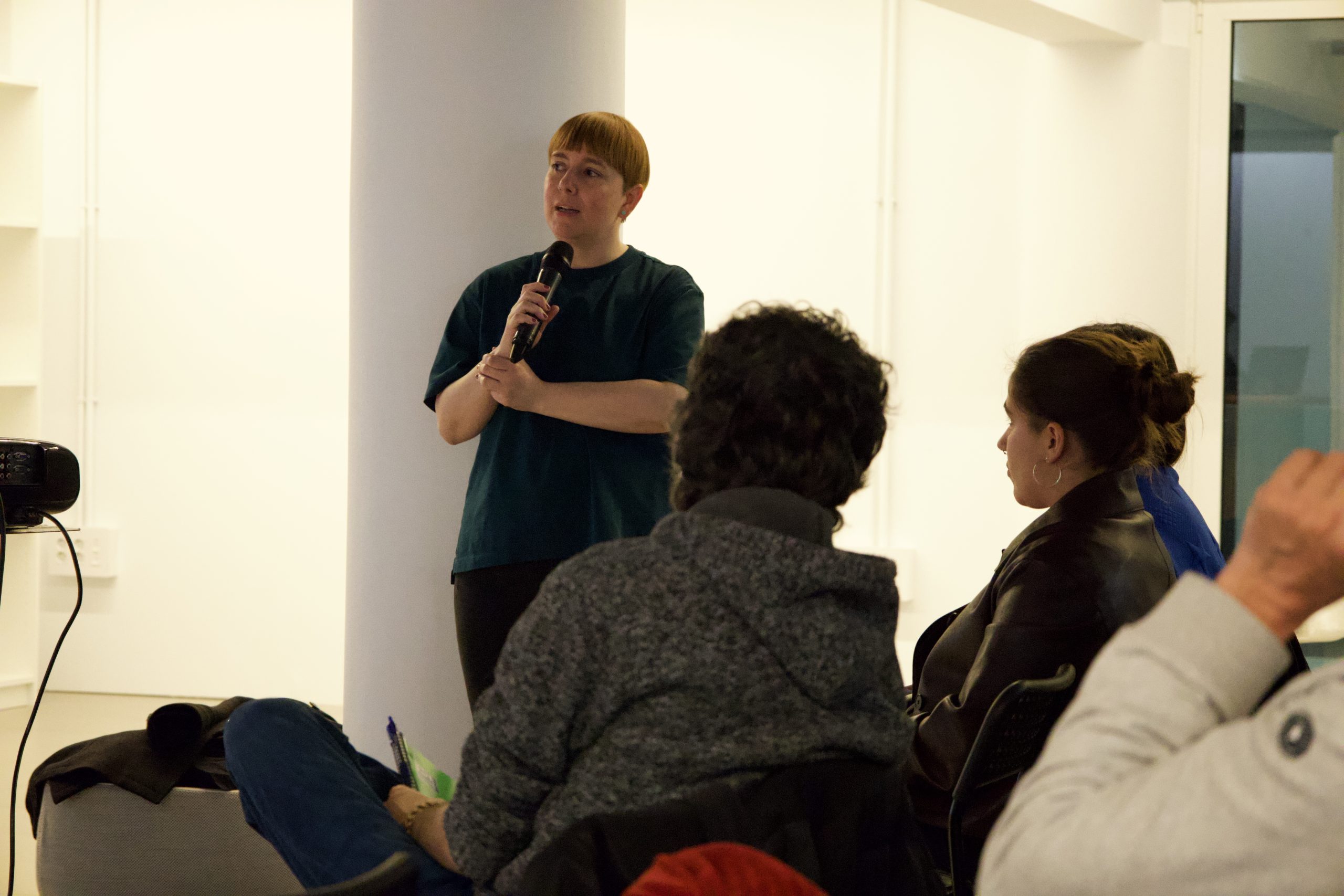
Video Interview: Dr. Justyna Górowska on Art, Water Ecologies, and the Symbiocene
Video Interview: Dr. Justyna Górowska on Art, Water Ecologies, and the Symbiocene
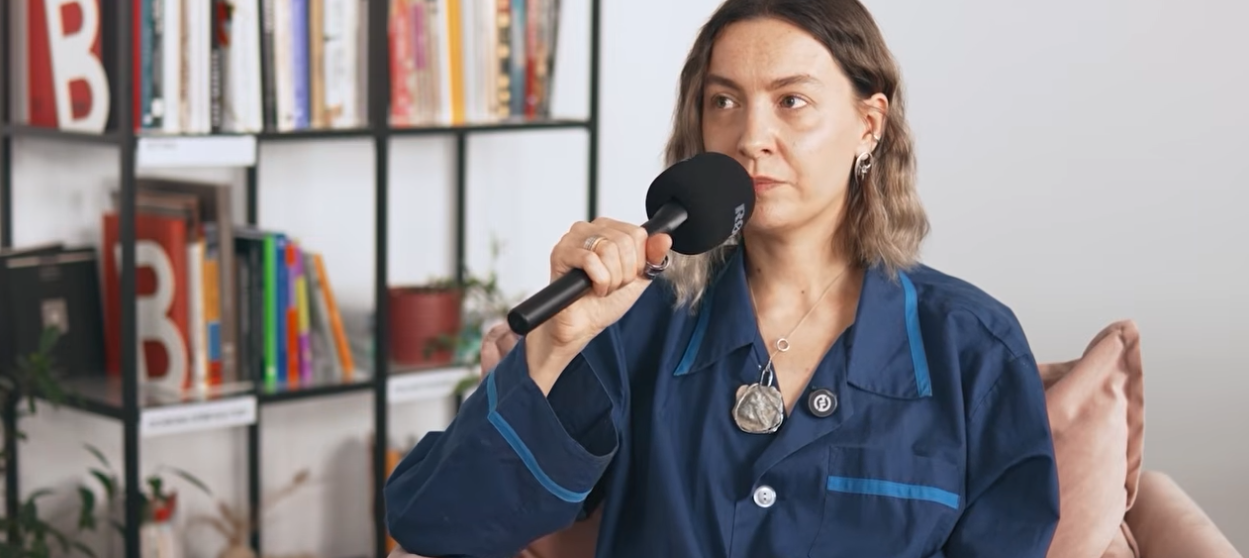
In this video interview, interdisciplinary artist Dr. Justyna Górowska offers an intimate look into her artistic practice developed within the international project Studiotopia 2. Commissioned by CSW ŁAŹNIA, the conversation traces the inspirations, research questions, and artistic strategies that shape her work at the intersection of performance, digital technology, and environmental thought.
Speaking from the experience of her residency, Górowska reflects on how contemporary art can illuminate the entanglements between human and non‑human bodies, particularly through the planetary water cycle.
New Perspectives on the Anthropocene: Territorial Agency and Dr. Damianos in Dialogue
New Perspectives on the Anthropocene: Territorial Agency and Dr. Damianos in Dialogue
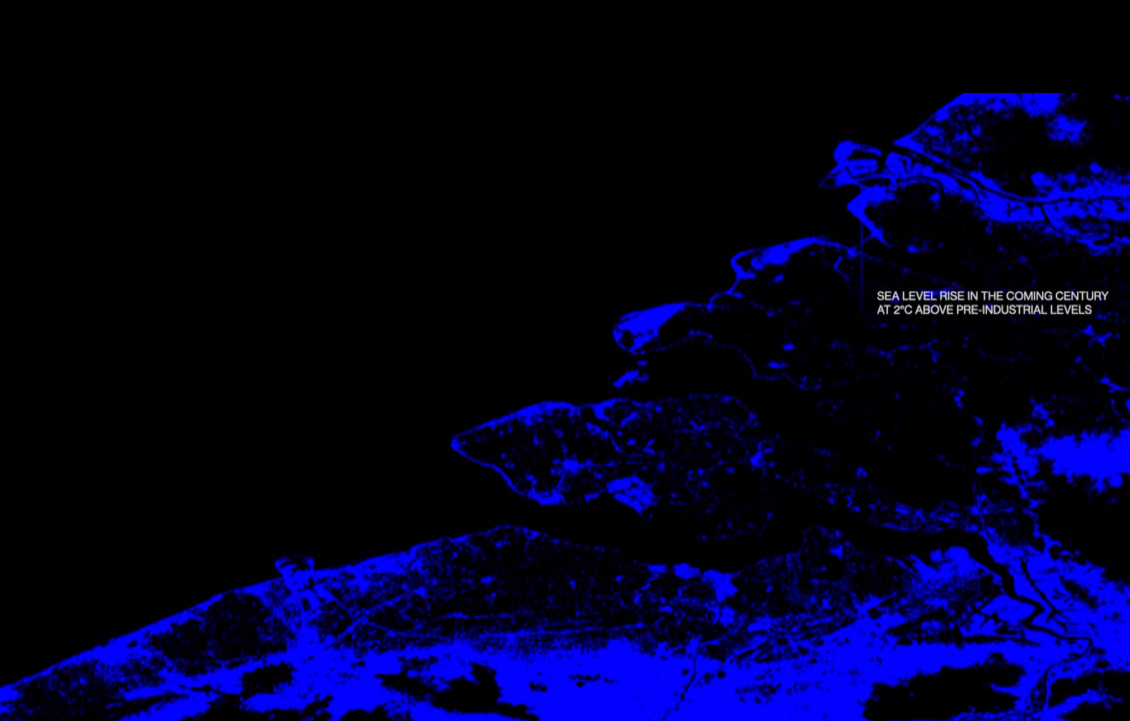
In a new video released within the STUDIOTOPIA 2 project, John Palmesino (Territorial Agency) and Dr. Alexander Damianos unpack the core ideas behind their project.
They discuss why the original Great Acceleration graphs, once groundbreaking visualisations of humanity’s impact on Earth systems, no longer capture the complexity of today’s planetary dynamics. Their dialogue brings together art, science and environmental governance, offering fresh insight into how we might visualise and understand the Anthropocene today.
The video invites viewers to explore how artistic research can help make global transformations visible and meaningful. Watch the full conversation to dive deeper into their perspectives.
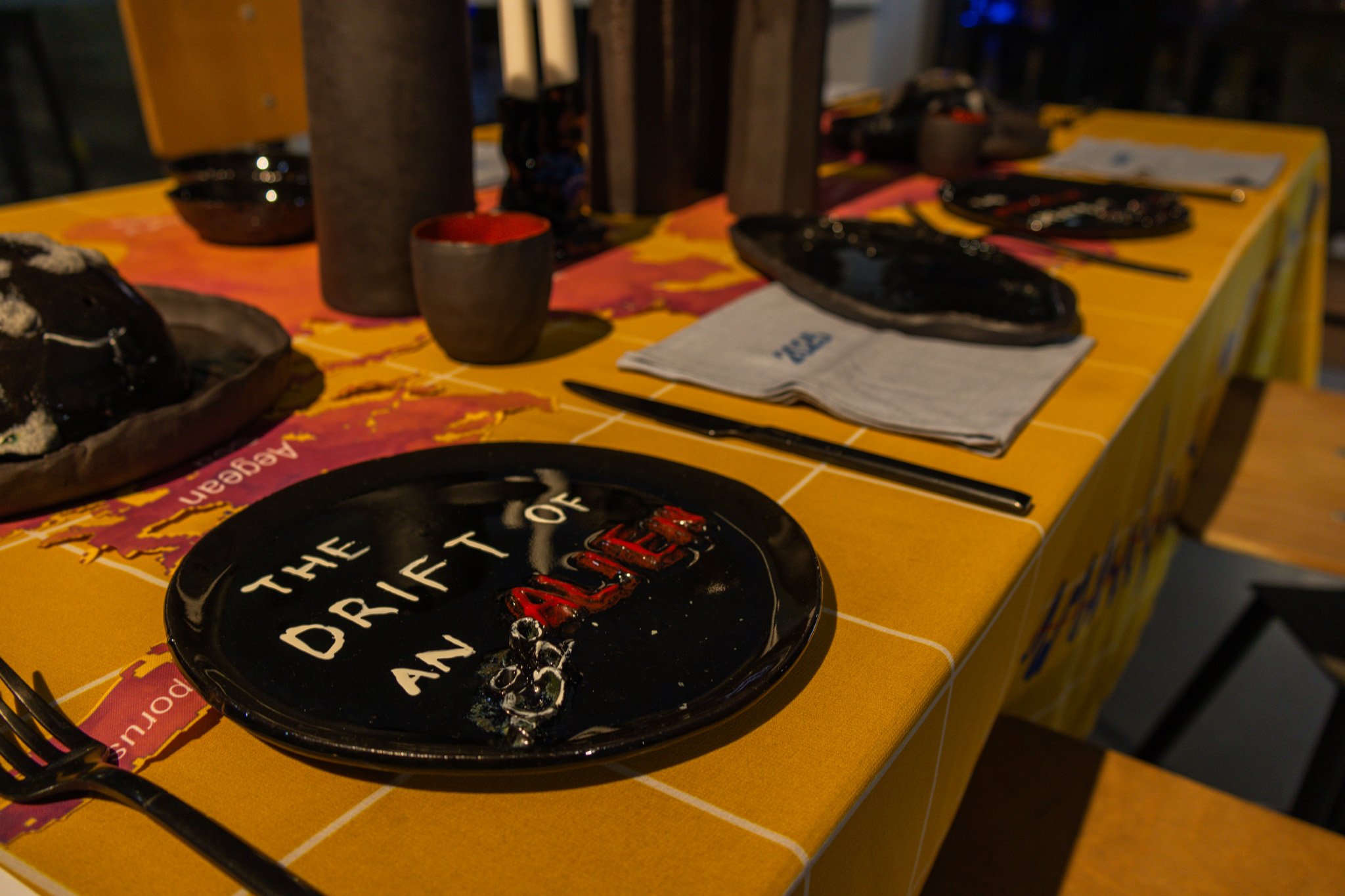
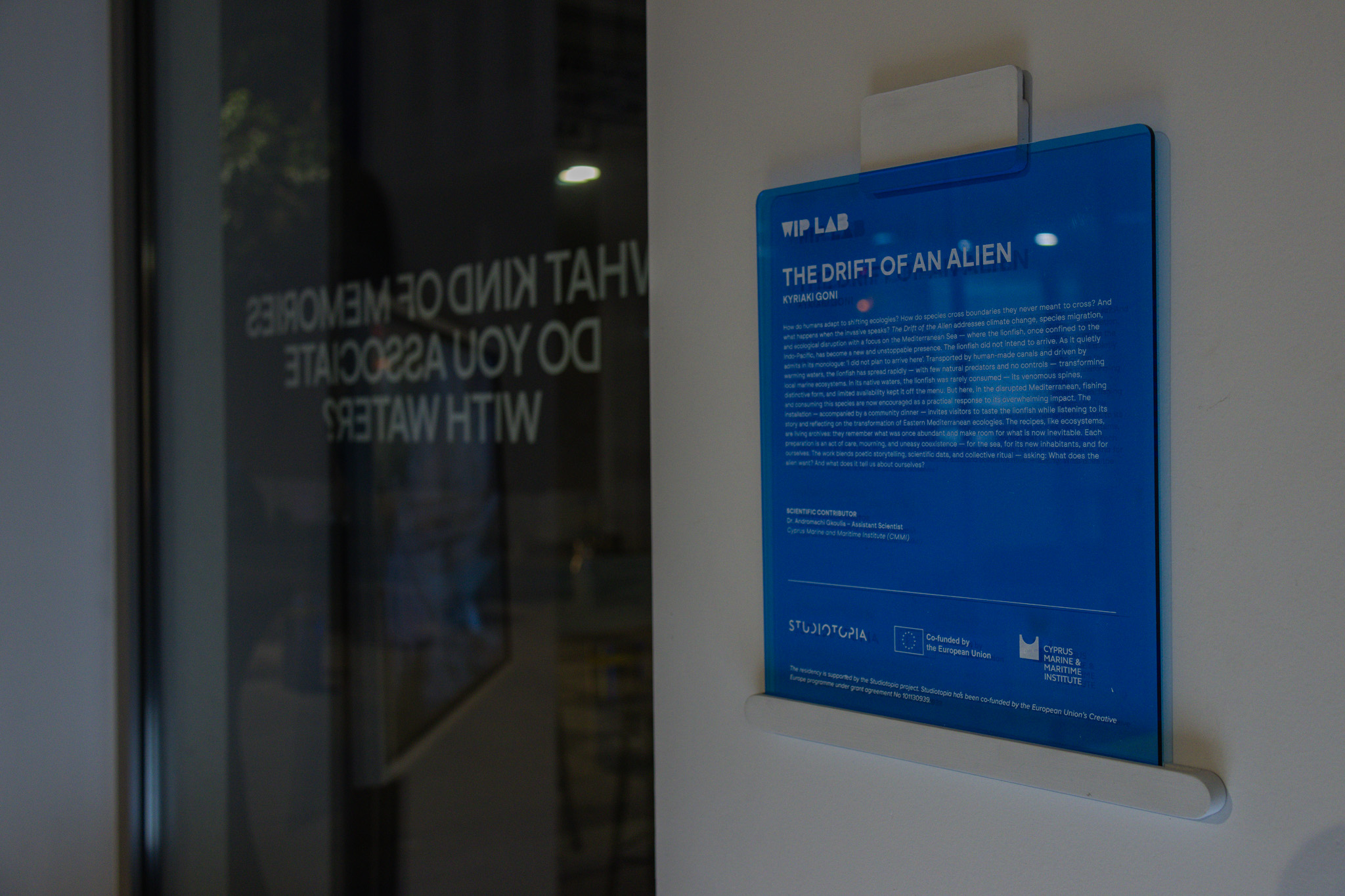
Artist Kyriaki Goni Joins Scientist Andromachi Gkoulia to Spotlight Alien Species in the Mediterranean
Artist Kyriaki Goni Joins Scientist Andromachi Gkoulia to Spotlight Alien Species in the Mediterranean @CYENS
At the WIP Lab 2025 Opening, audiences were introduced to the work of the STUDIOTOPIA artist‑in‑residence exploring marine alien species and climate change in the Mediterranean. Through a concise video interview, the artist outlined how warming seas, shifting migration routes, and human‑driven ecological pressures are transforming marine life across the region.
In the interview, Kyriaki highlights the urgency of understanding how climate change reshapes biodiversity below the surface, and how creative practice can help communicate these invisible shifts to wider publics. The presentation offered a first glimpse into a project that will continue to evolve throughout the residency, contributing to broader conversations on environmental awareness and Mediterranean futures.
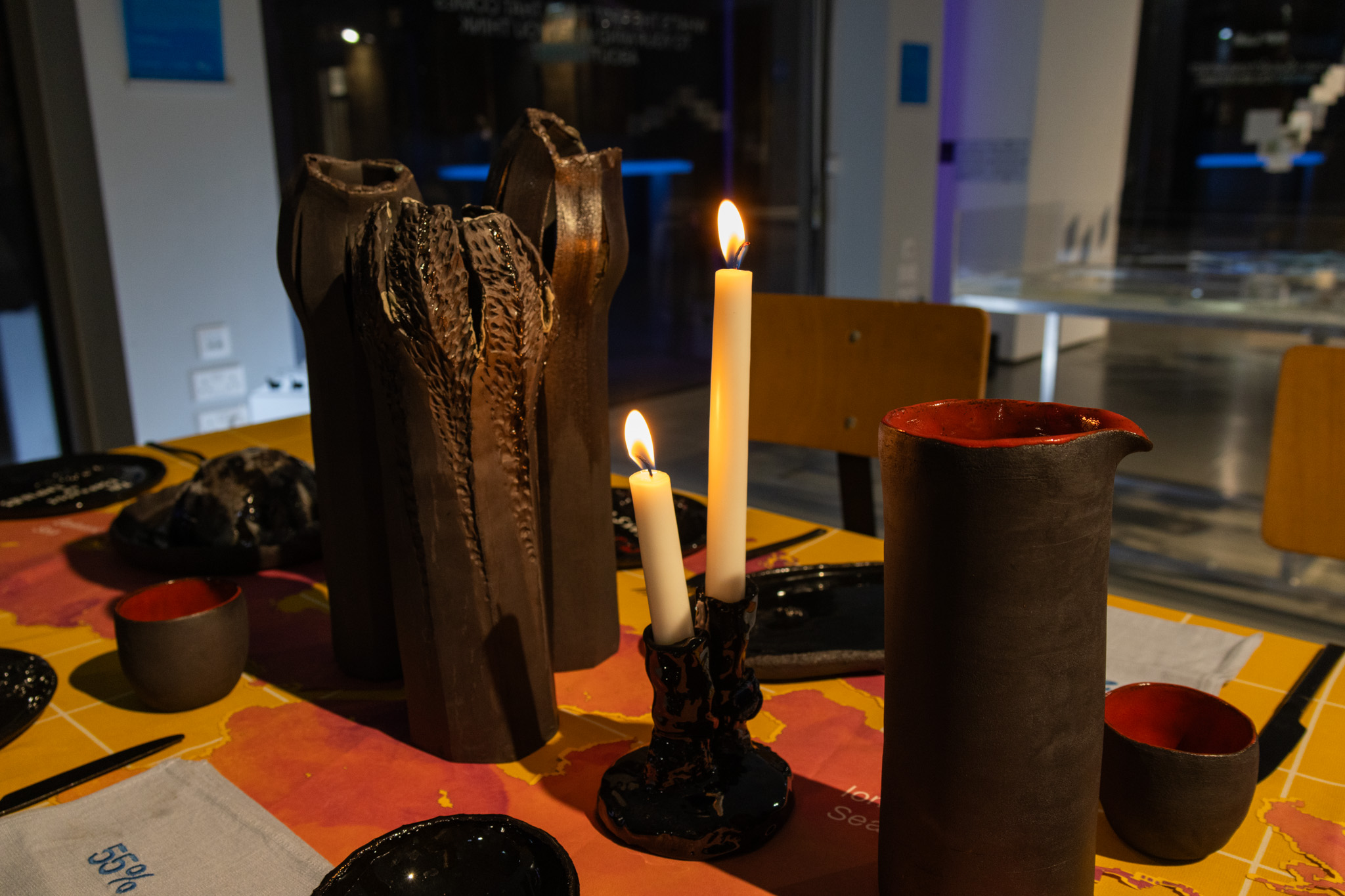
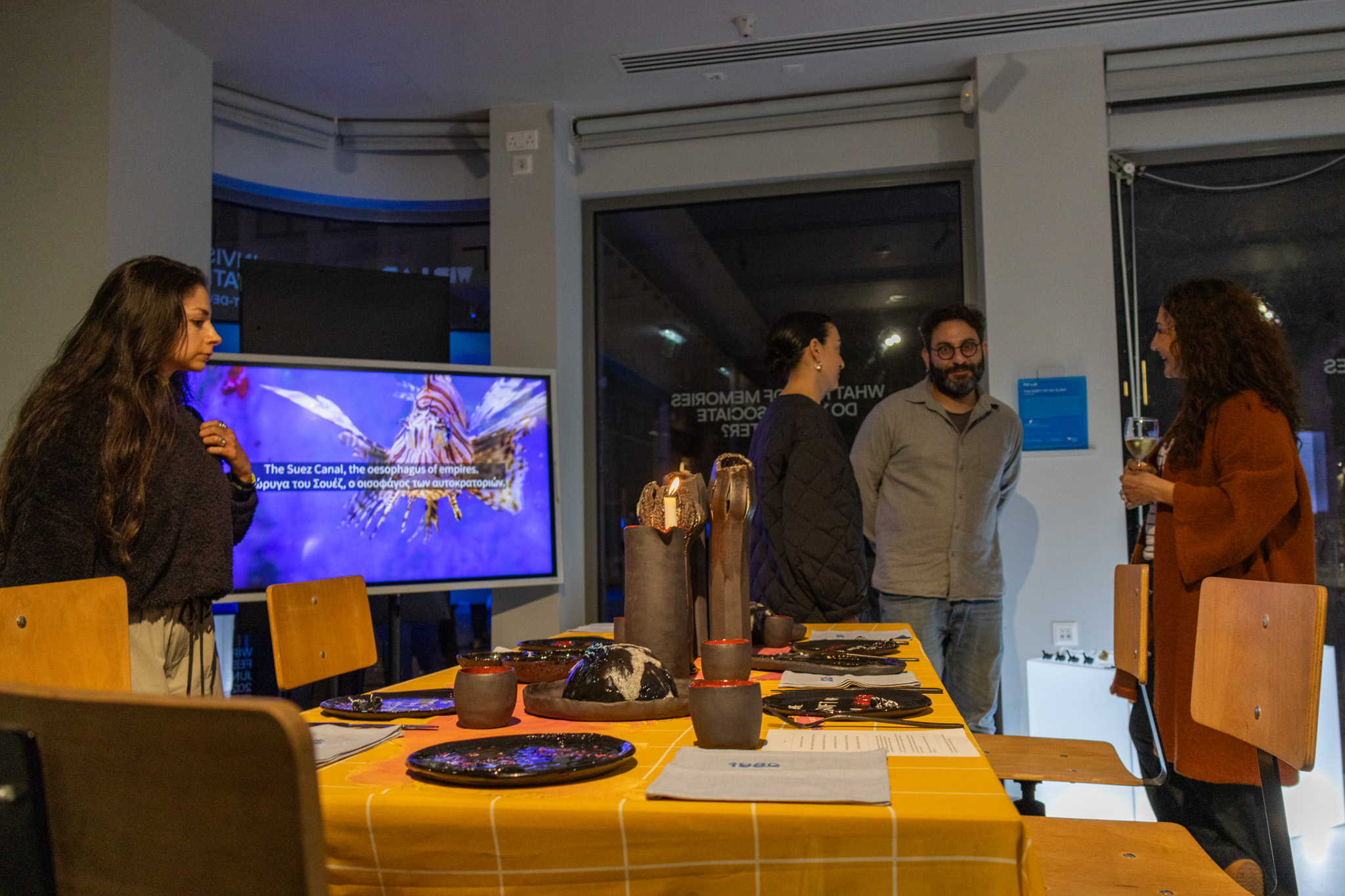
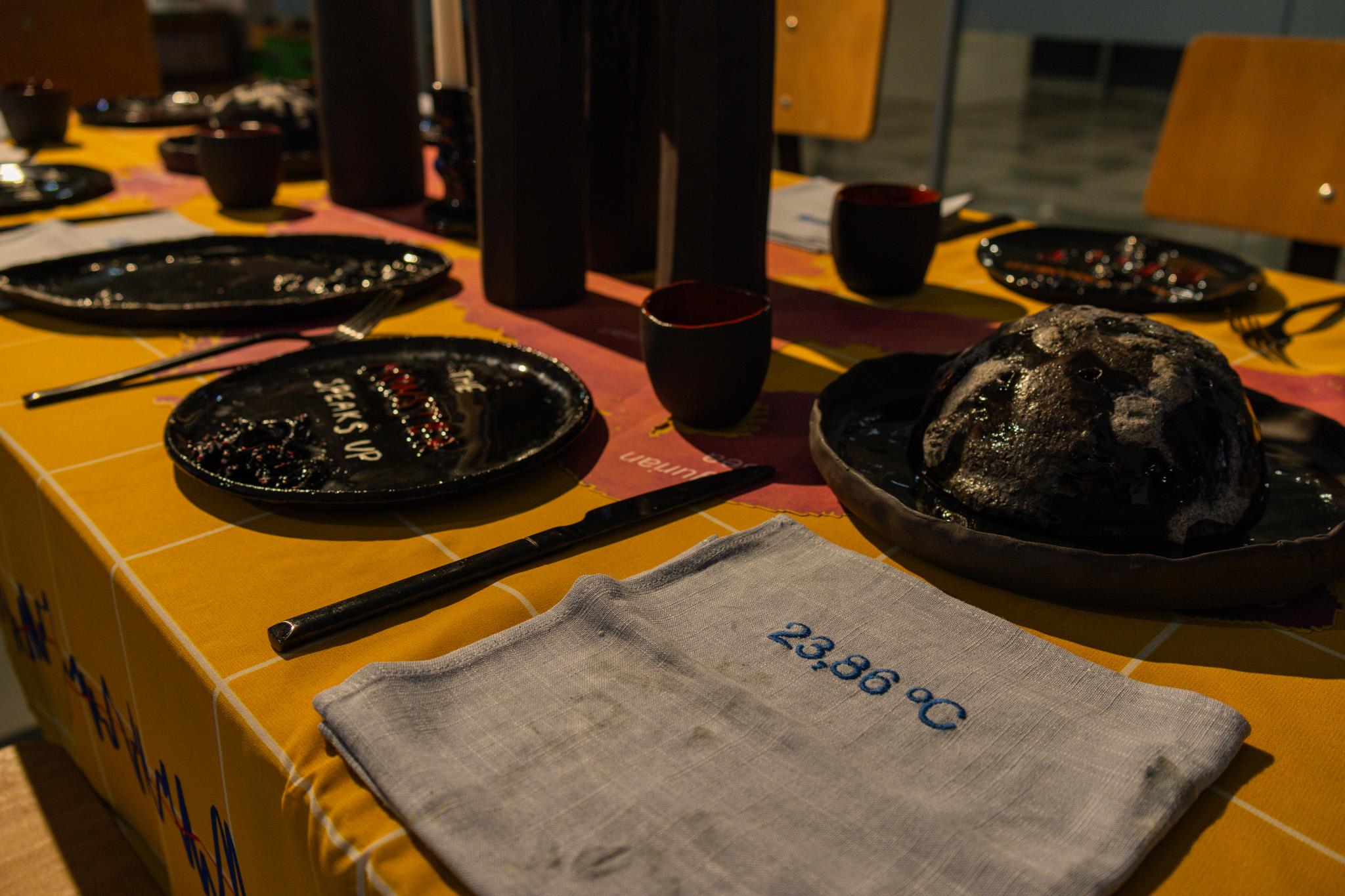
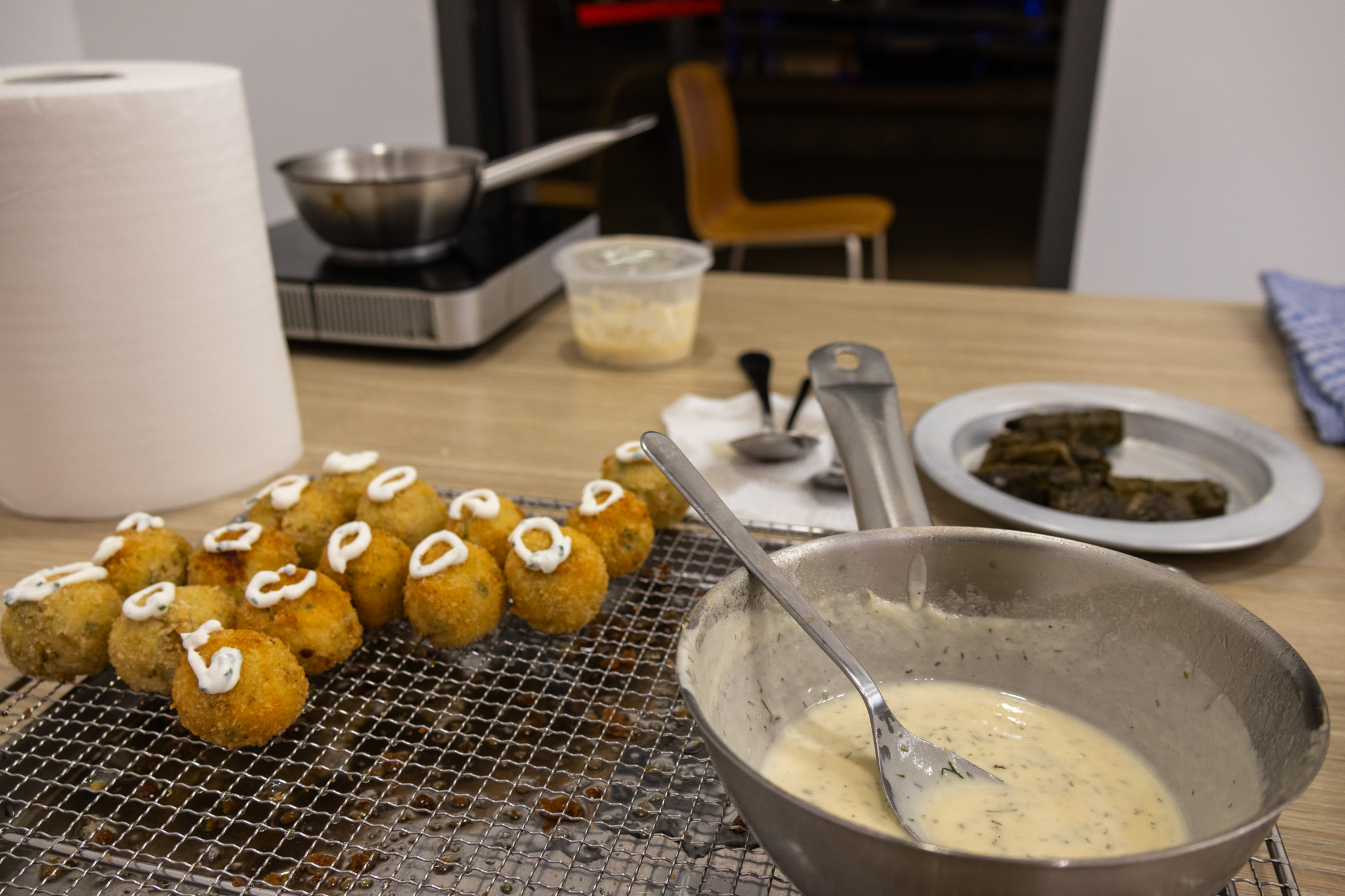
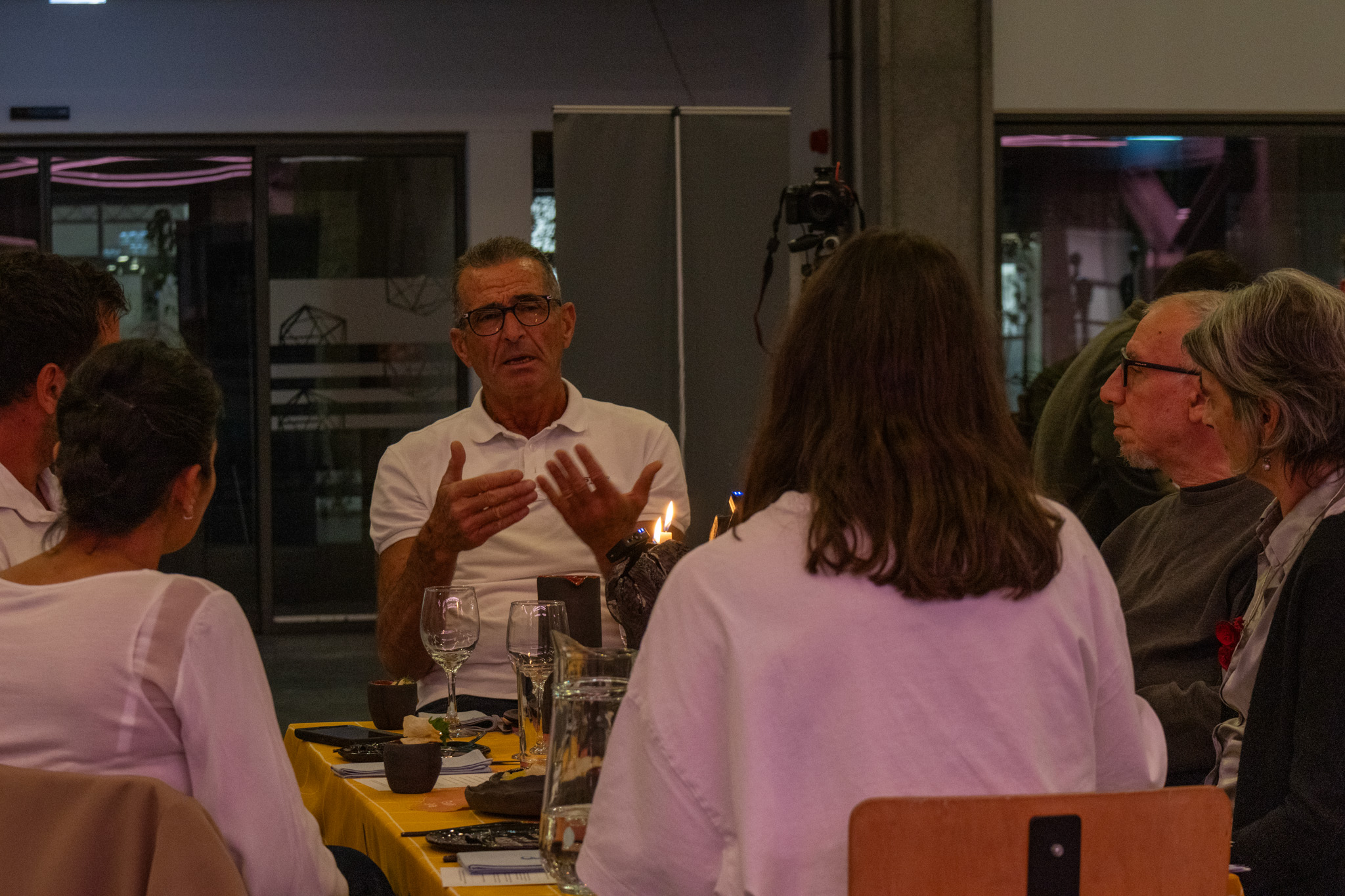
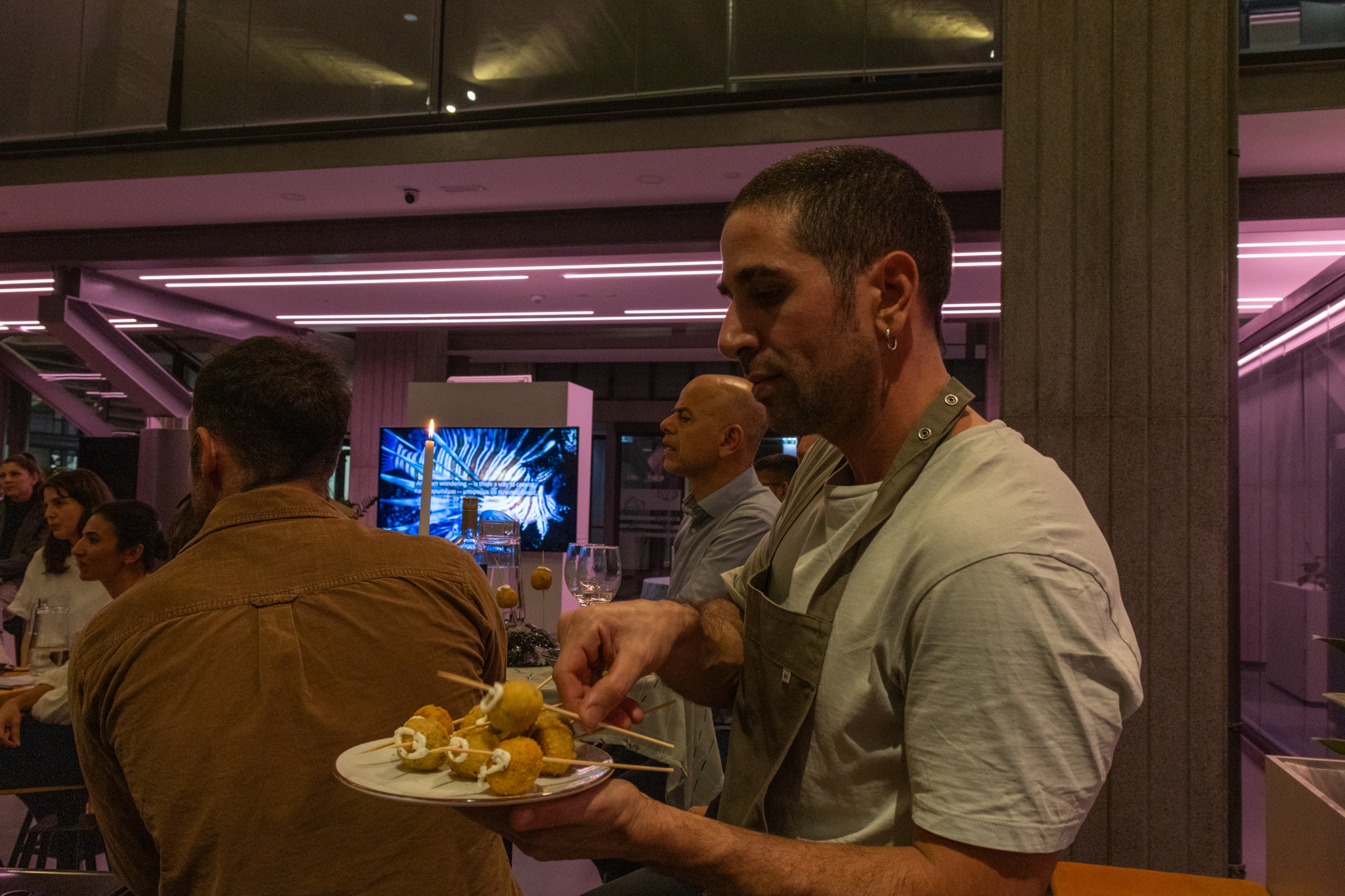
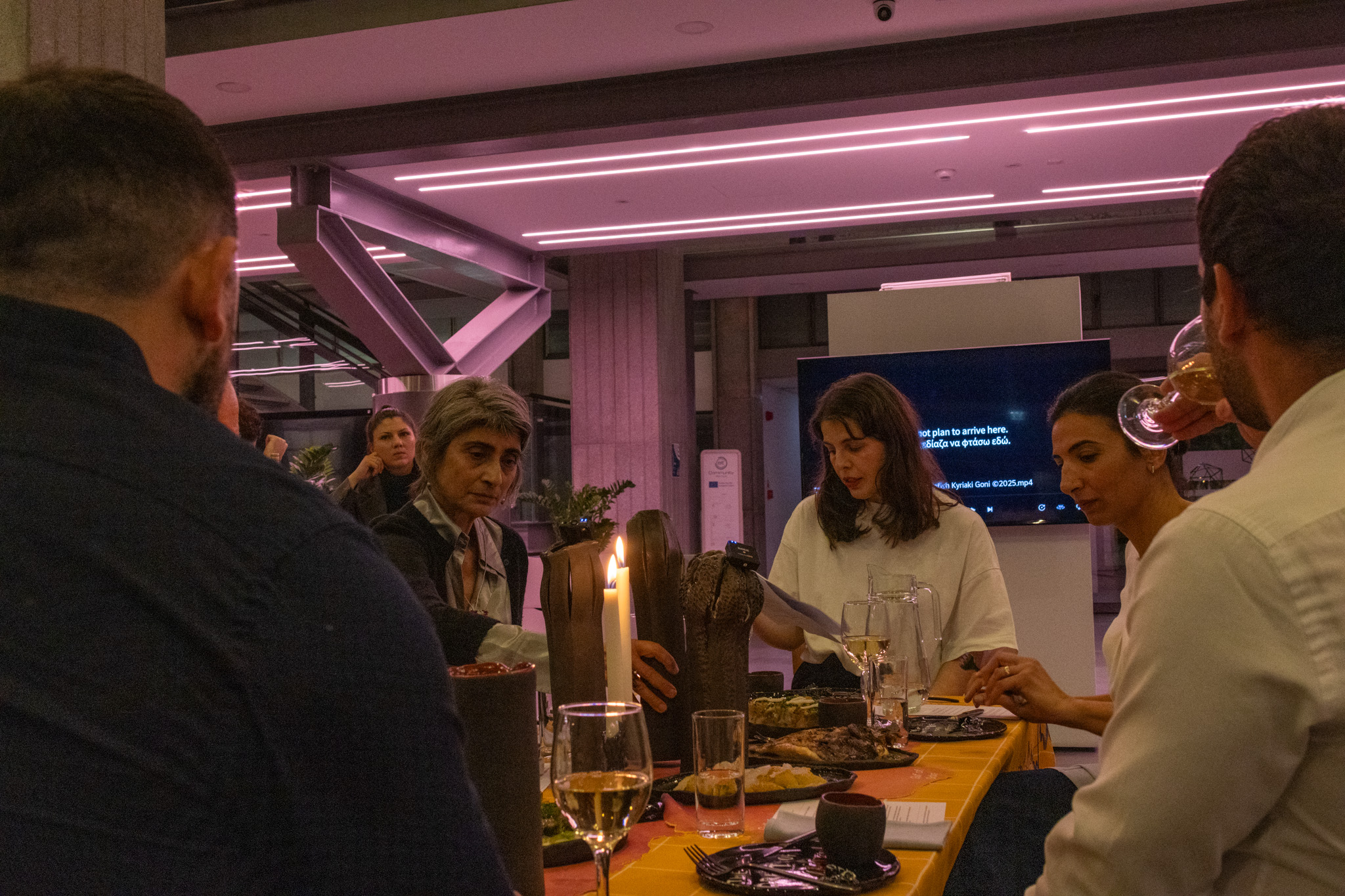
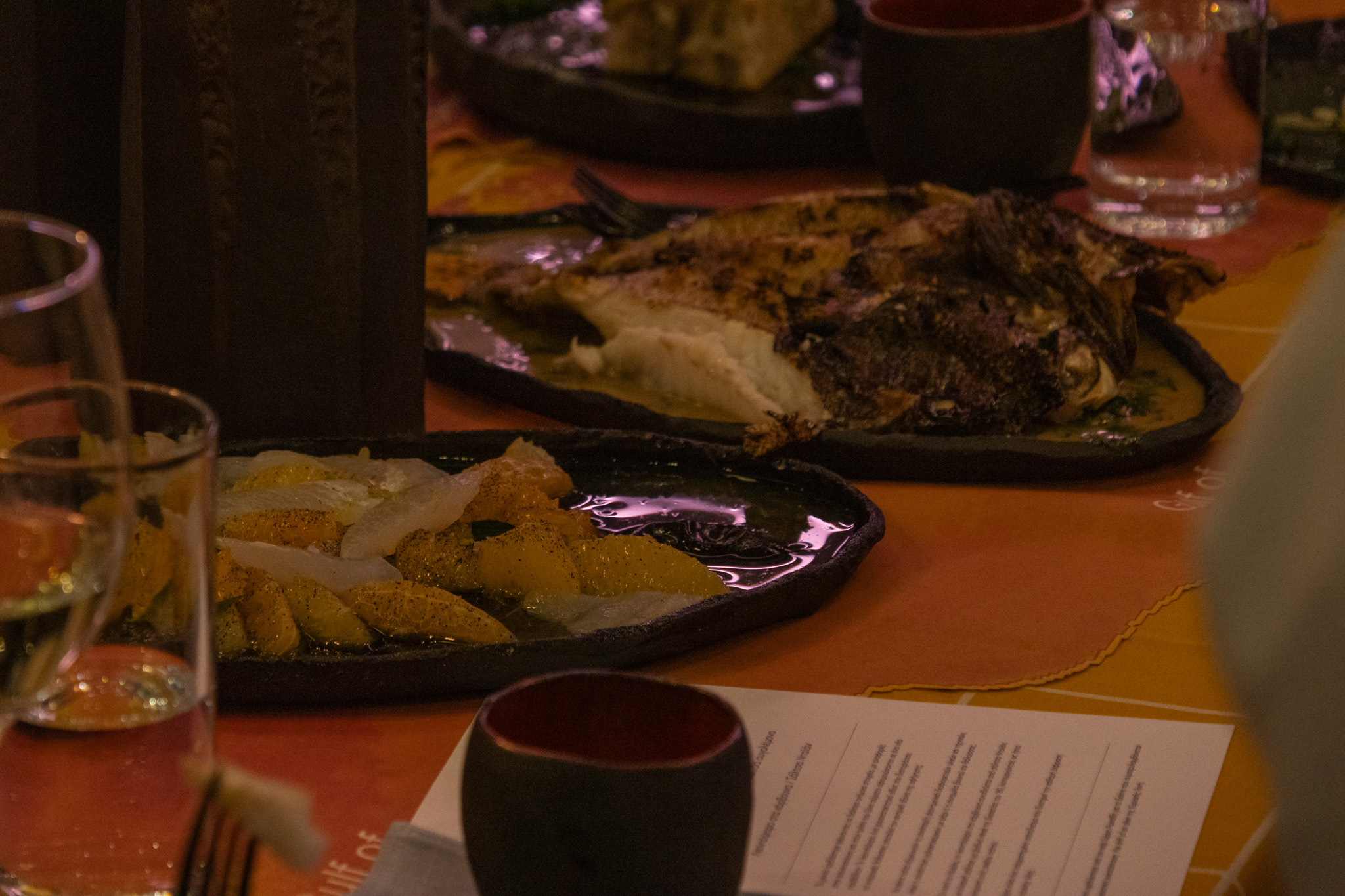
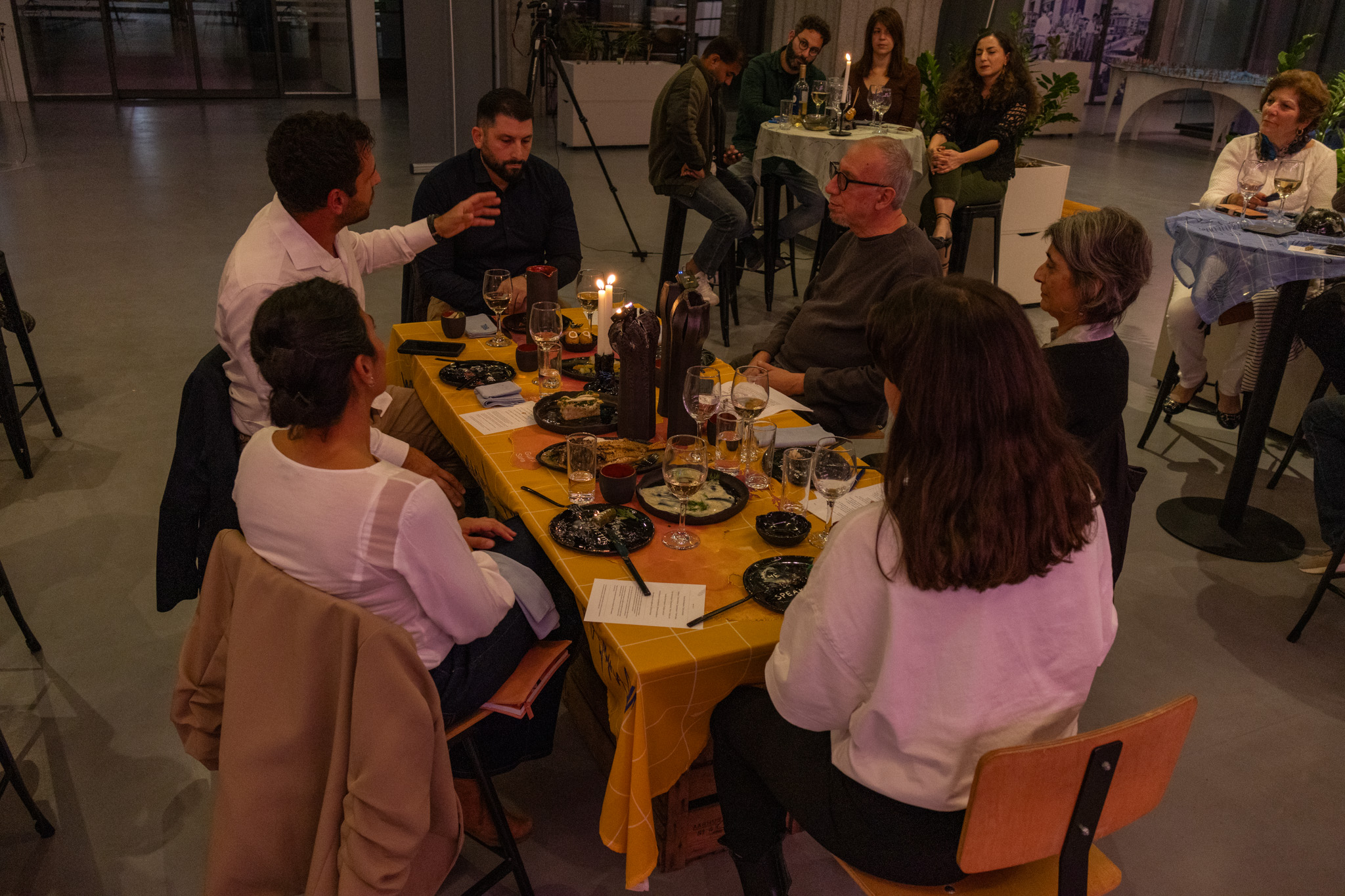
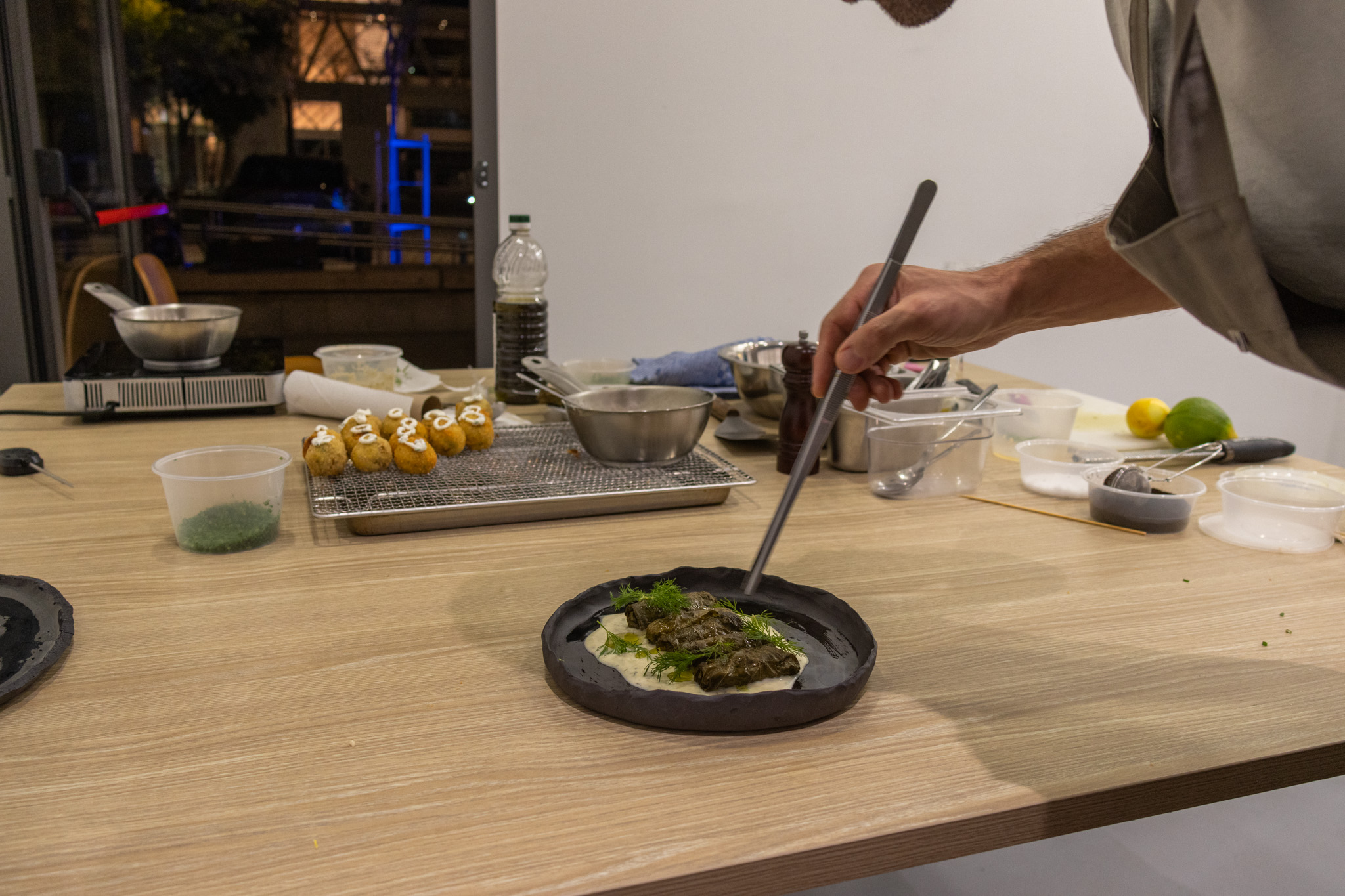
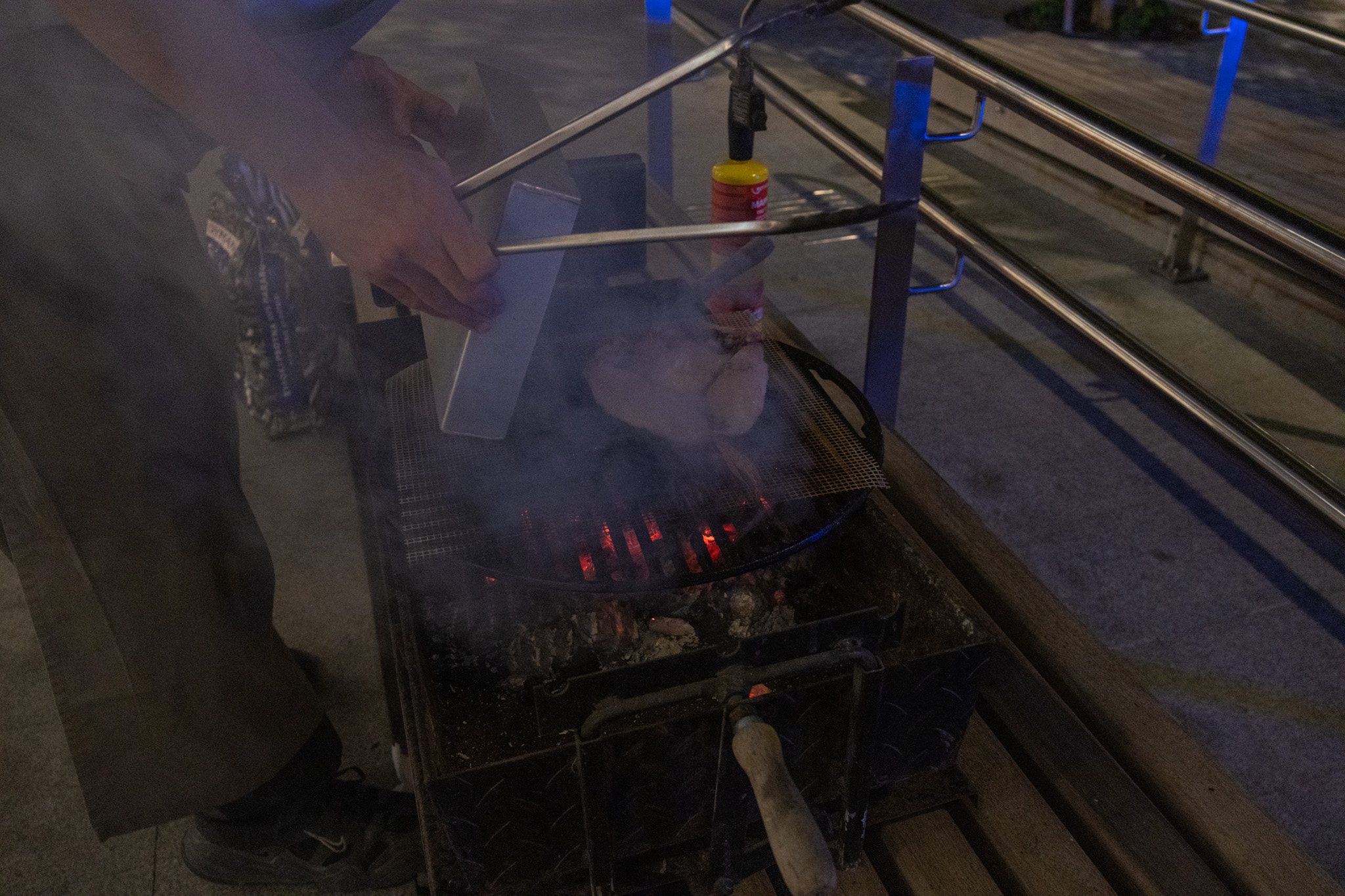
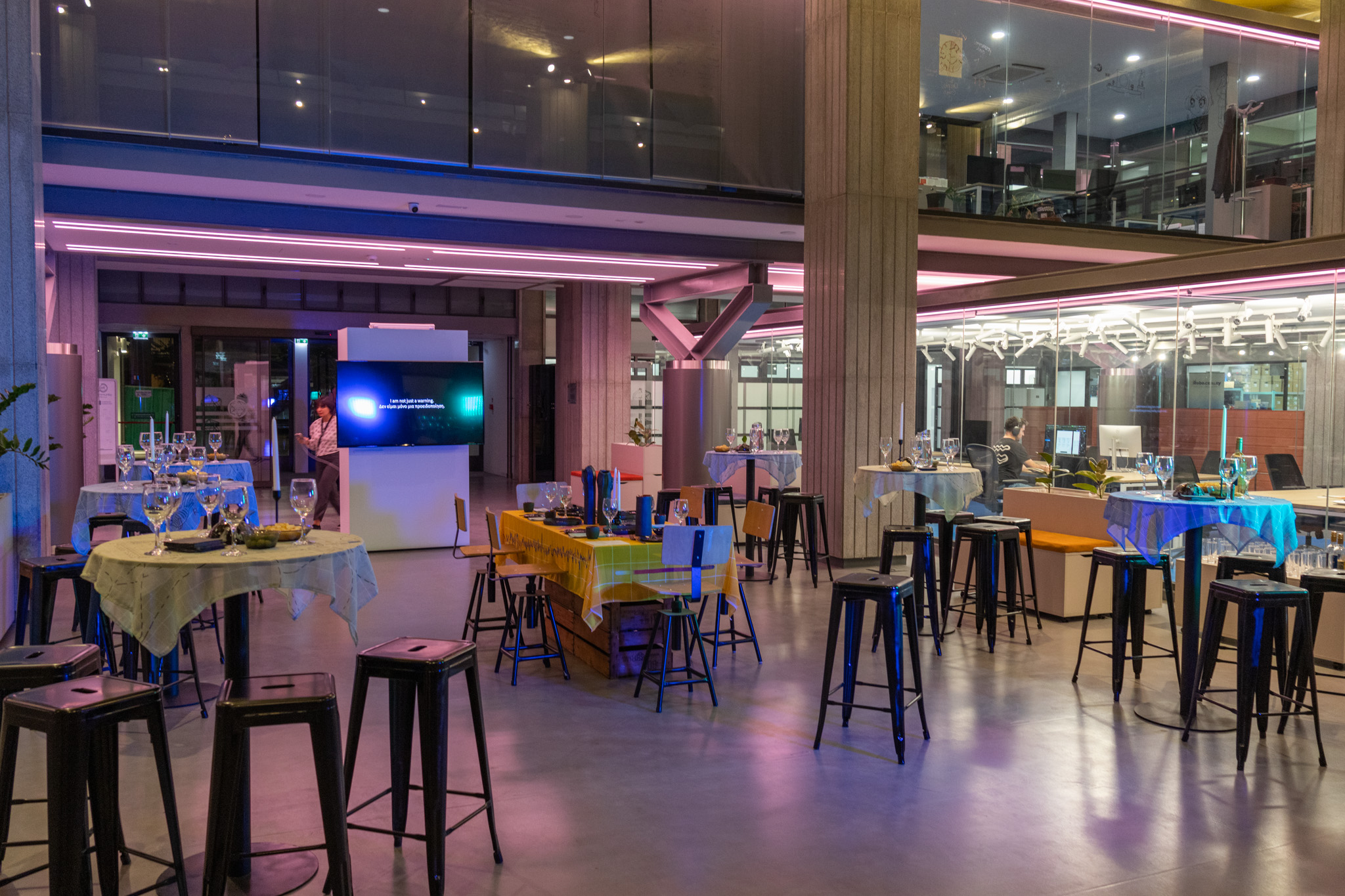
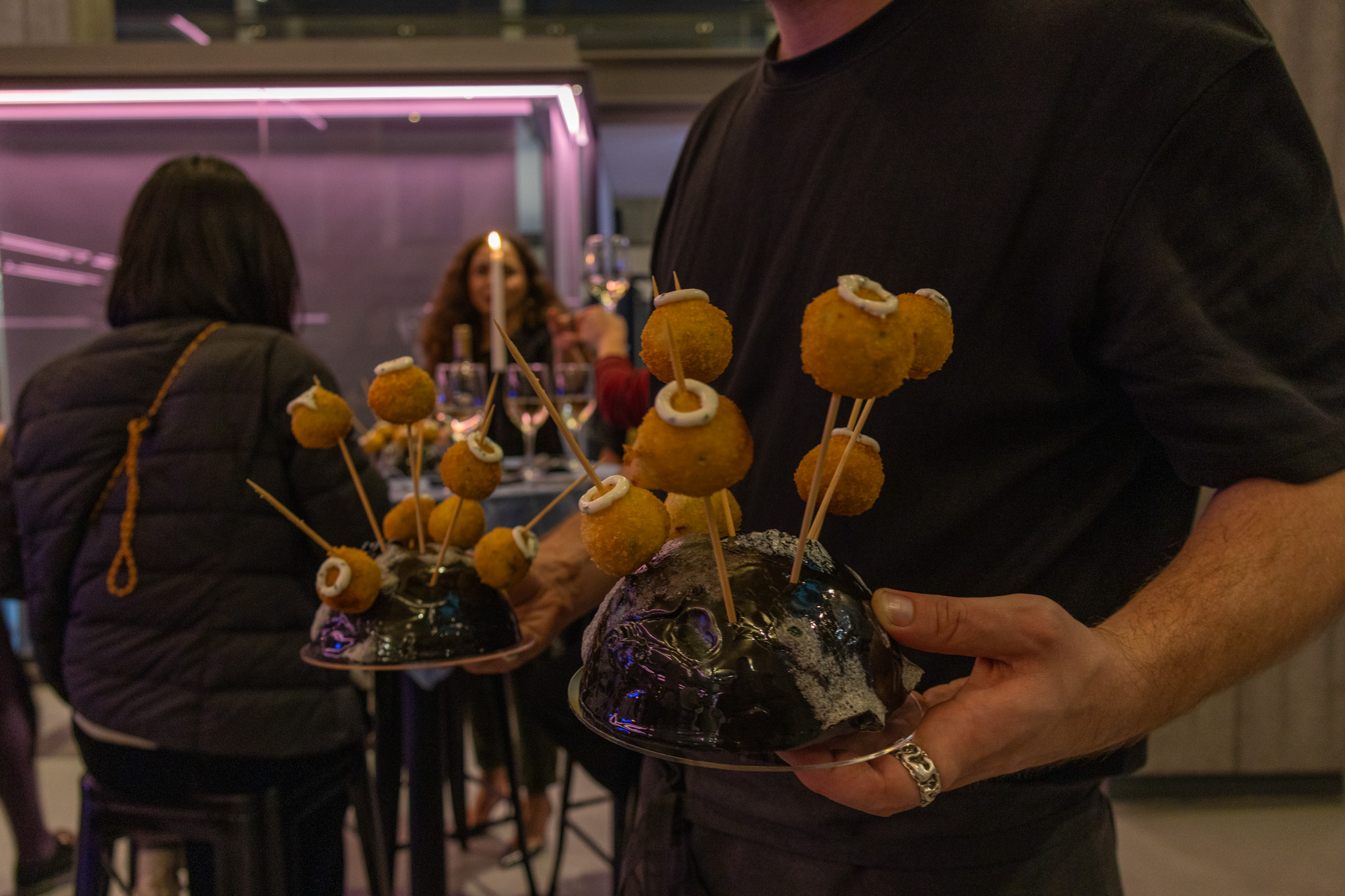
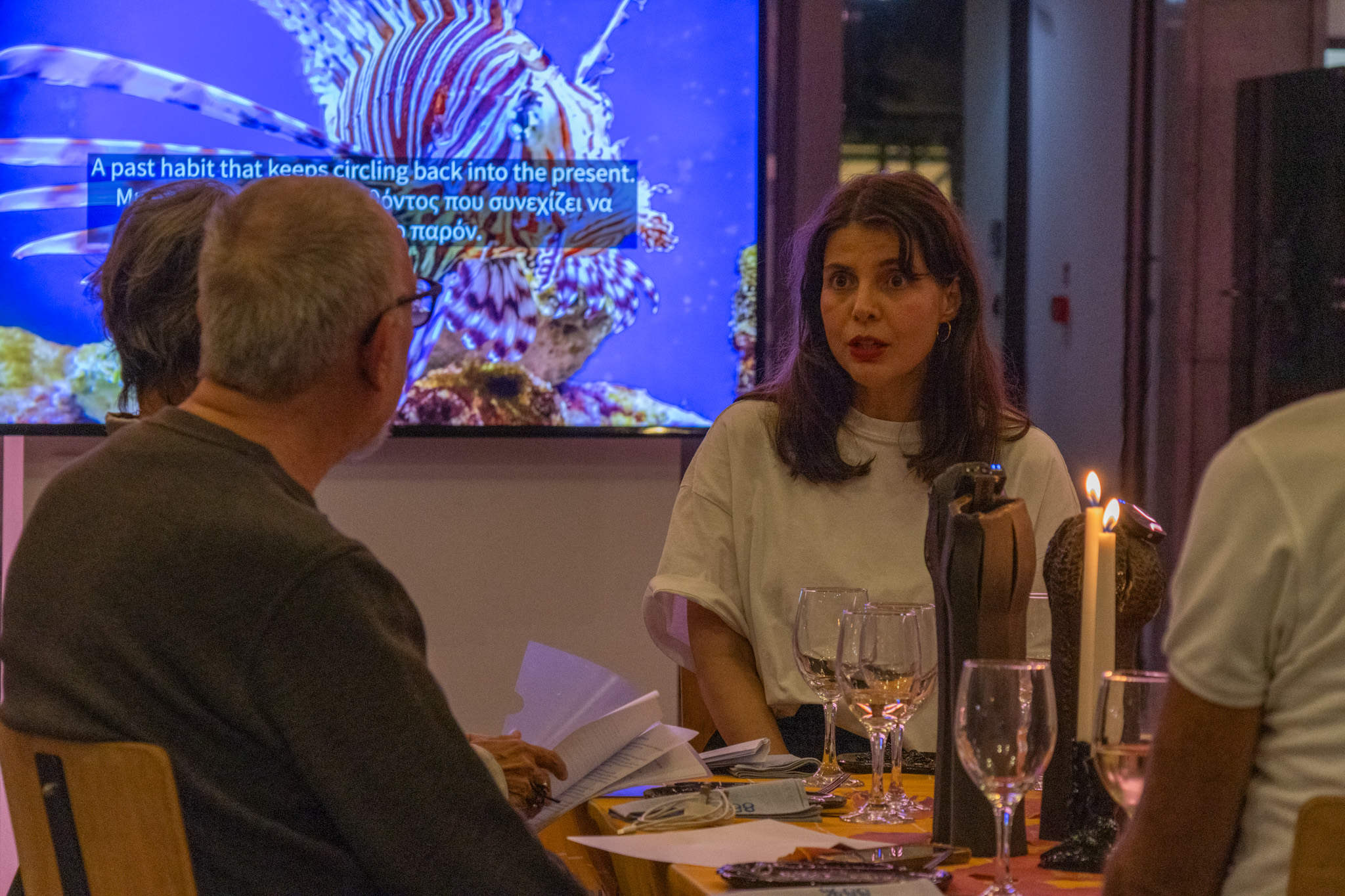
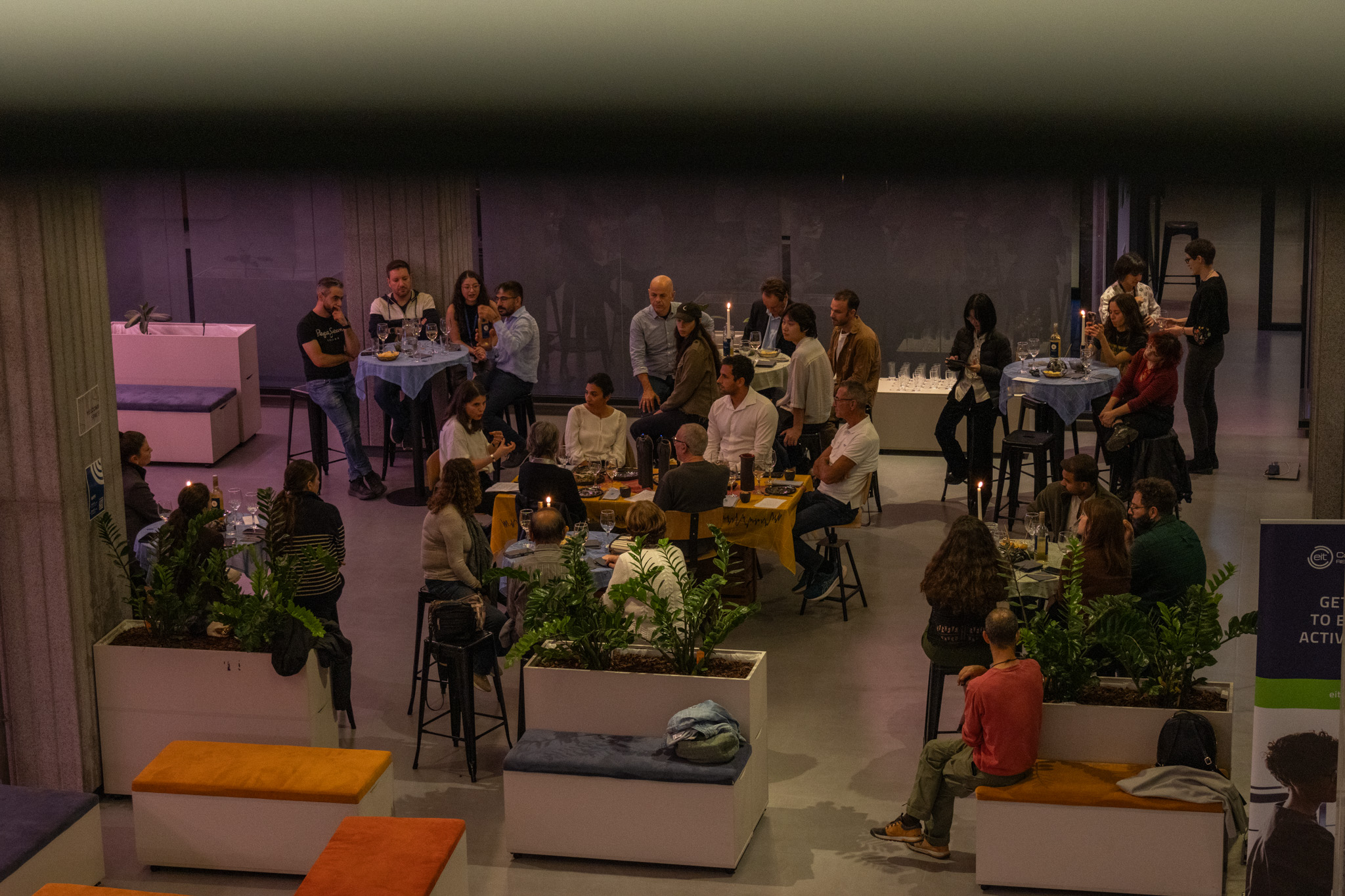
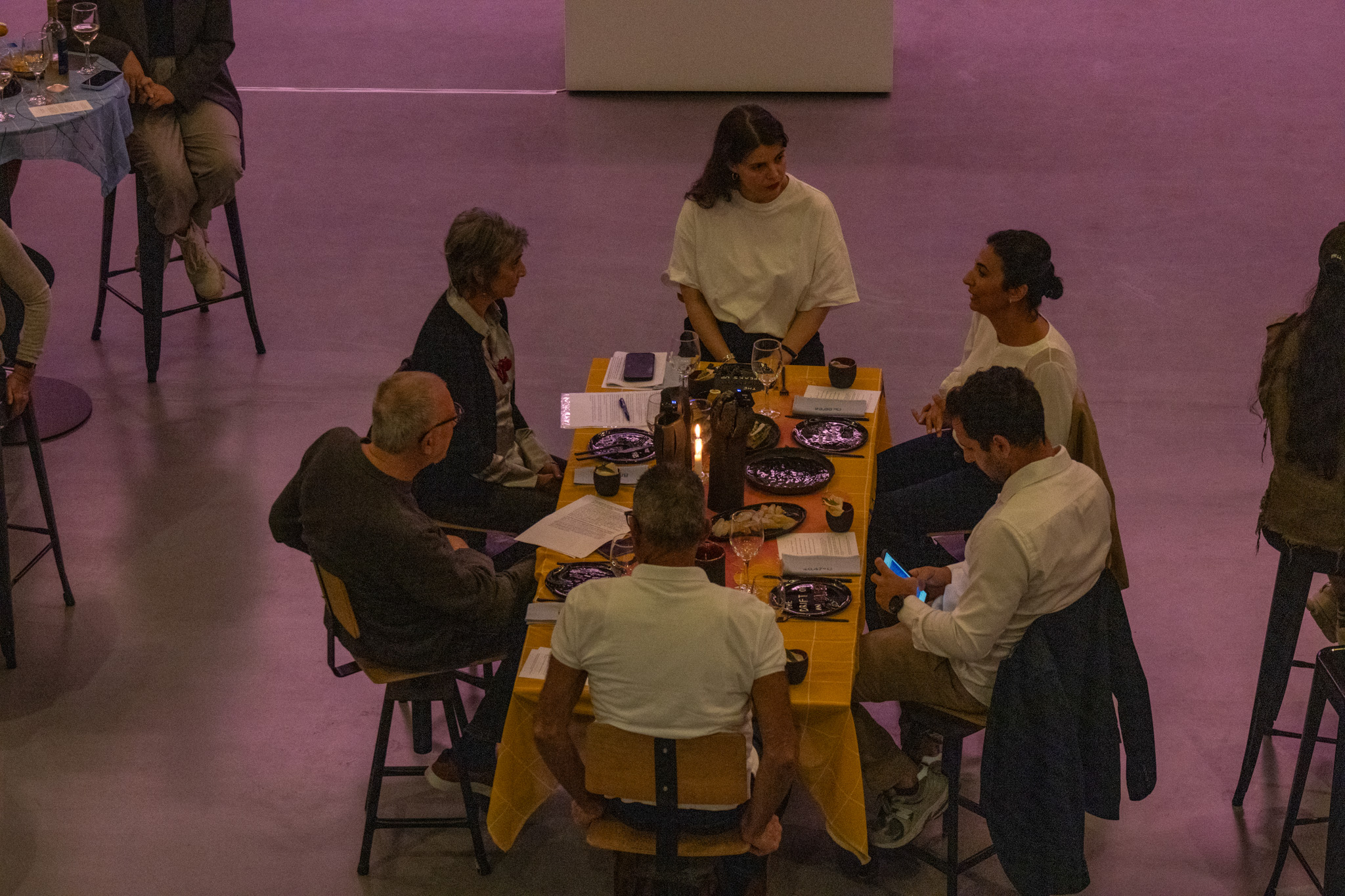
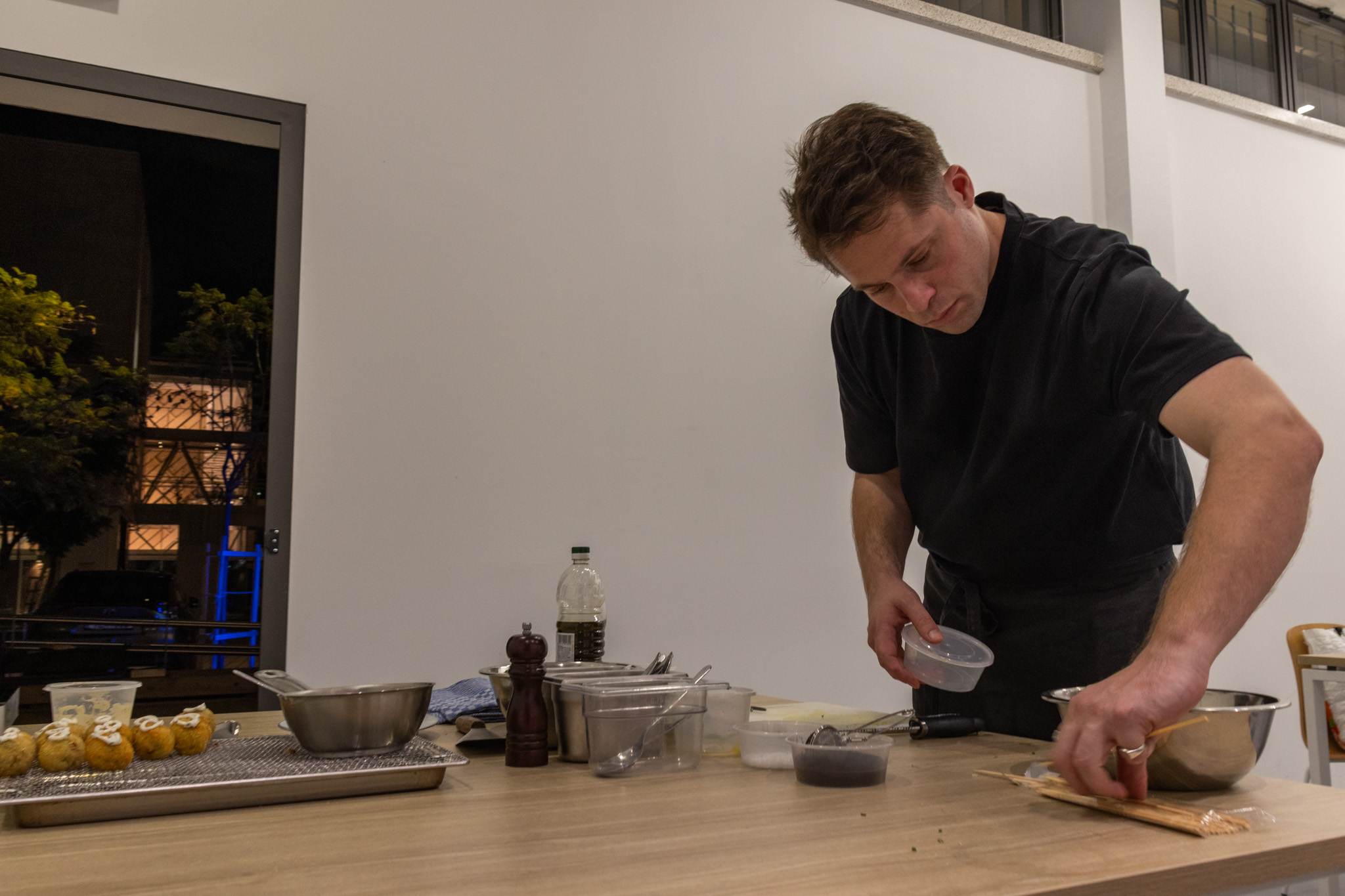
The themes of their work were woven into the dinner and open discussion, where guests explored how species move, adapt, and reshape environments under climate stress. The event provided a shared platform for connecting marine research with artistic perspectives and public dialogue.
Inside the Artist’s Vision: Miguel Teodoro on Water Scarcity in Cyprus
Inside the Artist’s Vision: Miguel Teodoro on Water Scarcity in Cyprus
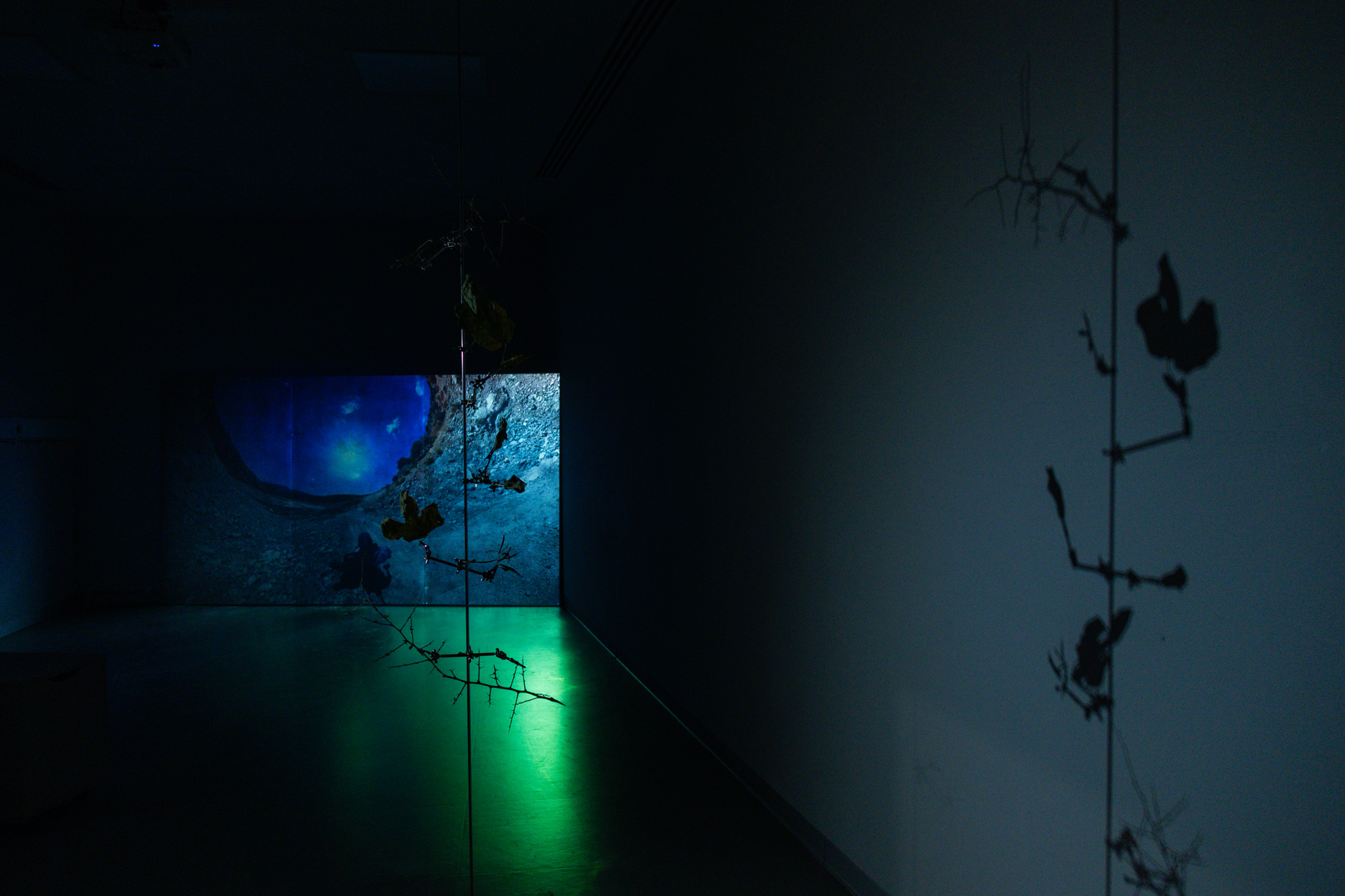
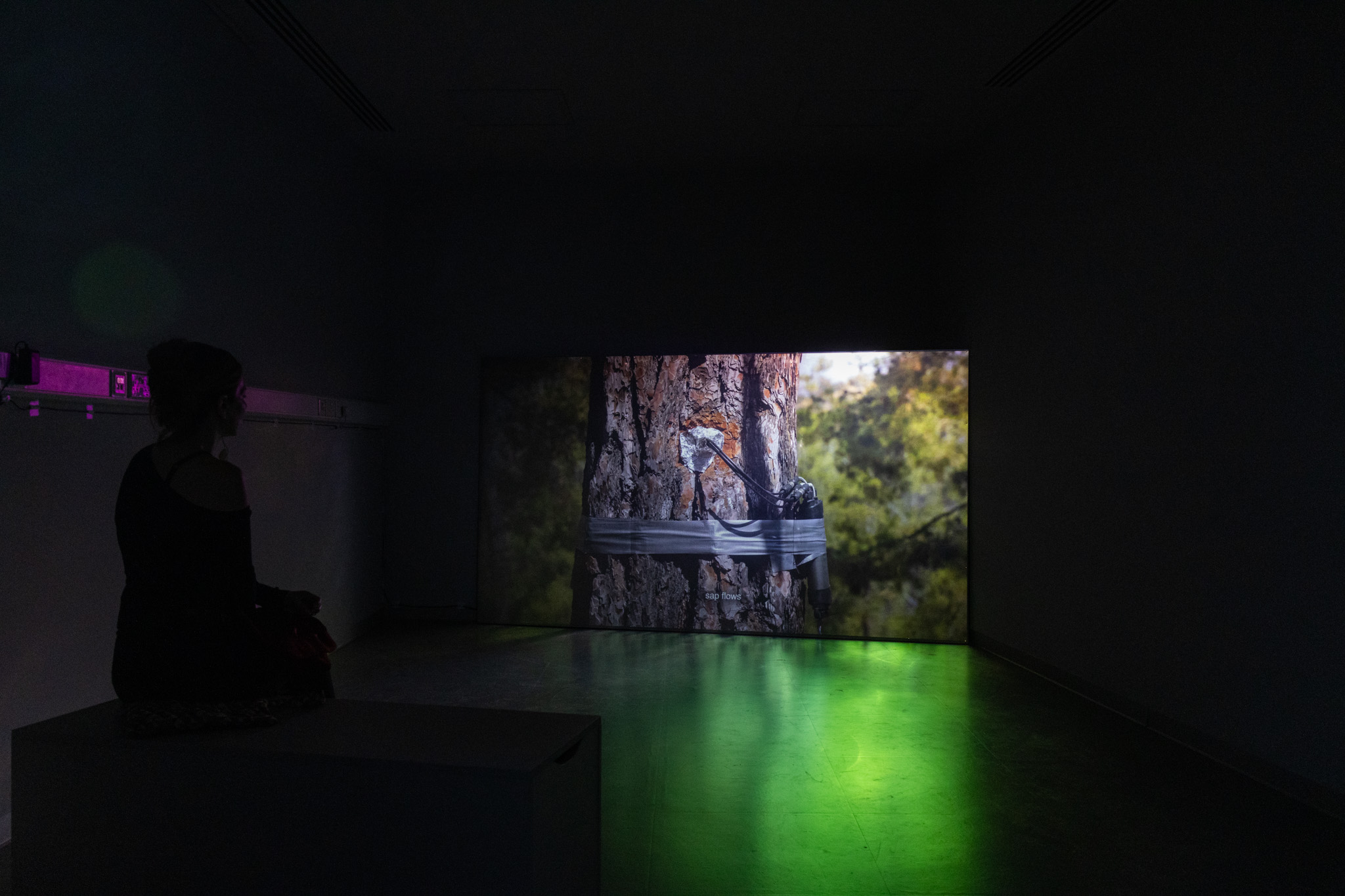
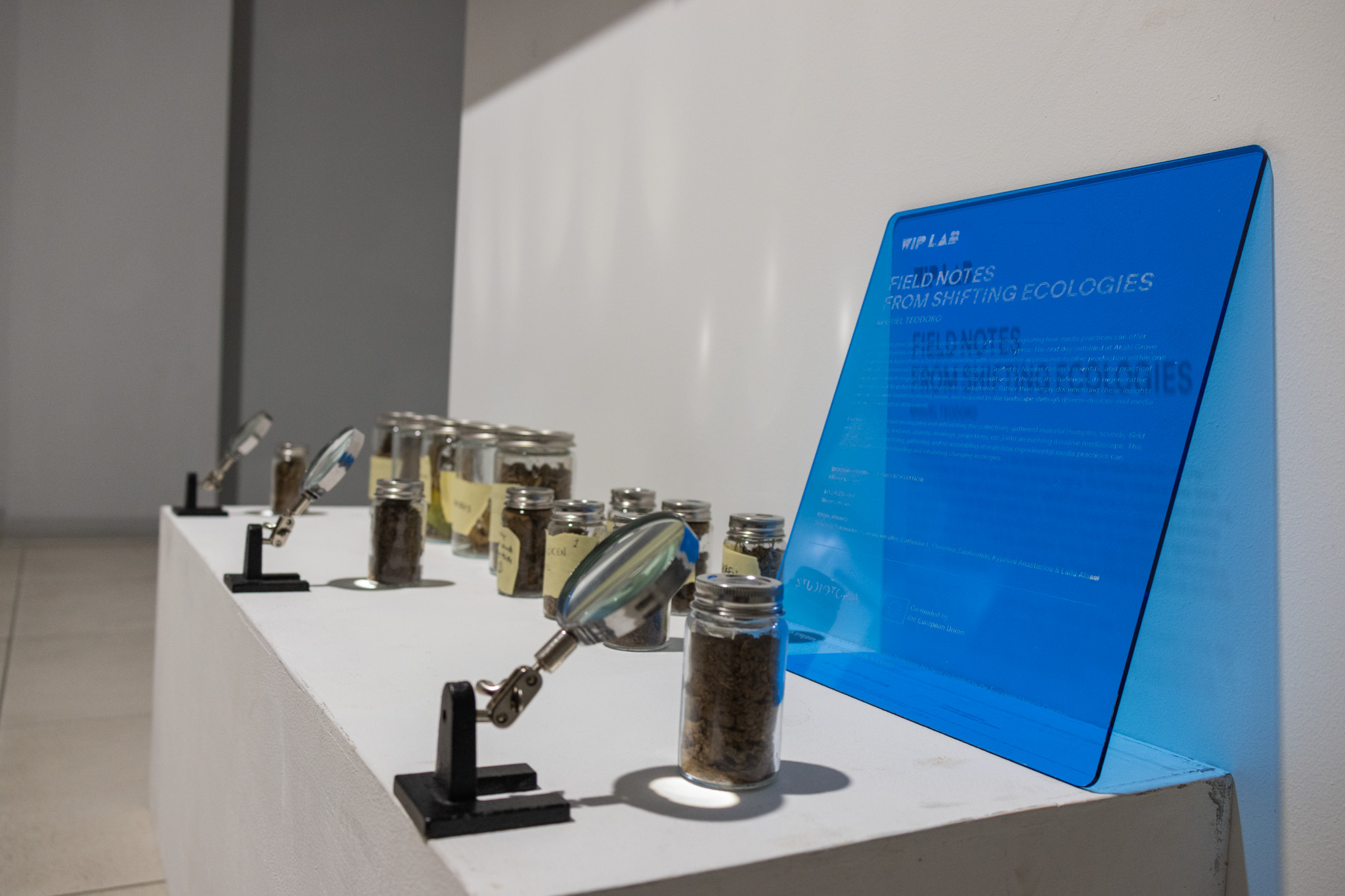
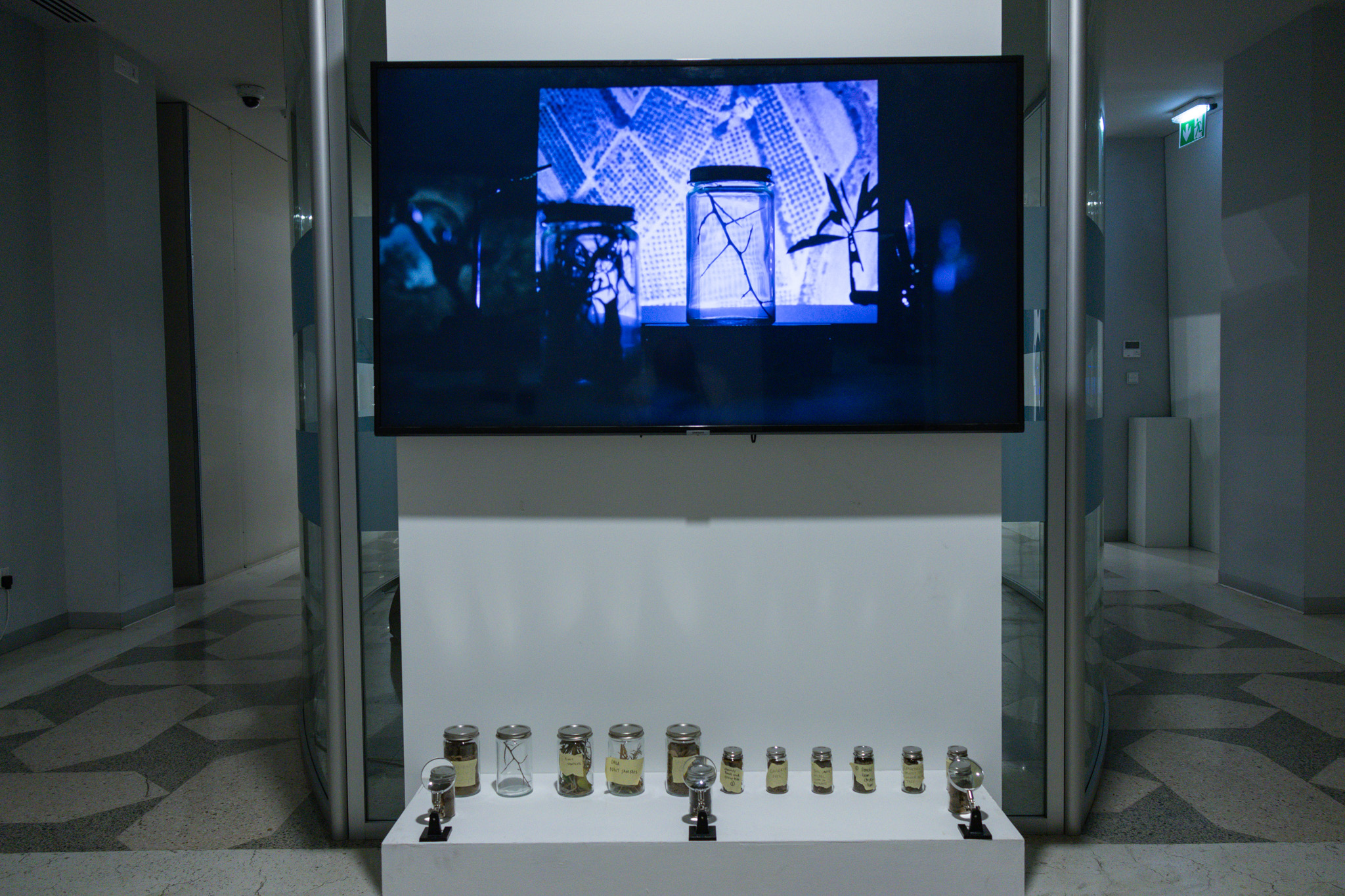
At the opening of the WIP Festival, artist Miguel Teodoro presented an early insight into his ongoing STUDIOTOPIA residency project Preparing for Drought: Addressing Water Scarcity and Desertification in Cyprus.
Through a short video interview below, you can get to know more insight into the project that investigates how drought, soil degradation, and shifting climate patterns shape both the landscape and daily life on the island. Working closely with scientists such as George Zittis, local communities, and regenerative agriculture practitioners, Teodoro gathers field samples, documents environmental traces, and translates these observations into visual and material experiments.
Workshop that Explored Water Scarcity Through Art, Science, and Field Research
Workshop that Explored Water Scarcity Through Art, Science, and Field Research
A two‑day Pop‑Up Lab workshop, held on 20-21 November 2025 as part of the WIP Festival that took place in the CYENS Centre of Excellence (Cyprus), brought university students into direct contact with the ecological realities of water scarcity and desertification in Cyprus.
Led by artist Miguel Teodoro, the workshop combined scientific insight, hands‑on fieldwork, and creative interpretation to help participants understand how shifting ecologies shape everyday life on the island.
Immersive Fieldwork in Akaki
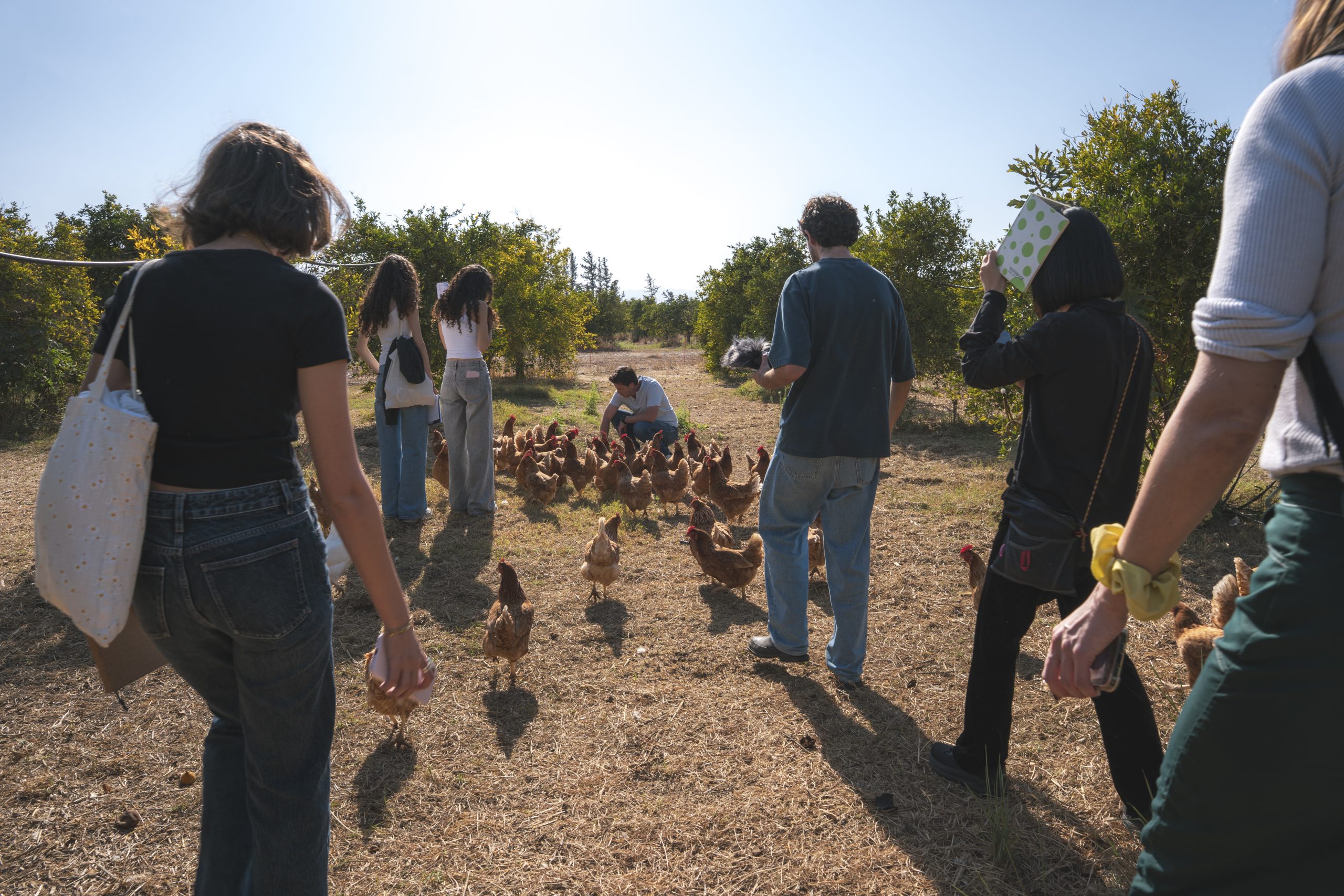
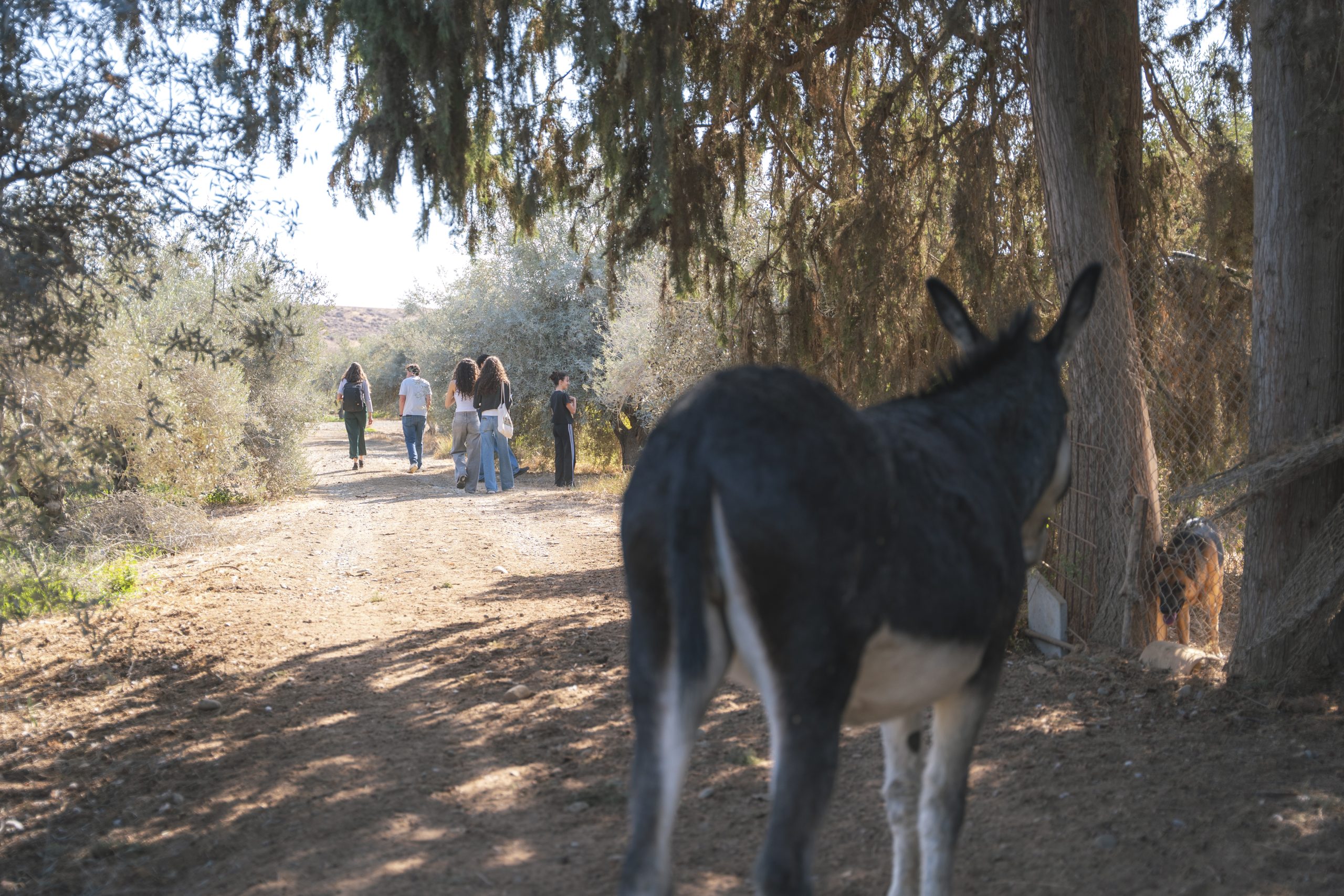
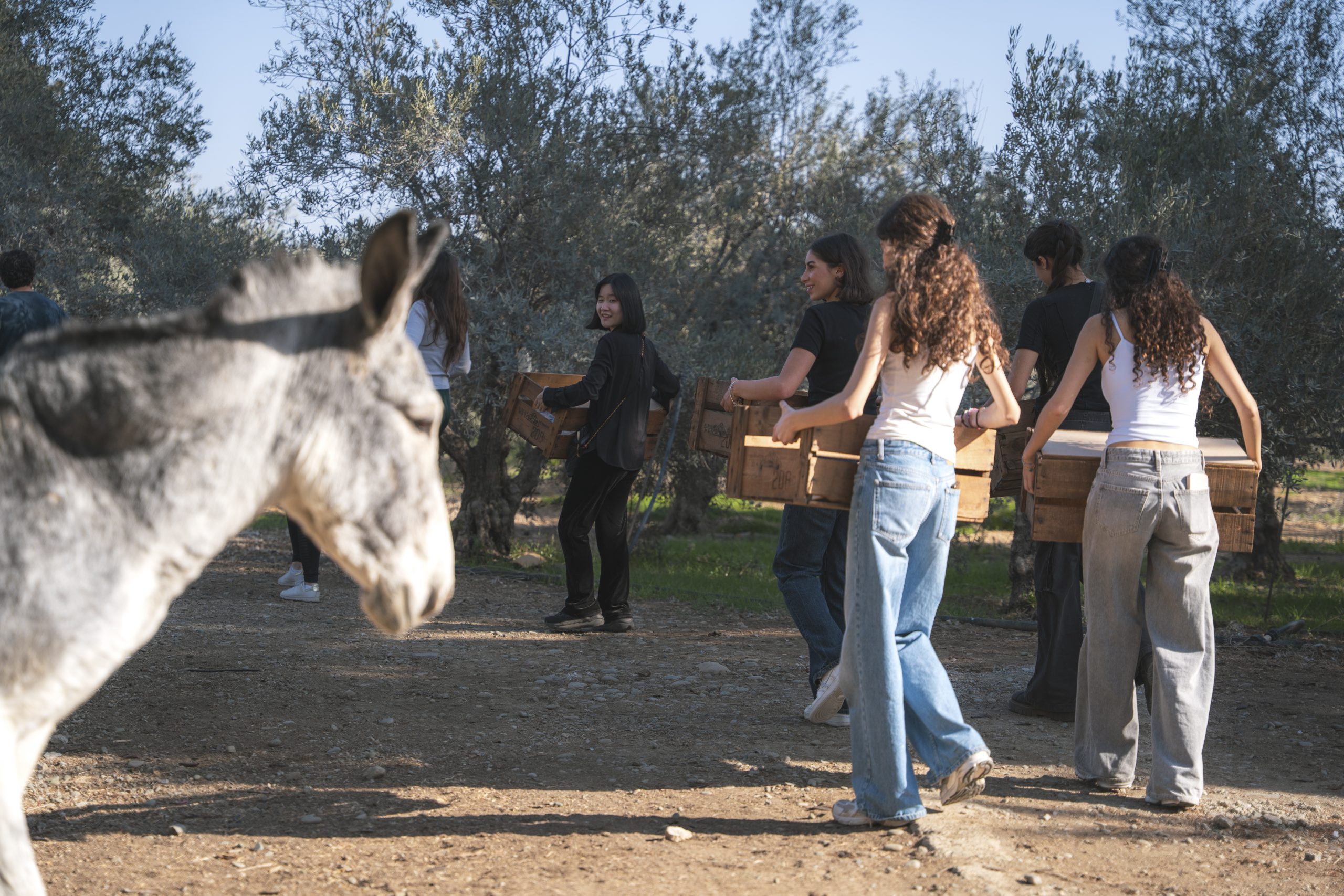
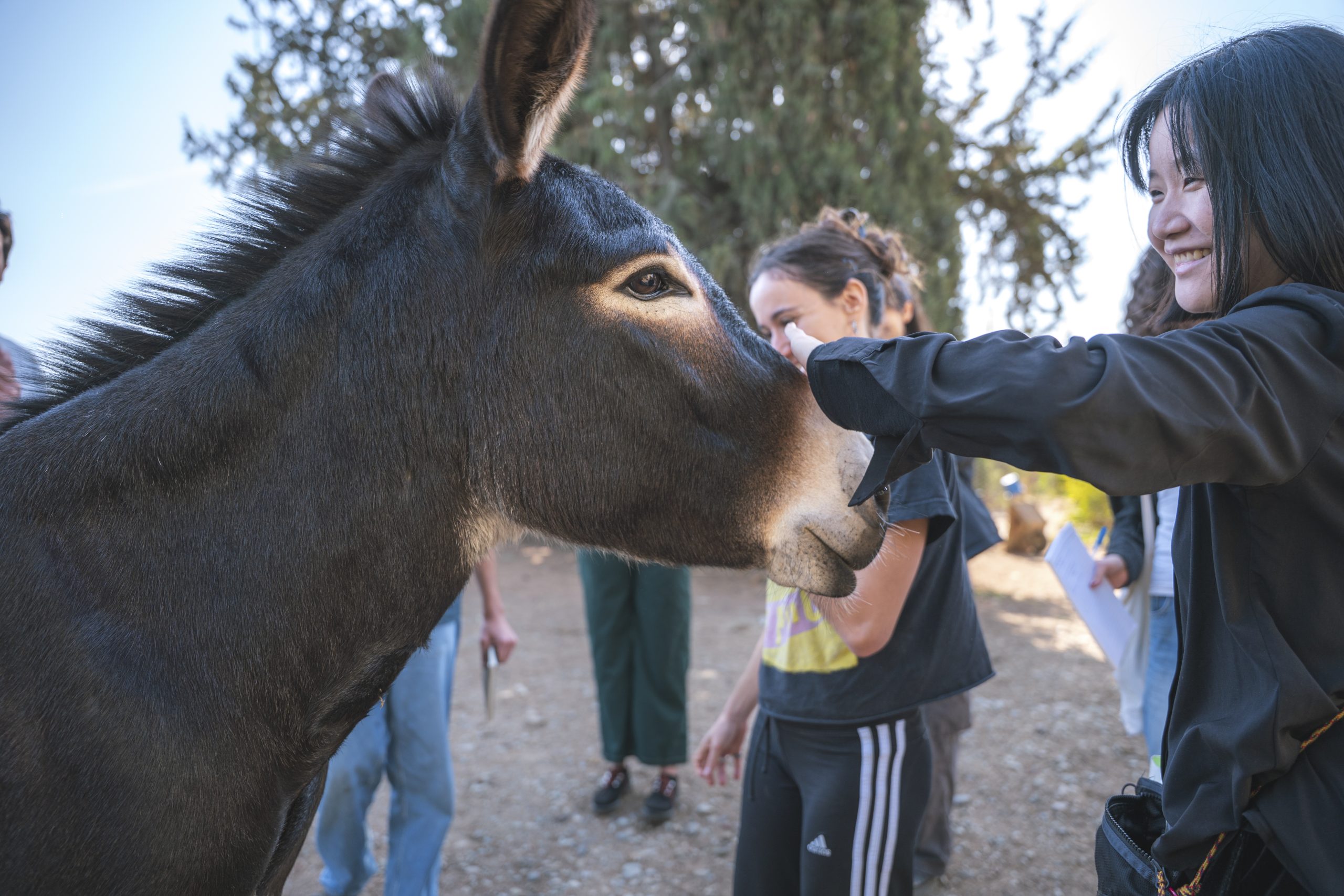
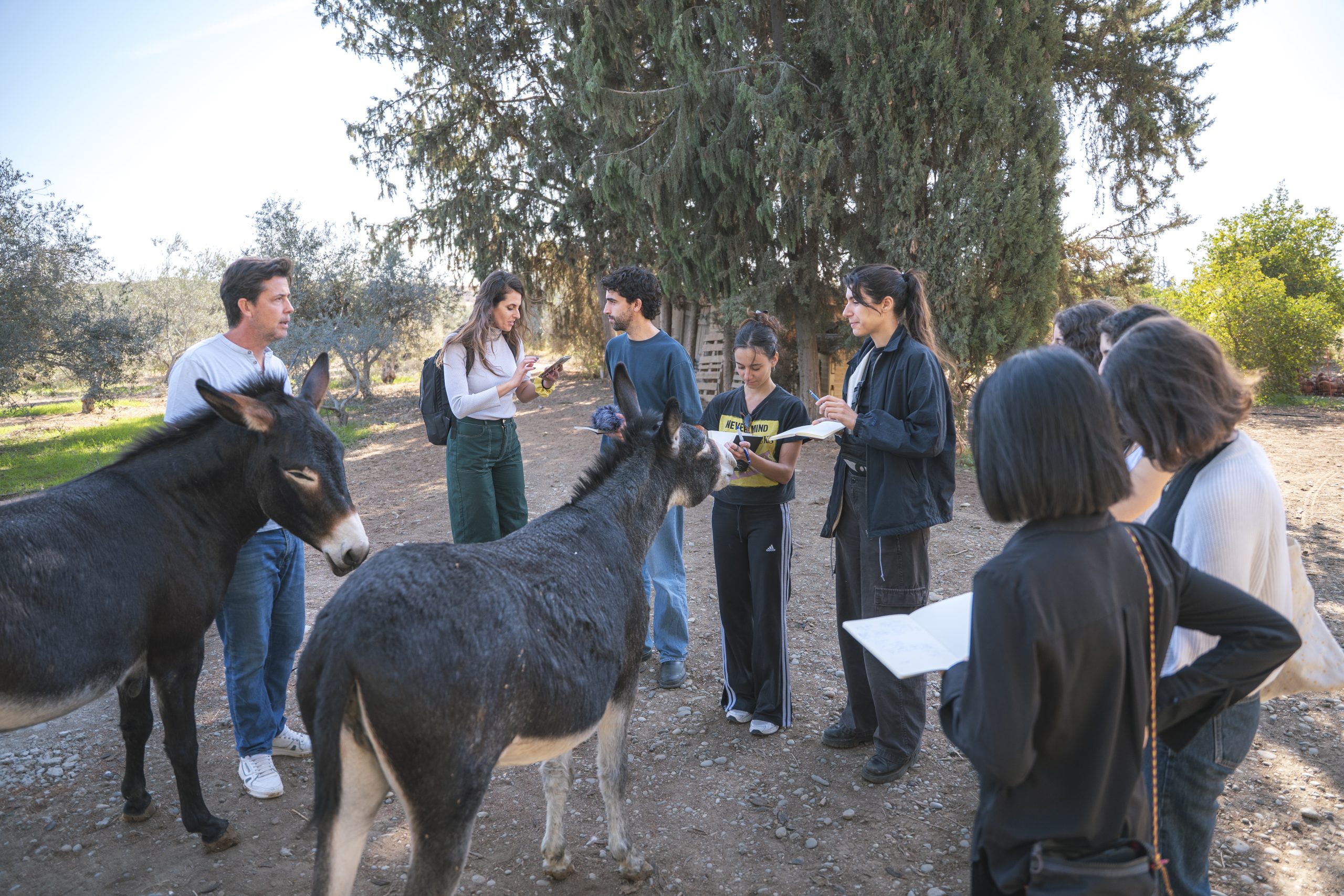
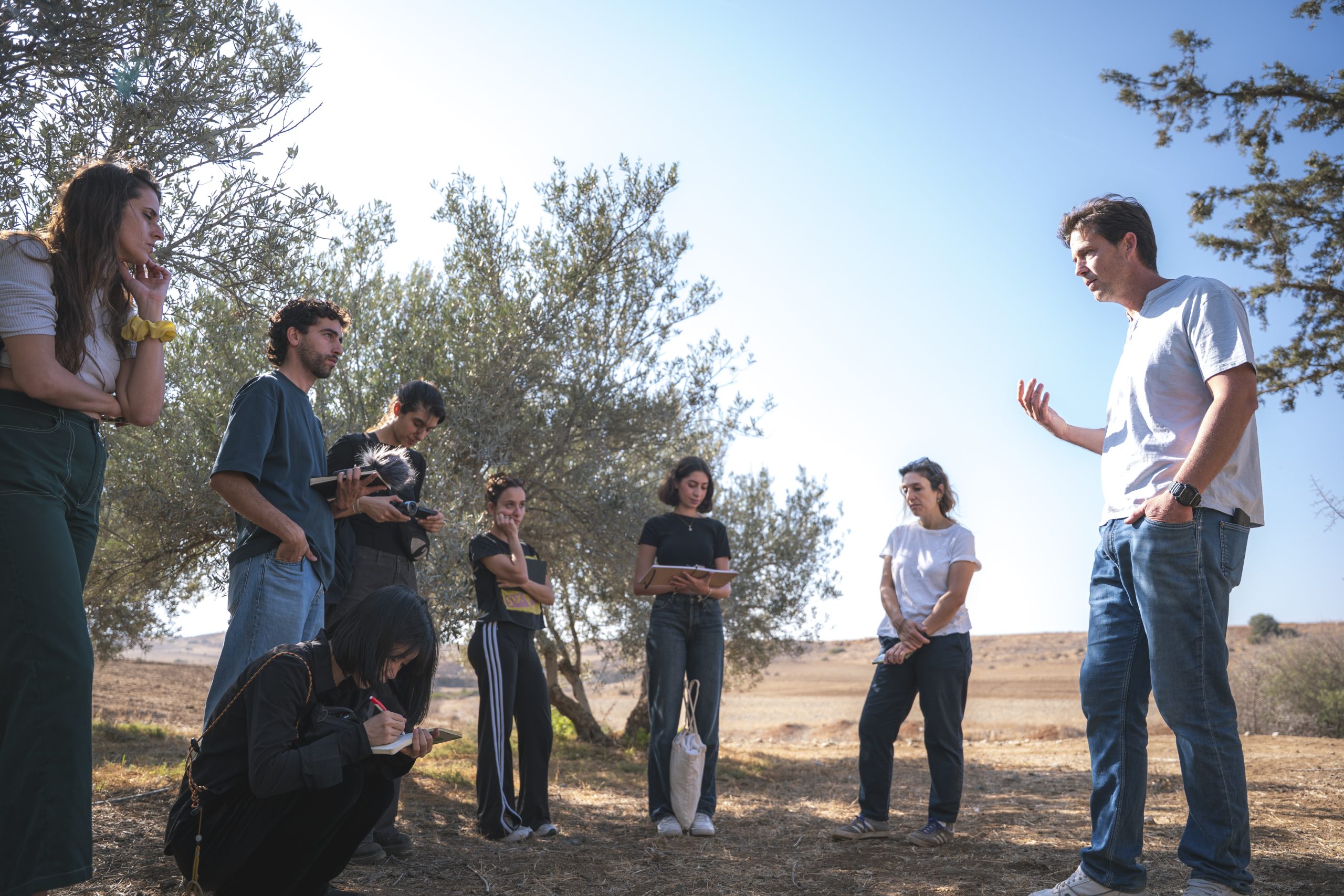
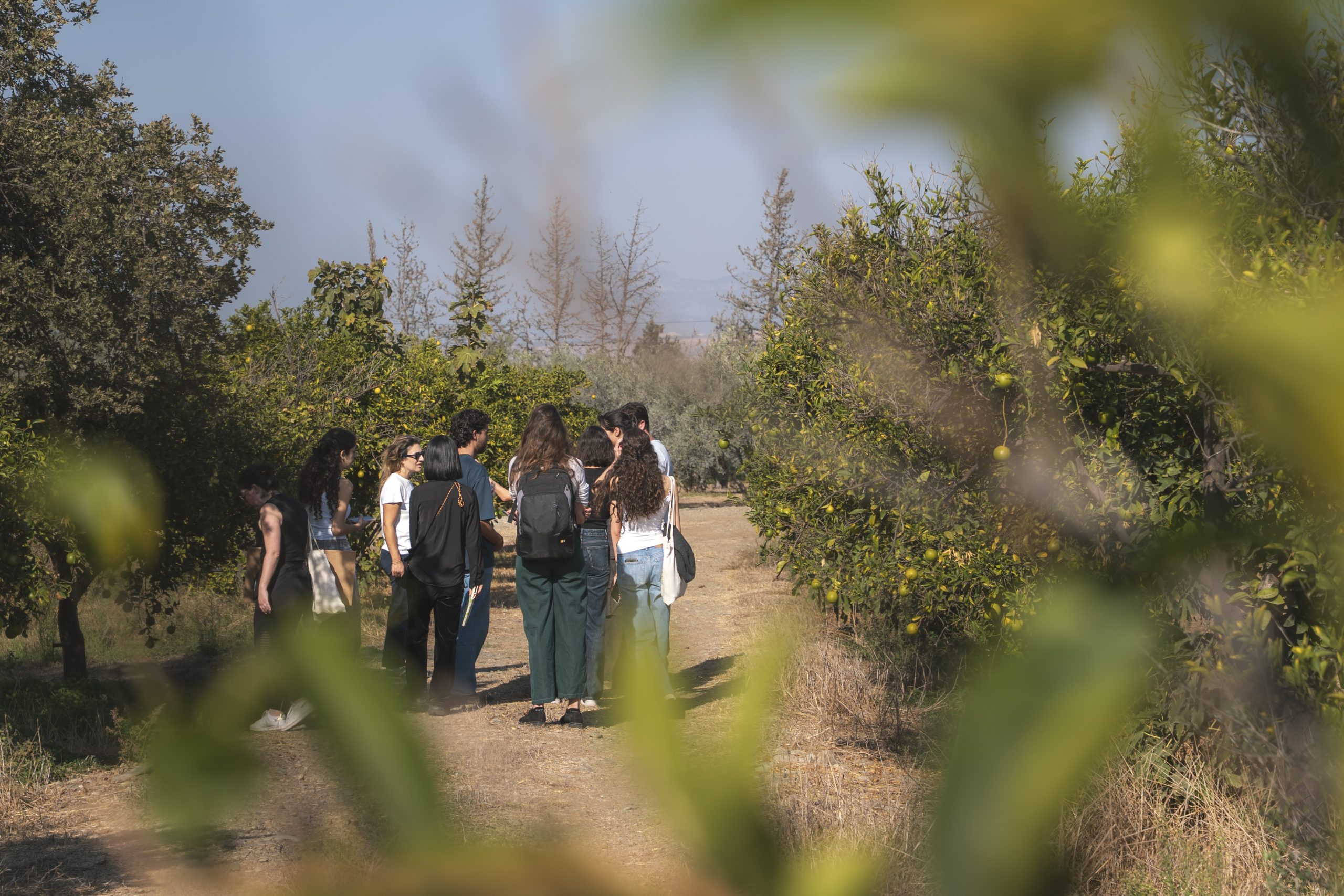
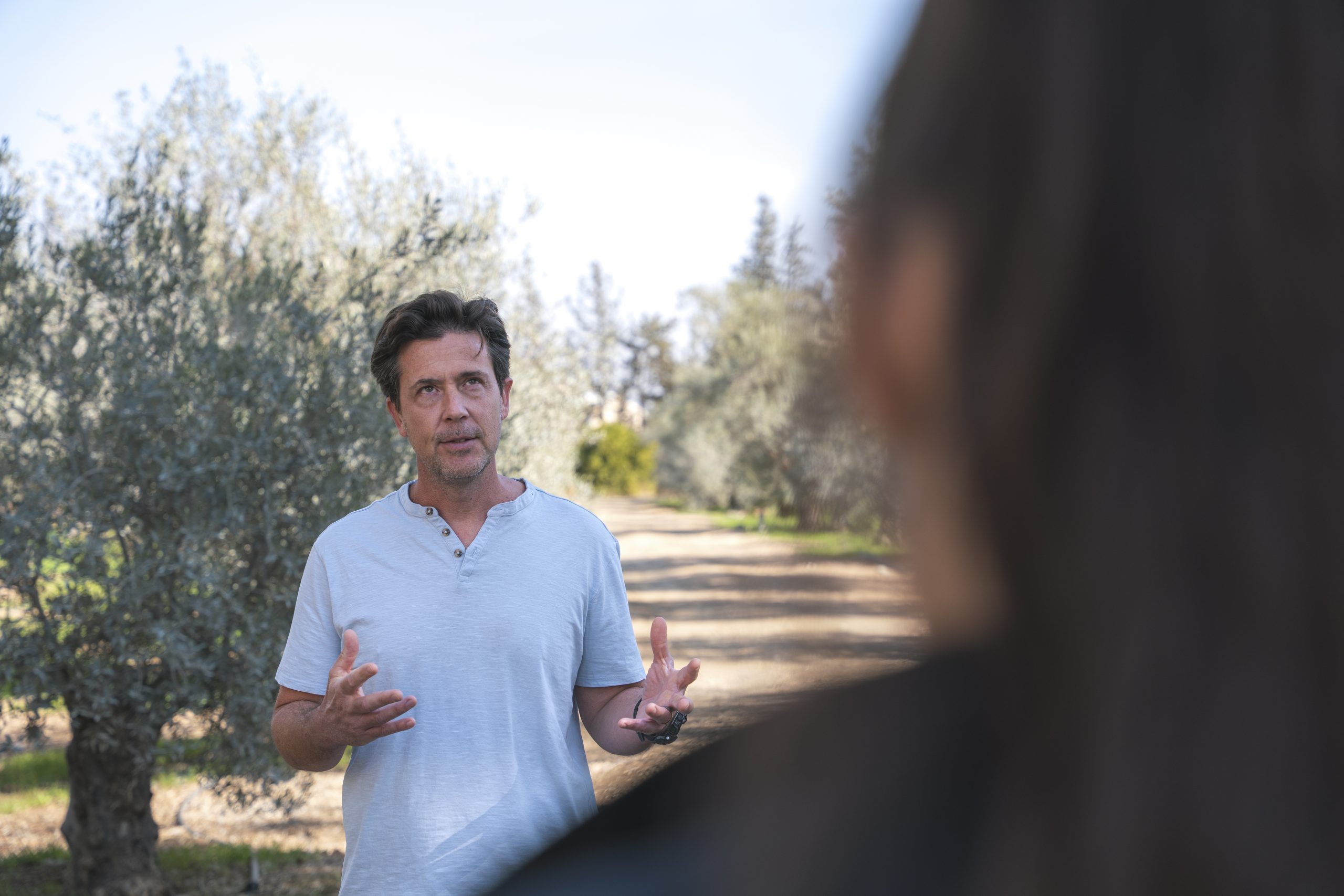
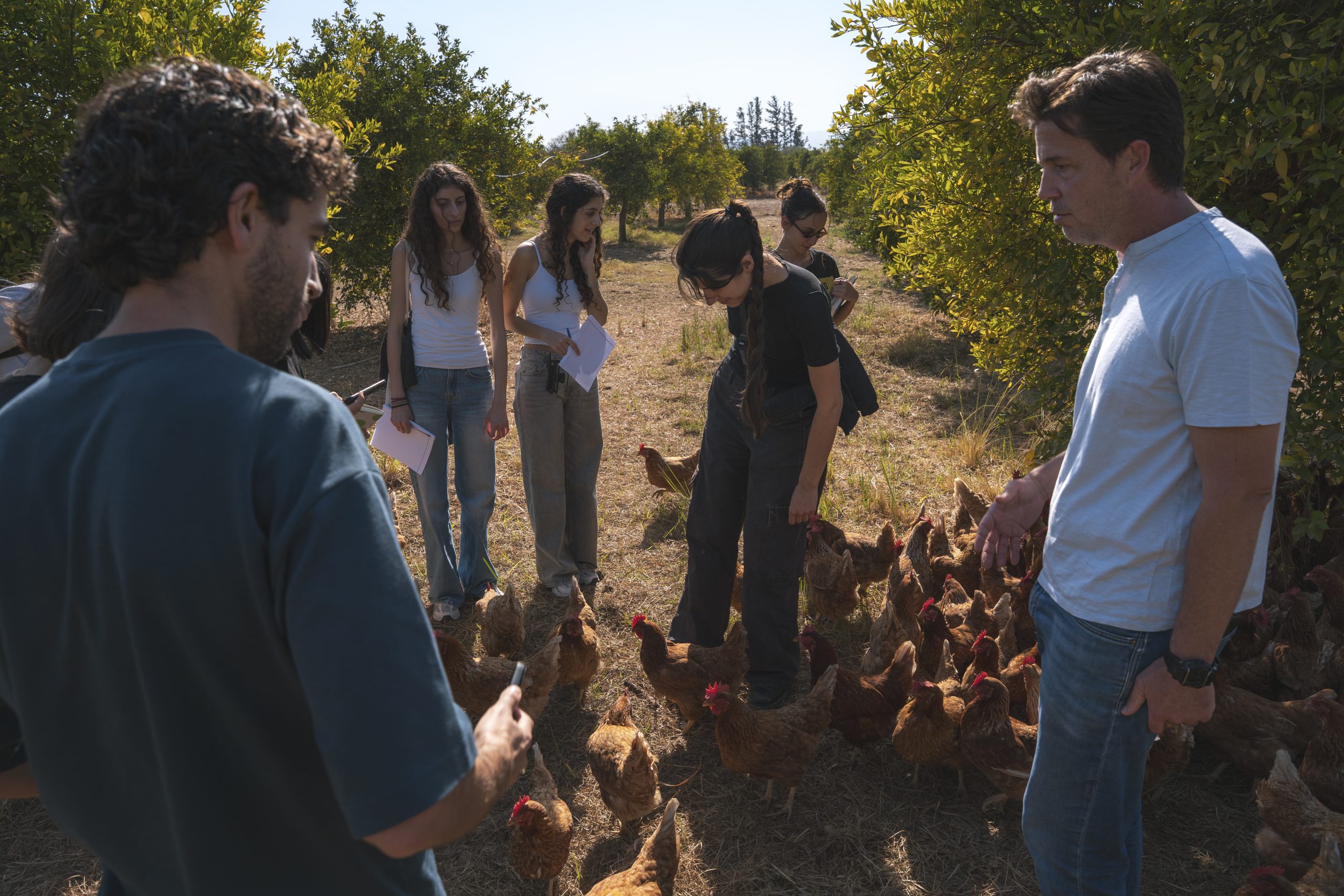
The workshop opened with a full‑day excursion to the Akaki Regenerative Farm. After departing from CYENS in Nicosia, students were welcomed by local practitioners who introduced current climate trends and the principles of agroecology and regenerative agriculture. A guided tour of the farm provided firsthand exposure to the environmental pressures affecting the region.
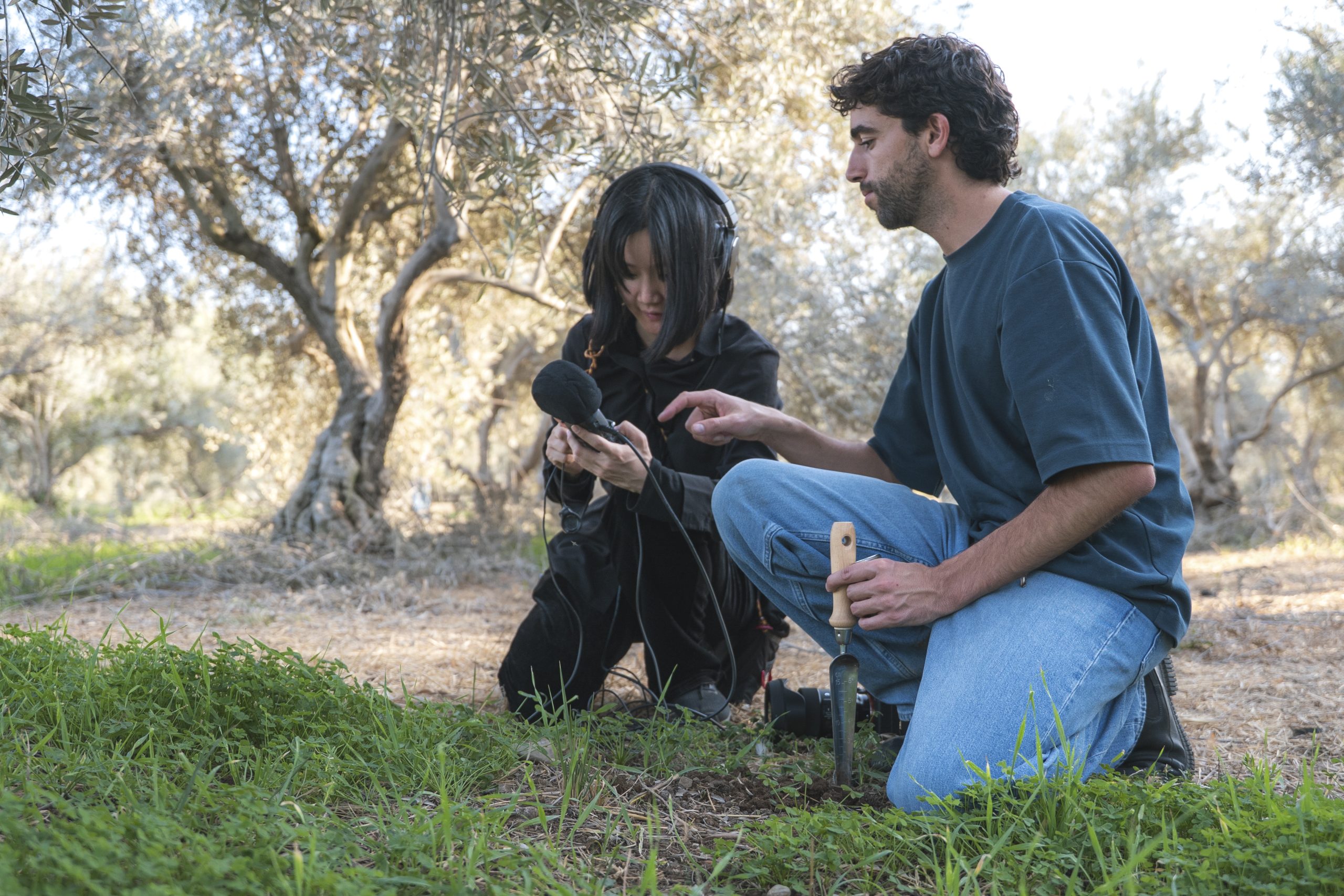
Participants then engaged in collective fieldwork, gathering soil and sediment samples, documenting ecological traces through photography, film, and drawing, and observing how drought conditions manifest in the landscape. The day concluded with a reflective session, where students translated their observations into visual notes and keywords that would guide the next phase of the workshop.
Creative Transformation at Thinker Maker Space
The second day shifted from field observation to creative interpretation. Meeting at CYENS Thinker Maker Space, participants revisited the materials collected in Akaki and explored them through group readings, discussions, and sensory mapping exercises.
Through collaborative drawing, writing, and conceptual development, students transformed raw ecological data into artistic frameworks that highlight patterns of drought, adaptation, and resilience. The session emphasized how artistic and scientific practices can intersect to articulate local experiences of environmental change.
Artist and STUDIOTOPIA resident Miguel Teodoro guided the workshop, encouraging participants to approach environmental issues through multisensory exploration and interdisciplinary thinking. His practice, which often bridges ecological research and creative expression, shaped the workshop’s focus on embodied learning and collaborative interpretation.
Pop‑Up Lab workshop was part of the broader WIP LAB 2025 Invisible Waters: Creative Talks & Open Play, which invites artists and researchers to share work‑in‑progress ideas through experimentation, dialogue, and public engagement.
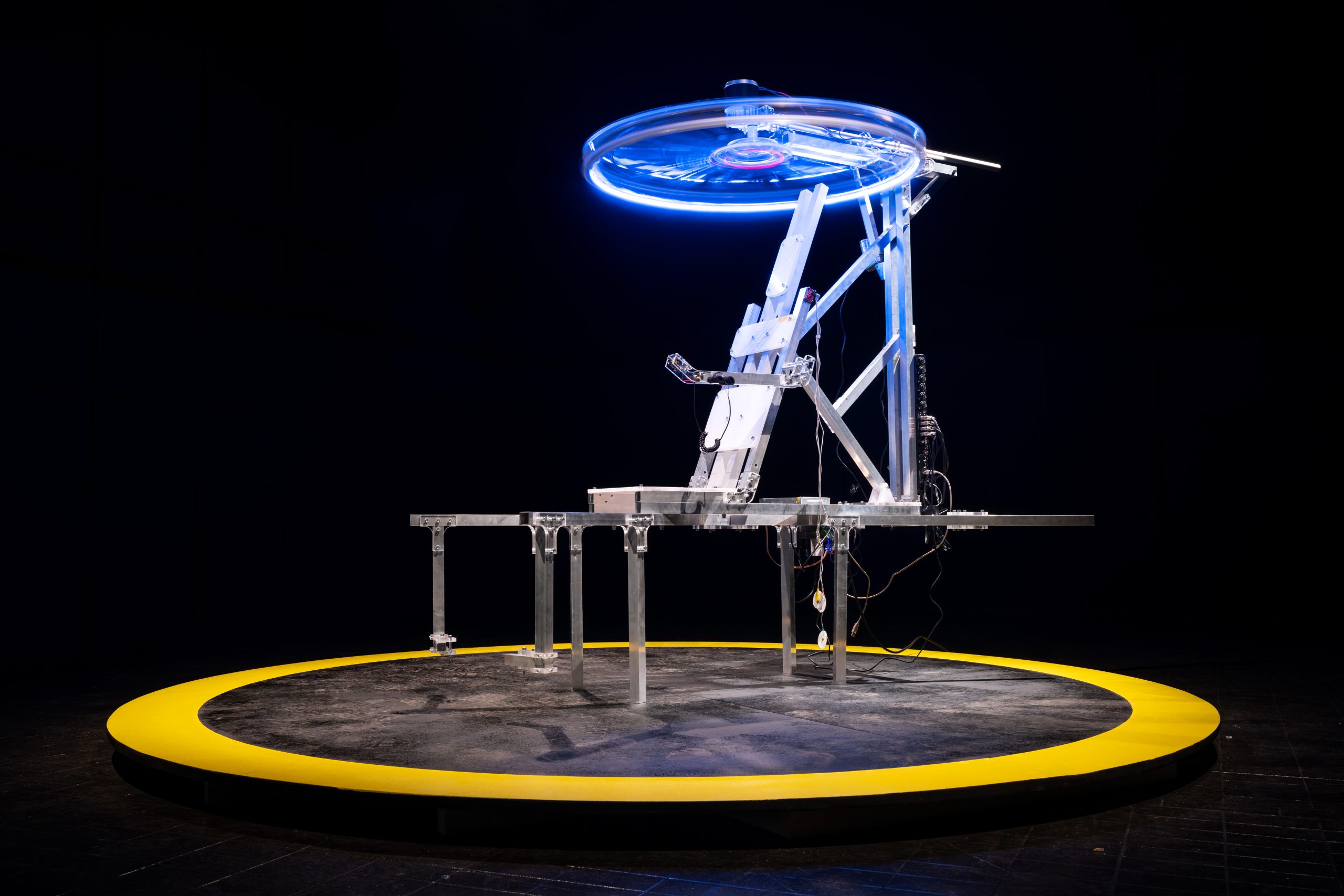
Dmitry Morozov aka ::vtol:: 'phasor'
Dmitry Morozov aka ::vtol:: 'phasor'
The difference between perception and understanding is, in rationalist hermeneutics (and in our trivial everyday life), flattened to what can be explained through measurements, evaluations, and interpretations based on past findings and experiences. However, people perceive significantly more than we understand*, which is why in the phasor project, the critical observation of the human perceptual apparatus is transferred into an intense bodily experience that impedes precise orientation in space and time as we understand it in linear models. With simultaneous effects that violate the principles of linear perceptual-experiential codifications, phasor disrupts the linear sequence of thought and thus the tyranny of Cartesian cogitation, enabling a simultaneous experience that demands an expanded awareness of multidimensionality.
The installation offers each visitor the opportunity to experience a complex audio-visual experience at a specific moment, deliberately designed to deceive our perception. A disk with multi-channel sound and light effects rotates around the participant’s head, constantly diverging and converging at three levels of rotation: the sound, light, and physical rotation of the disk. With the help of digital control and the ability to manage the independent speeds of all three rotations, the installation achieves a contradictory effect aimed at pushing the participant’s perception beyond their previous experiences.
“Everyone experiences far more than they understand. It is experience rather than understanding that influences behavior.”
— Marshall McLuhan, Understanding Media: The Extensions of Man, 1964
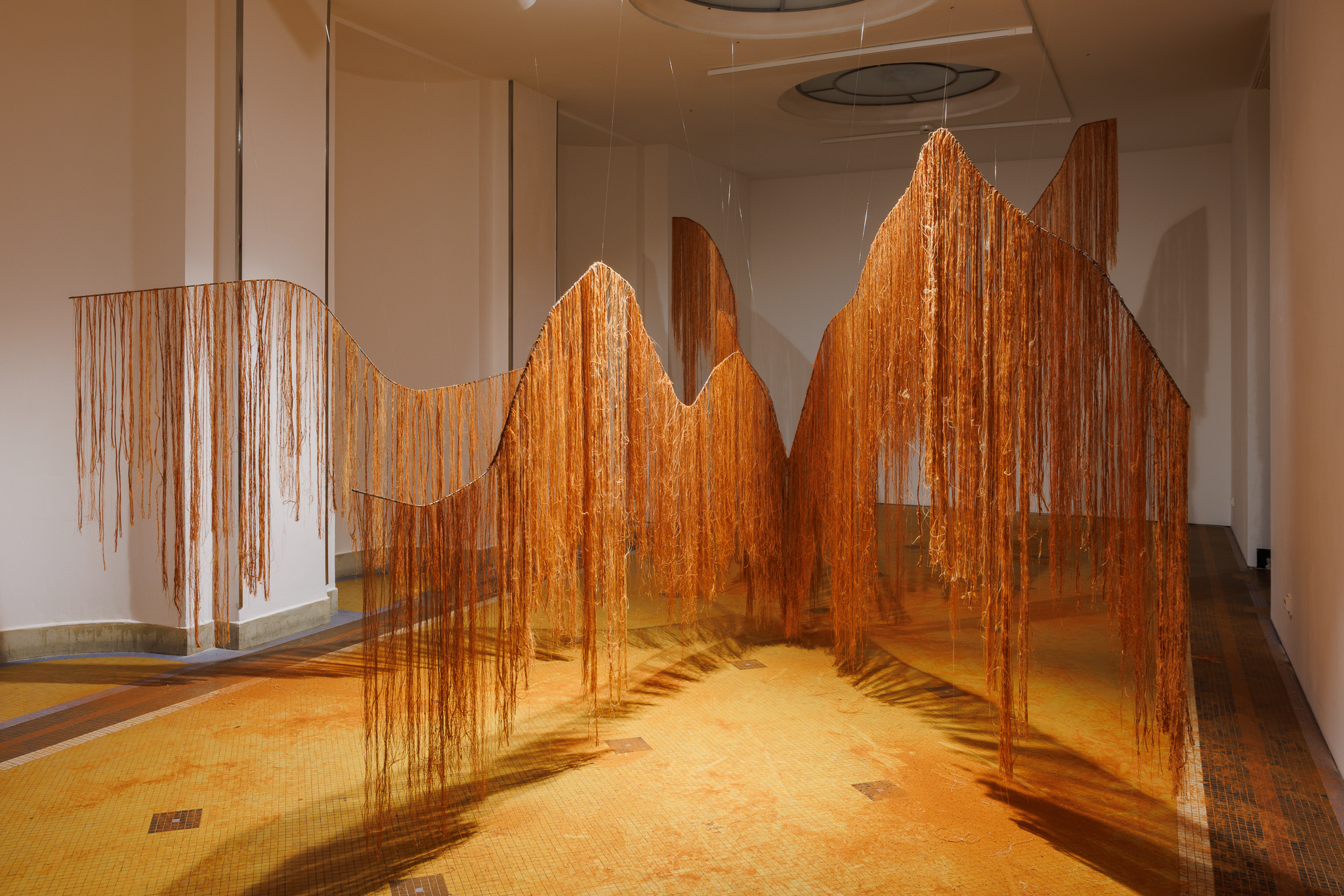
Ânia Pais: 'Shadows of the Landscape'
Ânia Pais - Shadows of the Landscape
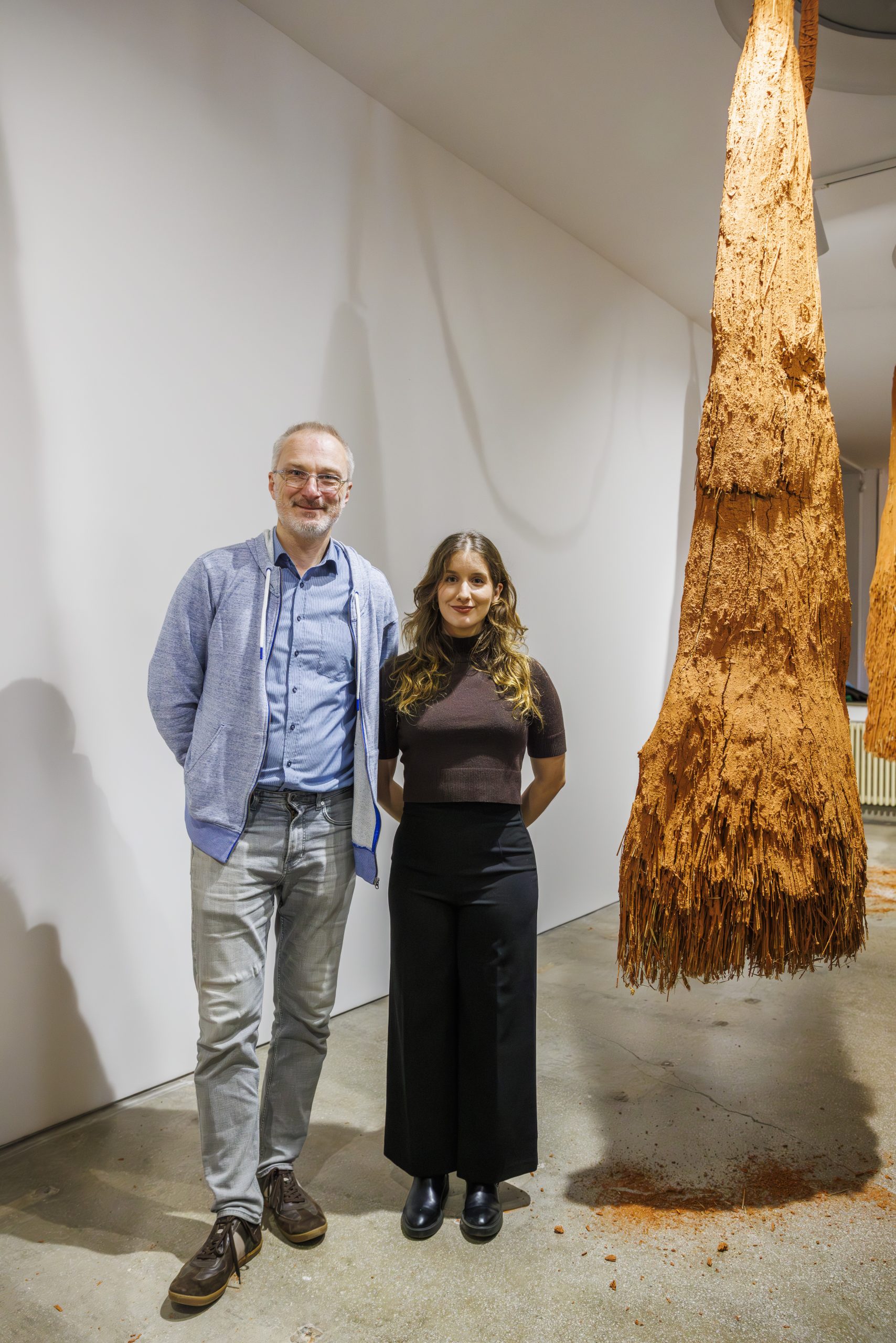
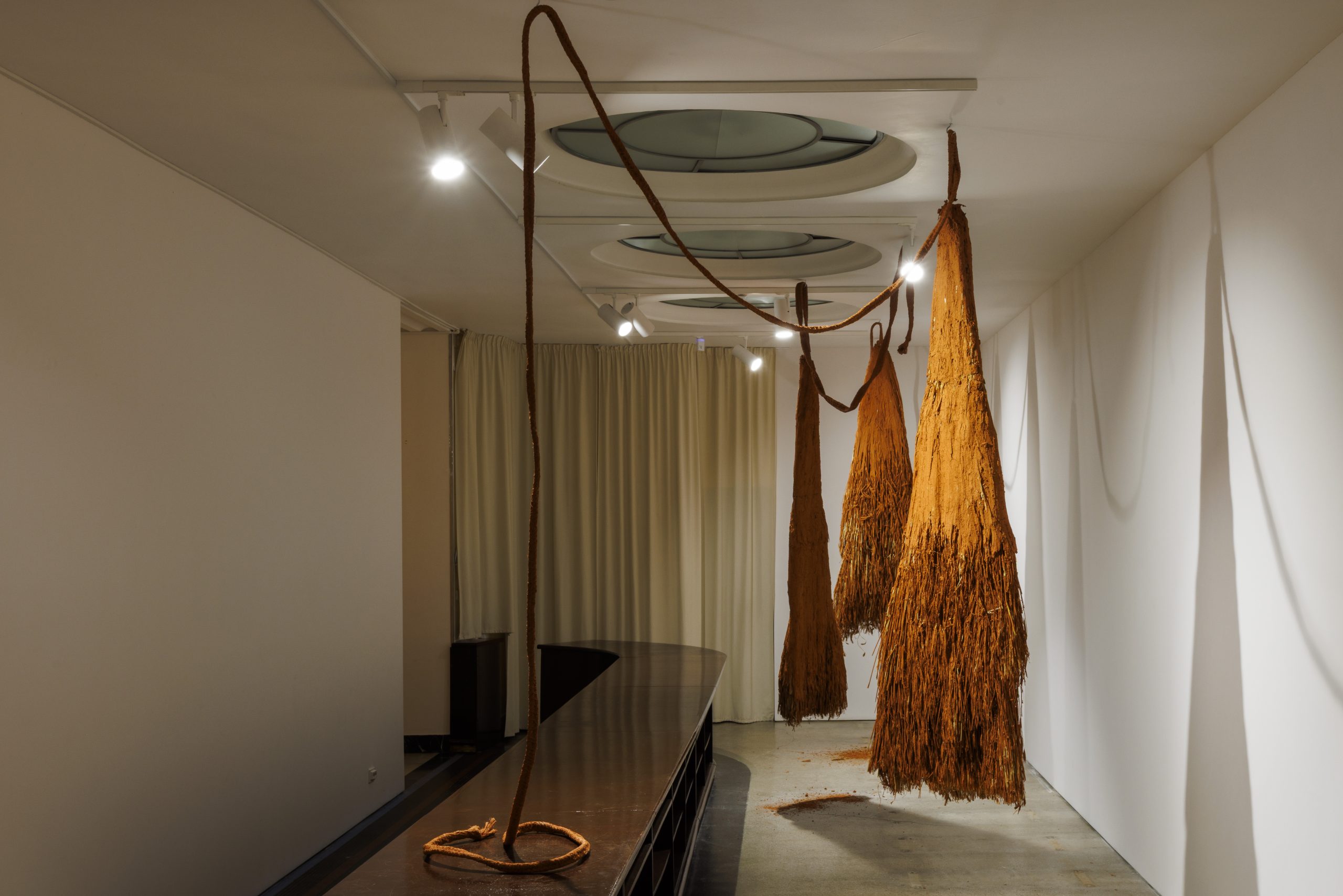
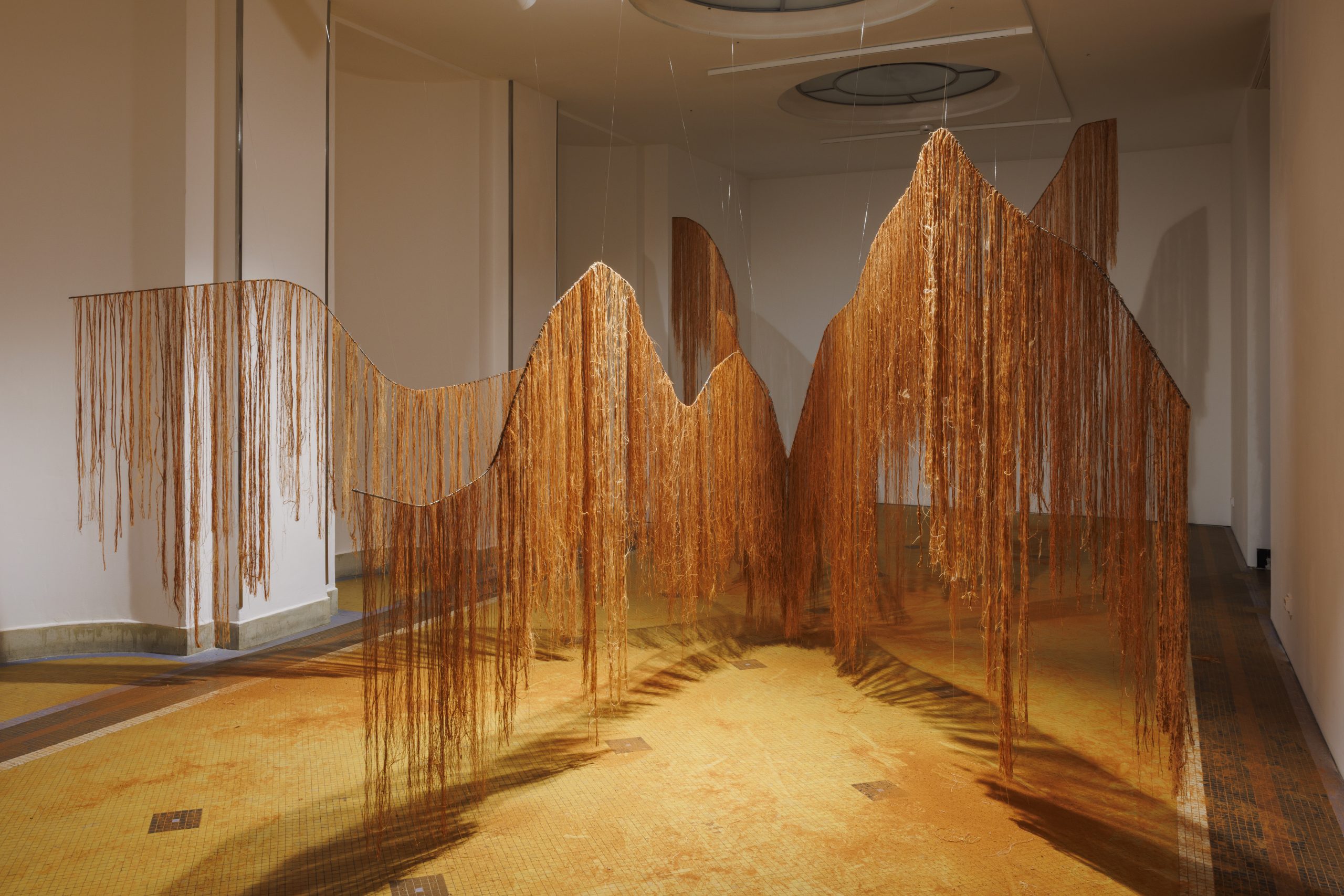
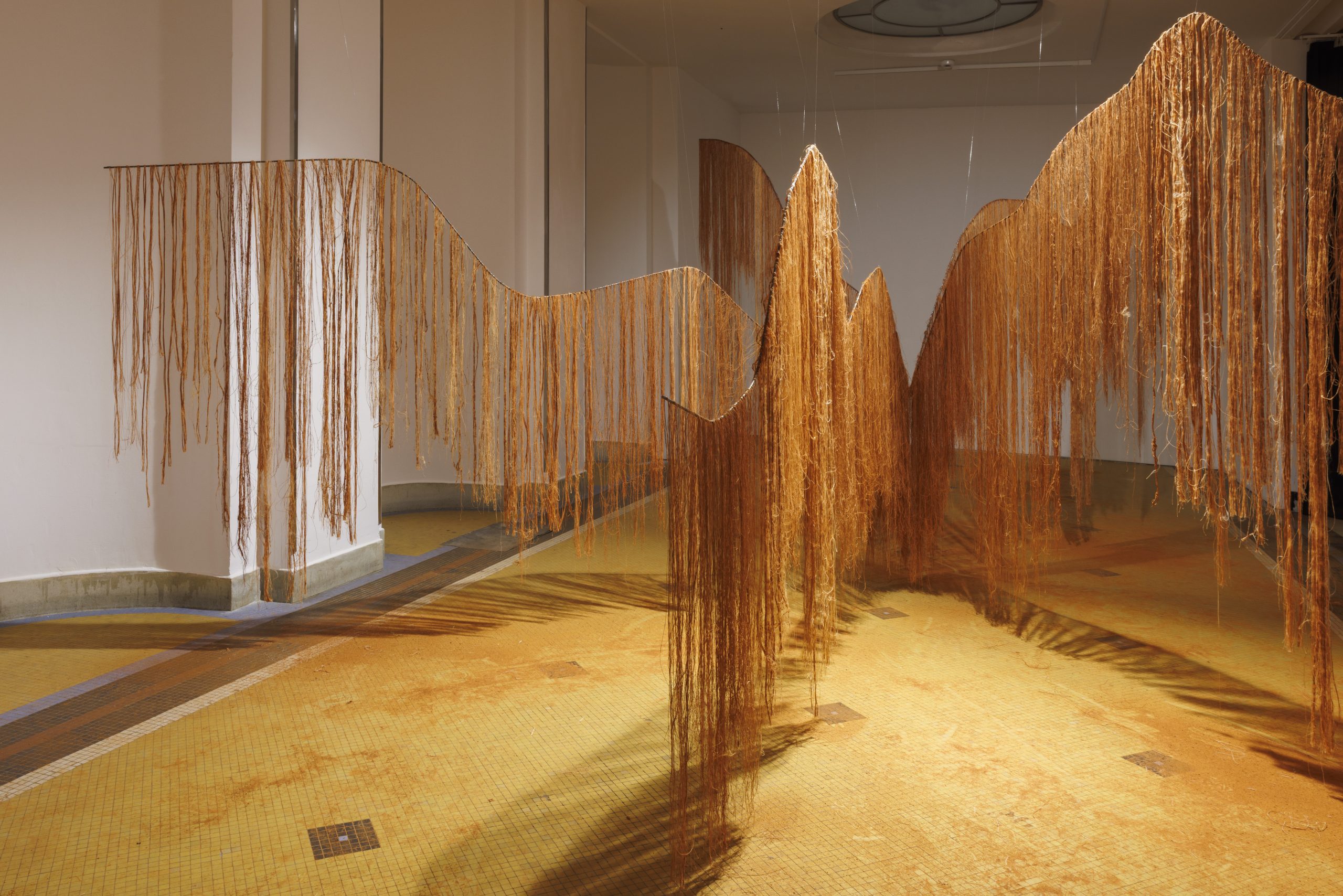
As part of the challenge „If We Opened People Up, We’d Find Landscapes”, Cluj Cultural Centre welcomed Portuguese visual artist Ânia Pais for the Studiotopia residency programme. Working primarily in installation, her practice spans a diverse and experimental range of media, including textiles, ceramics, photography and performance. During this period, she developed two installations – Alma Matter and The Earth Shall Eat—as well as the sound art piece Aware, in collaboration with sound artist João Feio and under the guidance of scientist Tibor Hartel and the Local Challenge Committee: Alexandru Stermin, Mihaela Ghiță and Ciprian Mihali.
In 2025, Ânia Pais undertook a series of research visits in Cluj, in April and again in July, which offered good grounds for connecting with the artistic community, the LCC members and relevant initiatives related to ecology and sustainability. Her visits extended beyond the city itself, to nearby cities like Alba Iulia and rural areas around Cluj, as well as visiting the Ethnographic Museum, urban gardens and nearby forests to gather inspiration and develop ideas for the works she later created and exhibited in the exhibition Shadows of the Landscape.
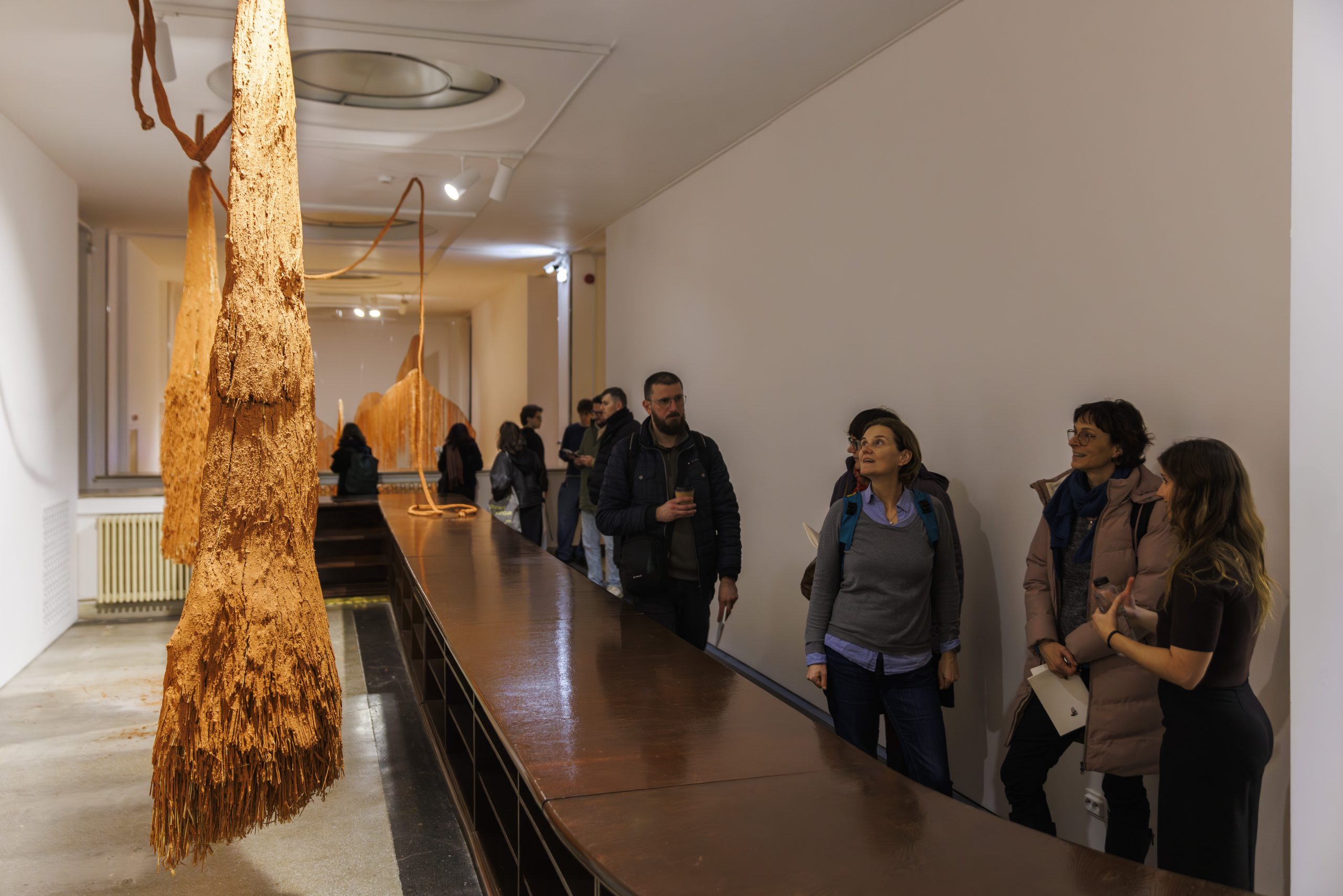
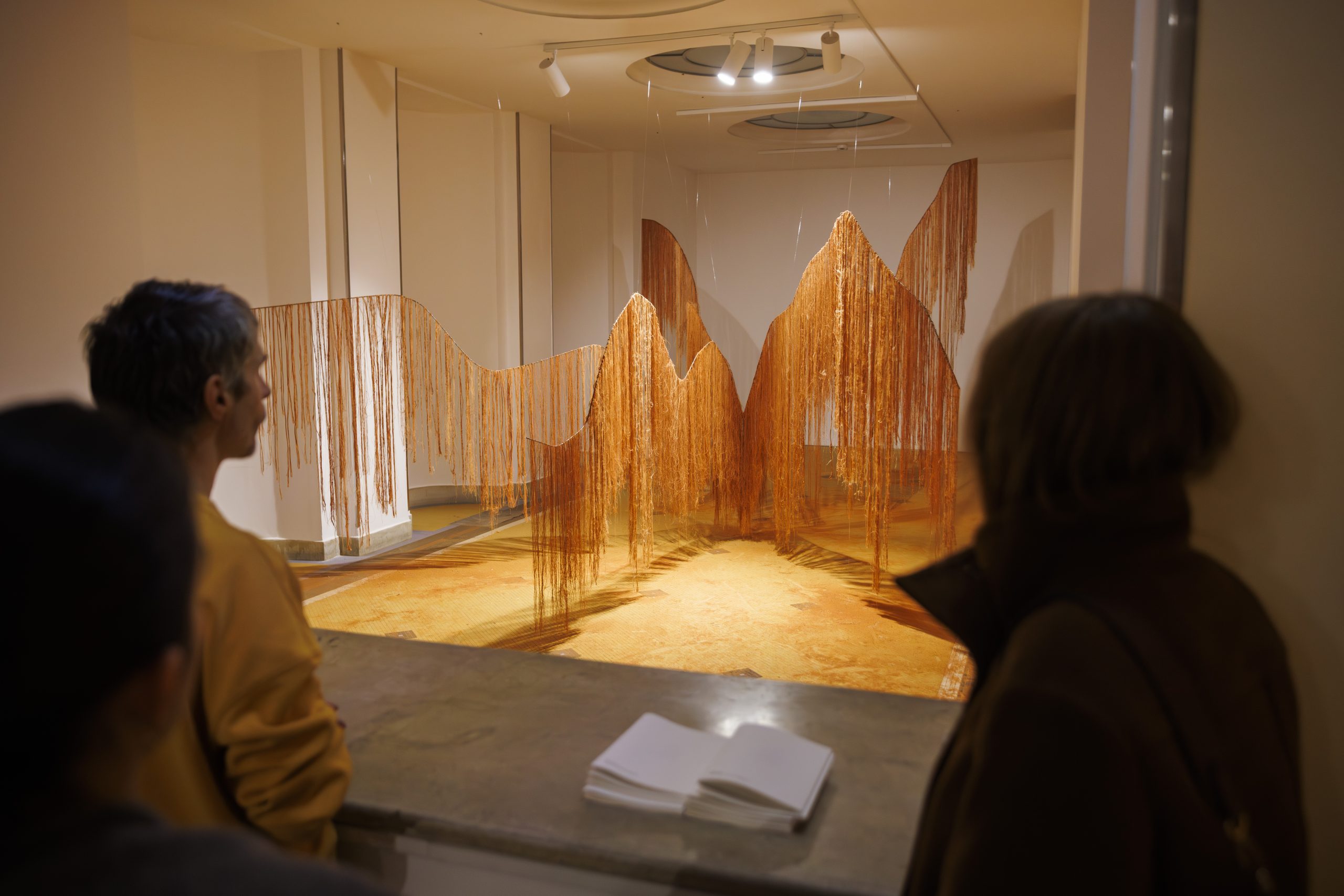
Emerging from this process of research, movement and encounter, Shadows of the Landscape (Contemporar, December 2025 – February 2026) offered a reflection on the development of the artworks from their initial conception to the final exhibition display, as the creative process itself was central, the end result was not the main focus, but rather the journey. It begins with the personification of the landscape, understood as a visible and active presence rather than a merely passive element of nature.
Drawing from this context and process, the exhibition can be understood through the curatorial lens as an exploration of how landscapes are felt and carried:
„There are landscapes we walk through and landscapes that walk through us. Shadows of the Landscape begins from this quiet premise: that every environment leaves a trace, a subtle imprint carried on the body long after the place itself disappears from view. Here, the landscape is not an image to be looked at, but a presence felt through shifts of perception. It lingers as vibration, density, resonance. Instead of presenting the landscape as a visual motif, the exhibition focuses on how it is perceived through the senses, murmuring in the background of one’s attention, insisting that even what seems distant can move us intimately. The works gathered in this space operate less as representations and more as invitations to inhabit this intermediate zone where memory, sensibility and matter converge.
Throughout the exhibition, a subtle dialogue emerges between what can be grasped and what resists articulation. The landscape appears not as a panoramic view but as a constellation of sensations: echo, density, pressure, warmth, distance. It casts shadows not through light, but through its ability to inhabit the visitor’s interior space. The body becomes a threshold where these shadows accumulate, shaping an understanding that is less cognitive than experiential. This approach highlights the role of the body as an active participant in the encounter with the landscape.
Shadows of the Landscape proposes a different form of engagement, one rooted in empathy, attentiveness and the recognition that our relationship with the world is reciprocal. The works ask how we position ourselves in relation to the environments we traverse: whether we approach them with dominance or humility, intrusion or care, insistence or restraint. The exhibition raises these questions subtly, through experience rather than didactic statements, suggesting that sometimes the most meaningful gesture is not to step closer, but to pause; not to grasp, but to witness; not to intervene, but to allow. In this sense, the exhibition reflects a world in which coexistence is not a concept but a condition. It speaks to the delicate balance between visibility and shadow, presence and withdrawal, touch and distance. It encourages visitors to reflect on how landscapes continue to shape us, even when absent.”
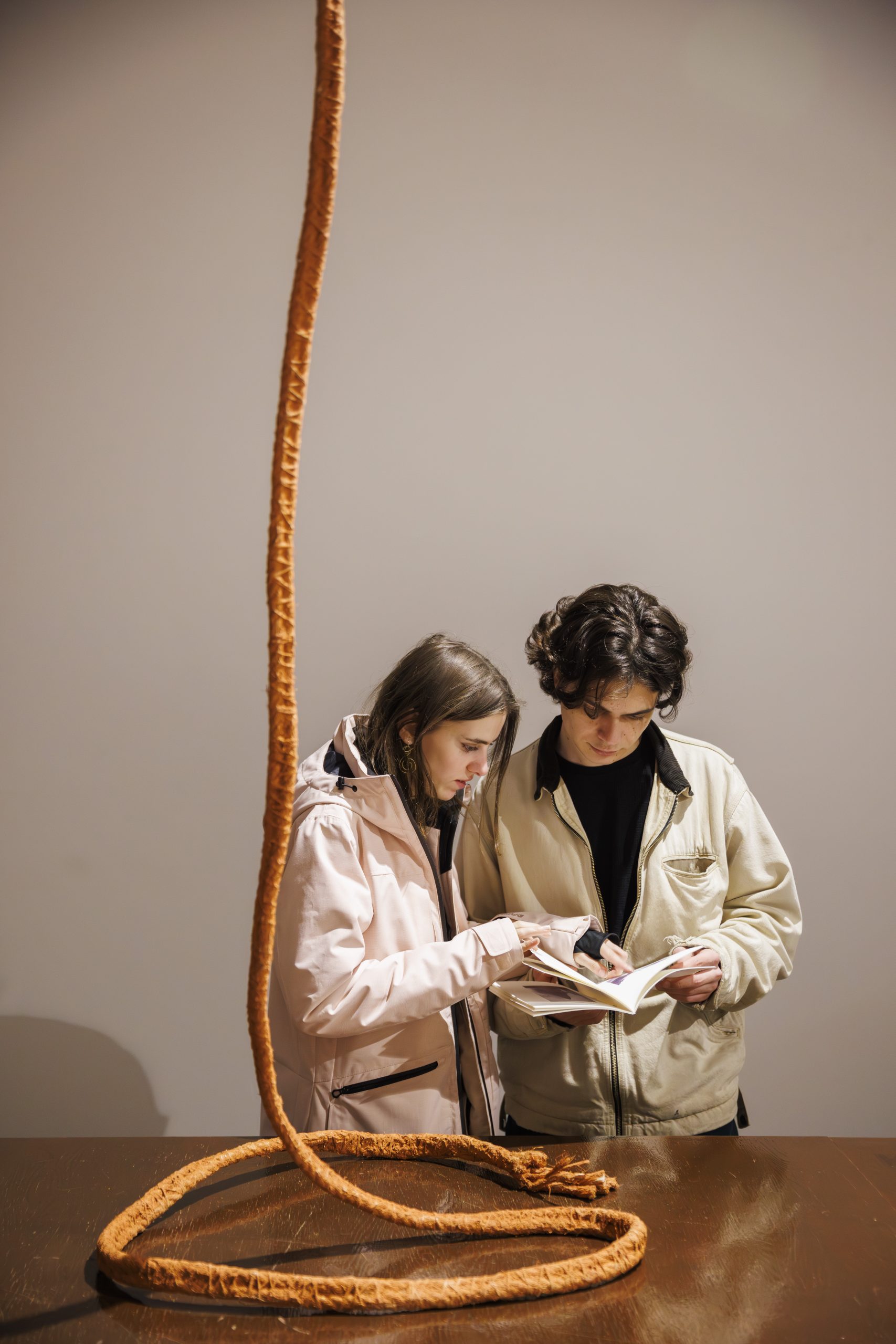
The exhibition is accompanied by a publication edited by Corina Bucea, Director of Cultural Development at the Cluj Cultural Centre, which expands the project beyond the gallery space. Bringing together multiple perspectives, it features a text by scientist Tibor Hartel that examines the dynamics of art-science collaboration and its relevance to ecological concerns and environmental justice. It also includes Ânia Pais’s reflections on her artistic process and the development of the works, alongside a curatorial essay by Gabriela Moldovan and documentation of the research process.
The publication is also available online here.
The video interview below offers an intimate perspective on her practice and the processes behind Shadows of the Landscape, where research, material exploration, and perception unfold through her own voice.