Ânia Pais - Shadows of the Landscape
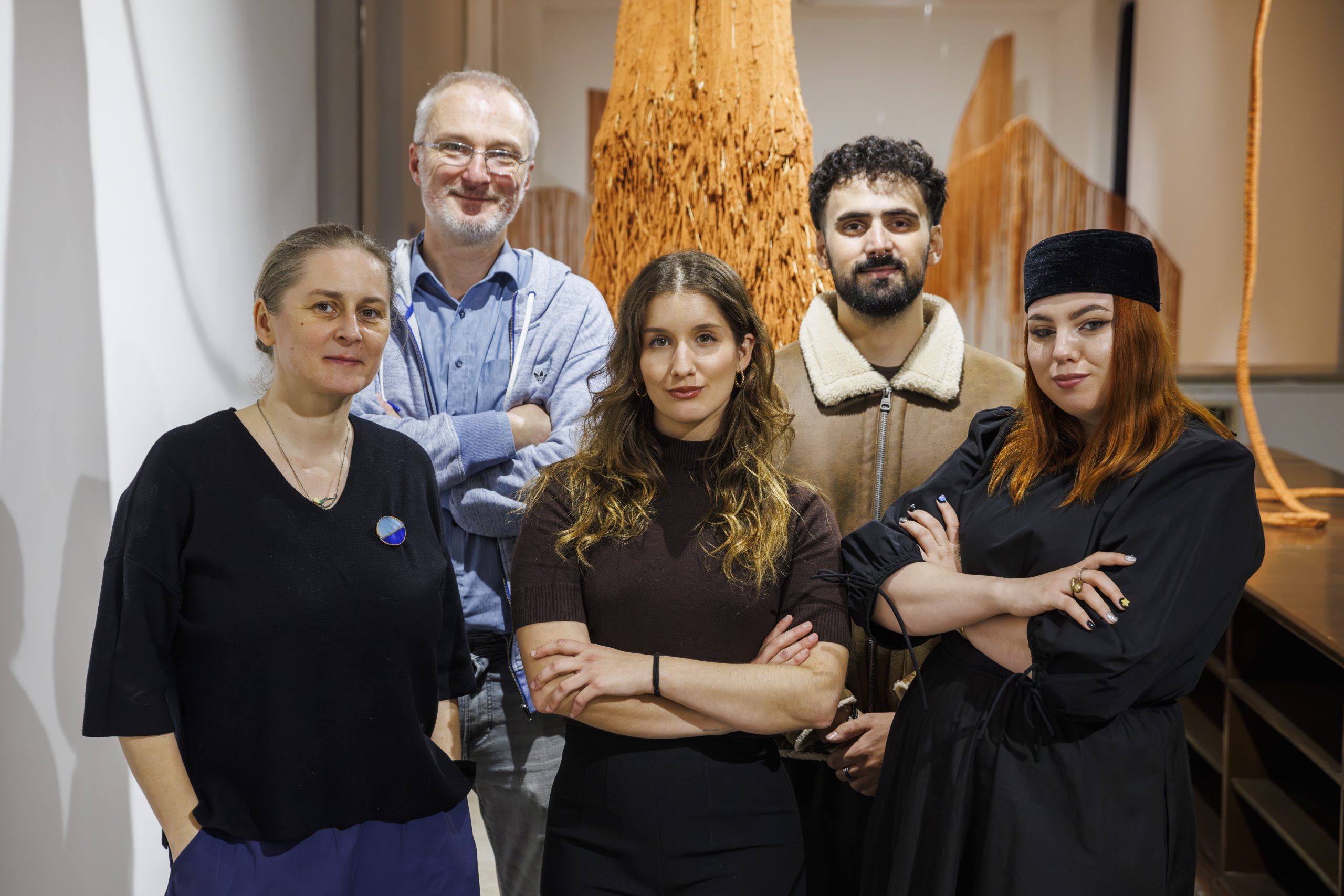
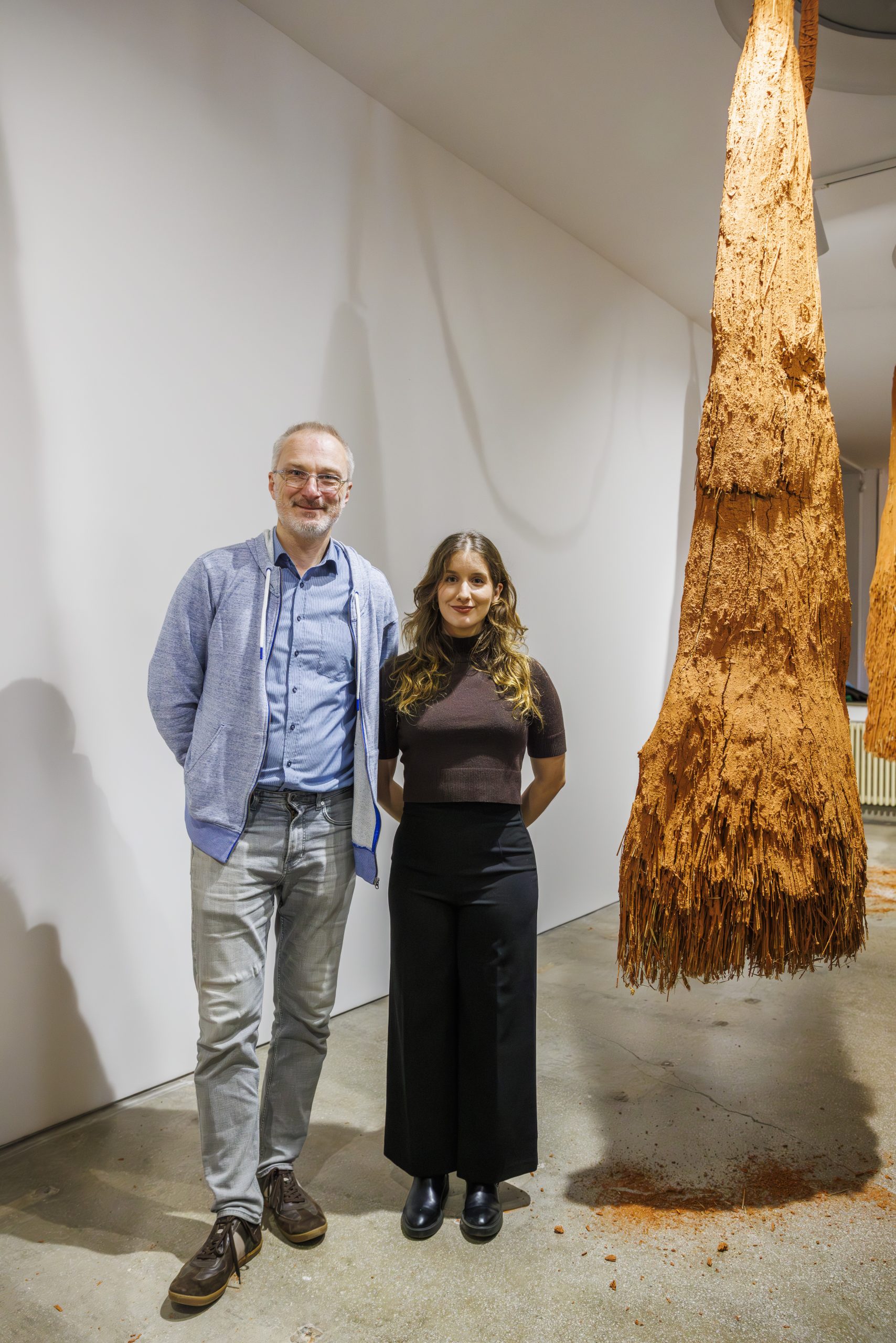
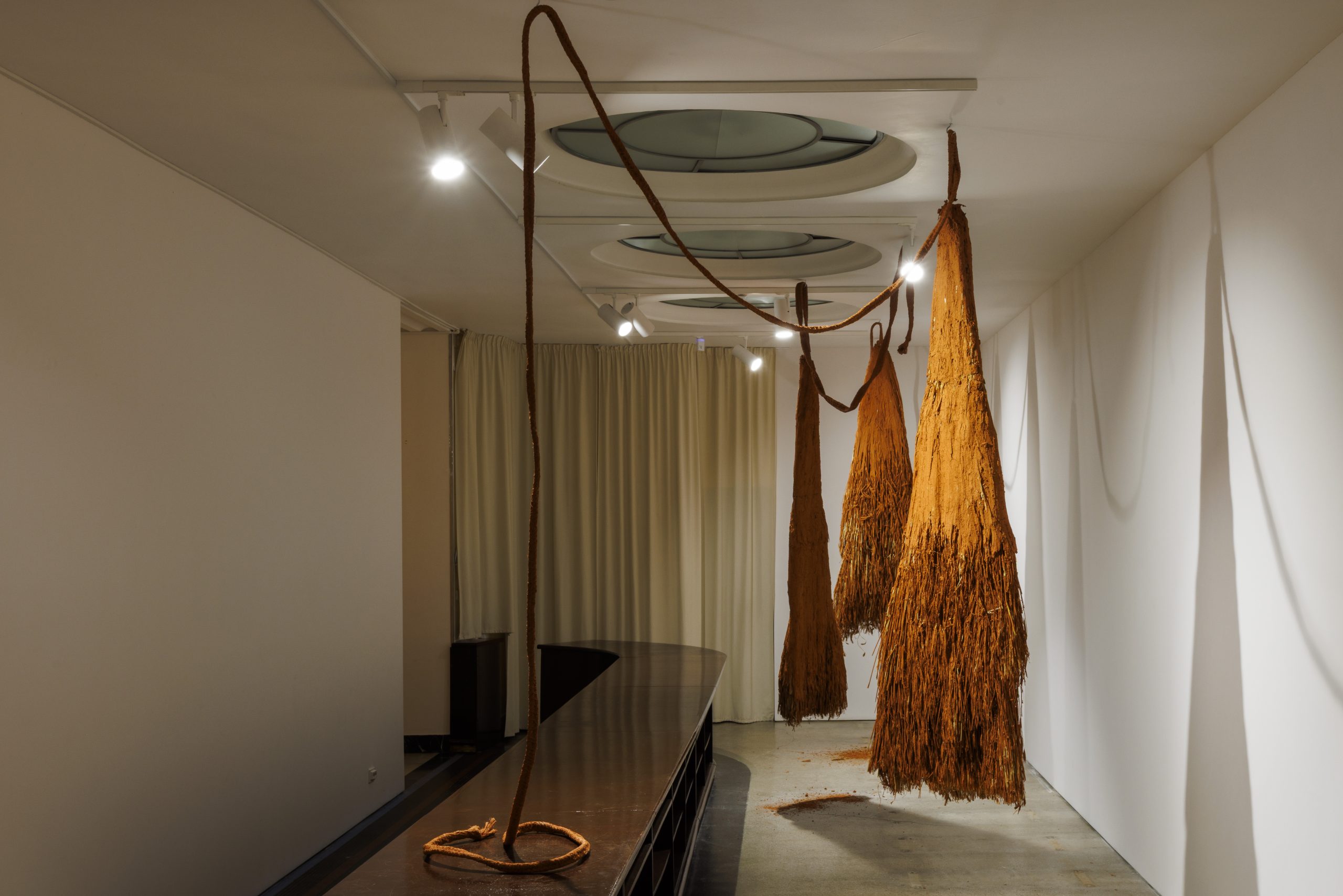
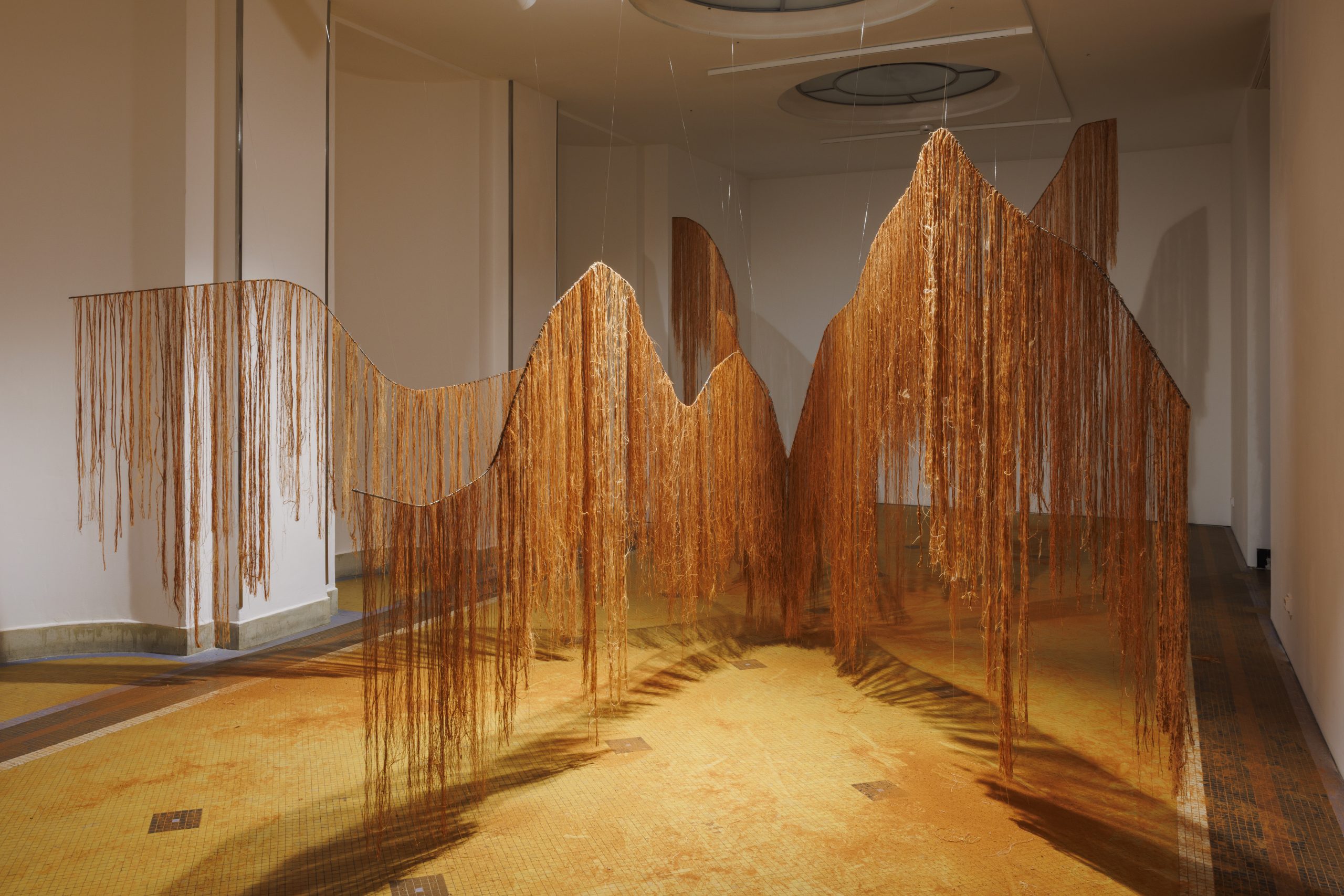
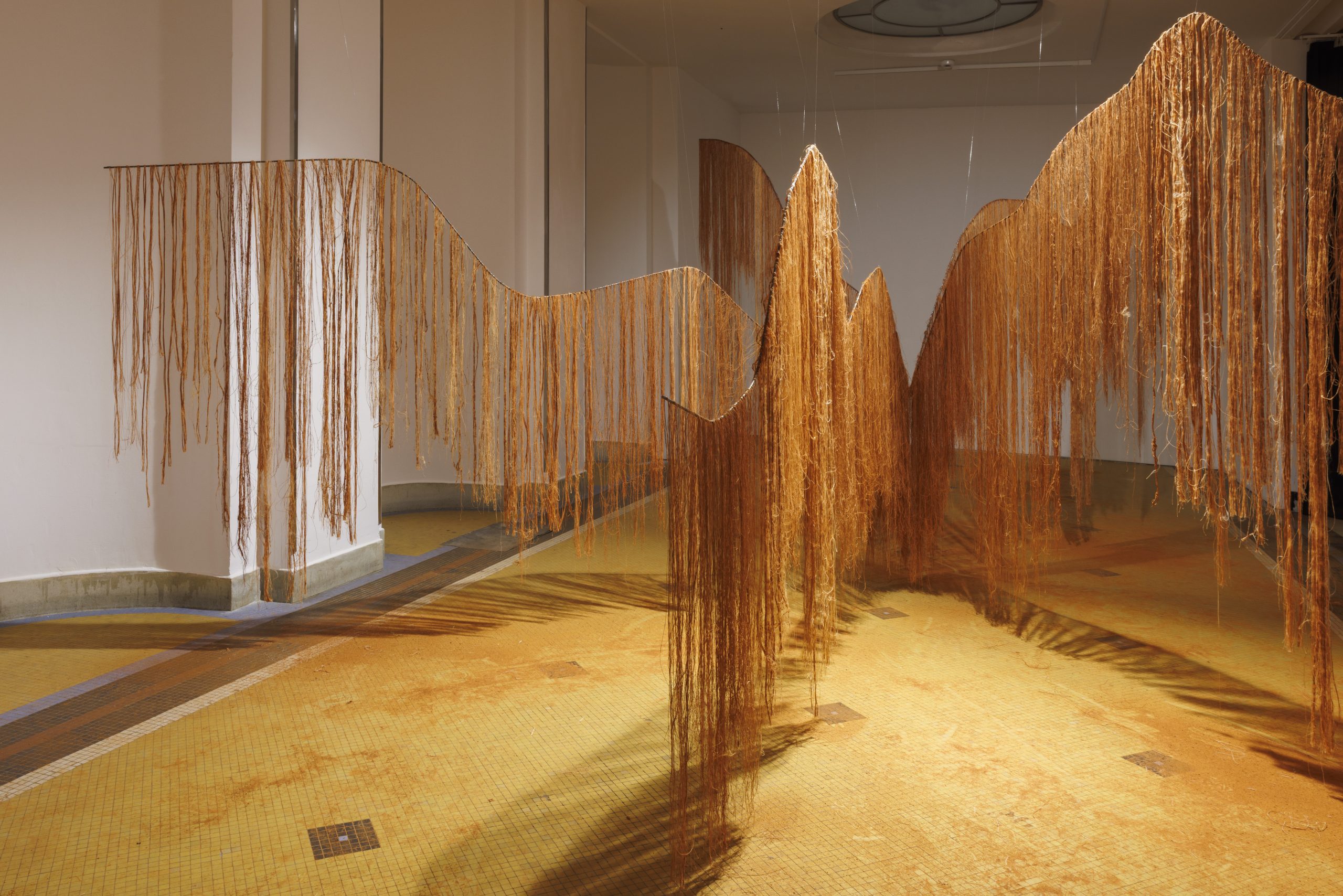
As part of the challenge „If We Opened People Up, We’d Find Landscapes”, Cluj Cultural Centre welcomed Portuguese visual artist Ânia Pais for the Studiotopia residency programme. Working primarily in installation, her practice spans a diverse and experimental range of media, including textiles, ceramics, photography and performance. During this period, she developed two installations – Alma Matter and The Earth Shall Eat—as well as the sound art piece Aware, in collaboration with sound artist João Feio and under the guidance of scientist Tibor Hartel and the Local Challenge Committee: Alexandru Stermin, Mihaela Ghiță and Ciprian Mihali.
In 2025, Ânia Pais undertook a series of research visits in Cluj, in April and again in July, which offered good grounds for connecting with the artistic community, the LCC members and relevant initiatives related to ecology and sustainability. Her visits extended beyond the city itself, to nearby cities like Alba Iulia and rural areas around Cluj, as well as visiting the Ethnographic Museum, urban gardens and nearby forests to gather inspiration and develop ideas for the works she later created and exhibited in the exhibition Shadows of the Landscape.
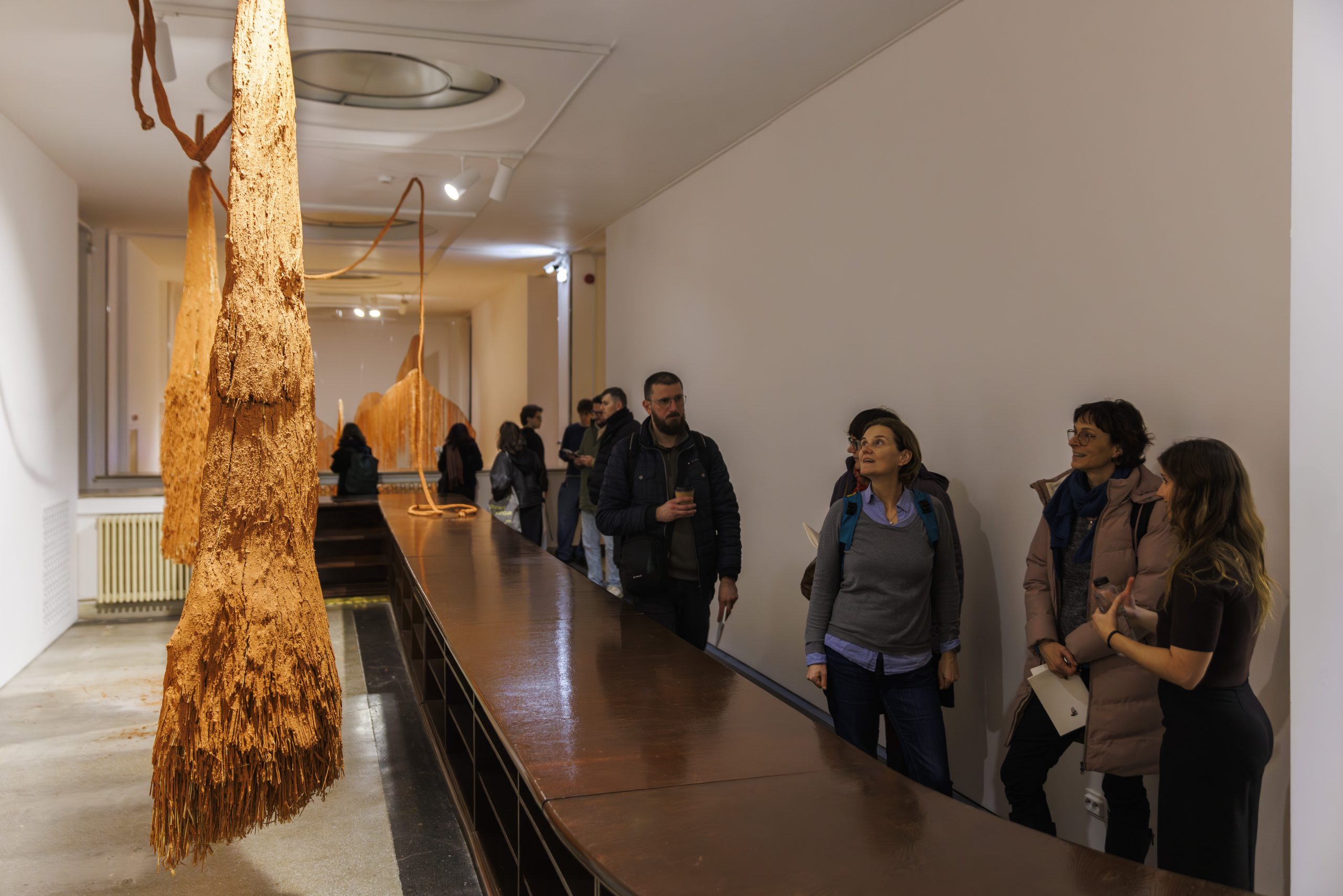
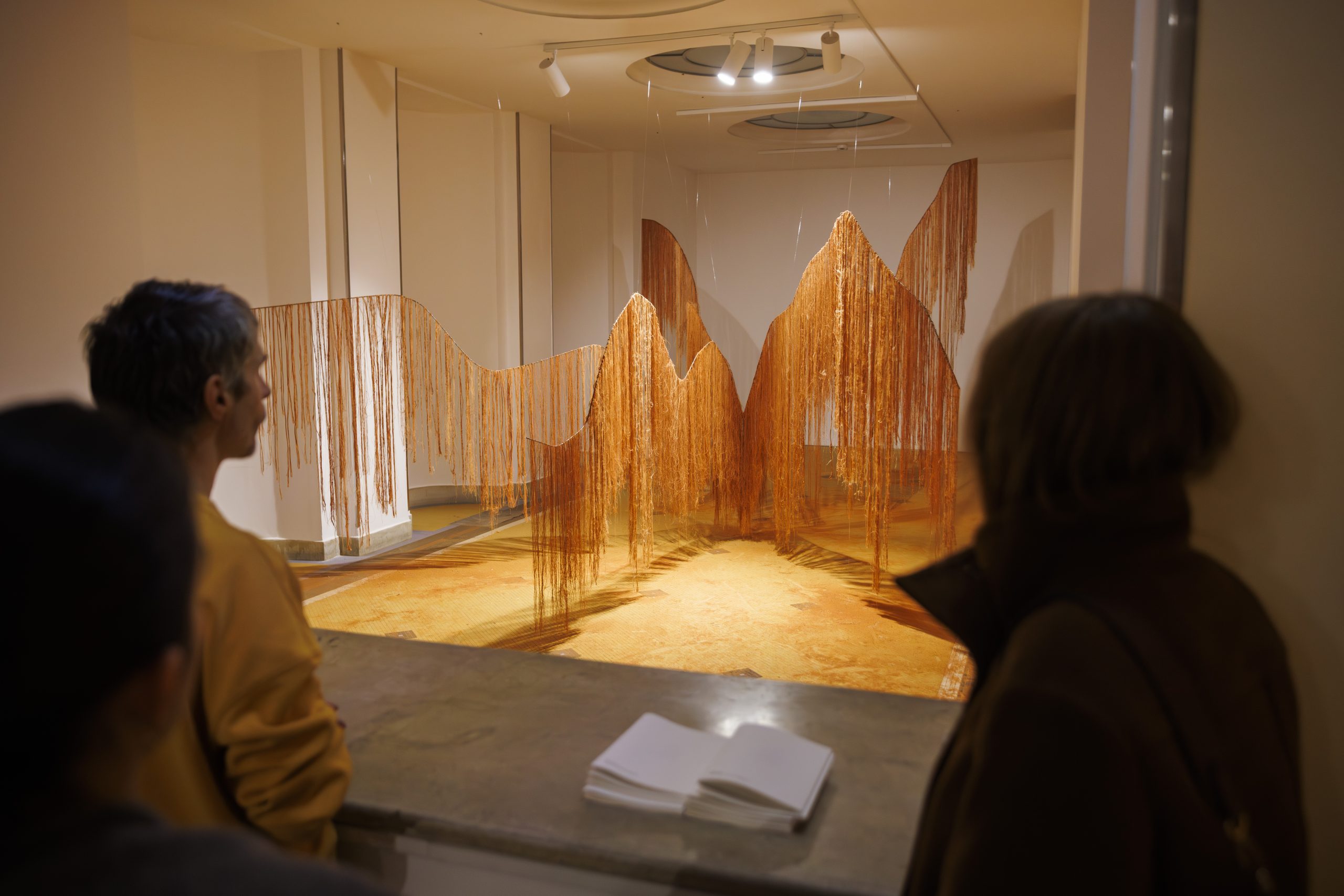
Emerging from this process of research, movement and encounter, Shadows of the Landscape (Contemporar, December 2025 – February 2026) offered a reflection on the development of the artworks from their initial conception to the final exhibition display, as the creative process itself was central, the end result was not the main focus, but rather the journey. It begins with the personification of the landscape, understood as a visible and active presence rather than a merely passive element of nature.
Drawing from this context and process, the exhibition can be understood through the curatorial lens as an exploration of how landscapes are felt and carried:
„There are landscapes we walk through and landscapes that walk through us. Shadows of the Landscape begins from this quiet premise: that every environment leaves a trace, a subtle imprint carried on the body long after the place itself disappears from view. Here, the landscape is not an image to be looked at, but a presence felt through shifts of perception. It lingers as vibration, density, resonance. Instead of presenting the landscape as a visual motif, the exhibition focuses on how it is perceived through the senses, murmuring in the background of one’s attention, insisting that even what seems distant can move us intimately. The works gathered in this space operate less as representations and more as invitations to inhabit this intermediate zone where memory, sensibility and matter converge.
Throughout the exhibition, a subtle dialogue emerges between what can be grasped and what resists articulation. The landscape appears not as a panoramic view but as a constellation of sensations: echo, density, pressure, warmth, distance. It casts shadows not through light, but through its ability to inhabit the visitor’s interior space. The body becomes a threshold where these shadows accumulate, shaping an understanding that is less cognitive than experiential. This approach highlights the role of the body as an active participant in the encounter with the landscape.
Shadows of the Landscape proposes a different form of engagement, one rooted in empathy, attentiveness and the recognition that our relationship with the world is reciprocal. The works ask how we position ourselves in relation to the environments we traverse: whether we approach them with dominance or humility, intrusion or care, insistence or restraint. The exhibition raises these questions subtly, through experience rather than didactic statements, suggesting that sometimes the most meaningful gesture is not to step closer, but to pause; not to grasp, but to witness; not to intervene, but to allow. In this sense, the exhibition reflects a world in which coexistence is not a concept but a condition. It speaks to the delicate balance between visibility and shadow, presence and withdrawal, touch and distance. It encourages visitors to reflect on how landscapes continue to shape us, even when absent.”
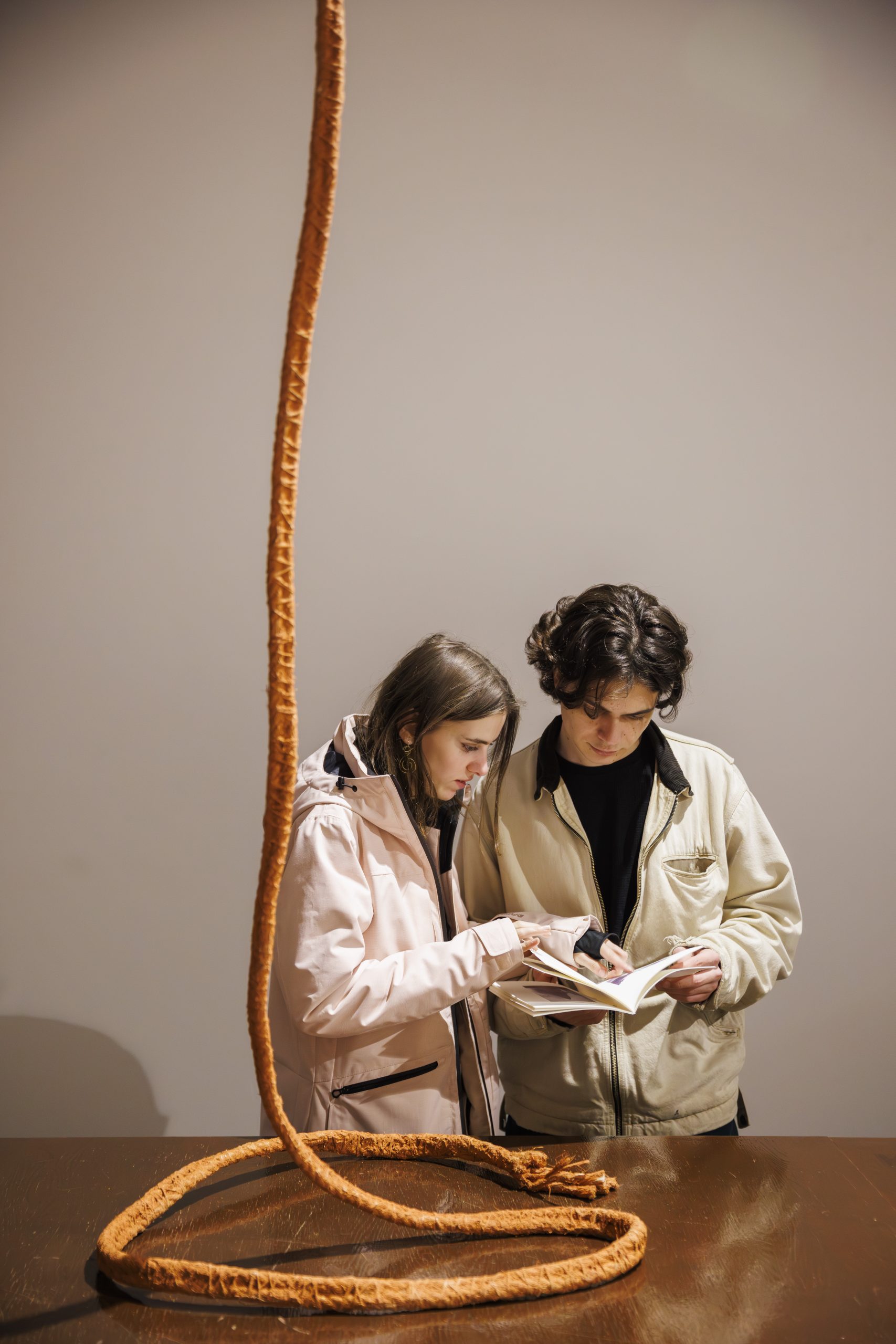
The exhibition is accompanied by a publication edited by Corina Bucea, Director of Cultural Development at the Cluj Cultural Centre, which expands the project beyond the gallery space. Bringing together multiple perspectives, it features a text by scientist Tibor Hartel that examines the dynamics of art-science collaboration and its relevance to ecological concerns and environmental justice. It also includes Ânia Pais’s reflections on her artistic process and the development of the works, alongside a curatorial essay by Gabriela Moldovan and documentation of the research process.
The publication is also available online here.
The video interview below offers an intimate perspective on her practice and the processes behind Shadows of the Landscape, where research, material exploration, and perception unfold through her own voice.