The creative work of communicating science
The creative work of communicating science
We spend an extraordinary amount of time consuming information. We scroll past explanations of solar panels, climate systems and artificial intelligence, watch ninety-second videos about the human brain and save infographics on nutrition, sleep and energy. Scientific knowledge has never been more present in everyday life, nor more readily available. Access, however, is not the same as understanding and understanding something is still a long way from being able to explain it.
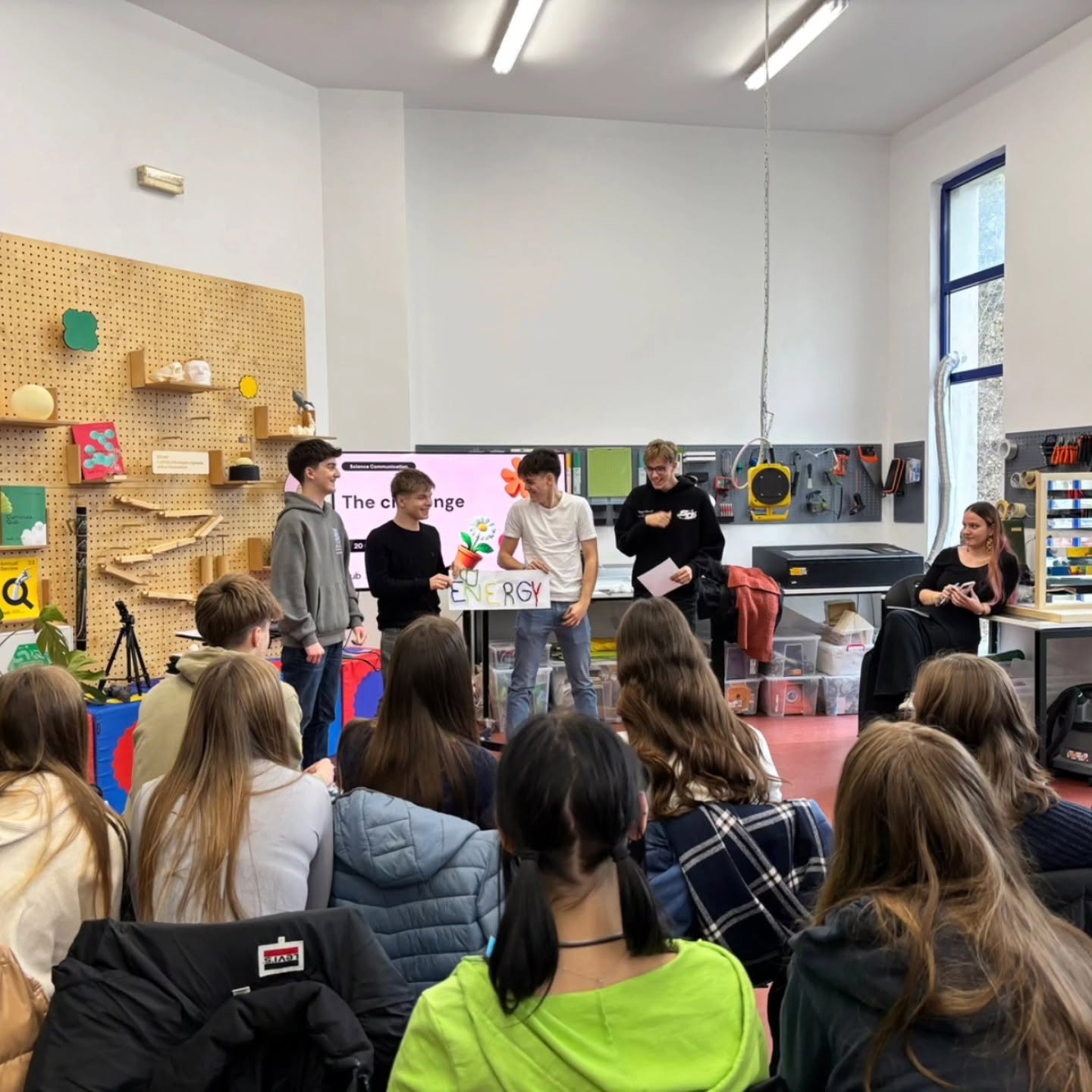
At a Studiotopia Pop-up Lab organised by the Cluj Cultural Centre at Qub in Cluj-Napoca, a group of pupils was given a single subject: energy. Broad enough to fill several libraries, familiar enough to seem deceptively simple. Their task, as part of the Lightbulb Challenge, was to move from that single word to a two-minute presentation capable of holding the attention of a general audience. In other words, they had to stop being consumers of information and become communicators of knowledge.
Before the science, a recipe
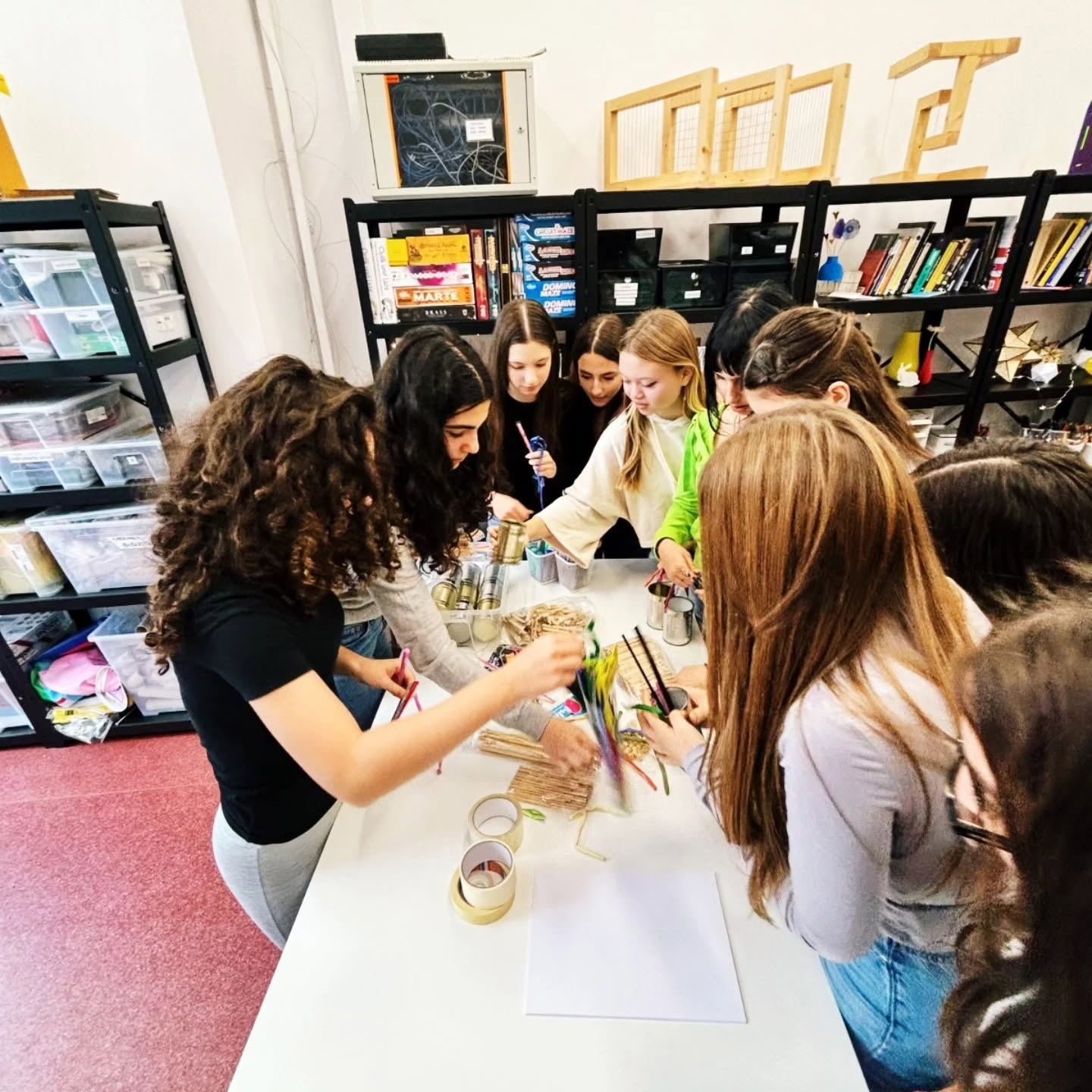
The workshop opened with a deliberately impractical task. Each pupil chose something from the kitchen, an ingredient or a utensil, without coordinating with the others. The newly formed teams then had five minutes to invent a recipe using everything their members had selected. The result was chaotic, slightly absurd and immediately revealing. A collection of ingredients does not automatically become a recipe, just as a collection of facts does not automatically become an argument. Someone needs to see connections, someone needs to keep the group moving, someone follows an unusual idea far enough to discover whether it works, someone gives the final result structure and a voice.
Before moving on to the scientific challenge, the pupils explored how teams can self-organise and were introduced to four possible roles: navigator, explorer, writer and storyteller. The Navigator organises and keeps track of time; the Explorer is driven by curiosity and moves across different fields of knowledge; the Writer takes notes and gives structure to the group’s ideas and the Storyteller thinks about the audience and is comfortable speaking in public. These offered a simple way of making the often invisible work of a team visible and of recognising that a strong presentation is rarely the work of one kind of thinker. Then came the scientific theme.
Twenty minutes, one subject, two minutes on stage
The subject was energy and the teams had twenty minutes to turn it into a presentation. The process was carefully timed. The first three minutes were dedicated to forming the team. From minute four to minute eight, pupils gathered resources. Between minutes nine and twelve, they assigned tasks. By minute sixteen, a first draft had to exist. The final four minutes were reserved for turning it into a presentation ready to be delivered. The time constraint was not incidental. With endless time, it is easy to keep reading, searching and collecting. Under pressure, another skill becomes necessary: judgement.
The pupils had to decide which information was essential, which detail distracted from the main idea and which perspective might make an audience care enough to keep listening. In other words, they had to edit. This is one of the points at which the boundary between scientific and artistic practice becomes remarkably porous. Scientific communication demands accuracy, but accuracy alone does not create understanding. A communicator also works with perspective, sequence, emphasis, analogy and rhythm. The same scientific subject can be approached through a process, an everyday object or a familiar human experience. Choosing the angle is both an intellectual and a creative act. And energy proved particularly generous in this respect.
From solar power to coffee, hugs and potatoes
By the end of the challenge, energy had travelled in several unexpected directions. The pupils spoke about the processes behind solar energy, but also about the energy we get from coffee, from a hug and even from a potato. Some presentations began with scientific processes, while others found their starting point in everyday observations. Each team had to explore its chosen angle, investigate it and decide what was worth telling.
Behind these very different presentations was the same demanding process: finding information, identifying what was relevant, questioning claims and shaping the result into an argument that someone else would want to follow.
This journey from information to understanding and from understanding to communication was at the heart of the Lightbulb Challenge. Developed by writer Ada Roseti and brought to Qub together with Games of Science as part of the Studiotopia Pop-up Labs, the challenge responds to a reality that is easy to overlook. Young people consume an extraordinary amount of information, but rarely have the opportunity to practise turning that information into knowledge they can question, argue and communicate.
As the teams researched, the question of sources inevitably entered the room. Myths were debated and claims were questioned. The pupils also discussed how AI-based search tools could be used in functional ways when researching a subject, while still approaching the information they found with critical judgement. The goal was never simply to produce a polished speech. They had to negotiate a balance that professional communicators face constantly: simplifying without distorting, creating a compelling narrative without sacrificing the science and making an idea memorable without stripping it of its complexity.
When artistic thinking becomes a scientific tool
This was where artistic thinking became particularly useful. A story can establish a point of view, a metaphor can offer a bridge towards an unfamiliar concept, a drawing can make a relationship easier to see. Gesture, voice and timing influence what an audience notices and remembers. The tools available to the teams – from storytelling and visual elements to role-play and simple props – opened up different ways of giving scientific ideas a form.
Art, in this context, was not there to decorate science or make a presentation more entertaining, it became part of the thinking process: finding the right metaphor requires understanding what is essential about an idea; building a narrative means deciding how one piece of information leads to another, choosing an image or an example forces the communicator to consider what the audience already knows and where a bridge needs to be built.
Putting the ideas to the test
The presentations were the final stage of the challenge. Each team delivered its two-minute speech, answered questions and received feedback. The science behind the argument mattered, but so did its architecture. Was the central idea clear? Did the examples support it? Was the information convincing? Did the presentation have a direction? Could the audience follow it? For a while, Qub operated simultaneously as a study lab and a creative studio. Scientific ideas were researched, debated, edited and eventually spoken aloud. Knowledge did not remain on a screen or in a search result, it had to pass through a group of people, survive different perspectives, acquire structure and finally reach an audience. And sometimes, the idea that made science easier to understand came from the most unexpected place: the energy inside a potato.

Making, testing, imagining: where art and science meet
Making, testing, imagining: where art and science meet
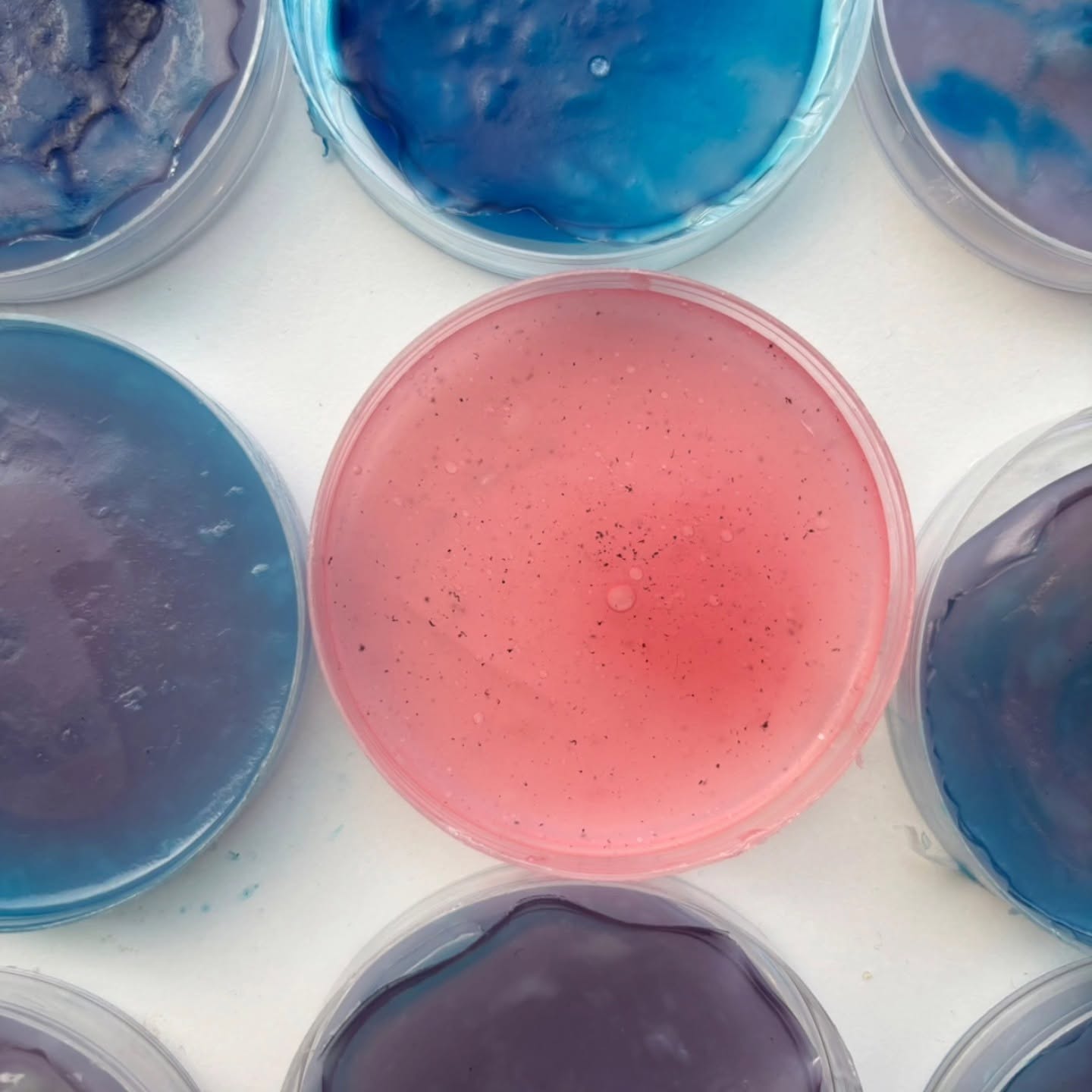
A child is carefully pouring a warm mixture of gelatin, starch and vinegar into a small mould. Just moments ago, the ingredients looked as though they belonged in a kitchen cupboard. Soon, they will become a sheet of biodegradable plastic.
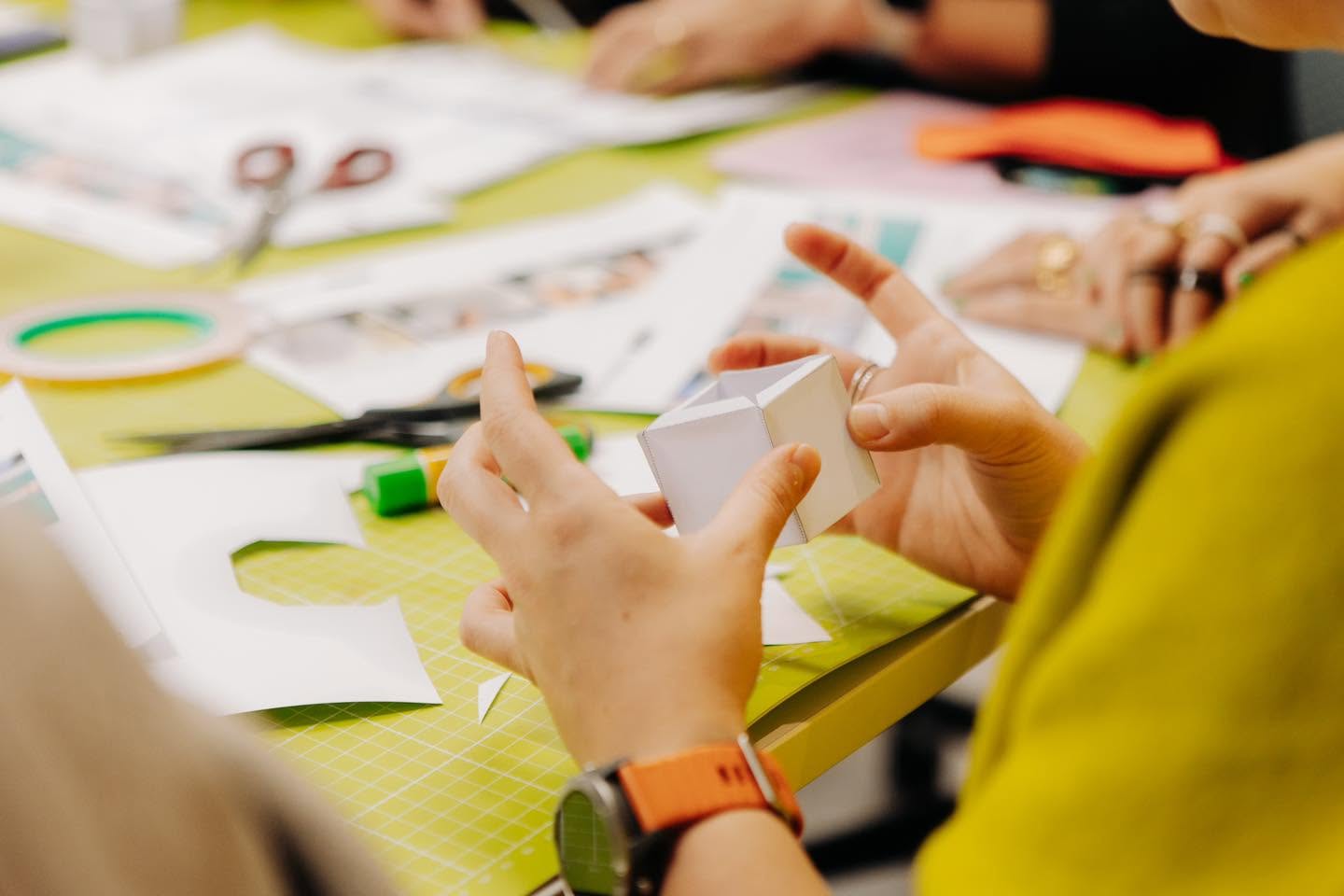
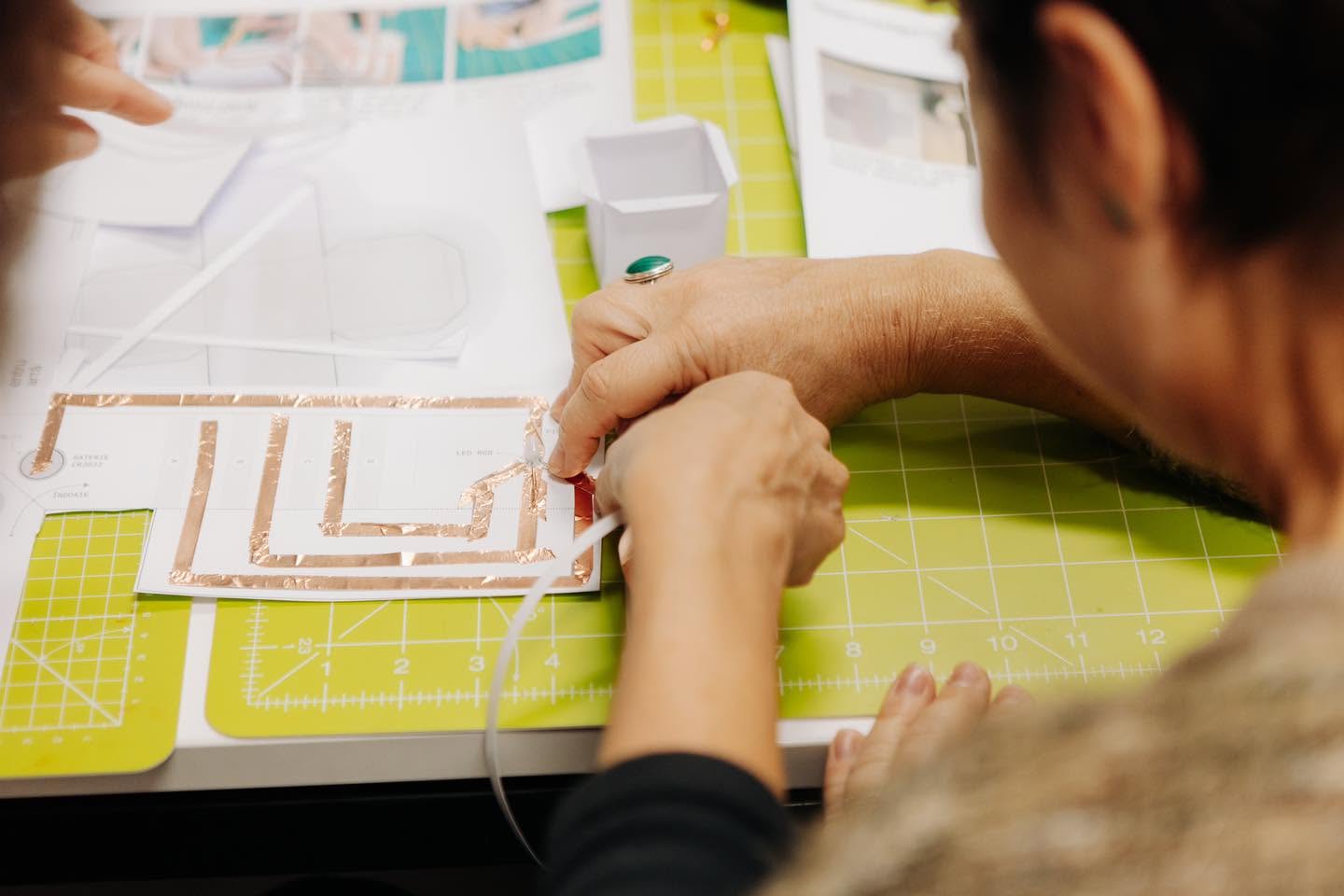
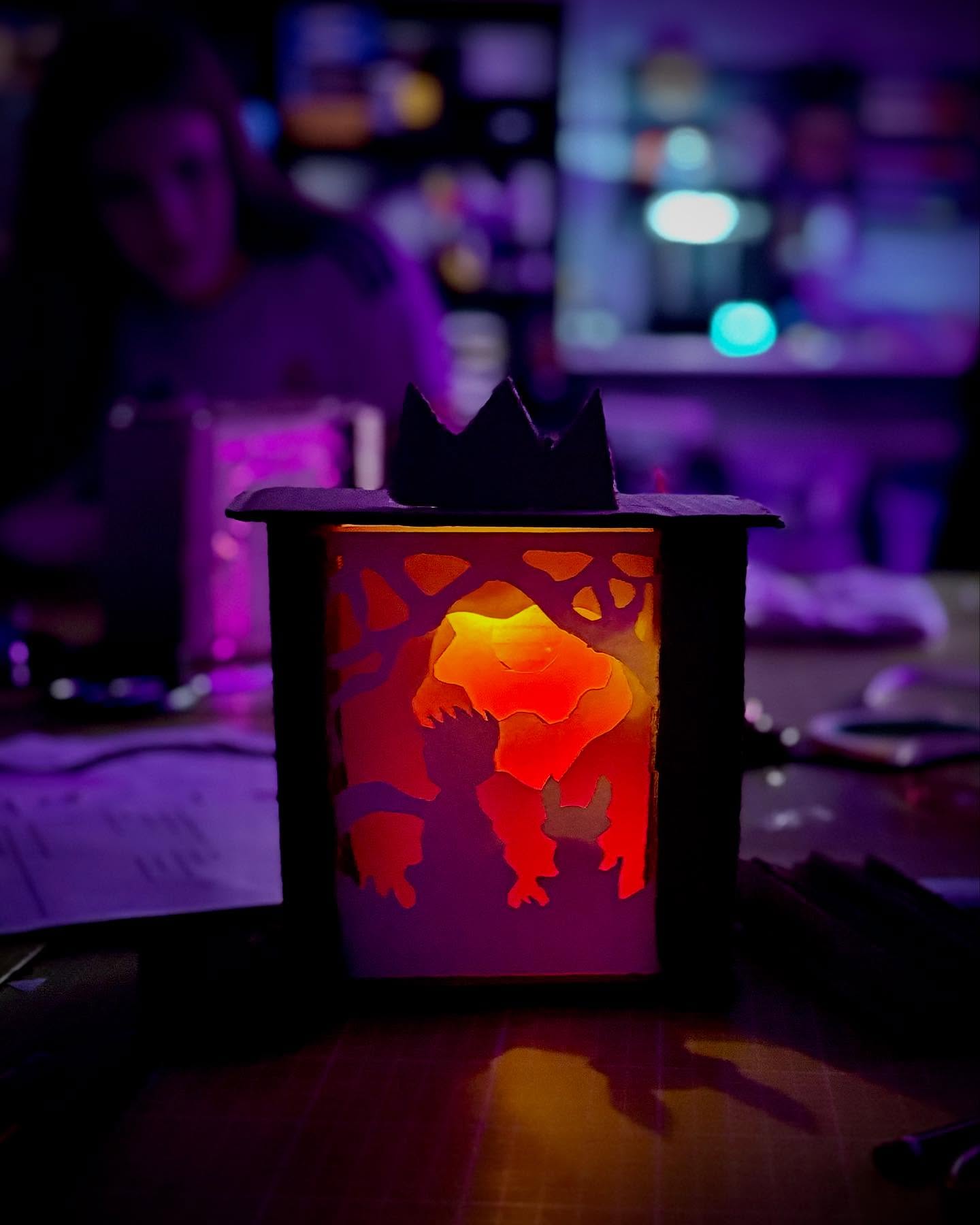
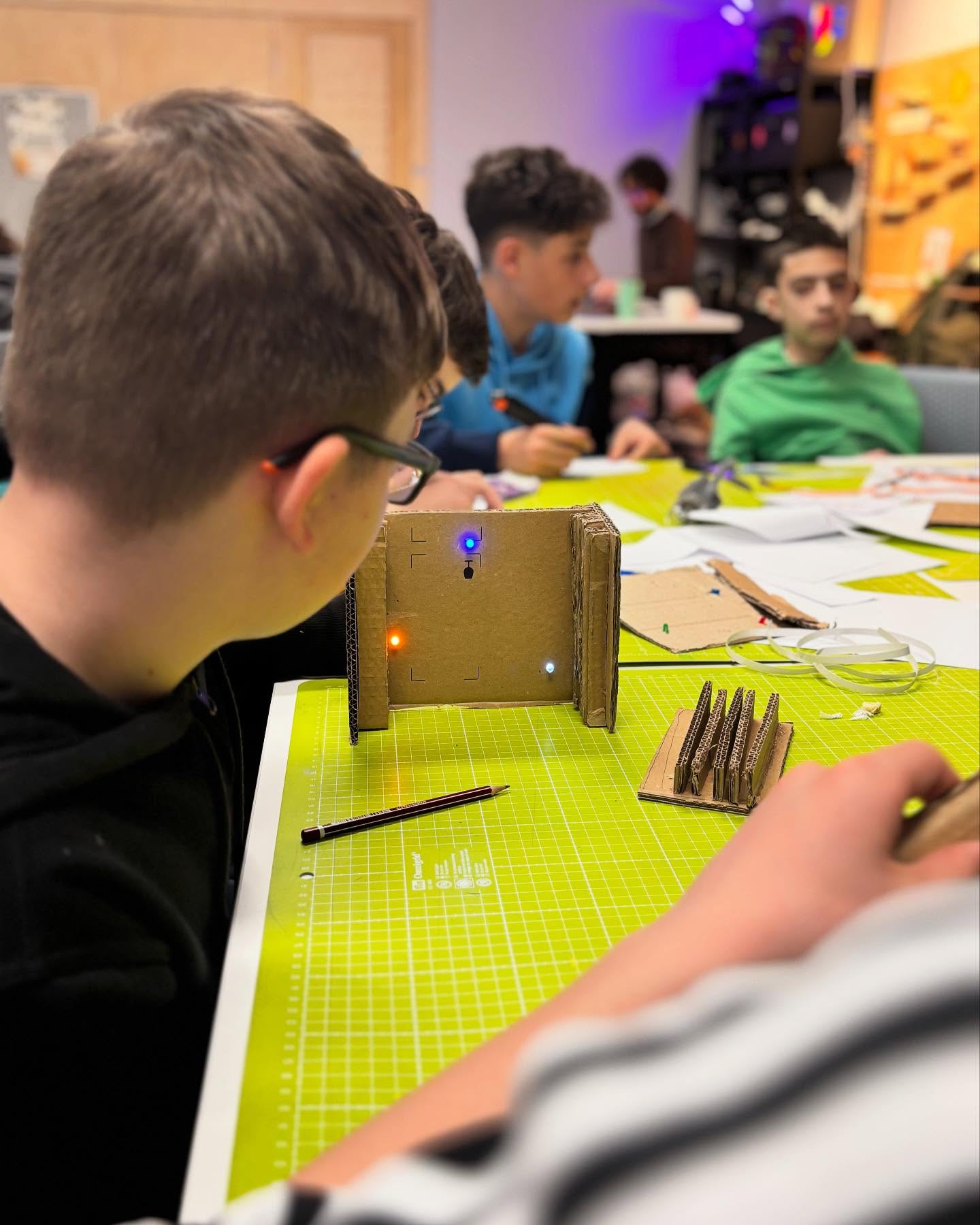
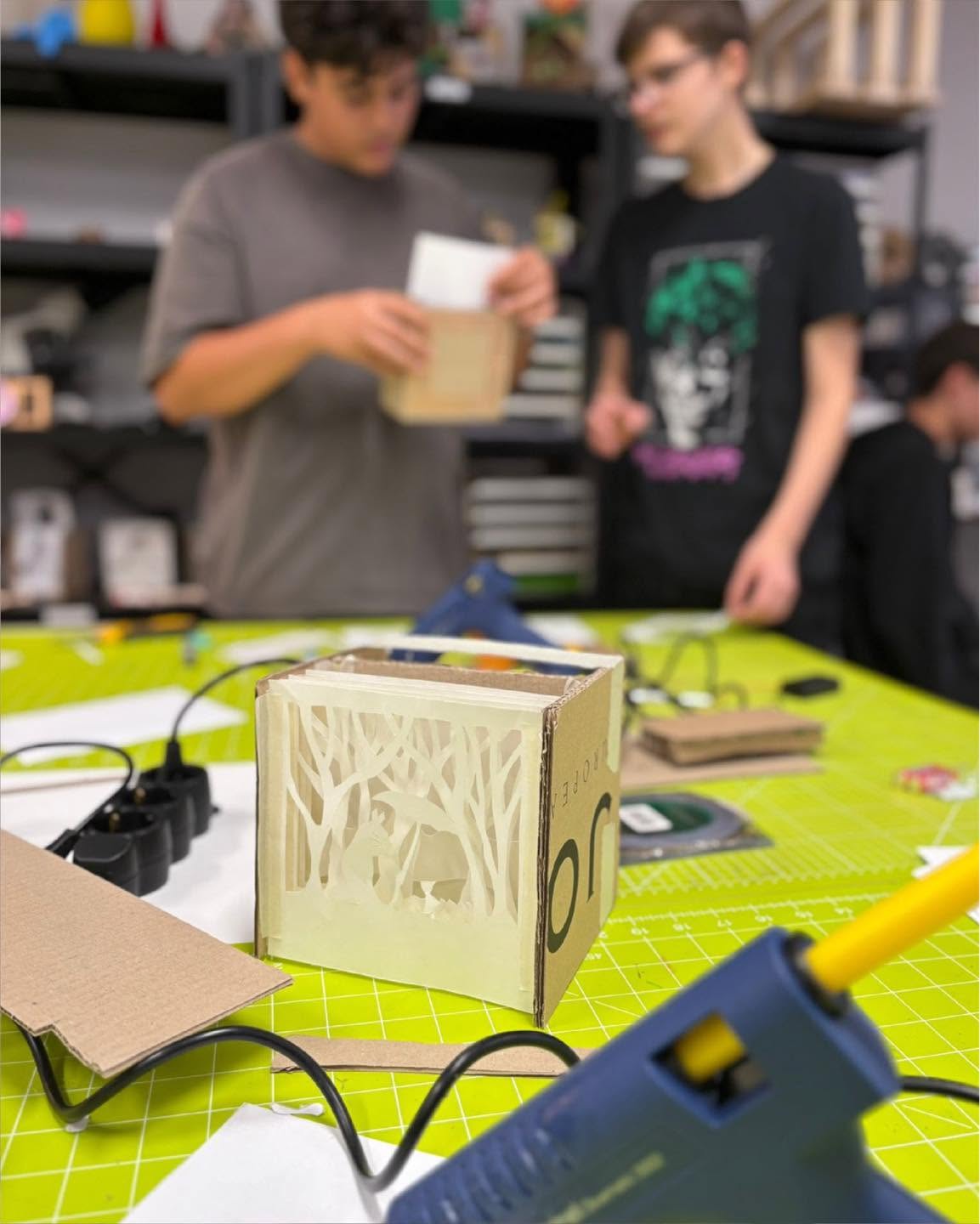
Small hands carefully press copper tape onto folded paper. A tiny LED flickers to life and an ordinary paper sculpture suddenly begins to glow. Electricity is no longer an invisible force hidden inside textbooks, it becomes something children can build, test and hold in their hands. Paper sculpting, pattern design and colour shift the focus from simply making the circuit work to exploring shape, composition and the way light moves through the object.
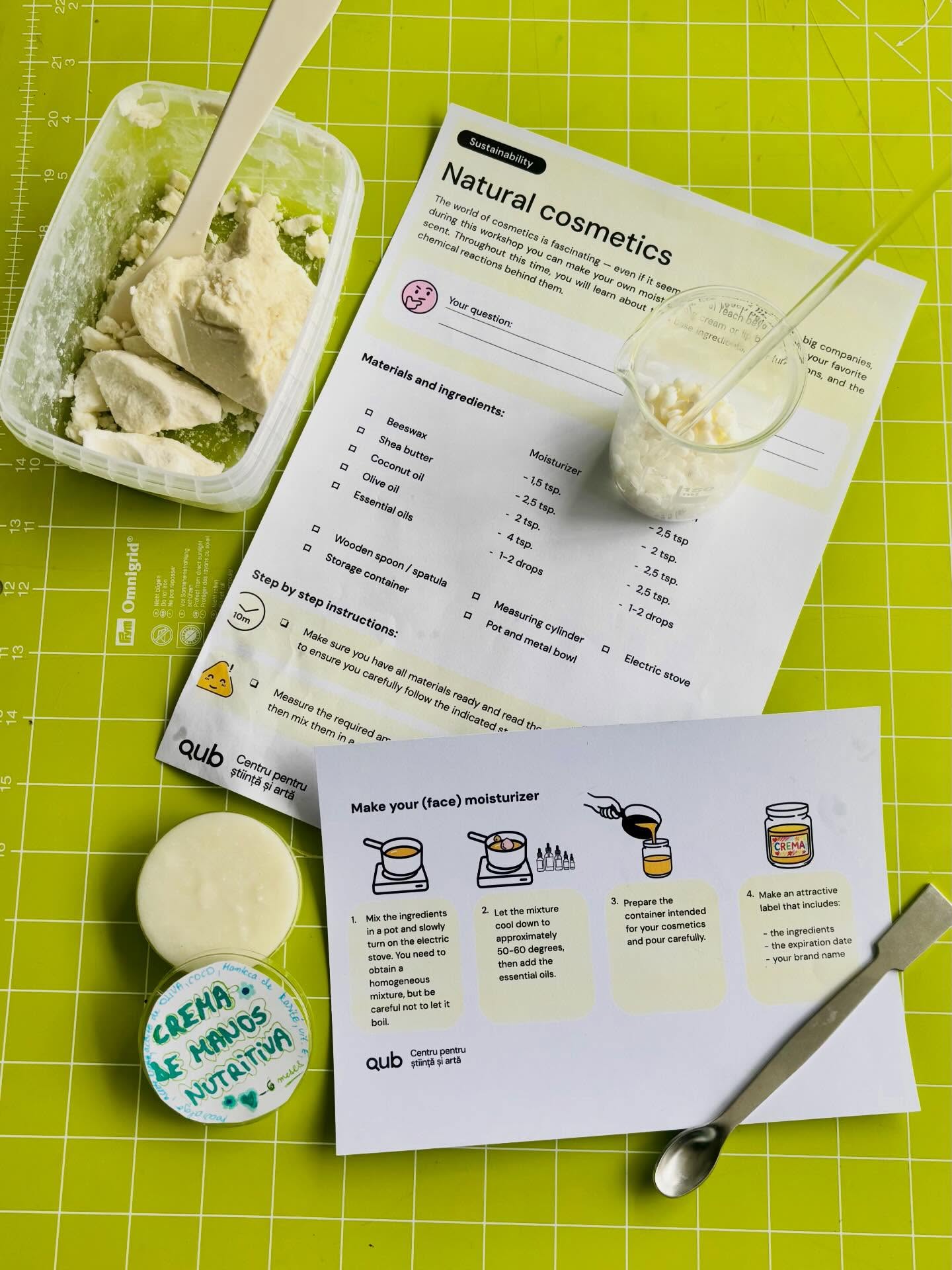
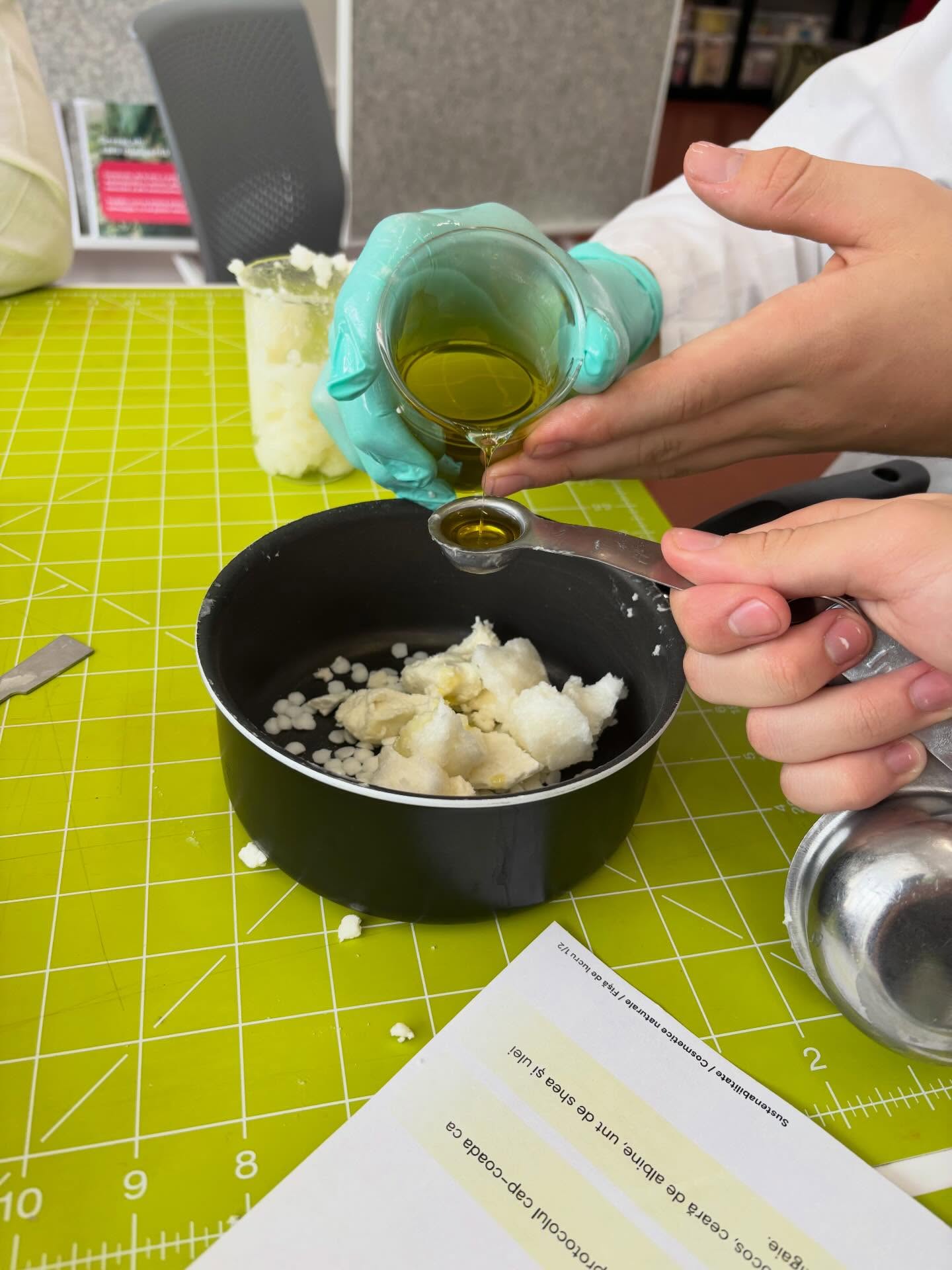
The room fills with the scent of lavender, rosemary and citrus as children blend natural oils, waxes and botanical extracts. They compare textures, observe how ingredients react to one another and discover that chemistry is present in every fragrance, colour and consistency they create.
None of the children would probably describe what they are doing as learning physics, chemistry or material science. Yet that is precisely what is happening, they are discovering that science is something you can touch, question, reshape and understand through making, not a collection of facts waiting to be memorised. This simple shift, from learning aboutscience to learning through making, was at the heart of the Studiotopia Pop-up Labs, organised by the Cluj Cultural Centre at Qub in Cluj-Napoca, Romania.
Two disciplines, one way of exploring the world
For decades, science and art have largely been taught as separate worlds. Science has often been associated with precision, formulas and correct answers, while art has been framed as a space for imagination and personal expression. Yet beyond the classroom, these disciplines have never truly existed in isolation. Both begin with curiosity, both ask questions before they offer answers, both invite us to observe the world more carefully, experiment with new possibilities and imagine realities that do not yet exist. This understanding shaped the educational approach behind the Pop-up Labs developed by the Cluj Cultural Centre. Rather than using artistic activities to make science more entertaining or scientific concepts to justify artistic creation, the workshops were designed around the premise that art and science are complementary ways of exploring the world. Paper sculpting, illustration, visual storytelling, pattern design and colour mixing were integrated into the process as ways of investigating scientific ideas and giving them a visible form.
When children are encouraged to move naturally between observation, experimentation and creation, learning becomes deeper, more intuitive and, perhaps most importantly, more meaningful. The workshops also responded to a challenge that extends far beyond education. As children spend more time engaging with nature through screens than through direct experience, understanding ecosystems, materials or natural phenomena requires opportunities to reconnect with the living world through exploration, making and sensory experience. Each Pop-up Lab invited participants to do exactly that, transforming scientific concepts into something tangible, personal and closely connected to everyday life.
When a material becomes a creative medium
The Bioplastic workshop offered one of the clearest examples of this approach. Conversations about plastic pollution often begin with alarming statistics or images of overflowing landfills. Here, they began with a bowl of ingredients. Using gelatin, starch, glycerine and vinegar, children experimented with recipes for biodegradable materials, observing how different substances changed consistency, elasticity and texture. They adjusted proportions, compared results and discovered that materials are not fixed objects but outcomes of experimentation and design.
Without realising it, they were following the same process scientists use every day: making observations, testing hypotheses, learning from unexpected results and refining their ideas. Environmental education emerged naturally from this process: rather than being told that plastic is a problem, participants experienced how sustainable alternatives are created through imagination, experimentation and scientific thinking.
The experiment became even more engaging when the children took the process one step further, using the materials they had created to make jewellery and badges, which they could paint and personalise however they wished. At this point, the properties they had been observing as young scientists became creative choices: texture influenced the shape of an object, flexibility opened up different possibilities and colour and form gave each piece its own identity. While science helped them understand the material, art gave them a reason to explore what the material could become.
Chemistry through the senses
The Natural Cosmetics workshop approached chemistry from an equally unexpected angle. Instead of introducing chemical reactions through laboratory equipment, children explored them through plants, essential oils, botanical extracts and natural waxes. They learned how ingredients interact, how emulsions are formed, why certain combinations produce different textures and fragrances and how plants contain properties that have been understood and used for generations. Scientific knowledge unfolded through smell, touch and observation, making chemistry feel less like an abstract discipline and more like a language for understanding the natural world.
The workshop also encouraged participants to think critically about everyday consumption. Every cosmetic product tells a story, not only about chemistry, but also about biodiversity, natural resources, production processes and sustainability. By creating their own products, children discovered that even ordinary objects carry invisible scientific, environmental and cultural choices.
Electricity enters the story
Perhaps the most poetic encounter between science and art happened during the Light Stories workshop. Here, electrical circuits became almost invisible, quietly supporting layered paper narratives that came alive through light. Inspired by The Little Prince, children transformed one of literature’s most beloved stories into illuminated paper scenes, using hidden LEDs to reveal characters, landscapes and carefully crafted details. Paper sculpting and illustration gave the scenes their physical form, while visual storytelling, pattern and colour helped establish mood and guide the eye through each composition. The placement of light itself became an artistic decision: what should remain in shadow, what should be revealed and which detail should the viewer notice first? In the process, they discovered that light could guide attention, shape atmosphere and become part of the narrative itself.
Electricity was no longer simply a physical phenomenon to be explained, it became emotion, storytelling and imagination. Understanding how a circuit works was only the beginning. What truly mattered was discovering how scientific principles could become creative tools for expressing ideas, emotions and stories. By combining paper engineering, illustration and simple electronics, children experienced science as a language capable of bringing an imaginary world to life.
Although each Pop-up Lab explored different scientific fields, from material science and chemistry to physics and electronics, they shared a remarkably consistent methodology. Children were invited to observe before receiving explanations, to experiment before reaching conclusions and to create before being evaluated. They behaved like scientists long before they realised they were learning science. At the same time, they worked through processes familiar to artists: choosing materials, experimenting with form and colour, building compositions, responding to unexpected results and refining an idea as it developed. This way of learning feels particularly relevant today. The environmental challenges facing younger generations cannot be addressed through scientific literacy alone, they also demand creativity, empathy and the ability to understand relationships between humans, materials and ecosystems. Education, therefore, needs spaces where knowledge is not divided into isolated disciplines but experienced as an interconnected process. At Qub, this happened through simple gestures: mixing ingredients, folding paper, painting, connecting circuits, testing ideas and asking questions.
Pop-Up Lab: Studiotopia Jam
Pop-up Lab: Studiotopia Jam
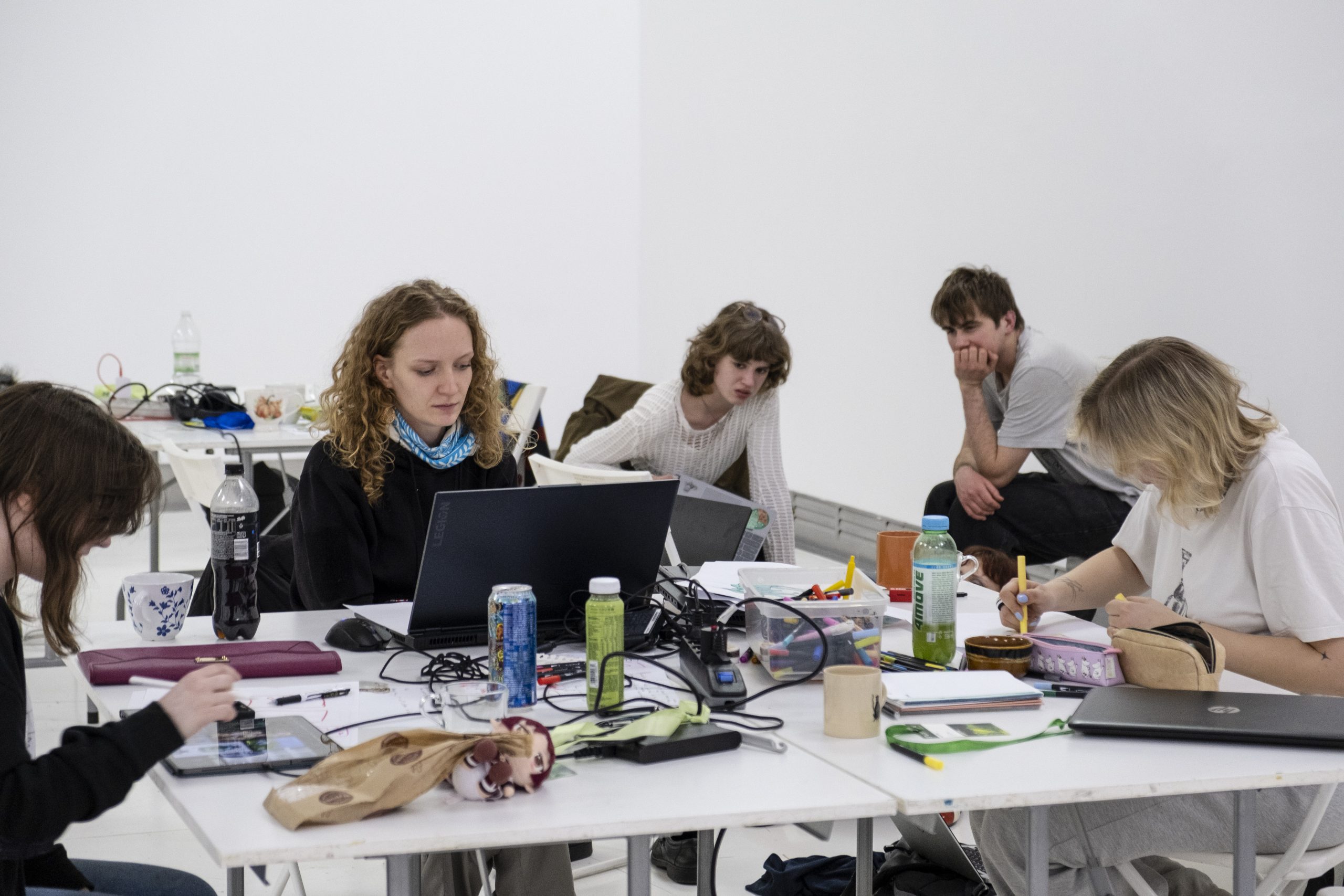
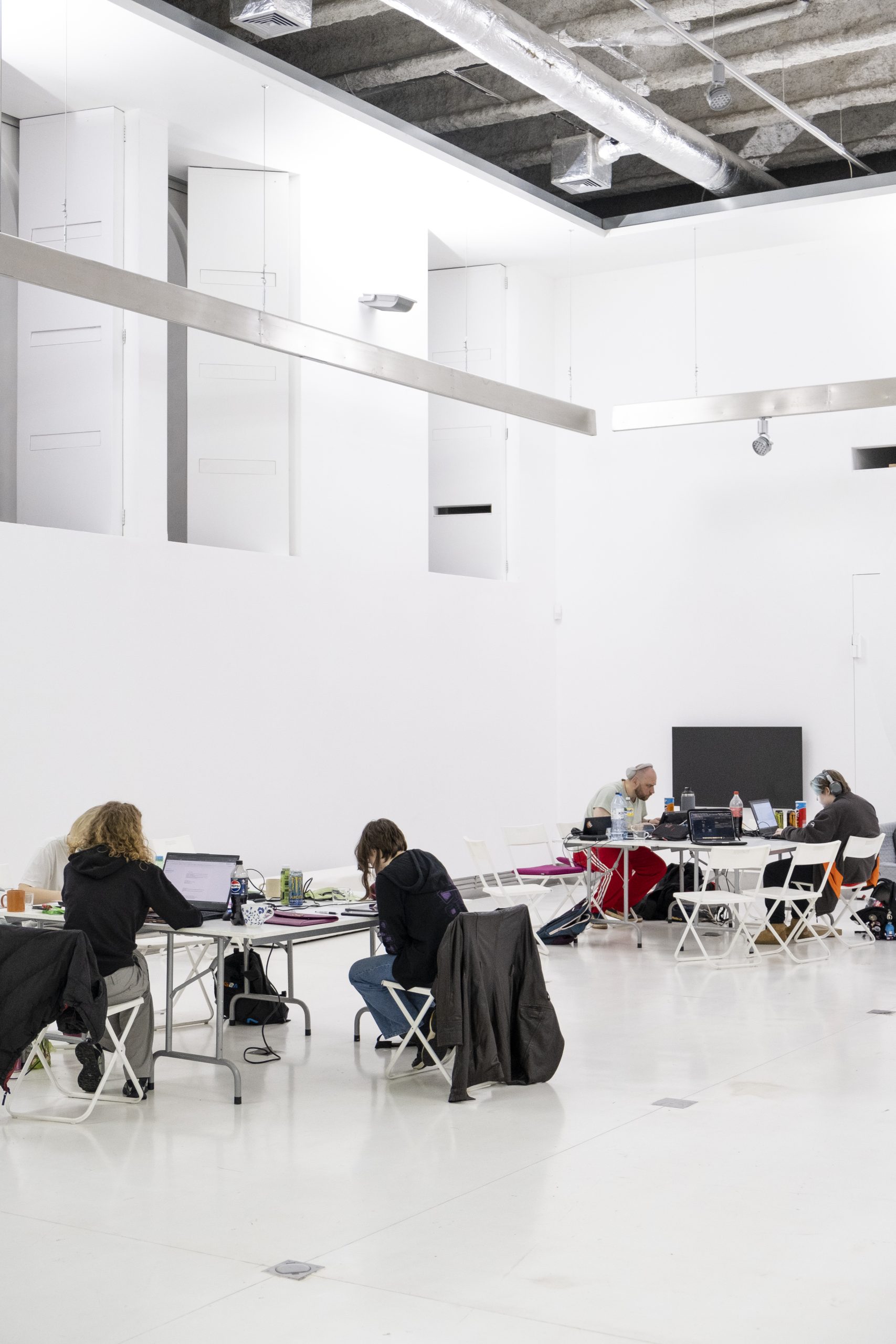
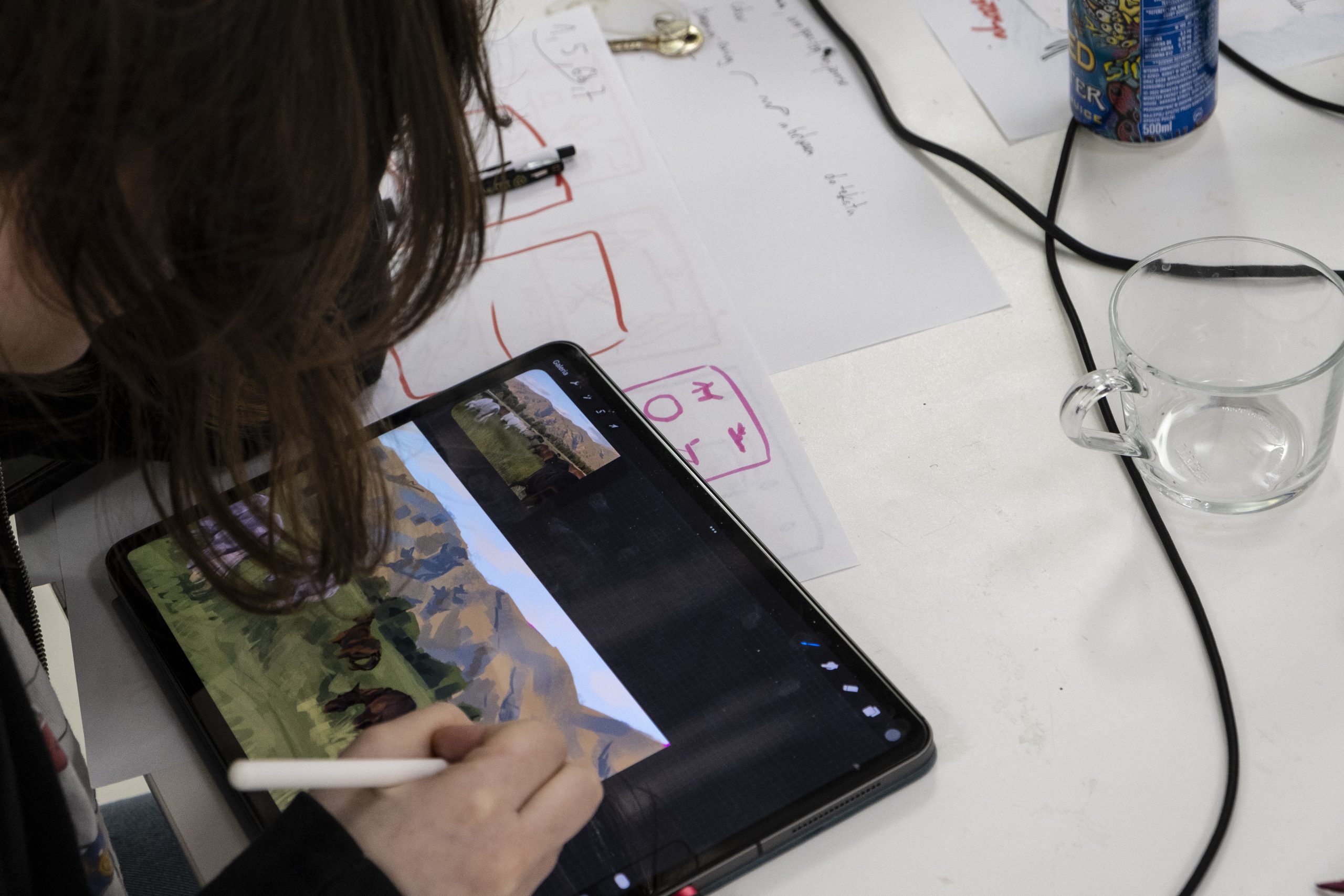
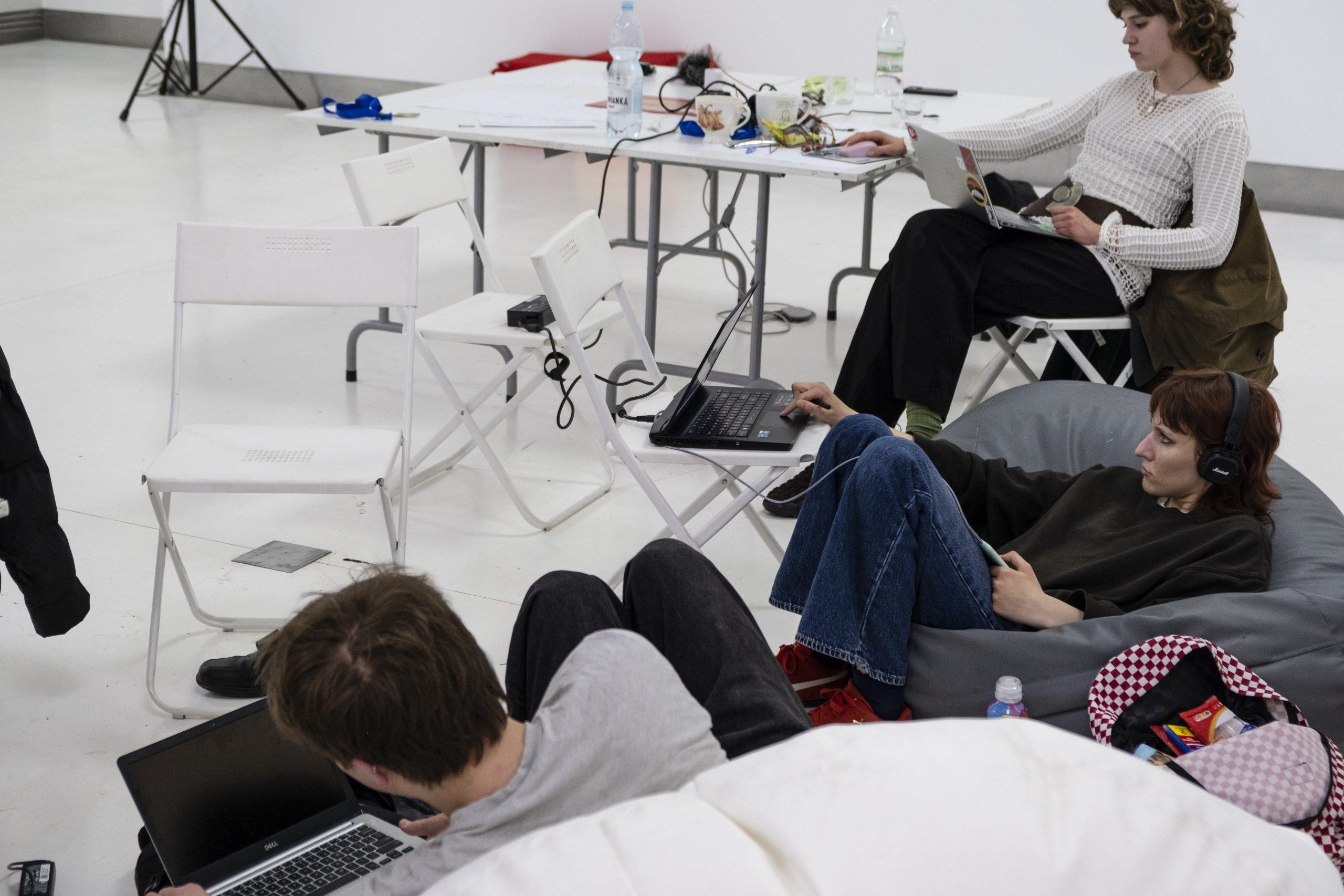
From April 24–26, 2026, the Łaźnia Centre for Contemporary Art (now the Gdańsk Centre for Contemporary Art) hosted an intensive 48-hour game jam organized as part of the international Studiotopia 2 project. The event also featured a lecture by Łukasz Goraczewski – an experienced game designer specializing in data-driven design.
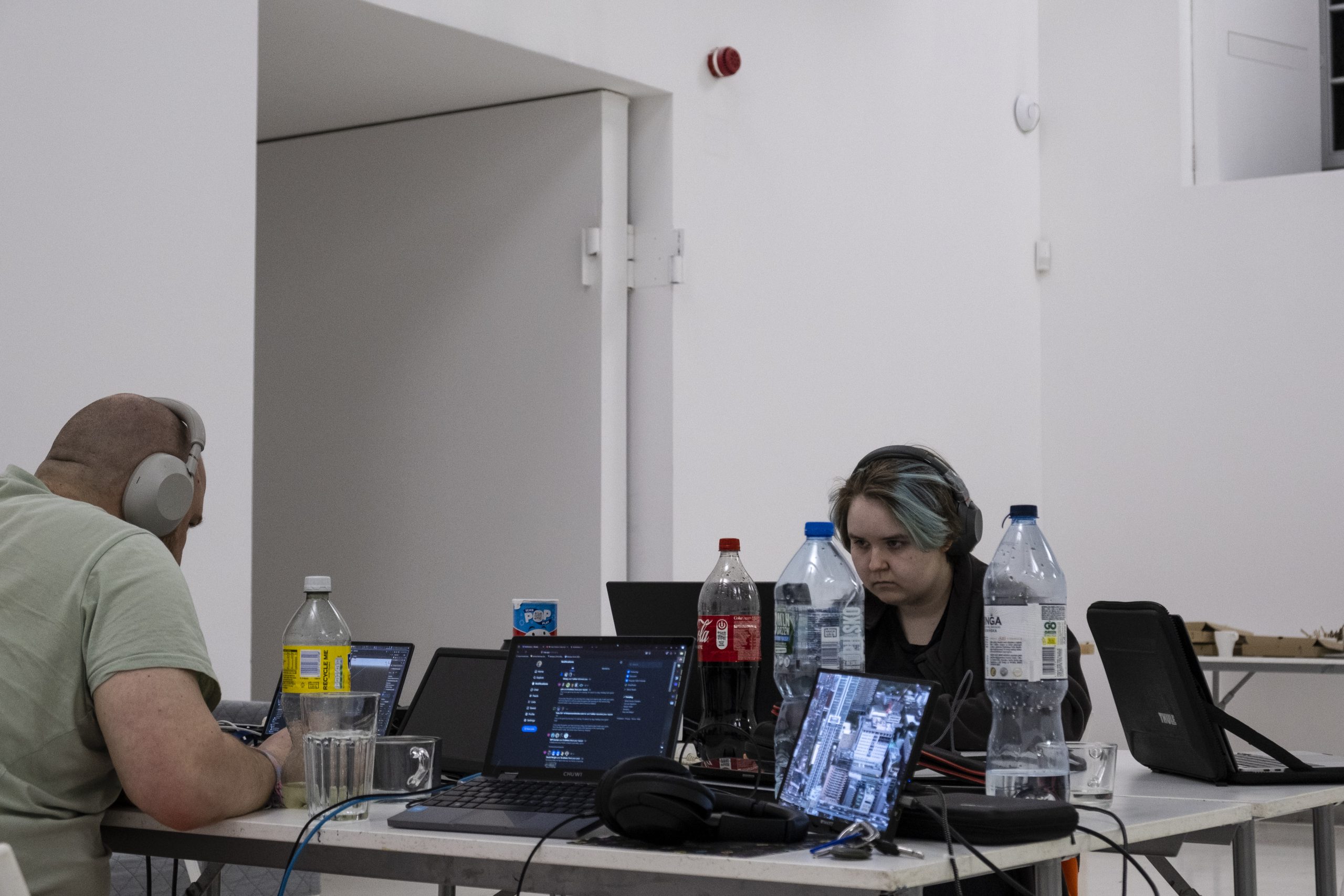
Three teams took part in the game jam. Despite the limited timeframe, all groups successfully developed functional game prototypes exploring the relationship between humans and the natural environment.
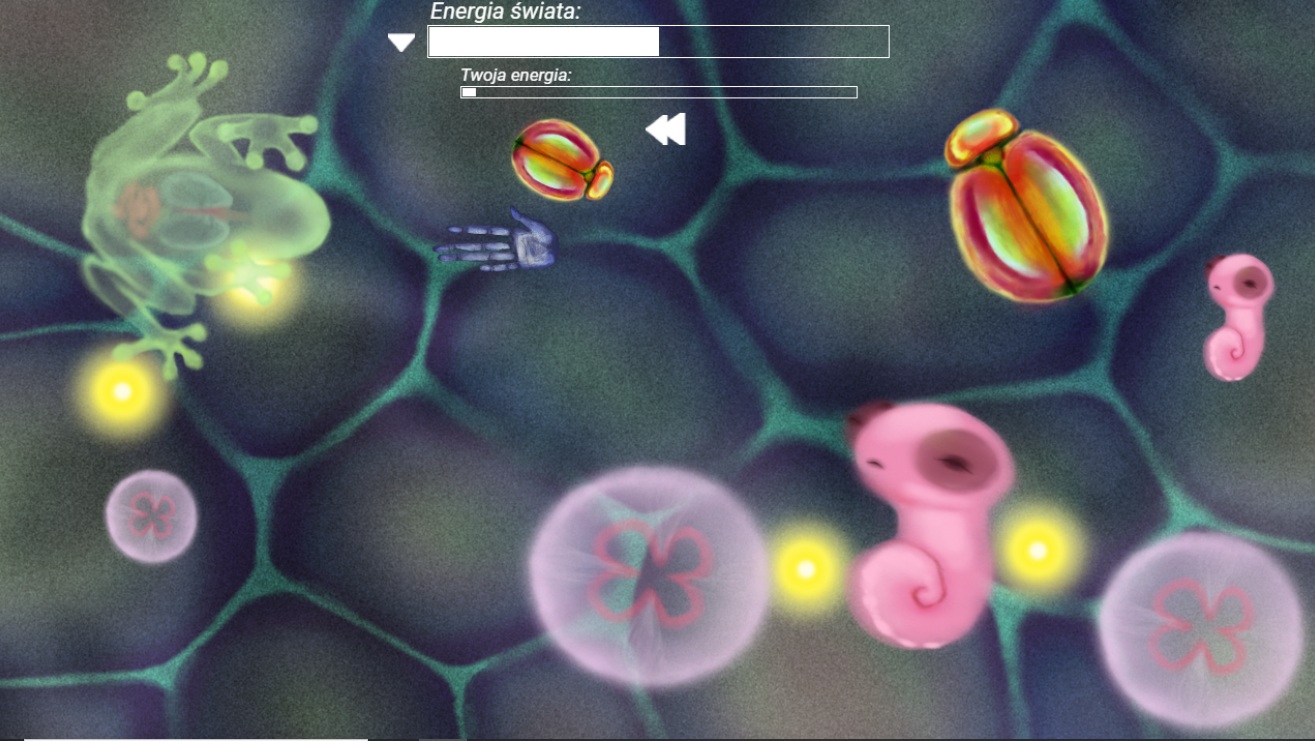
The winning project, “Symbiocen 3” by Andrzej Habas, Oliwia Gapińska, and Pola Sztuk, focuses on developing an ecosystem inhabited by the player. The player discovers and learns the game’s system through interaction, deciding whether to cooperate with other organisms or act independently.
Other projects included:
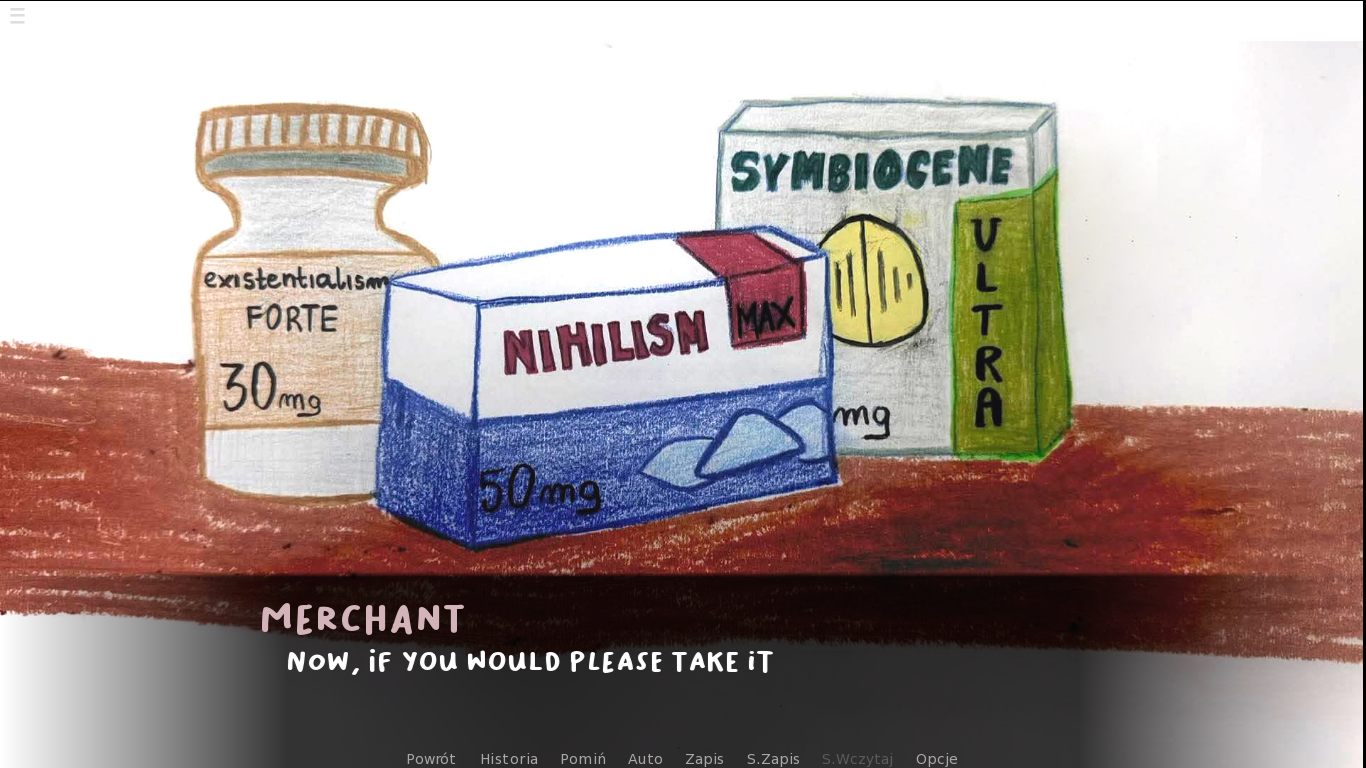
- “Symbiocen Ultra” – an interactive visual novel using the format of a pseudo-psychological test to prompt reflection on the role of humans in the natural world. Authors: Zuzanna Ziarnik, Eliza Pilarska, Nadia Kasprowicz.
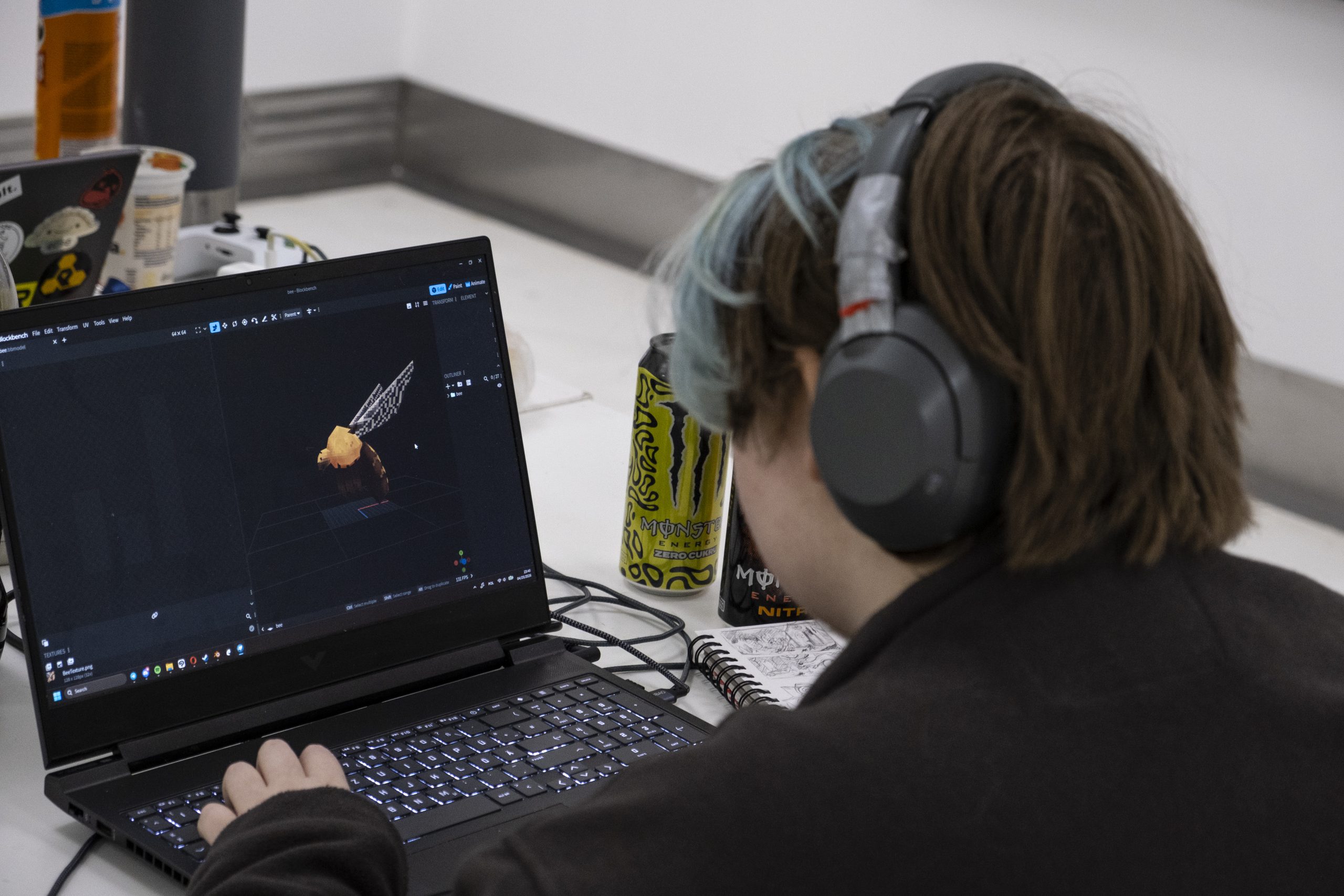
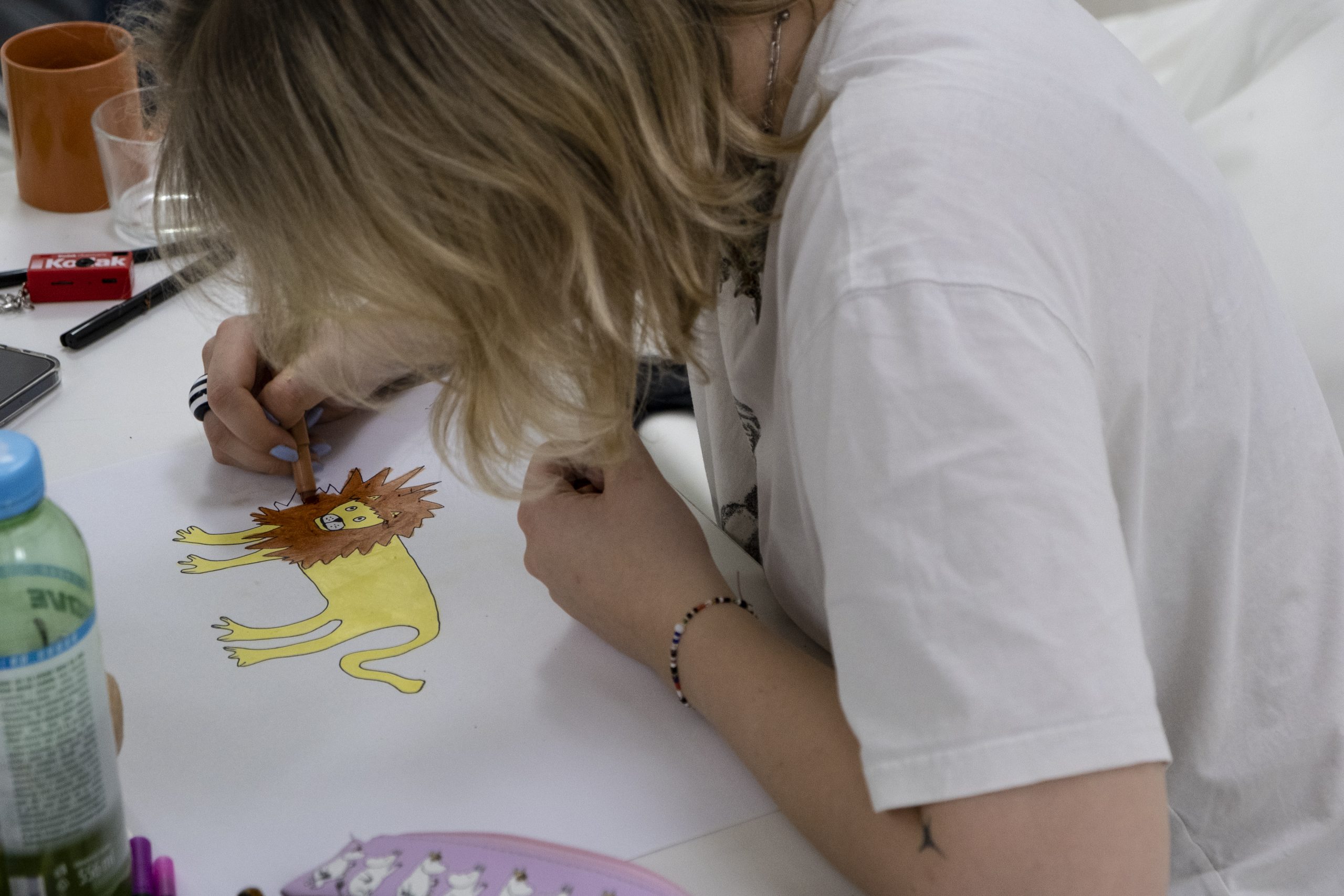
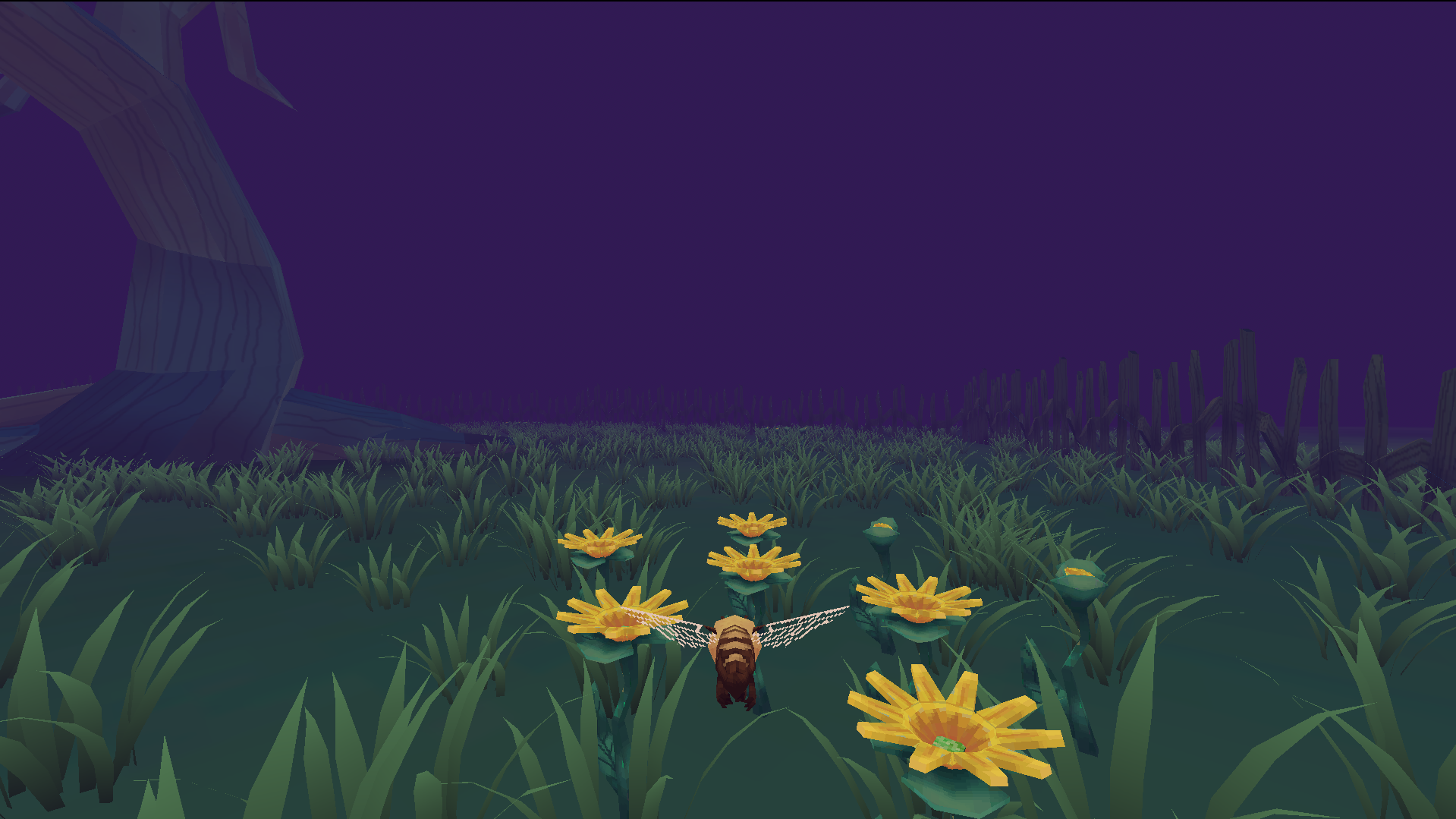
- “Symbeeocne” – a game by Maciej “Sev Mu-9” Dyk and Mantis Kozłowski, in which the player takes on the role of a bee pollinating flowers; progress gradually transforms the visual atmosphere of the game, making it increasingly brighter and more uplifting.
All developed games will be presented at the Gdansk Centre for Contemporary Art, Jaskółcza 1, until the end of the exhibition “Studiotopia 2.0 | Sensitive Data of the Anthropocene.”
Studiotopia International Pop-up Lab 2025 brought interdisciplinary creativity to Cluj-Napoca
Studiotopia International Pop-up Lab 2025 brought interdisciplinary creativity to Cluj-Napoca
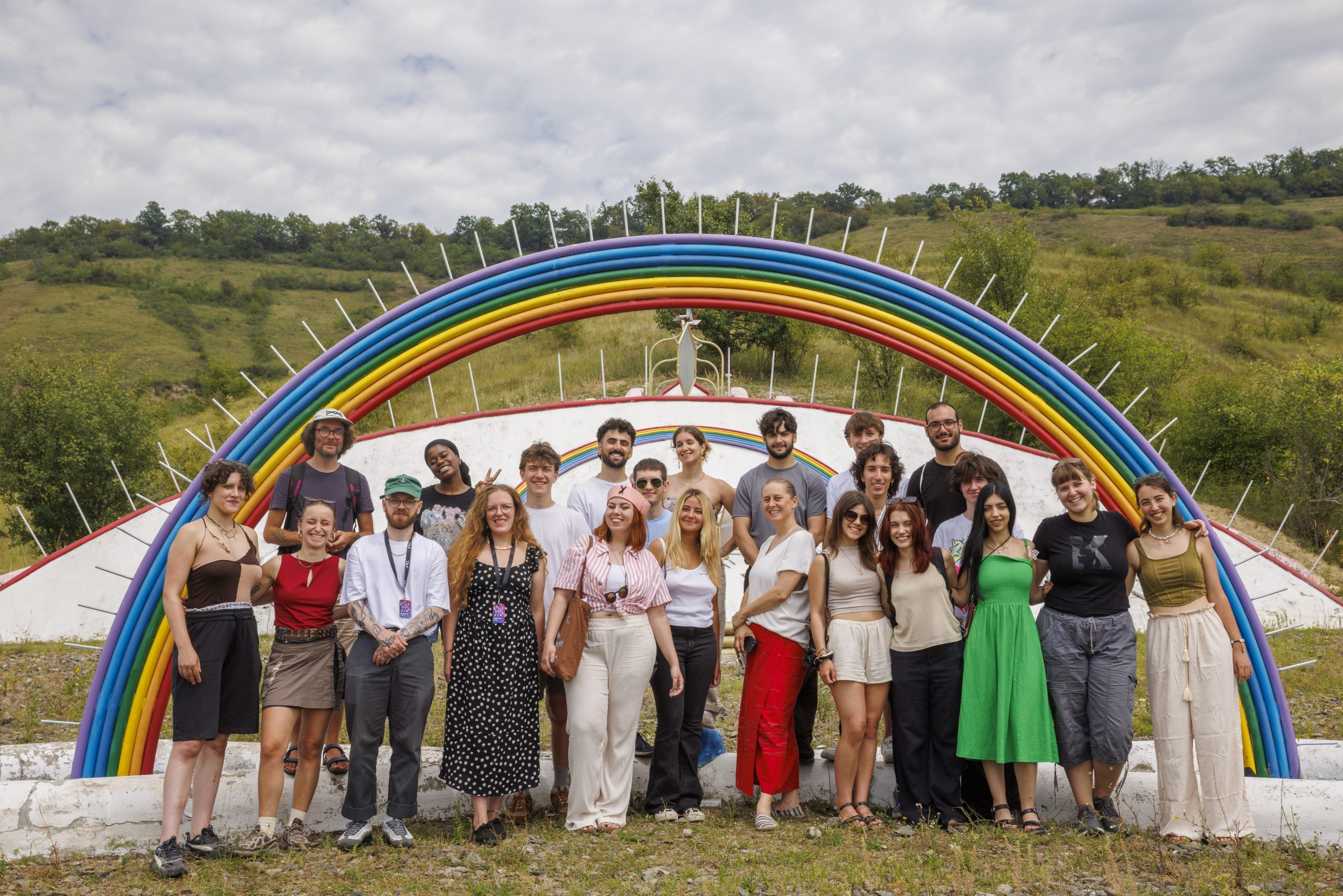
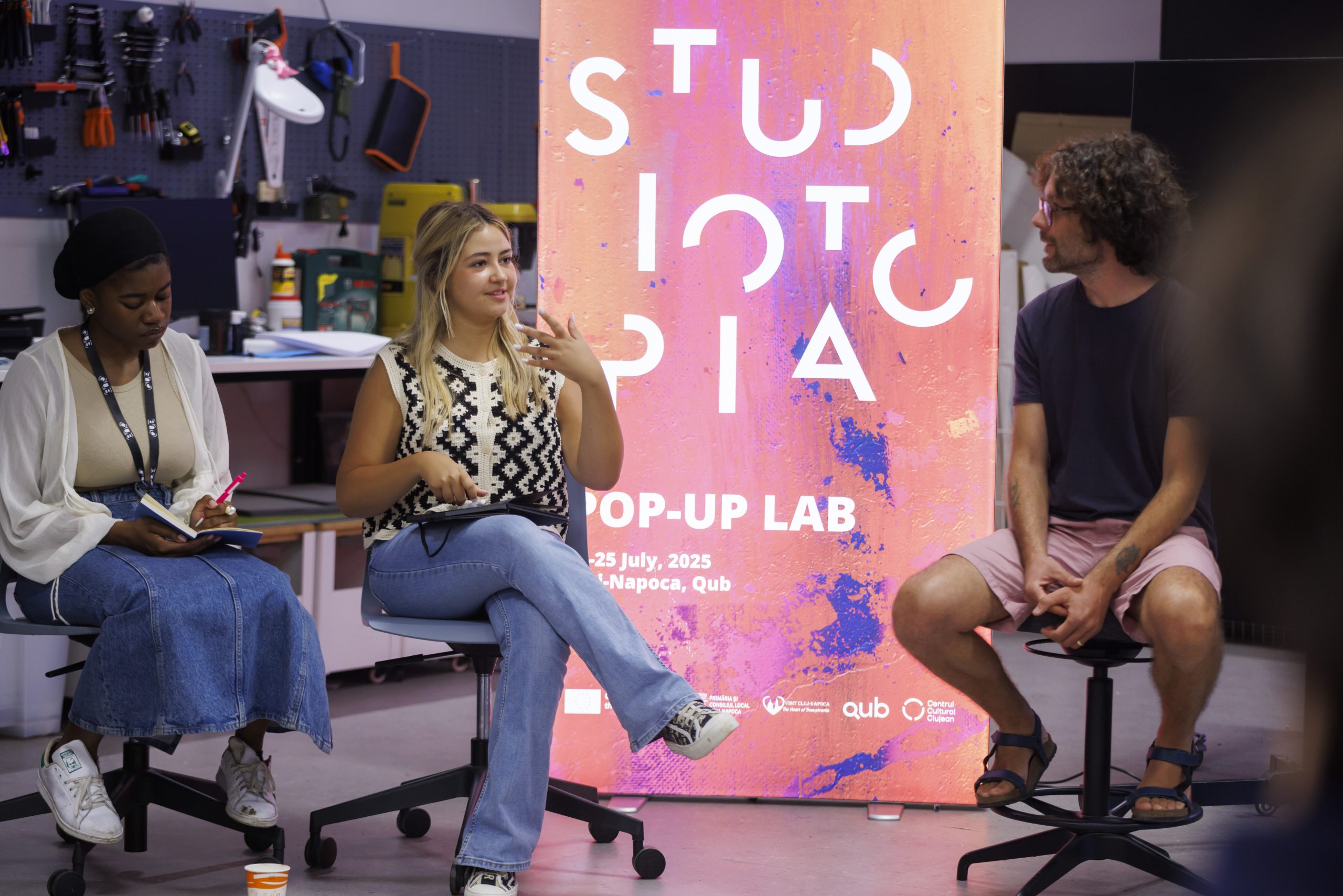
Between 21–25 July 2025, Cluj-Napoca became a hub for interdisciplinary exchange and experimentation, hosting the Studiotopia International Pop-up Lab, an intensive summer school that brought together art, science and education to explore sustainable urban futures.
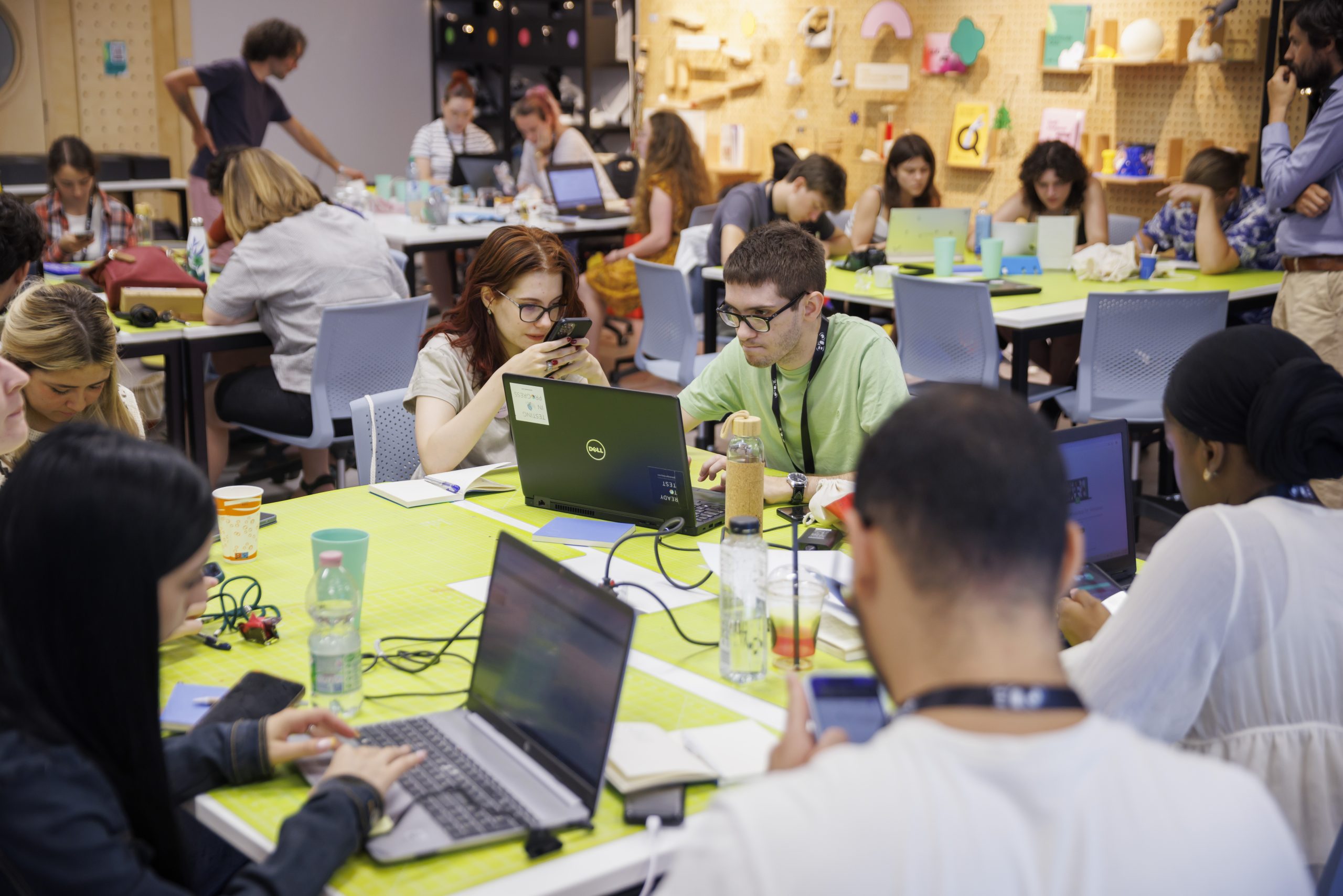
The program gathered 20 young participants from Romania and across Europe, who spent five days working collaboratively on creative and practical responses to pressing urban challenges. Designed as a dynamic learning environment, the lab combined Design Thinking methodologies, artistic exploration and field-based research, encouraging participants to rethink how cities function and whom they serve.
A week of exploration, collaboration, and creative inquiry
The Studiotopia International Pop-up Lab opened with a meet & greet session that quickly set the tone for a highly interactive week. One of the first exercises, Pop-Up Places, invited participants to translate personal memories into handcrafted pop-up cards, mapping emotional connections to their home cities through storytelling and visual expression.
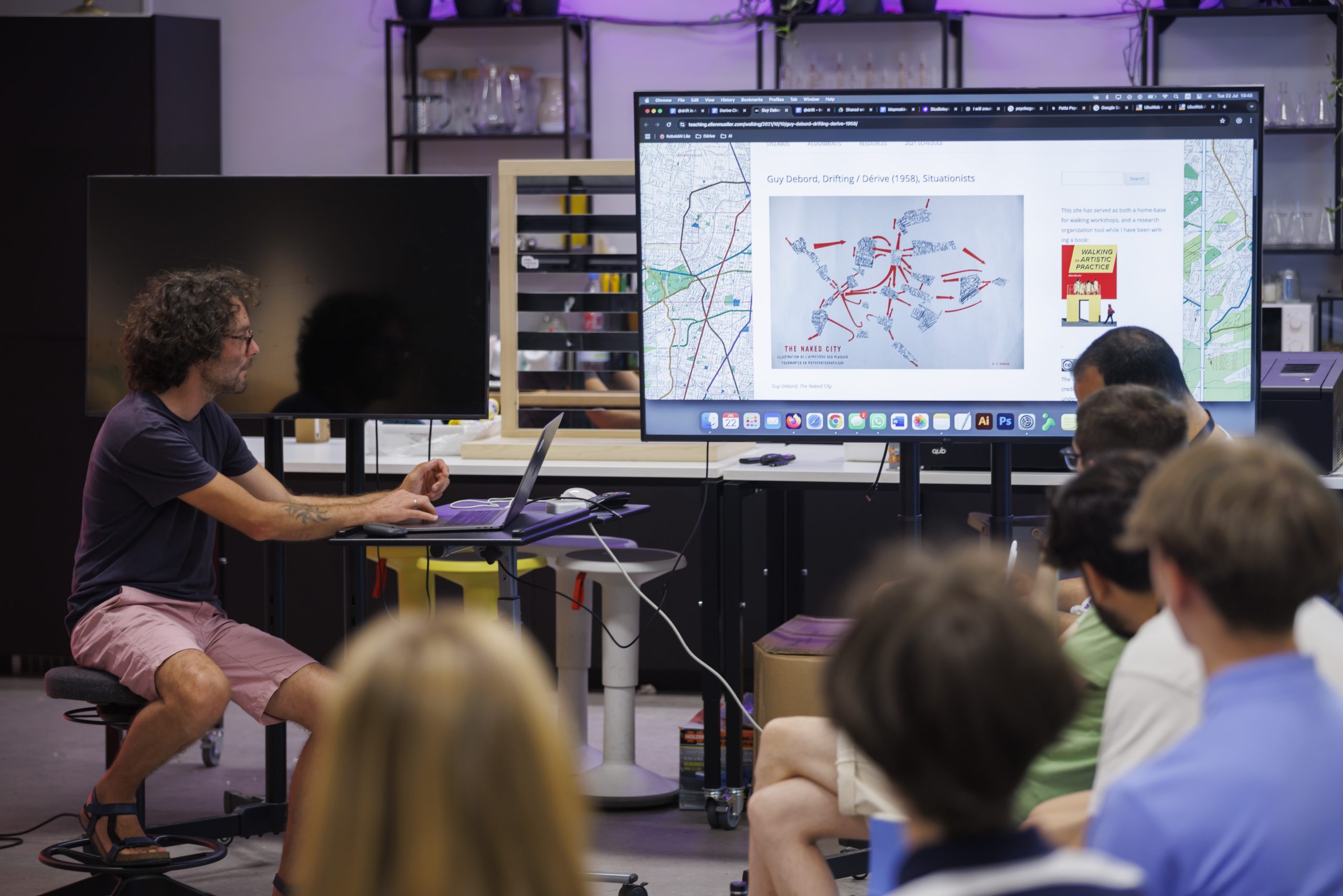
This was followed by a dérive experience, an unstructured urban exploration method that encouraged participants to navigate Cluj intuitively, without digital tools. By engaging directly with the city’s rhythms, textures and social dynamics, participants gathered insights that later informed their project work.
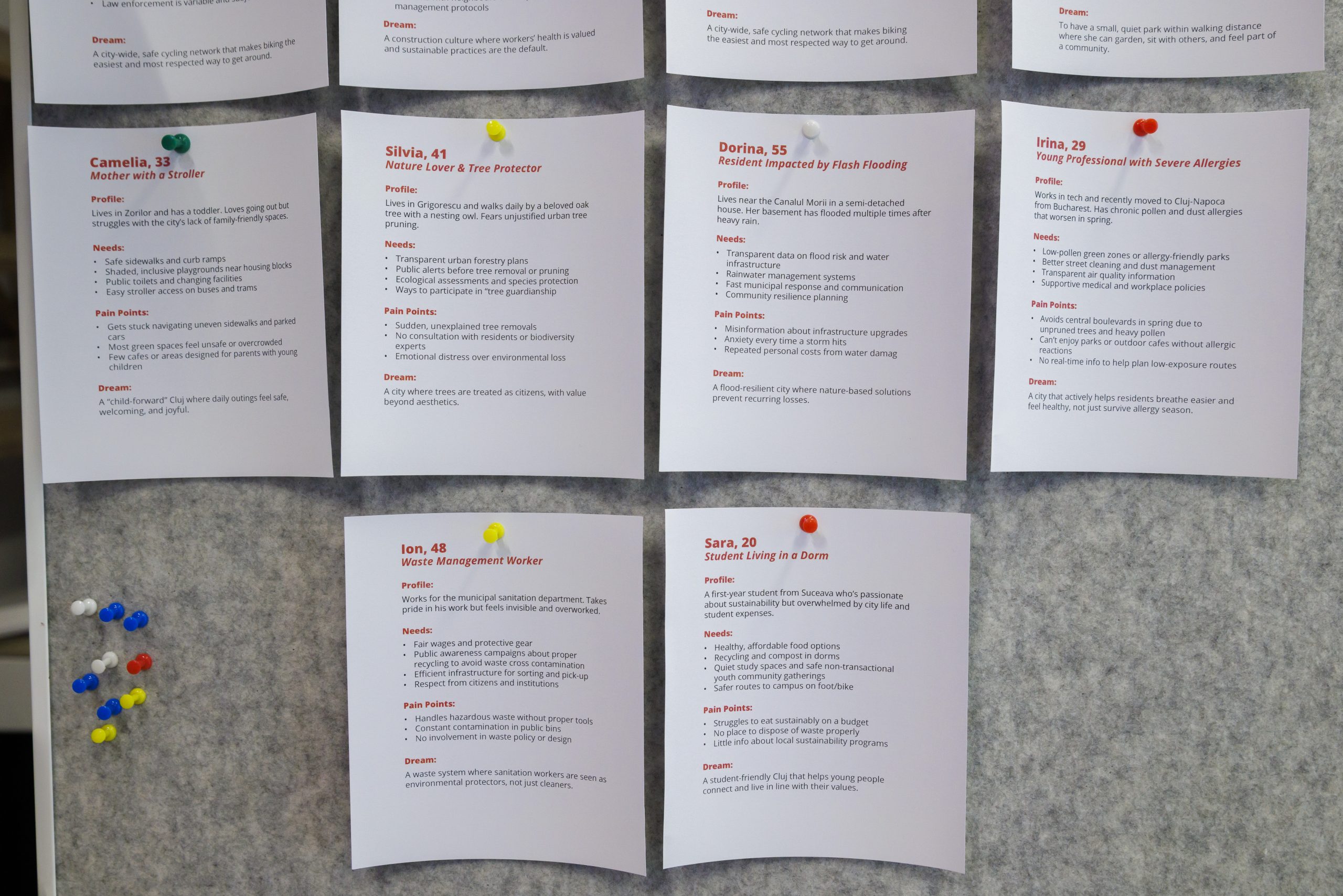
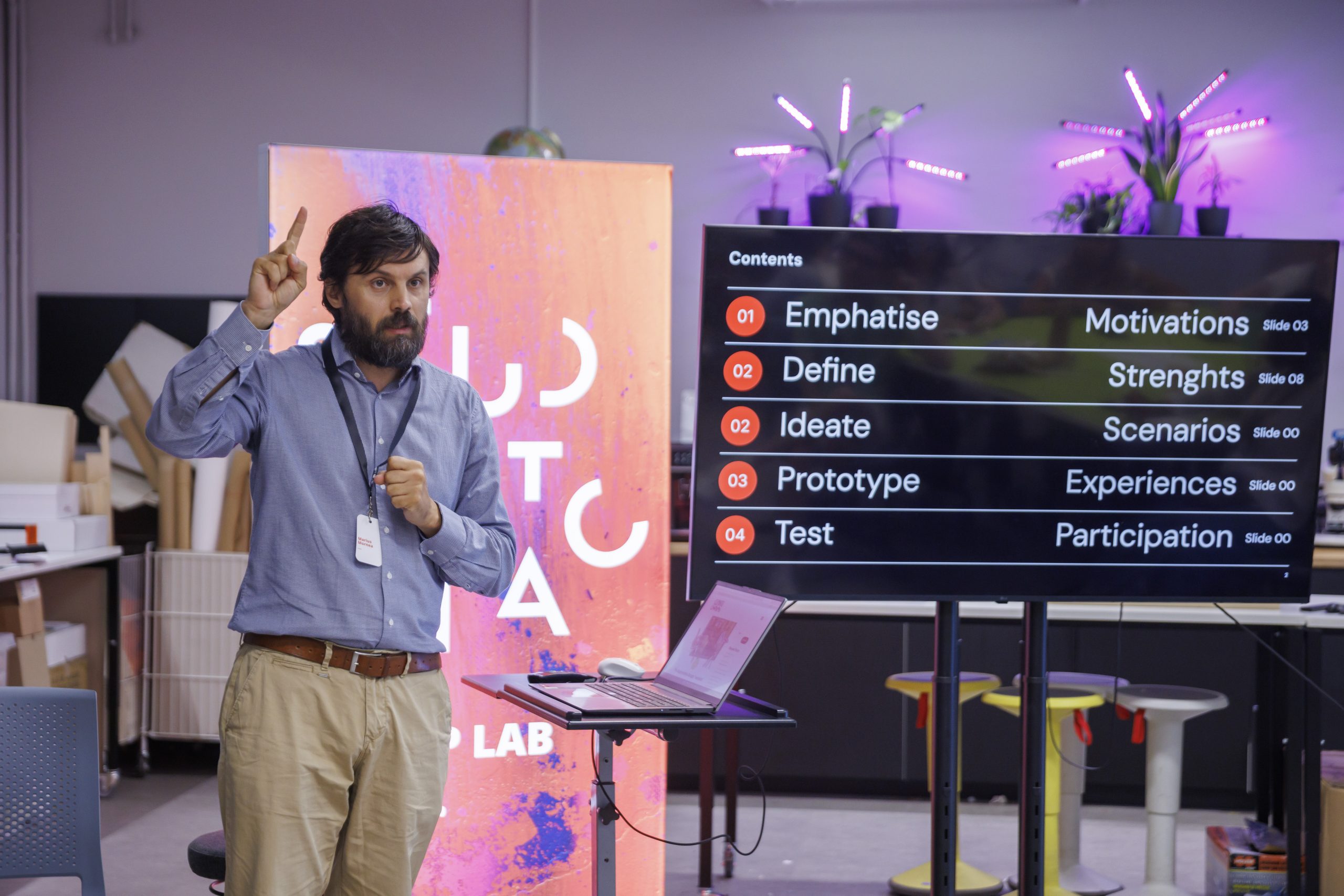
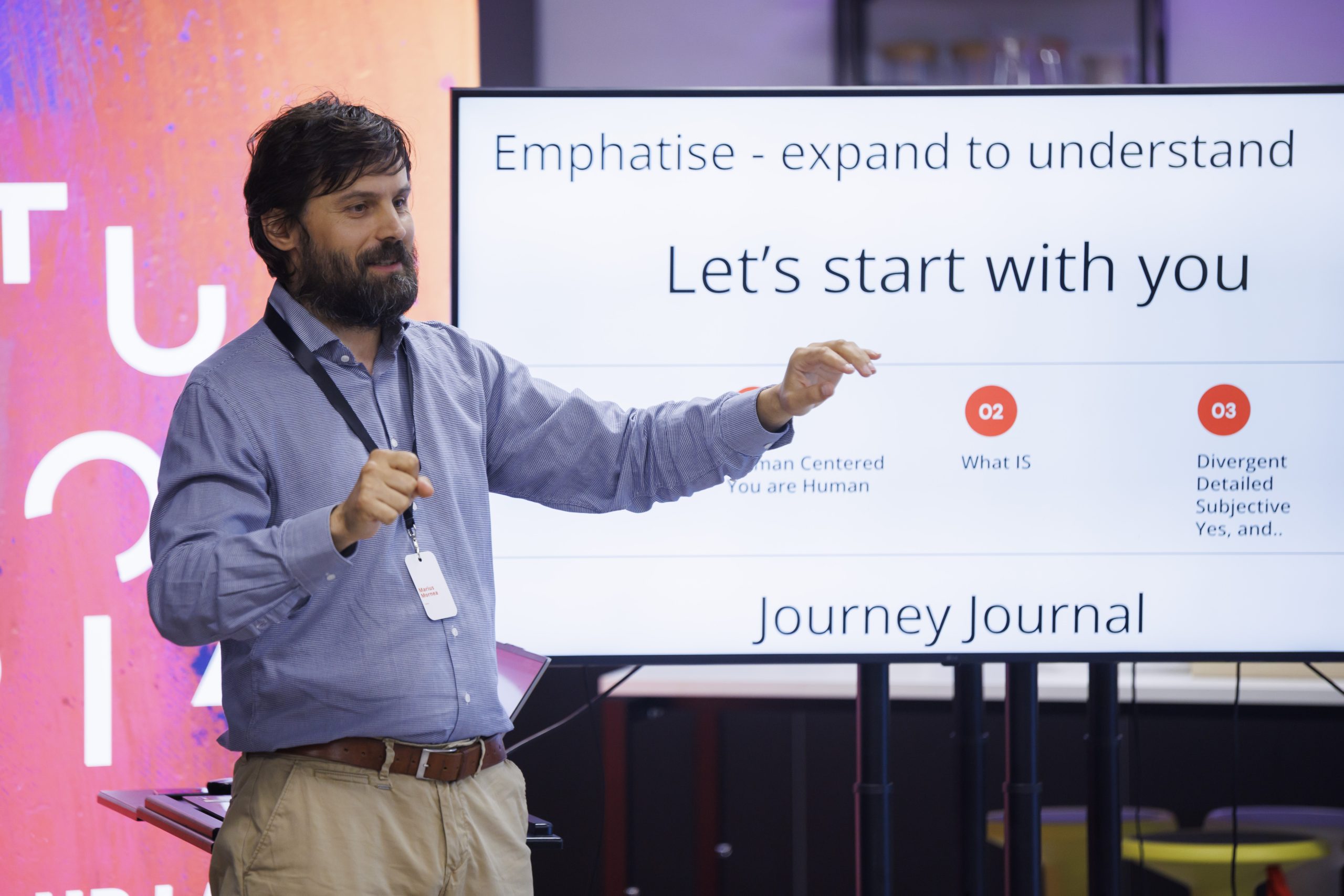
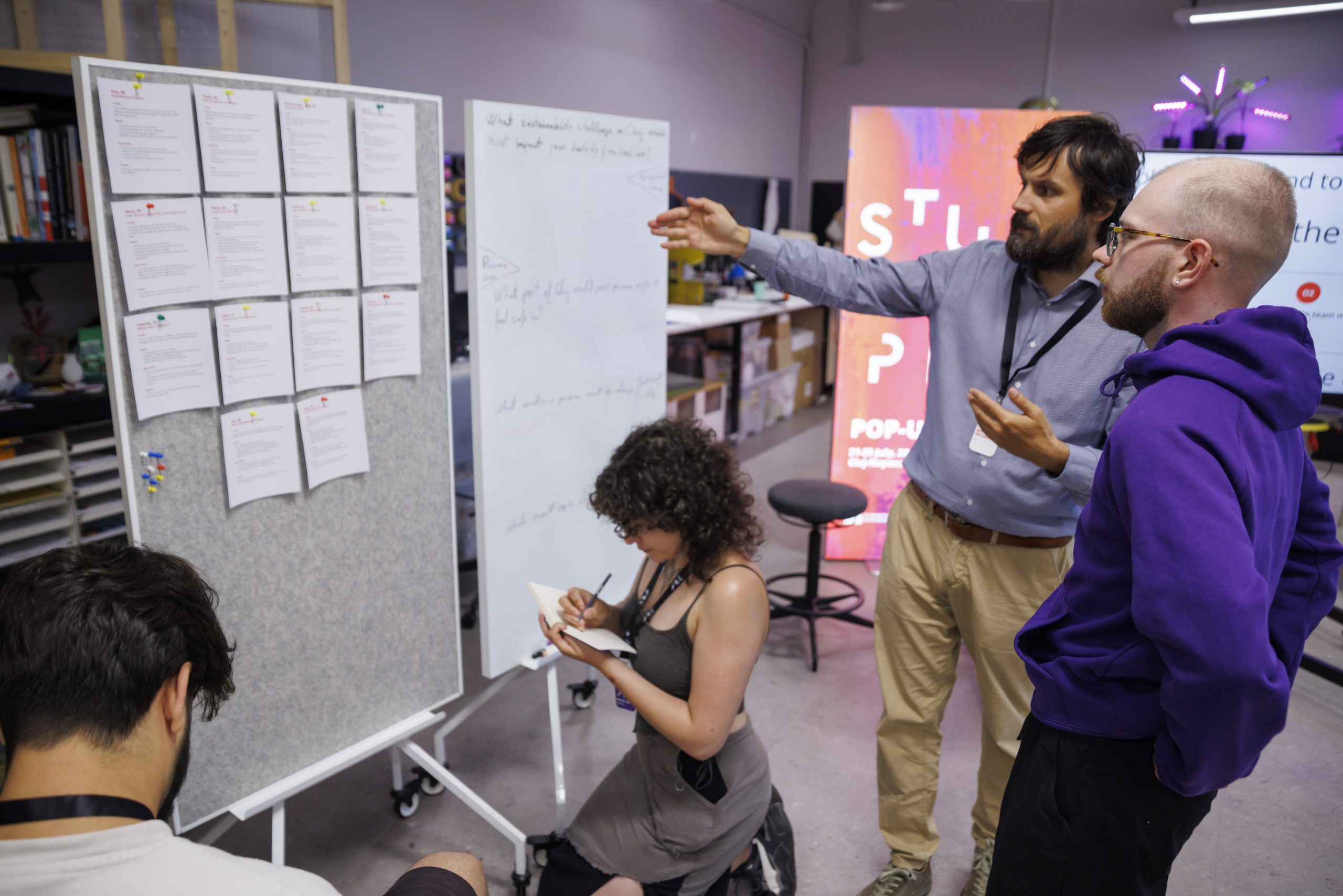
On the second day, these experiences were transformed into emotional maps, capturing not only routes, but also sensations, encounters and perceptions. Guided by facilitator Marius Mornea, participants were introduced to the Design Thinking framework, moving from empathy and problem definition to ideation, prototyping and iterative testing.
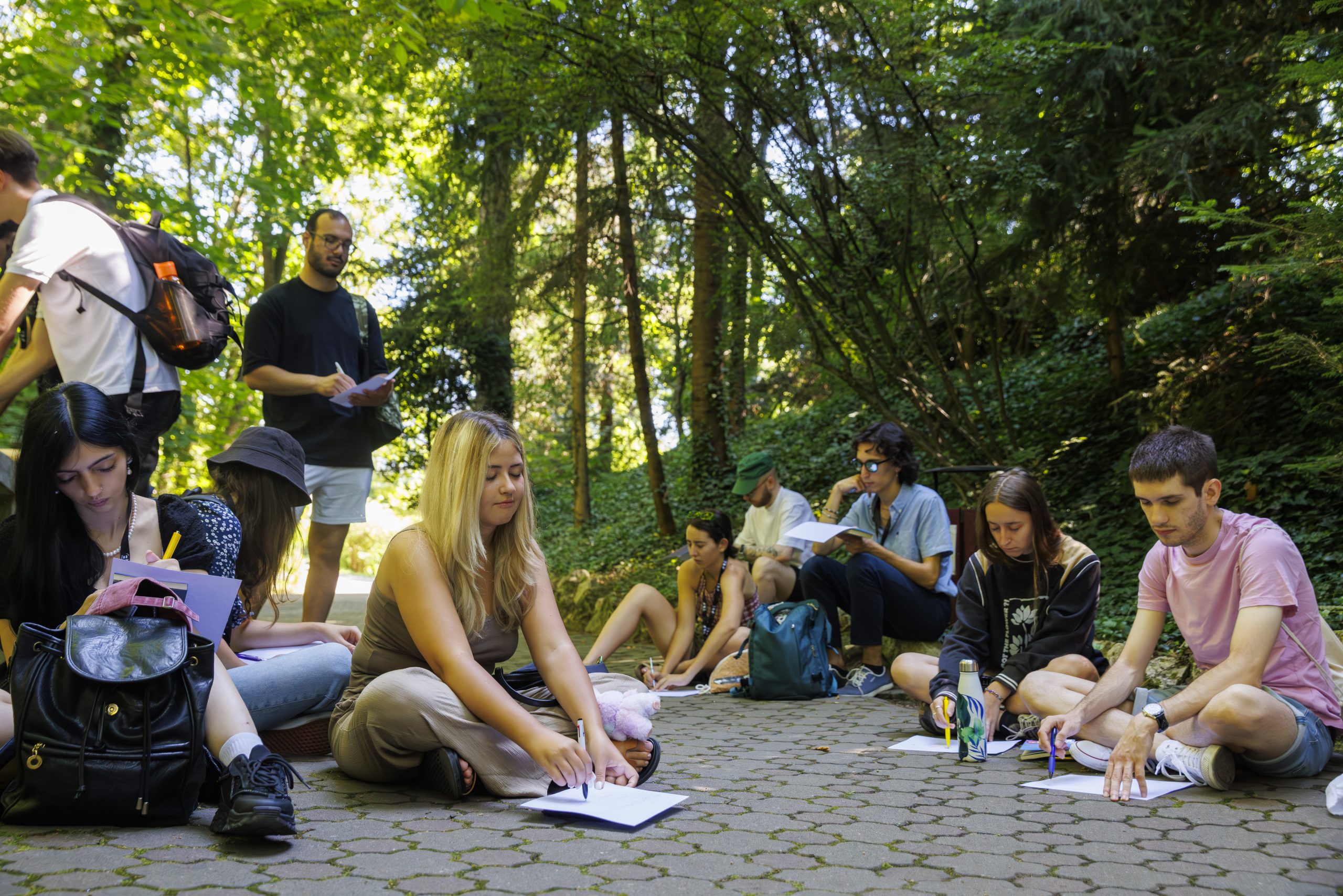
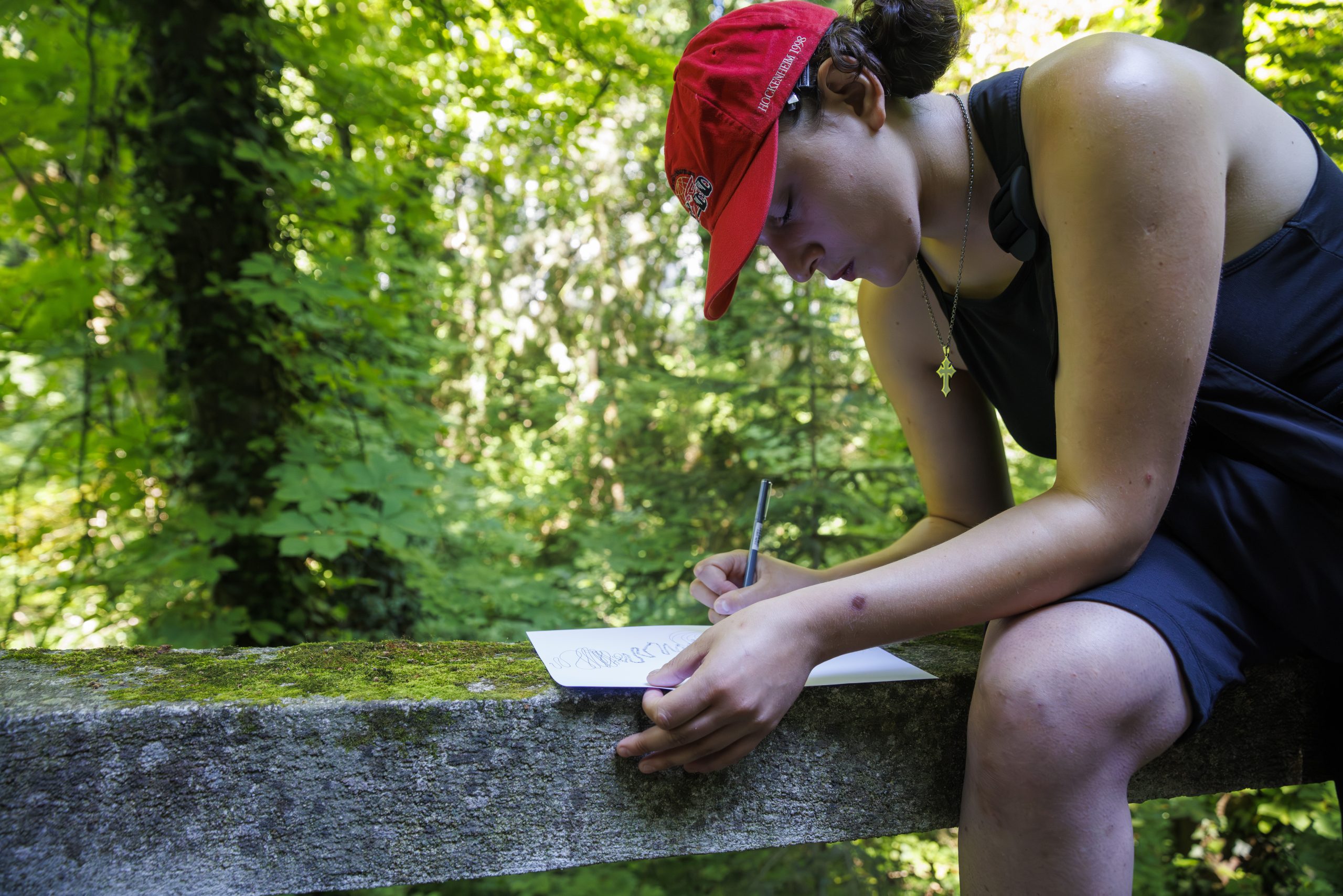
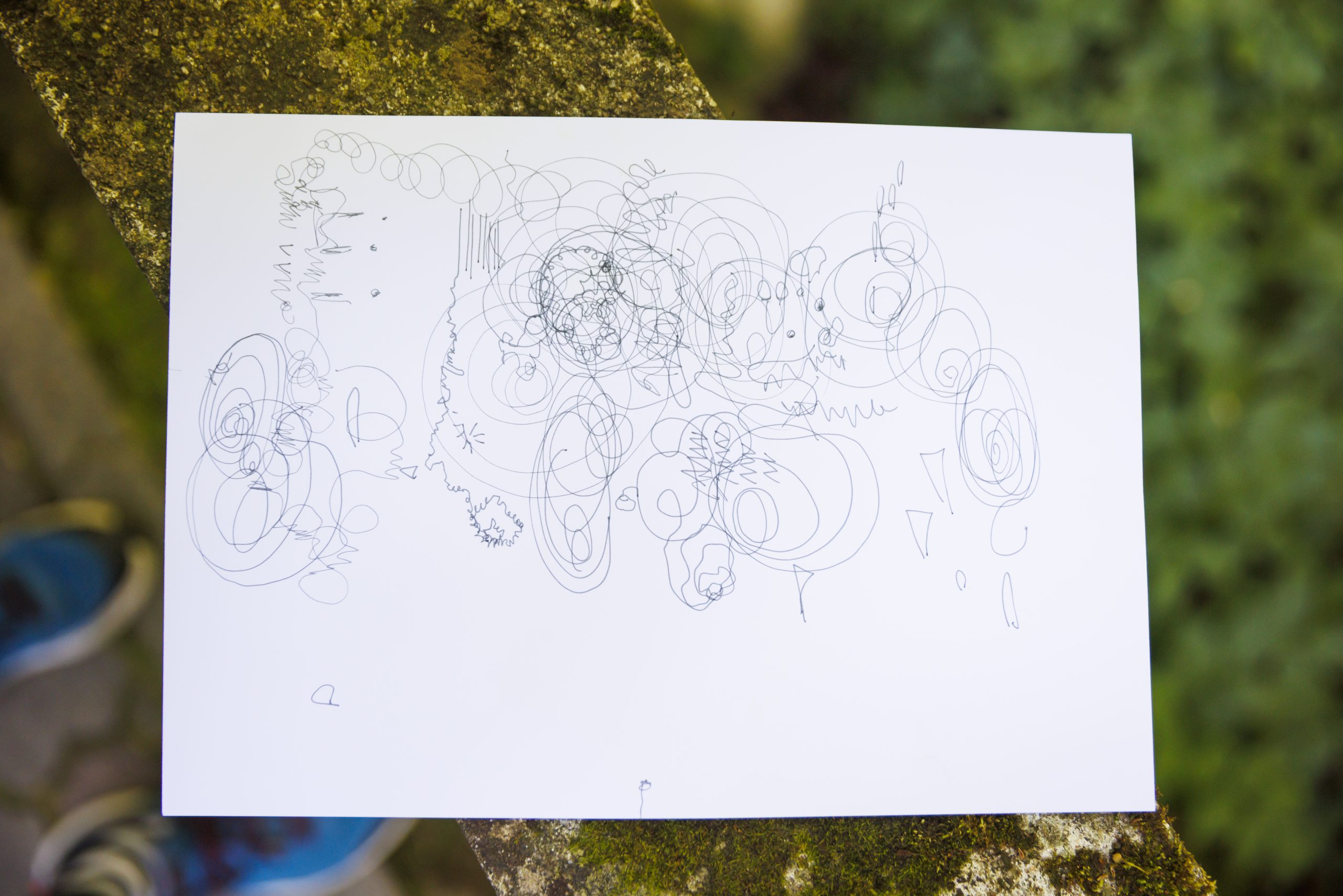
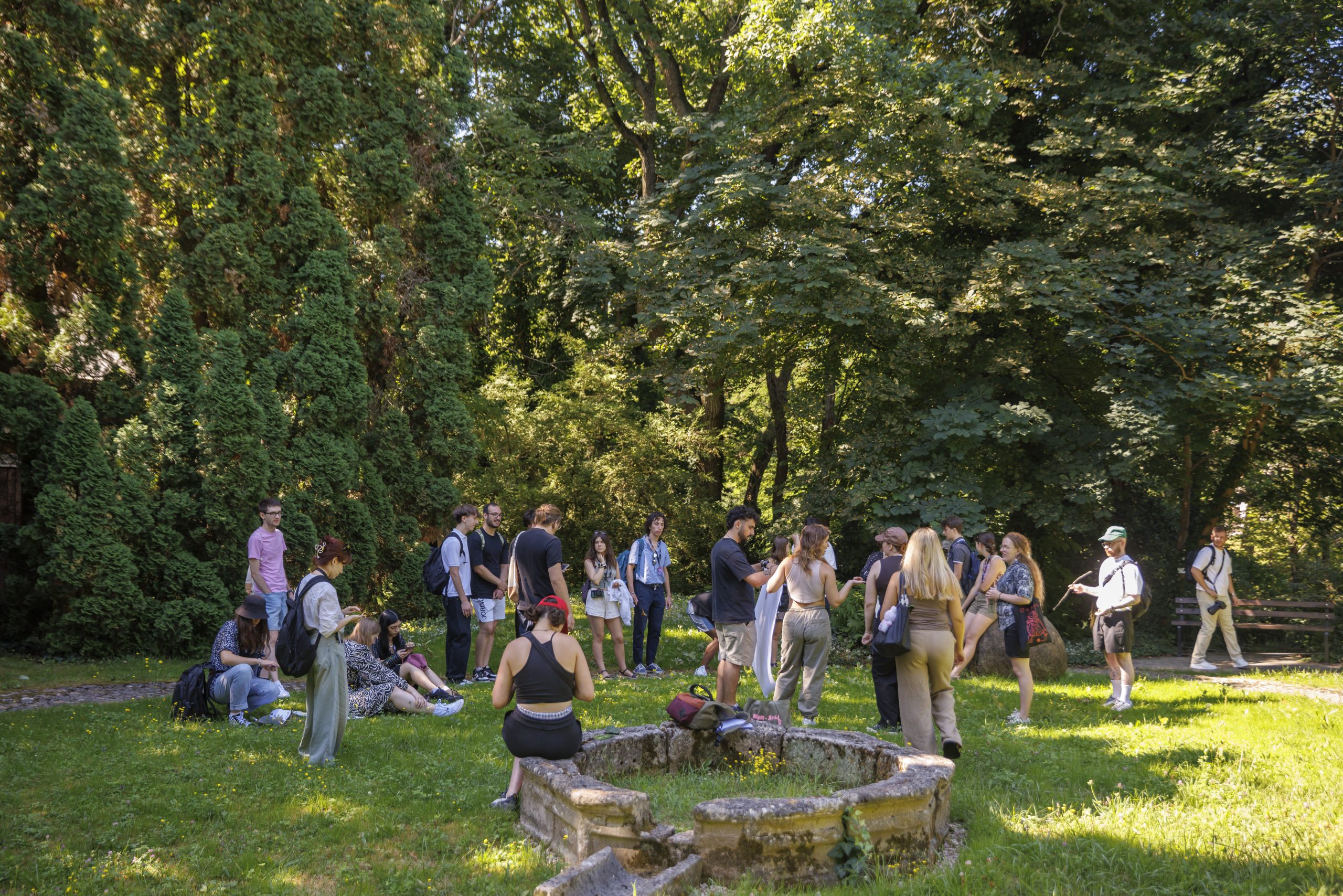
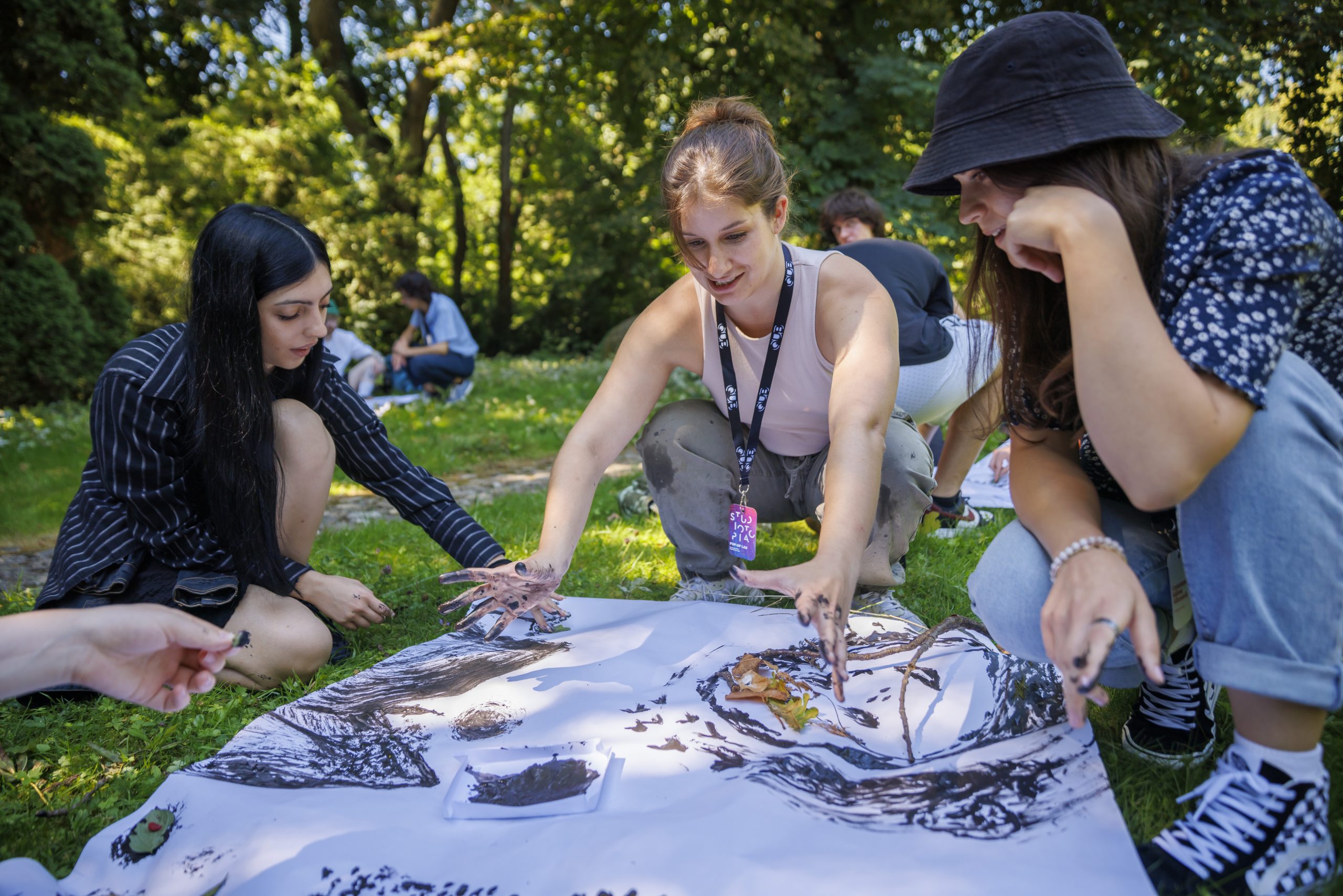
The program also featured artistic and sensory-based learning, including a workshop led by Portuguese artist Ânia Pais. Held in the Cluj Botanical Garden, the session encouraged participants to engage with nature beyond observation, drawing with their eyes closed, experimenting with natural materials, and collectively building visual narratives. The exercise emphasized intuition, collaboration and the role of art in understanding ecological systems.
Throughout the week, participants engaged in creative labs, discussions, and co-creation sessions, building a shared language across disciplines and cultural backgrounds.
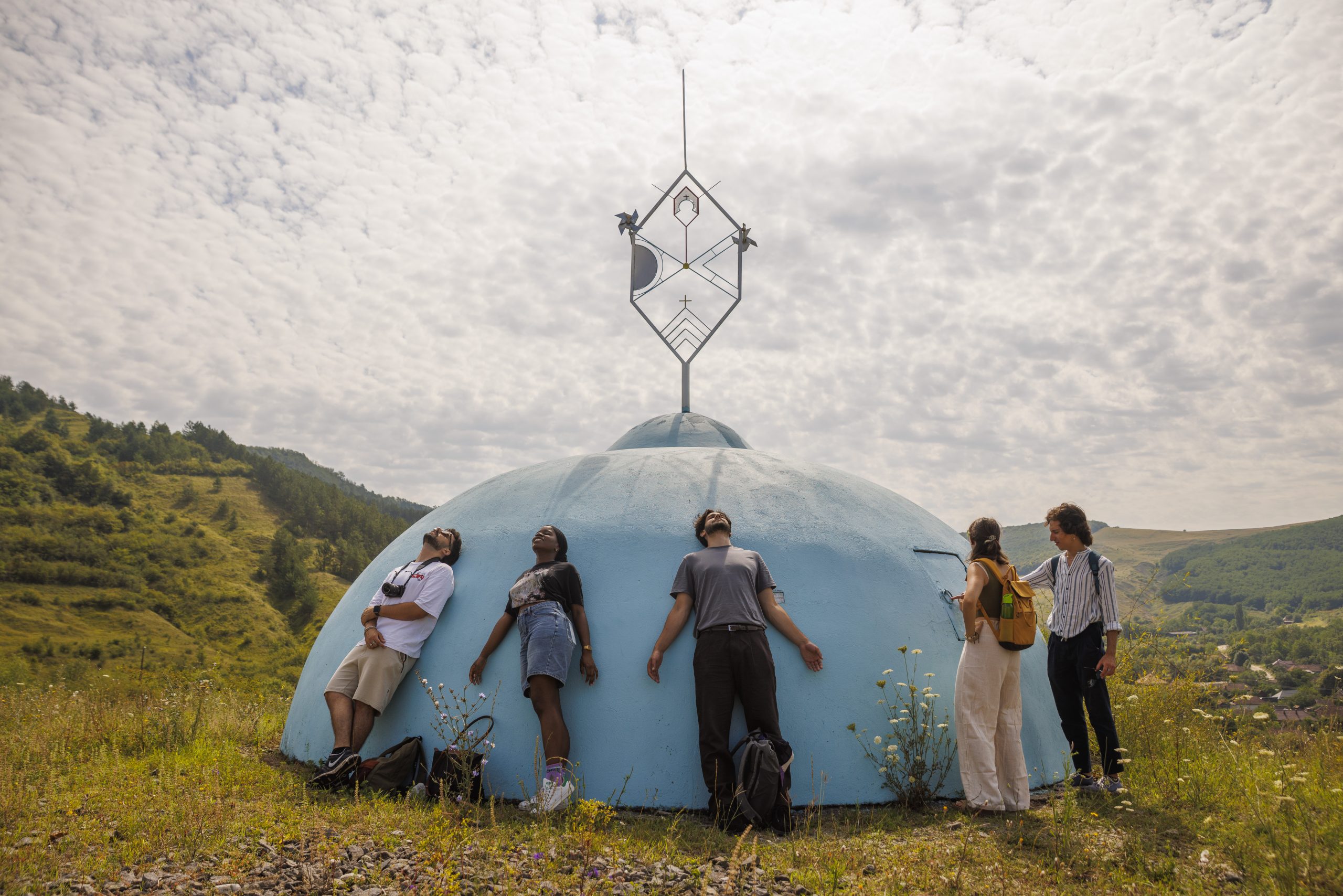
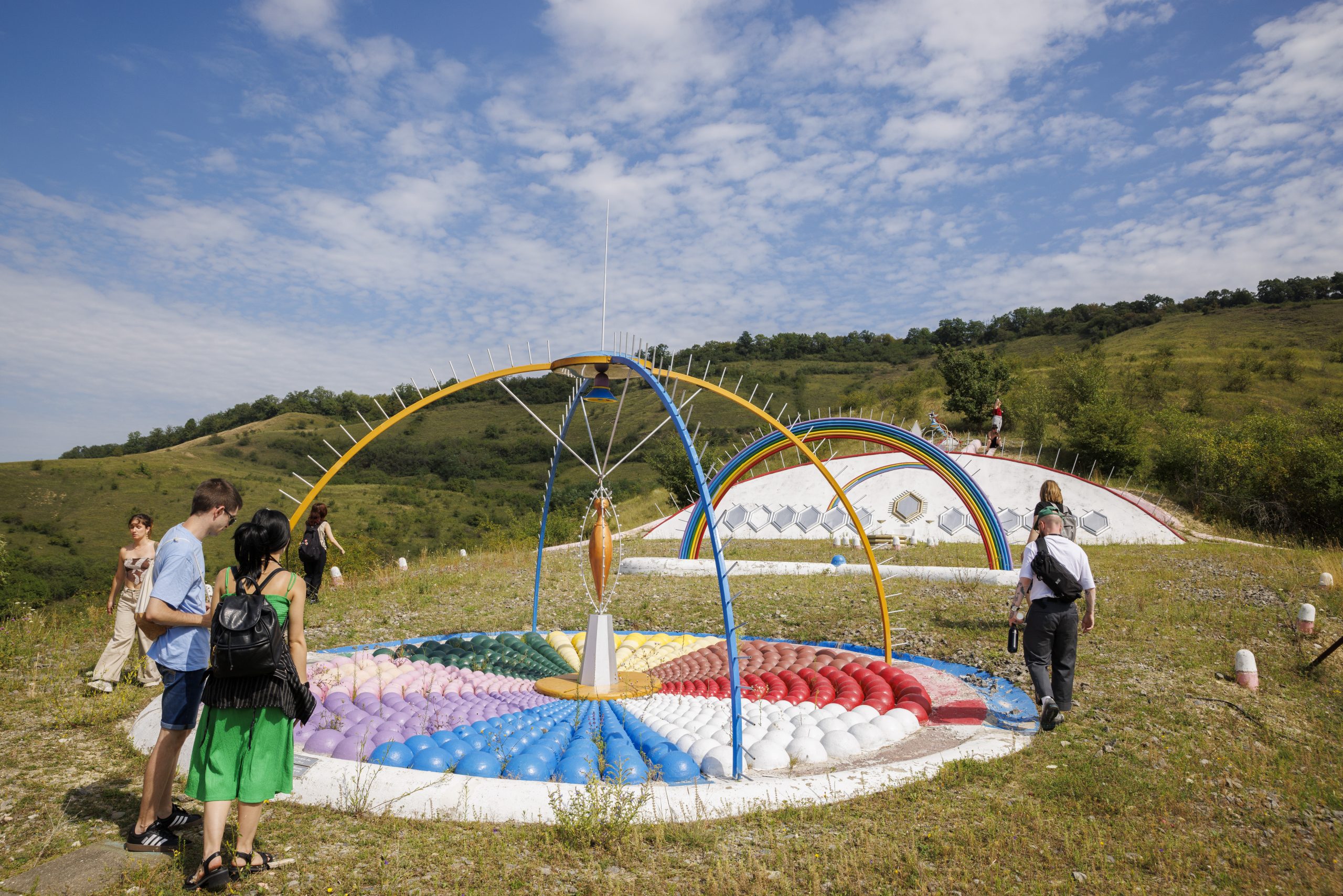
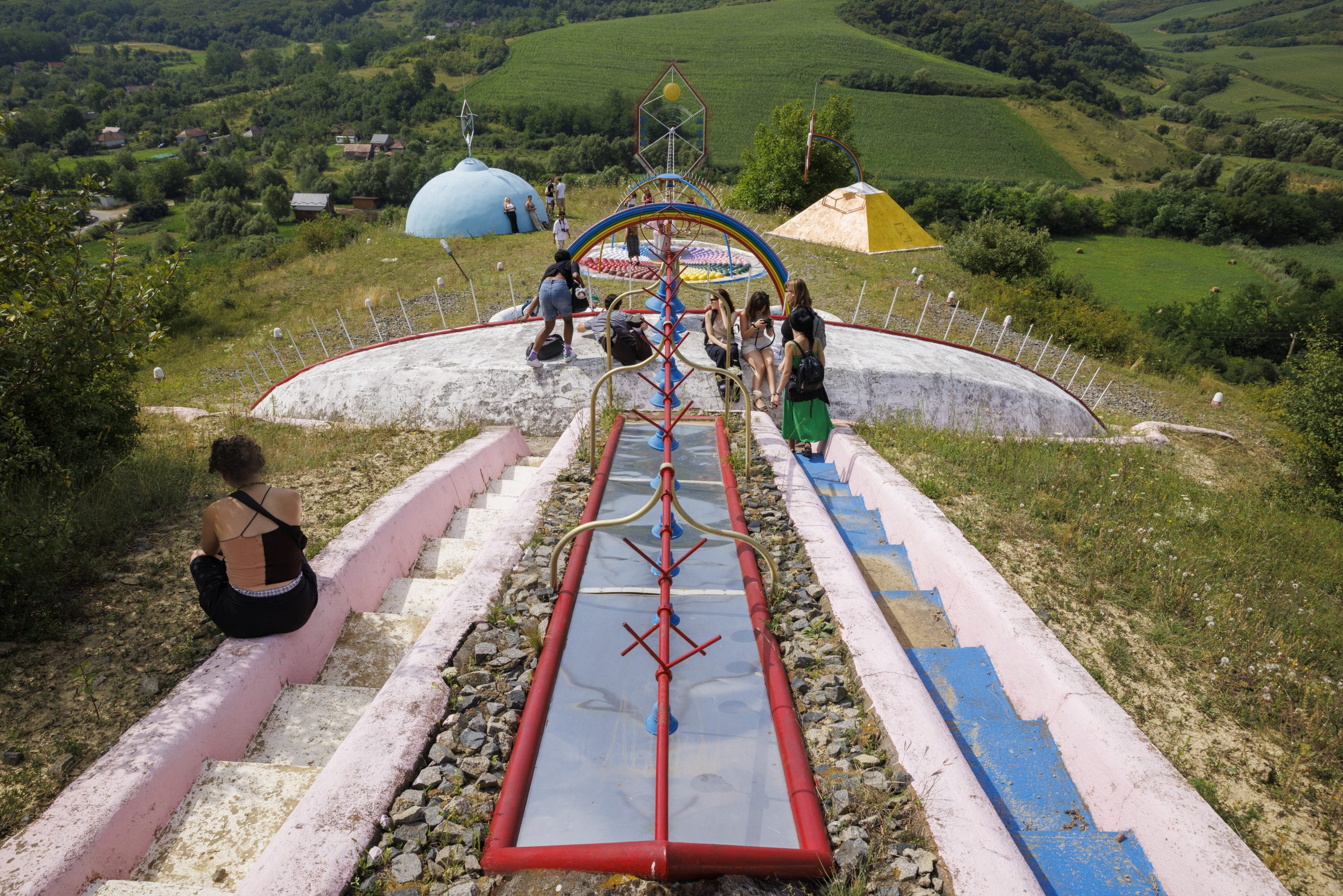
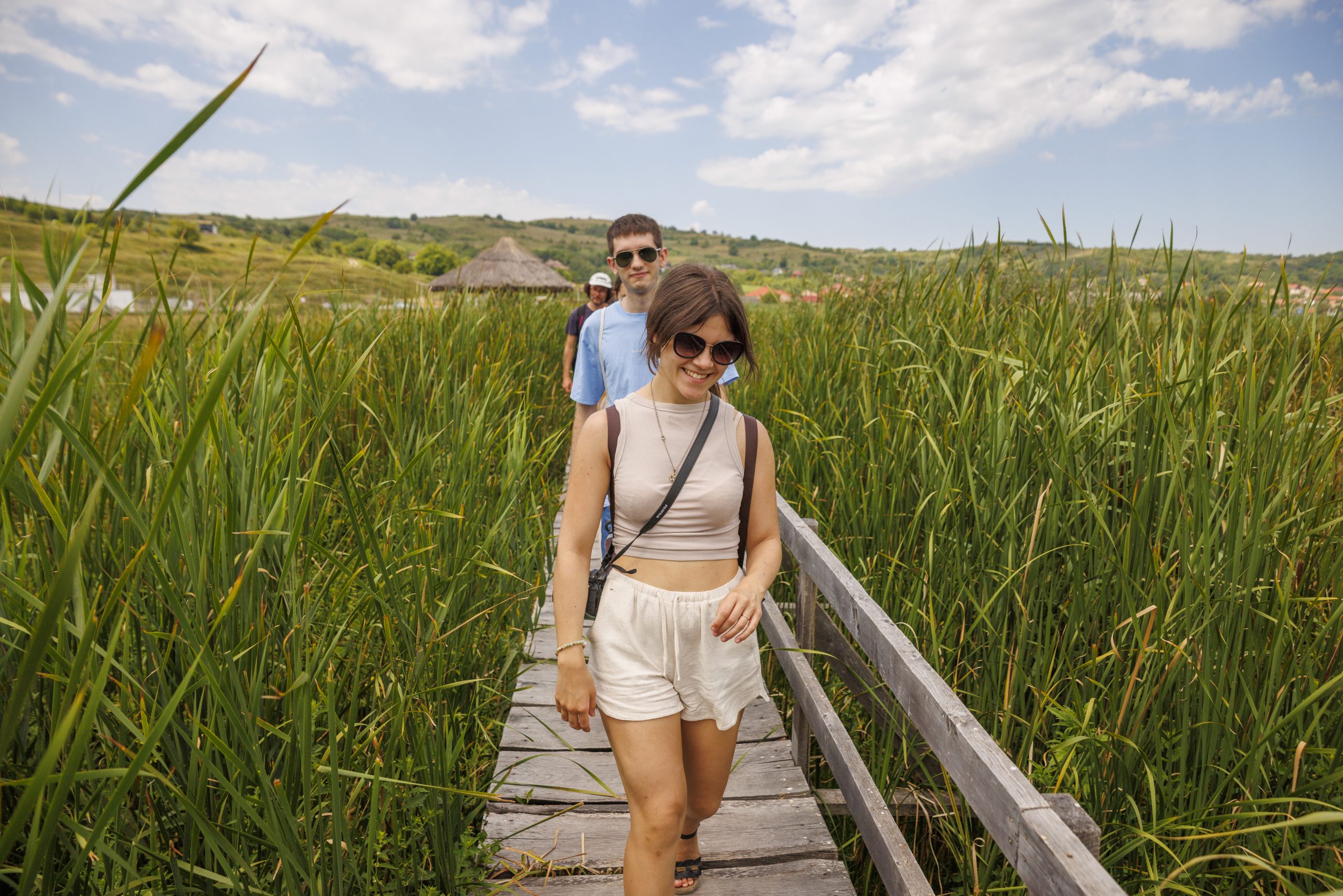
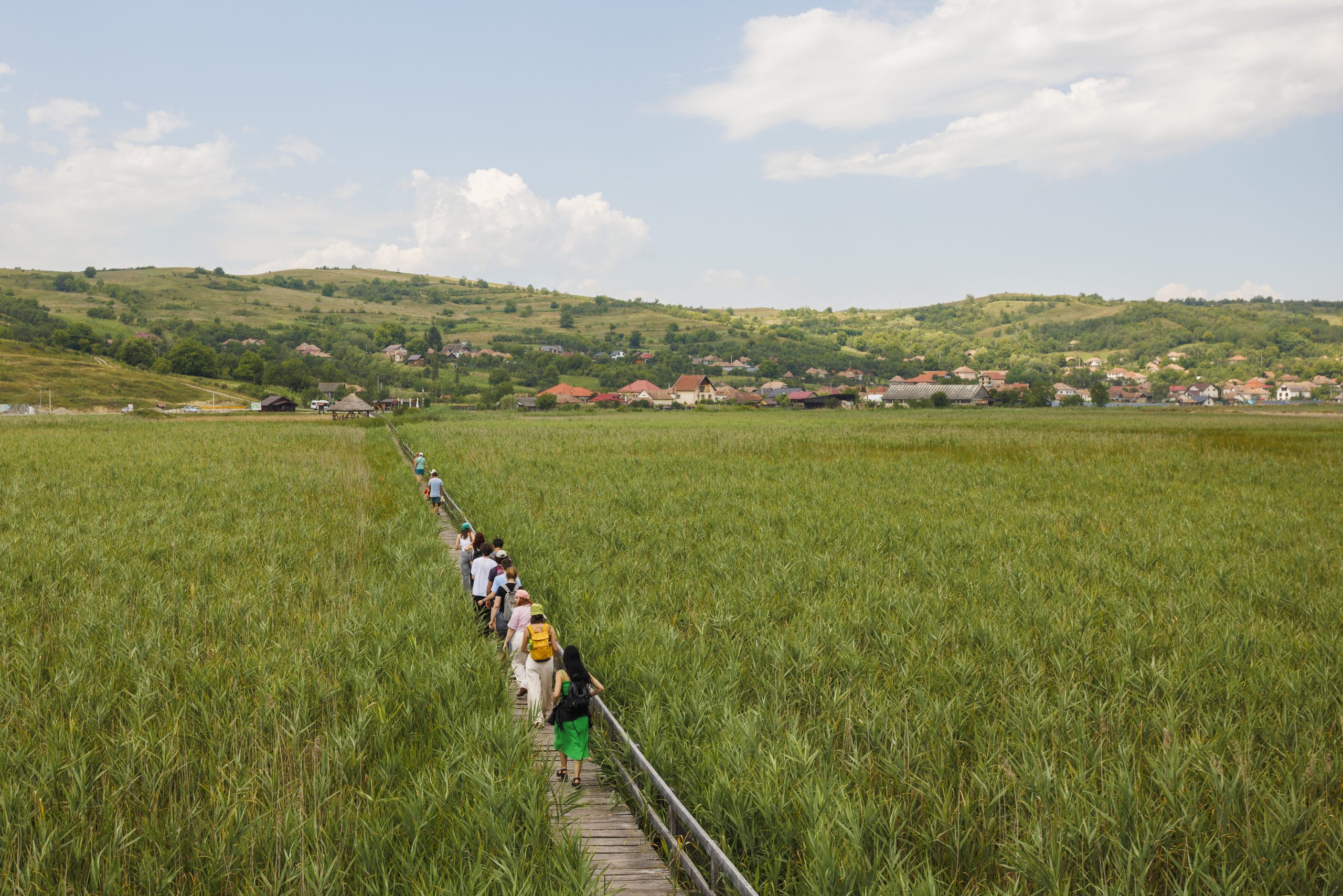
The final day extended learning beyond the city, with visits to the Tăușeni Monumental Ensemble by Alexandru Chira and the Sic reed beds, where artistic vision and environmental awareness connected.
Five teams, five visions for the city
The Studiotopia International Pop-up Lab concluded with a public presentation of projects developed by participants working in teams. Each proposal addressed urban challenges identified during the week, combining creativity, research and practical thinking.
Among the concepts presented:
Race Against Waste proposed a mobile app connecting students in Cluj through weekly ecological and social challenges, from cleaning green spaces and planting trees to cooking communal meals and exploring the city together. Real actions are rewarded with festival tickets, course credits, discounts and leadership roles, creating a growing incentive system that ties individual effort to collective impact. Built on local university networks, the project leverages Cluj’s student community to drive environmental action at scale.
Team: Carla Precup (RO), Andrei Lupea (RO), Maria Prunean (RO), Nina Serra (FR), Alessandro Mazzani (IT)
Cluj Cultural Pavilions started from a pointed question: who truly has the right to the city? The team’s answer was a series of modular structures made from recycled tarpaulins, transforming underused public spaces into shaded hubs for culture, activism, and collective exchange. More than shade structures, the pavilions are proposed as tools for reclaiming the urban commons — a demand, the team argued, for moving from individualistic to participatory access to public space.
Team: Rudi-lee McCarthy (IRE), Adina Gîlceavă (RO), Vlad Beu (RO), Joel Chebri (FR)
Arbor Echo invited the city to see trees not as decorative objects but as active, living infrastructure. The project imagines tree-like structures in Cluj’s public squares that draw people in with shaded seating and VR headsets transporting visitors into lush forest soundscapes. The goal is both immediate, offering moments of calm amid urban noise, and long-term, shifting the cultural perception of trees as essential civic partners in building resilient, liveable cities.
Team: Ariadna Gulic (RO), Michelle Medici (IT), Sarah Helen Mbambu Maswaku (BE), Stavros Kazakos (CY)
The Plantform reimagines overlooked urban corners — vacant lots, neglected squares, rooftops — as modular, living spaces that support gardening, gathering and community life simultaneously. Compact, adaptable and sustainable by design, the Plantform system can quickly transform parks and plazas into vibrant hubs with planters, seating, mini stages and shaded areas. Its impact extends across biodiversity, community ties and cultural programming, while democratising access to public performance spaces.
Team: Alexandra Măican (RO), Andrei Lela (RO), Jonathan Aparicio Ruiz (SP), Sarmad Salloum (BG)
University Territories as Public Urban Parks was the Lab’s closing vision: what if the campuses of Cluj’s universities were opened to the entire city? The team proposed transforming underused university land into green, ecological spaces for learning, connection and collective care: urban forests, eco-education gardens, beekeeping zones and creative community hubs. With universities positioned as publicly funded institutions already holding expertise in ecology and sustainability, the project makes the case for knowledge that doesn’t stop at the university gate.
Team: Robert Konoplia (UA), Ana Jerina (SVN), Simion Iepure-Górski (RO), Dominika Szymańska (PL)
The Studiotopia International Pop-up Lab wrapped up on 25 July, but the ideas developed during the week remain relevant. The projects reflect concrete ways of rethinking urban spaces in Cluj, with potential to be tested, adapted or taken further in other contexts.
Engineering Students Discover New Ways to Connect with the Living World
Engineering Students Discover New Ways to Connect with the Living World
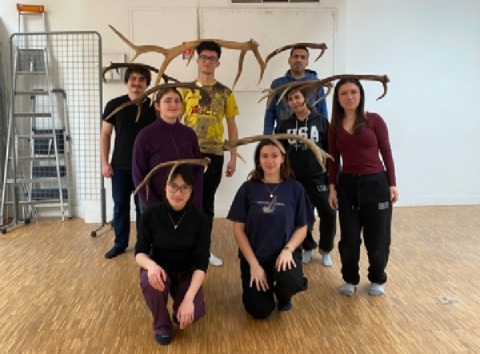
The second Pop‑Up Lab at Hexagone (France) took place from 27 to 29 January 2026 at INP‑UGA/ENSE3 – Graduate School of Sustainable Engineering for Energy, Water and Environment in Grenoble. Once again led by circus and dance artist Fanny Soriano, the workshop invited engineering students to step outside analytical thinking and explore sensitive, emotional, and embodied approaches to the living world.
Through movement‑based experimentation, participants examined how humans can perceive and relate to other species beyond technical or rational frameworks. The workshop culminated in a conference by a senior engineer titled “How to Include the Living World in Engineering”, opening a dialogue on how future engineers might integrate ecological awareness into their professional practice.
Circus Artist Fanny Soriano Explores Human–Plant Relations in Grenoble
Circus Artist Explore Human–Plant Relations in Grenoble
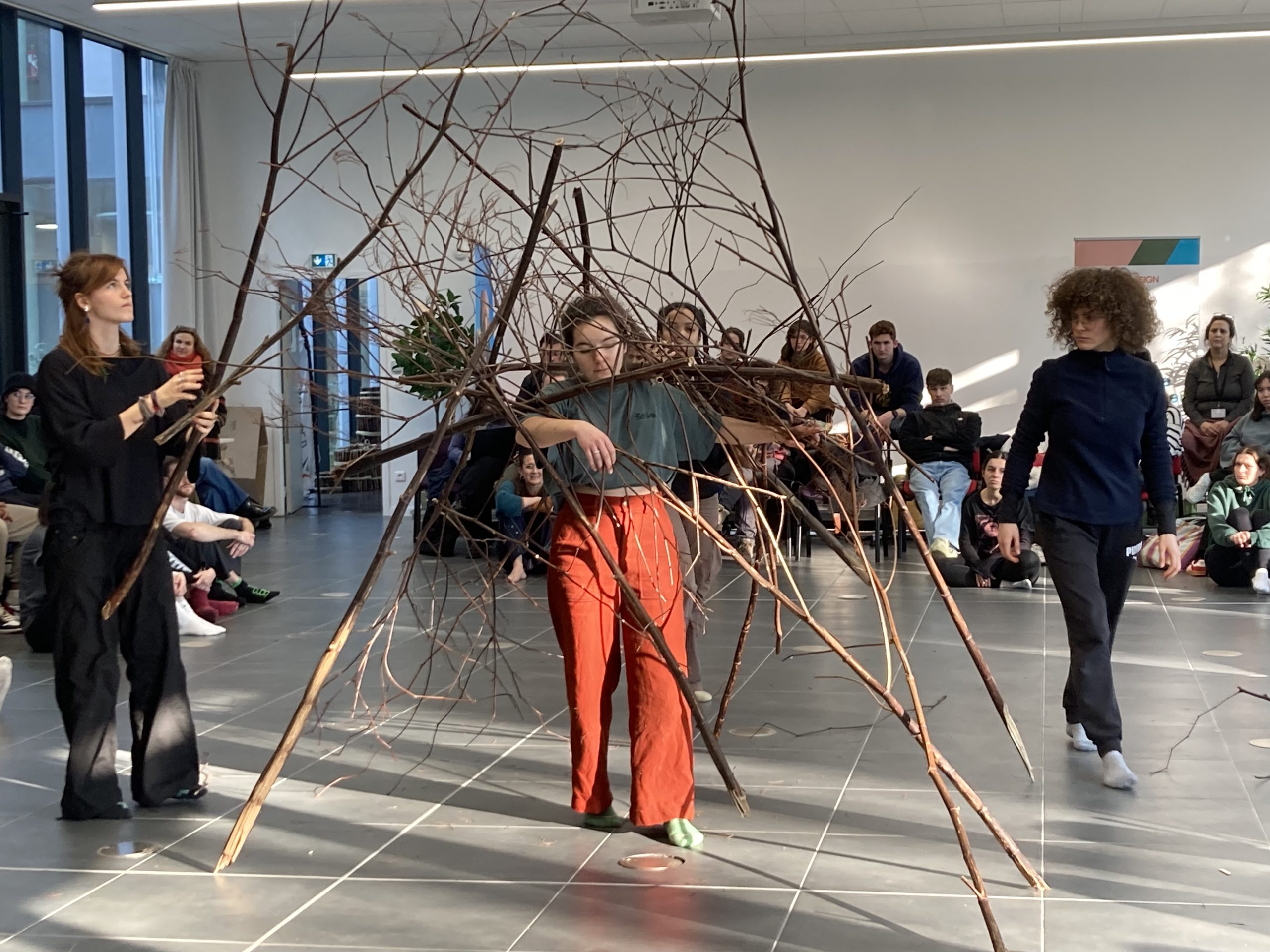
From 13 to 15 January 2025, the University Grenoble Alpes/Design Factory hosted the first Pop‑Up Lab of the European project Studiotopia 2, led by circus artist Fanny Soriano. The artist is, with the help of neuroscientist Kalliopi Ioumpa, developing an interdisciplinary artistic research project examining how humans relate to invasive plant species—particularly Japanese knotweed.
Over three days, students engaged in a workshop blending circus arts, physical theatre, and ecological inquiry. Through movement exercises and direct interaction with knotweed, participants explored notions of symbiosis, imbalance, and the shifting boundaries between bodies and ecosystems.
“Getting back in touch with nature, with our bodies, being sensitive to what surrounds us, listening to our sensations, smelling and touching seems to me to be imperative if we are to evolve in this world in transition,” Soriano reflected at the end of the session.
Imagining Sustainable Water Futures on the Brussels Canal
Imagining Sustainable Water Futures on the Brussels Canal
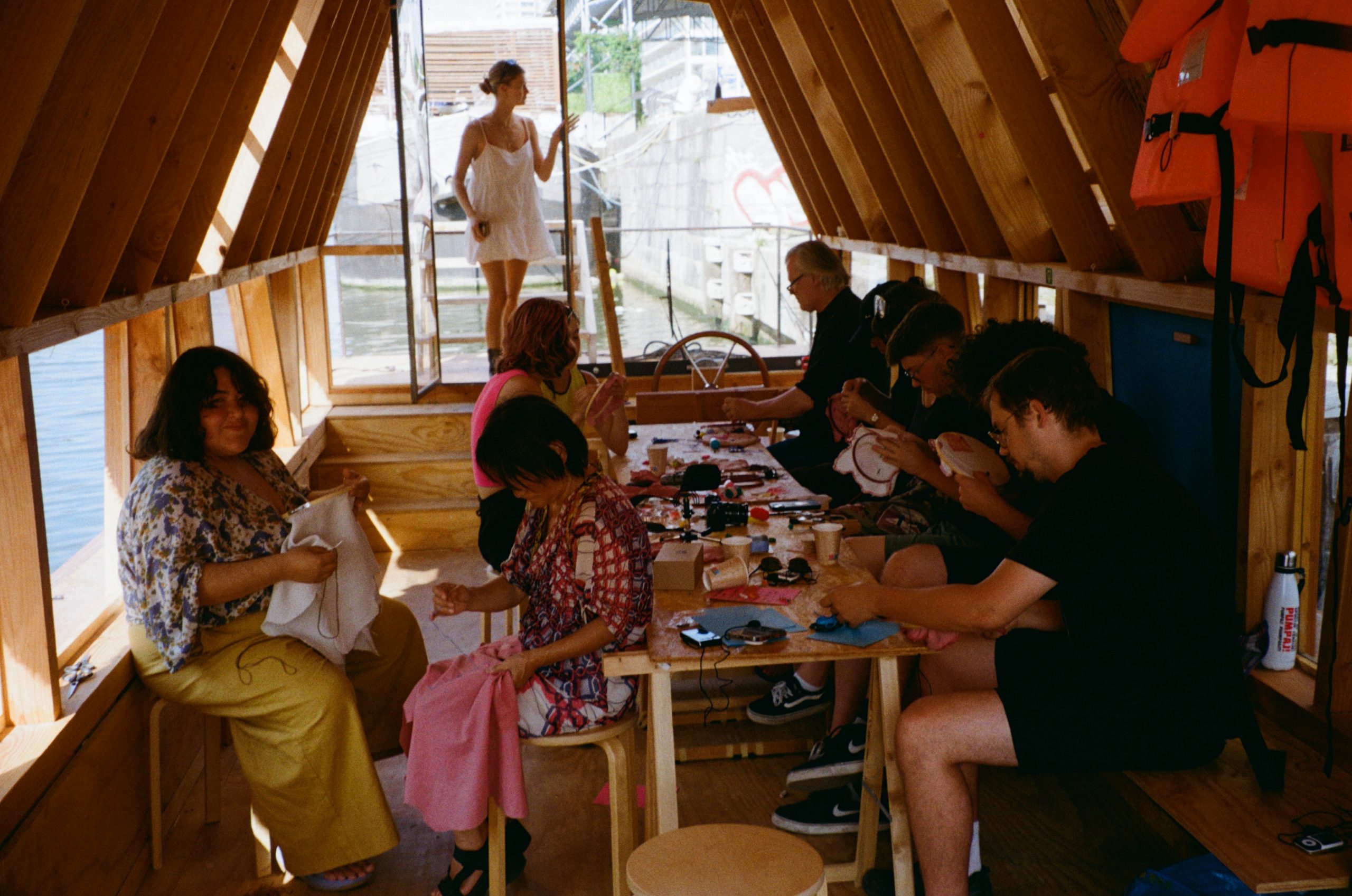
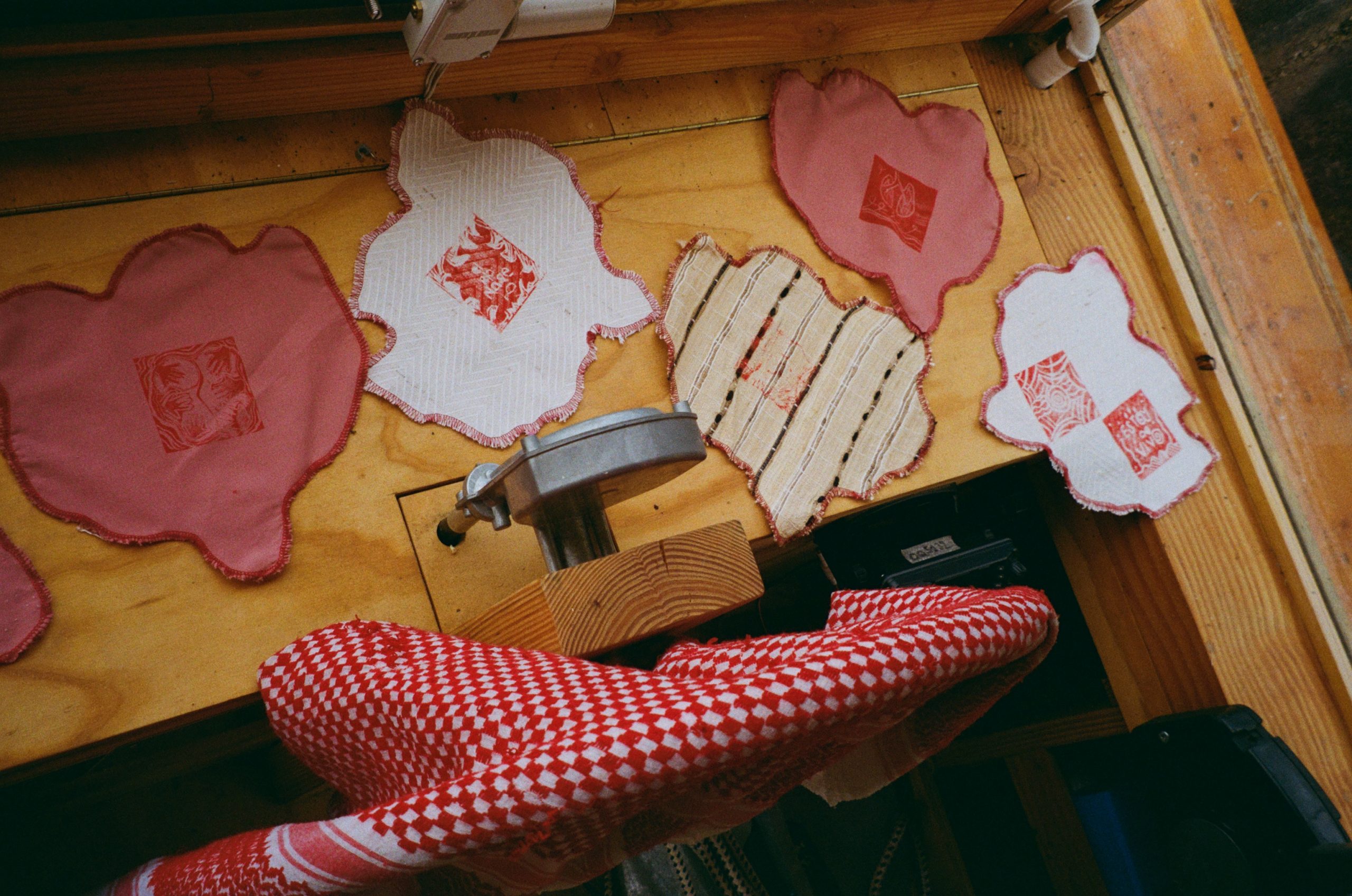
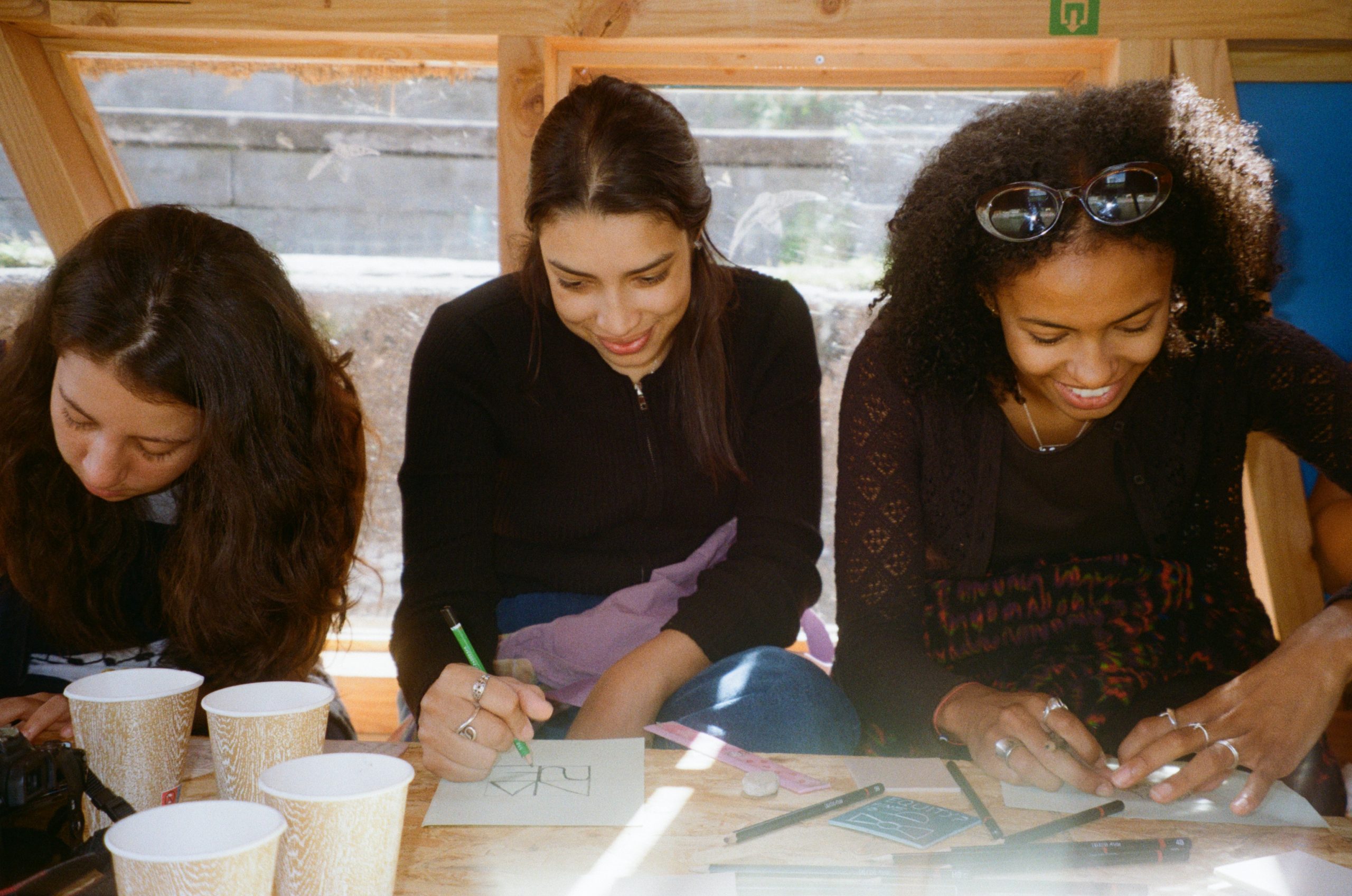
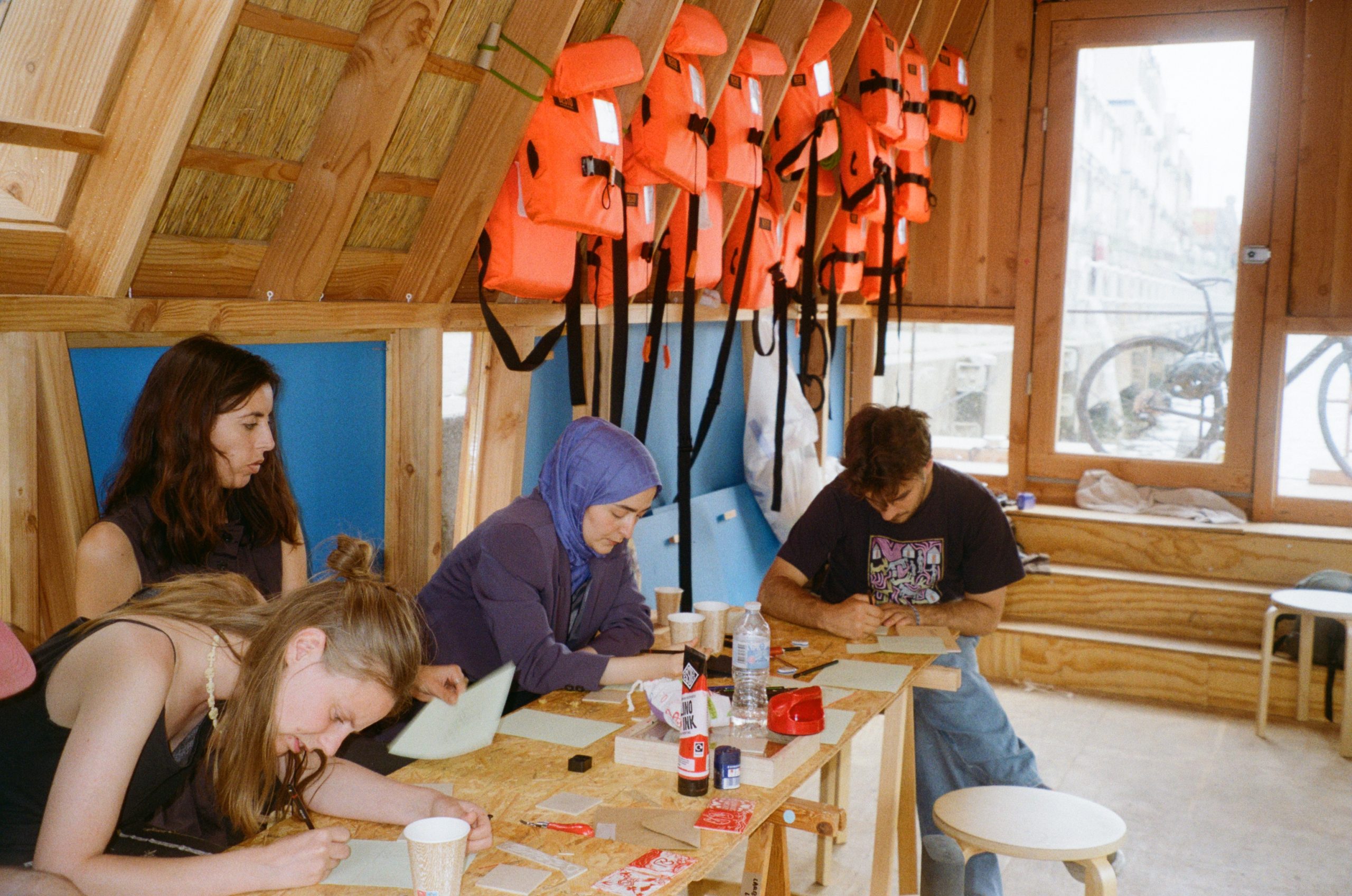
Still the River was a participatory art and reflection project initiated by Gluon in collaboration with the young artist collective Maleza. Through a series of workshops held aboard a boat on the Brussels canal, the project invited citizens to reconsider the role of this urban waterway and its connection to sustainability, community, and city life.
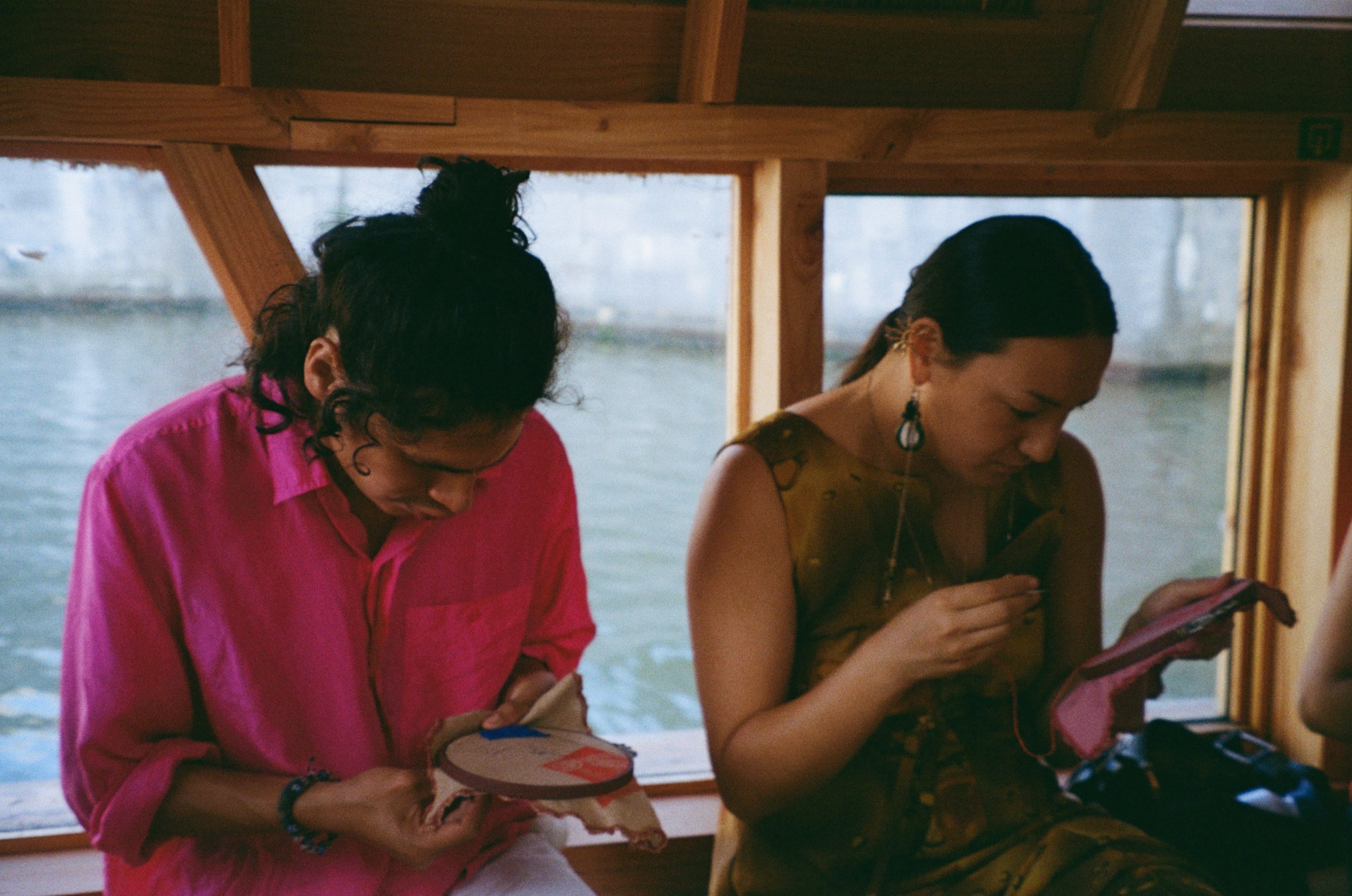
Across four workshops in August 2025, a total of 60 participants engaged in immersive, site-based experiences directly on the canal. Combining artistic practice with environmental reflection, participants explored their personal and collective relationships to the water through creative techniques such as linocut printing and collective weaving.
The workshops fostered dialogue around key themes including urban ecology, sustainable development, and the historical transformation of the canal. Participants were encouraged to see the waterway not merely as infrastructure, but as a living, interconnected ecosystem—an approach inspired by the philosophy of Buen Vivir, which emphasizes harmony between people, nature, and community.
A central outcome of the project was the creation of a large collaborative textile map, developed through prints and stitched contributions. This artwork reflects the canal as a shared yet complex and “wounded” body, shaped by social, economic, and environmental forces. The workshops were also documented and later presented as a video installation displayed on a mycelium screen aboard the same floating venue.
By combining artistic expression, collective learning, and environmental awareness, Still the River created a space for meaningful exchange and strengthened participants’ sense of connection and responsibility towards sustainable urban water systems.
Workshop that Explored Water Scarcity Through Art, Science, and Field Research
Workshop that Explored Water Scarcity Through Art, Science, and Field Research
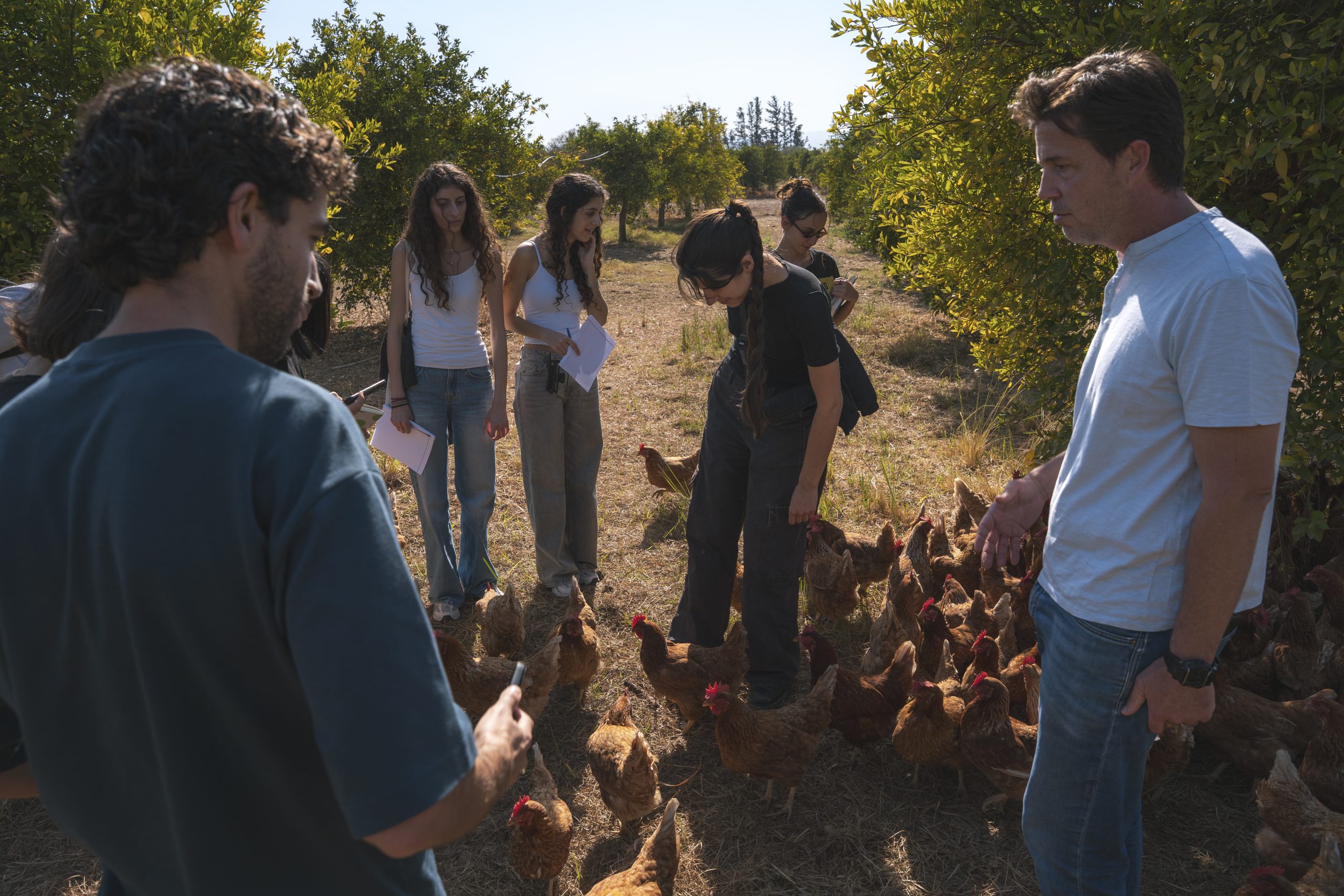
A two‑day Pop‑Up Lab workshop, held on 20-21 November 2025 as part of the WIP Festival that took place in the CYENS Centre of Excellence (Cyprus), brought university students into direct contact with the ecological realities of water scarcity and desertification in Cyprus.
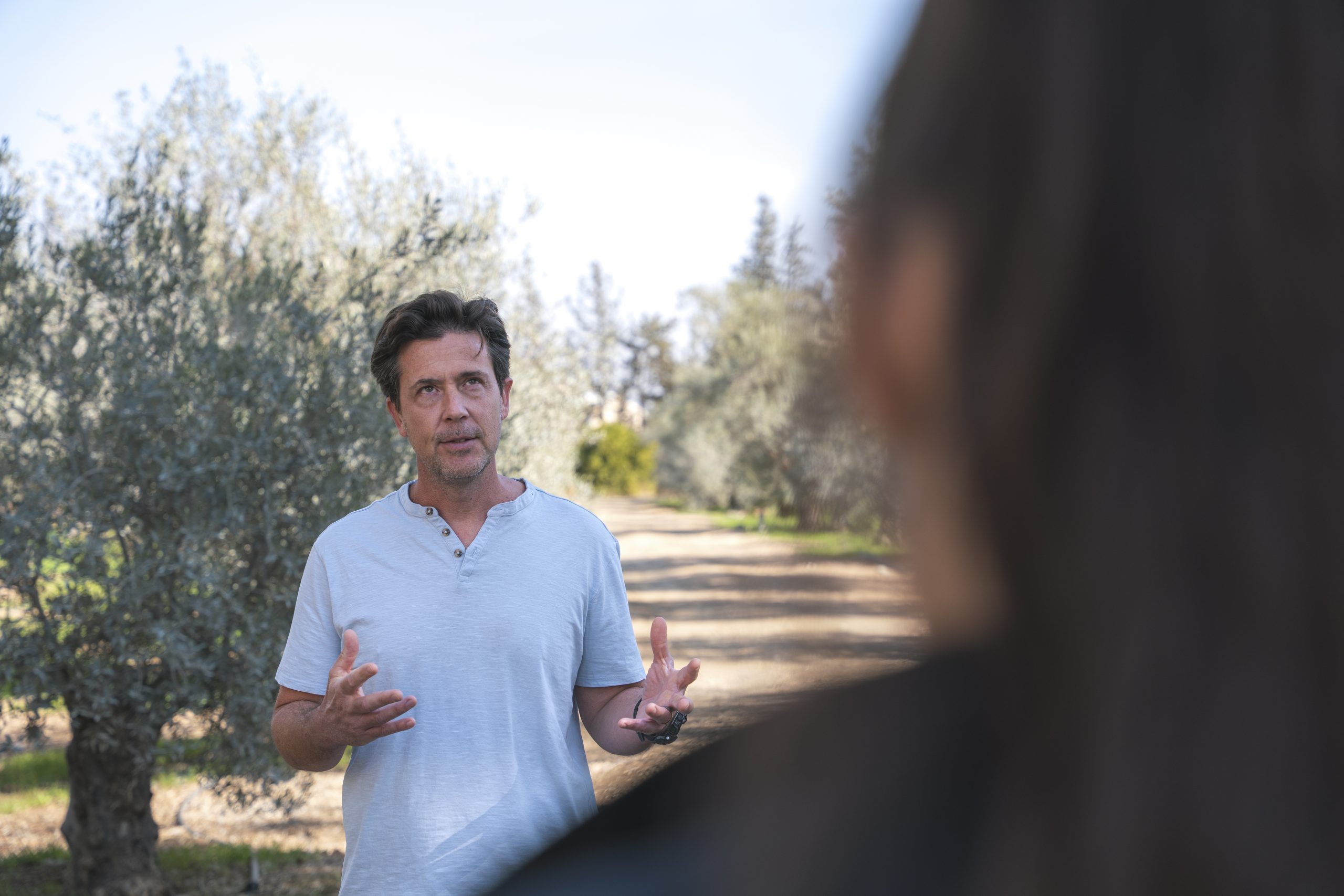
Led by artist Miguel Teodoro, the workshop combined scientific insight, hands‑on fieldwork, and creative interpretation to help participants understand how shifting ecologies shape everyday life on the island.
Immersive Fieldwork in Akaki
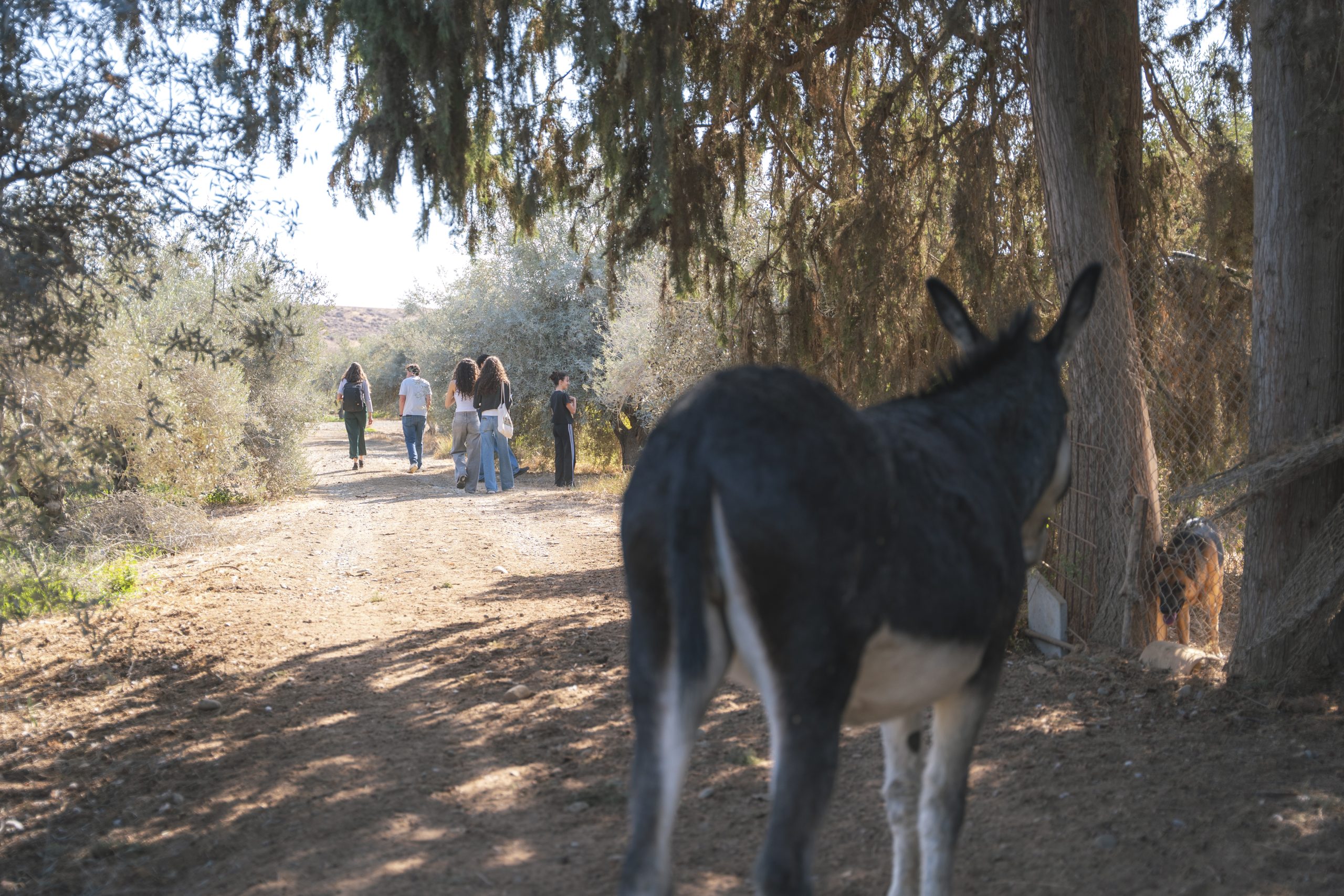
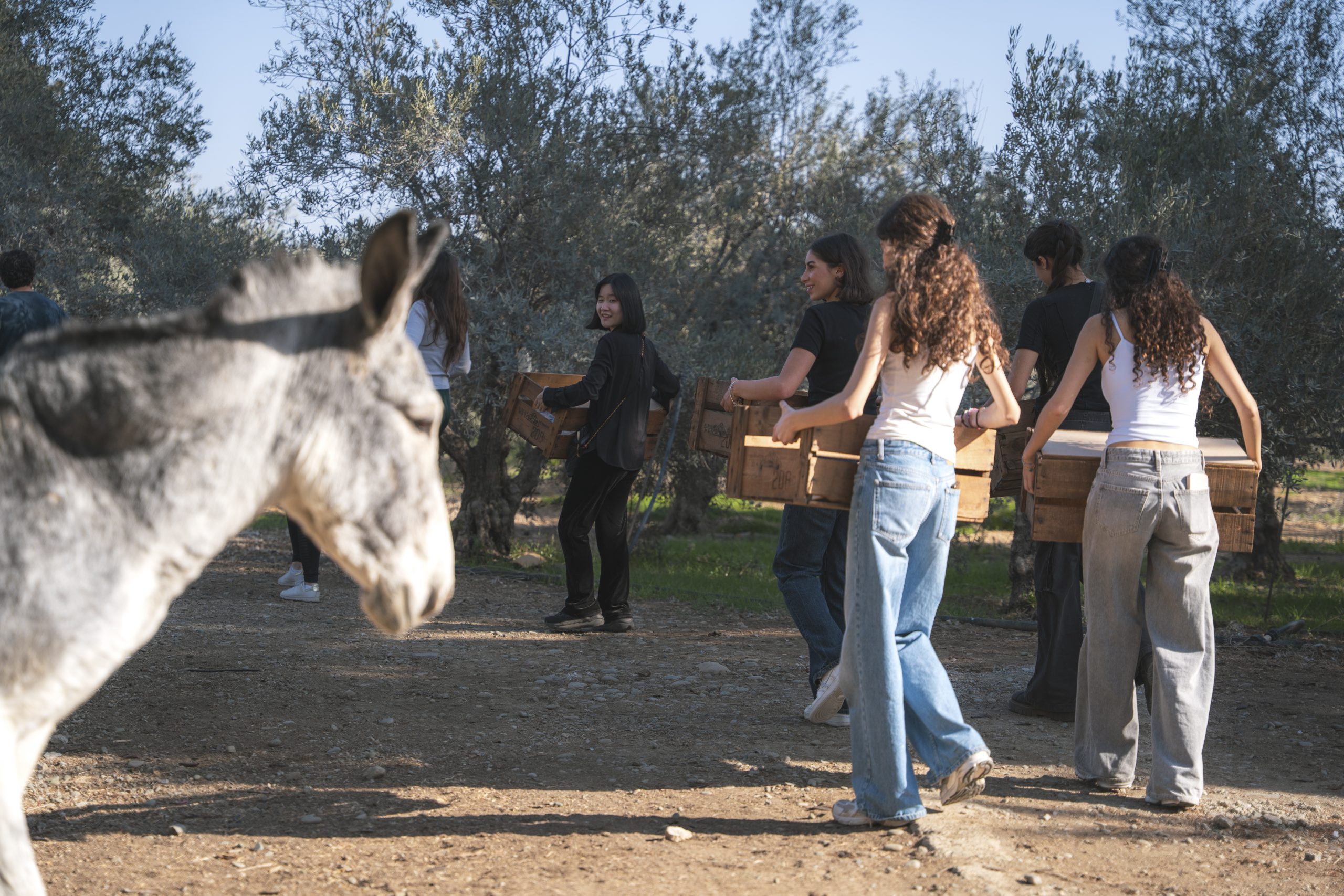
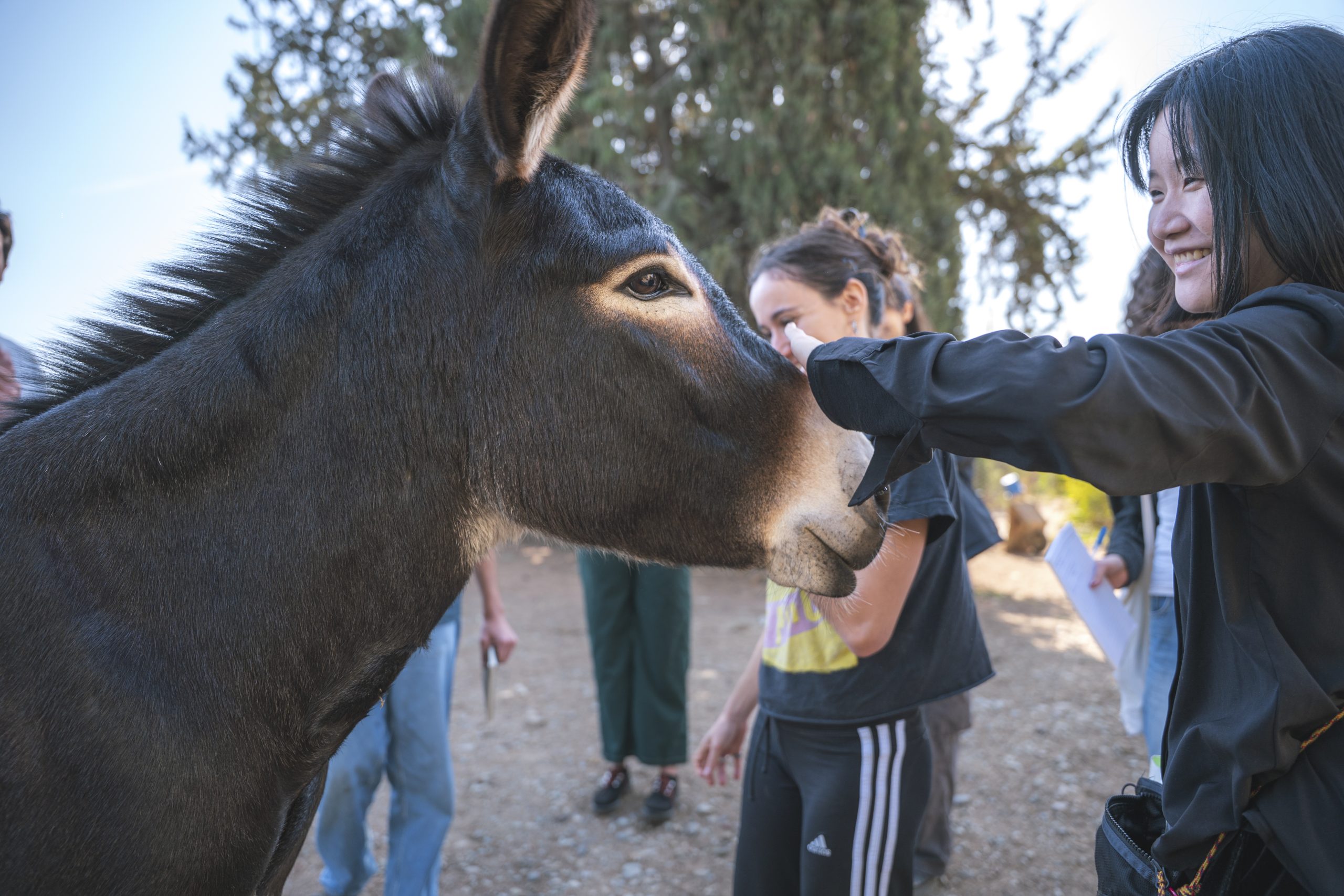
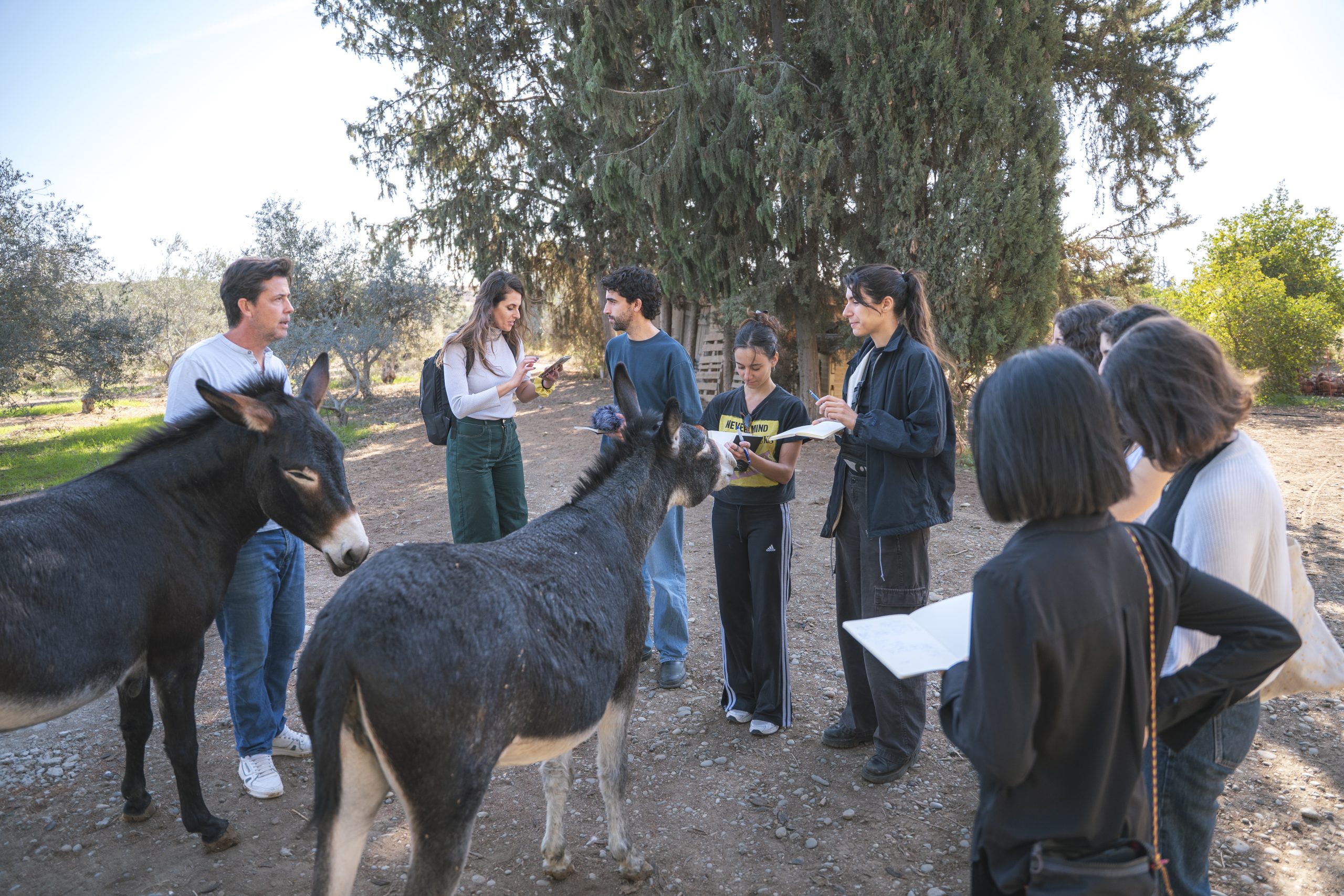
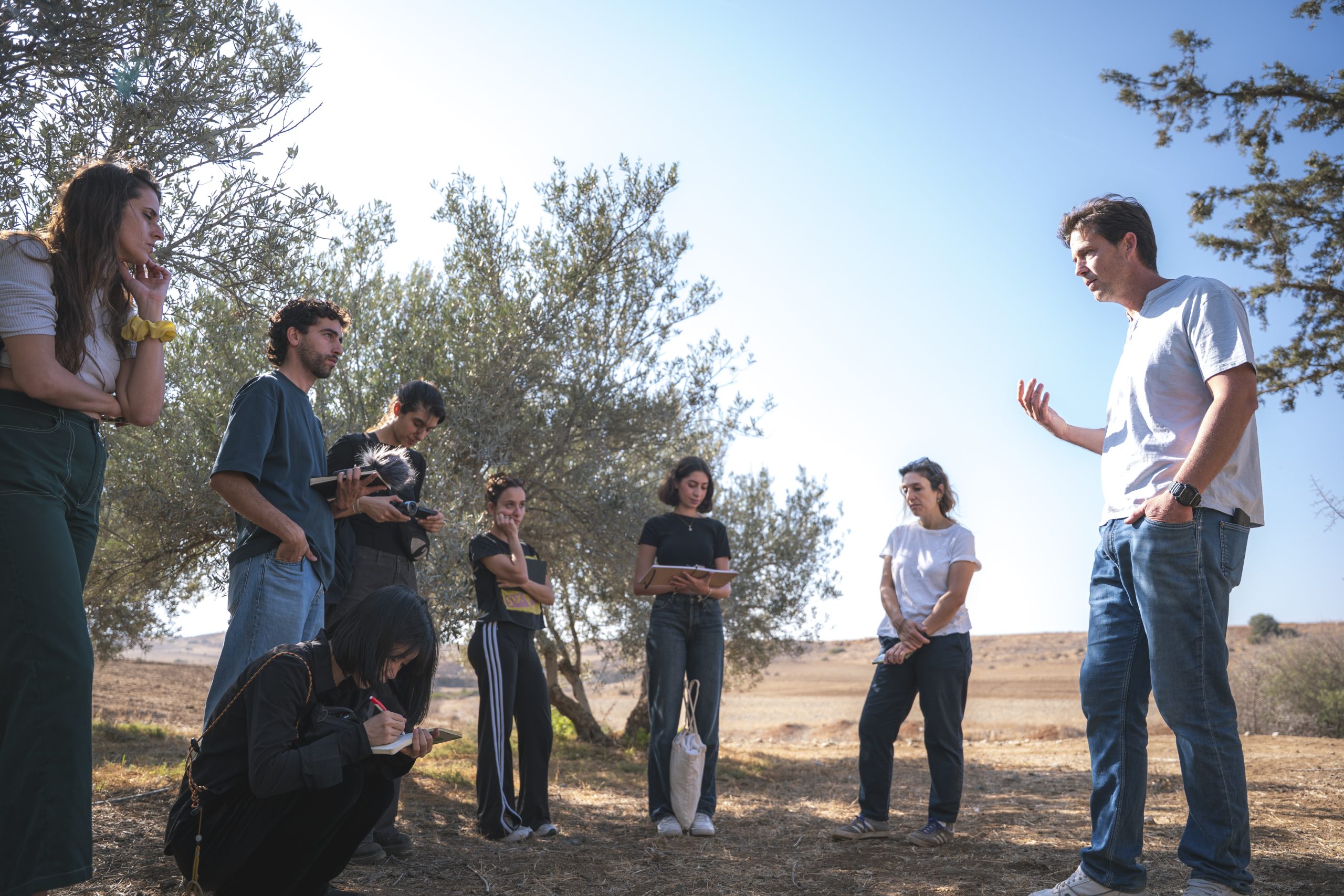
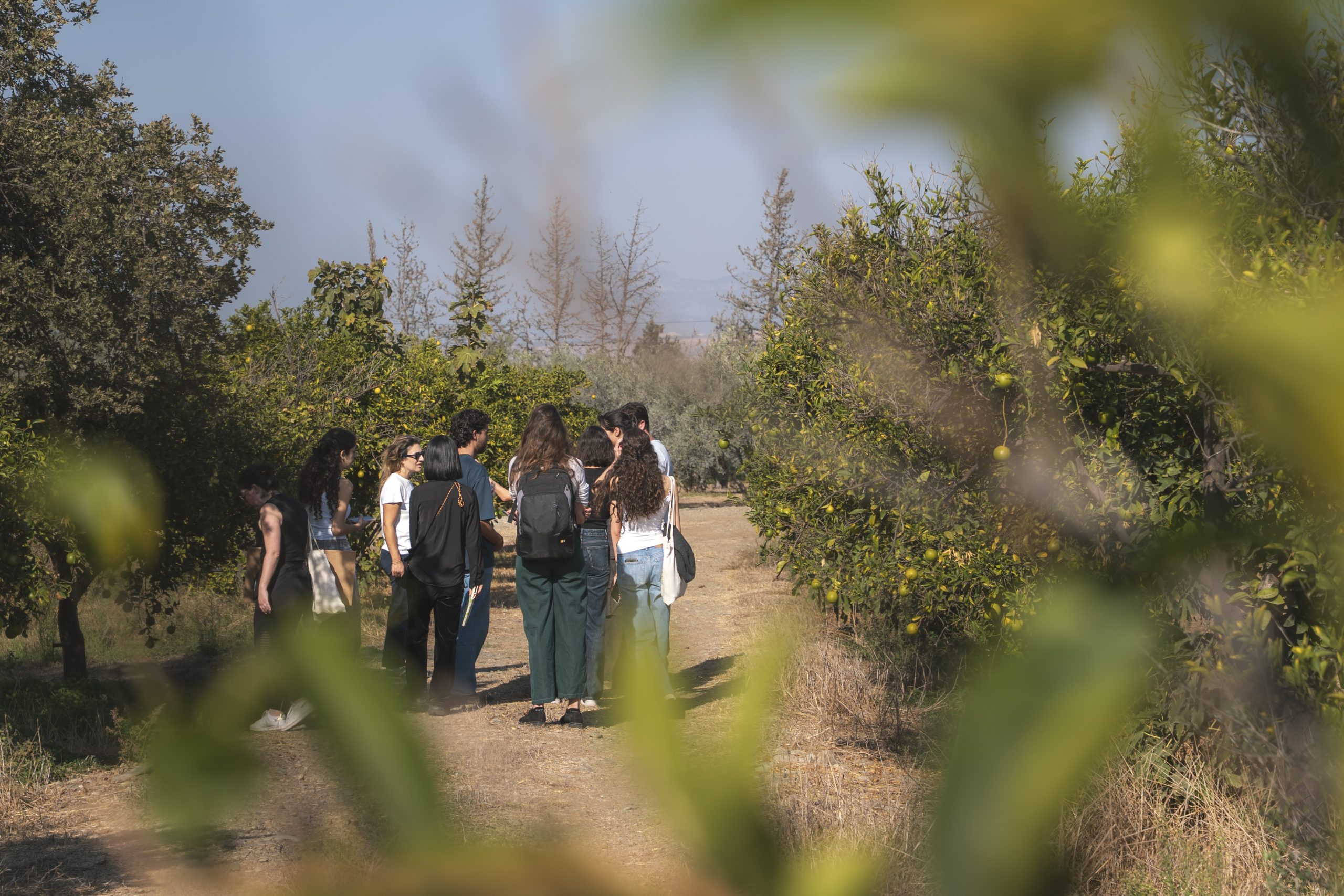
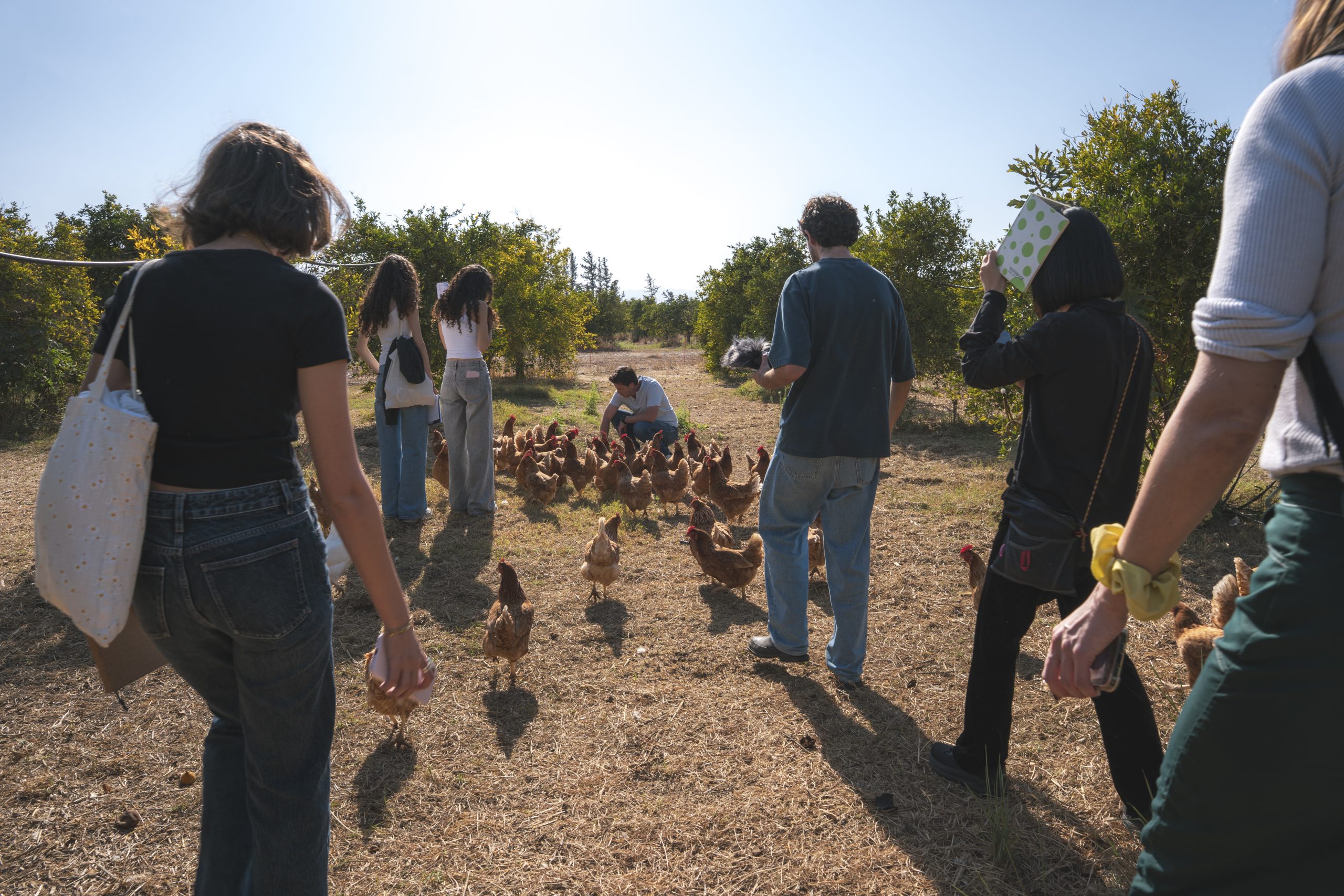
The workshop opened with a full‑day excursion to the Akaki Regenerative Farm. After departing from CYENS in Nicosia, students were welcomed by local practitioners who introduced current climate trends and the principles of agroecology and regenerative agriculture. A guided tour of the farm provided firsthand exposure to the environmental pressures affecting the region.
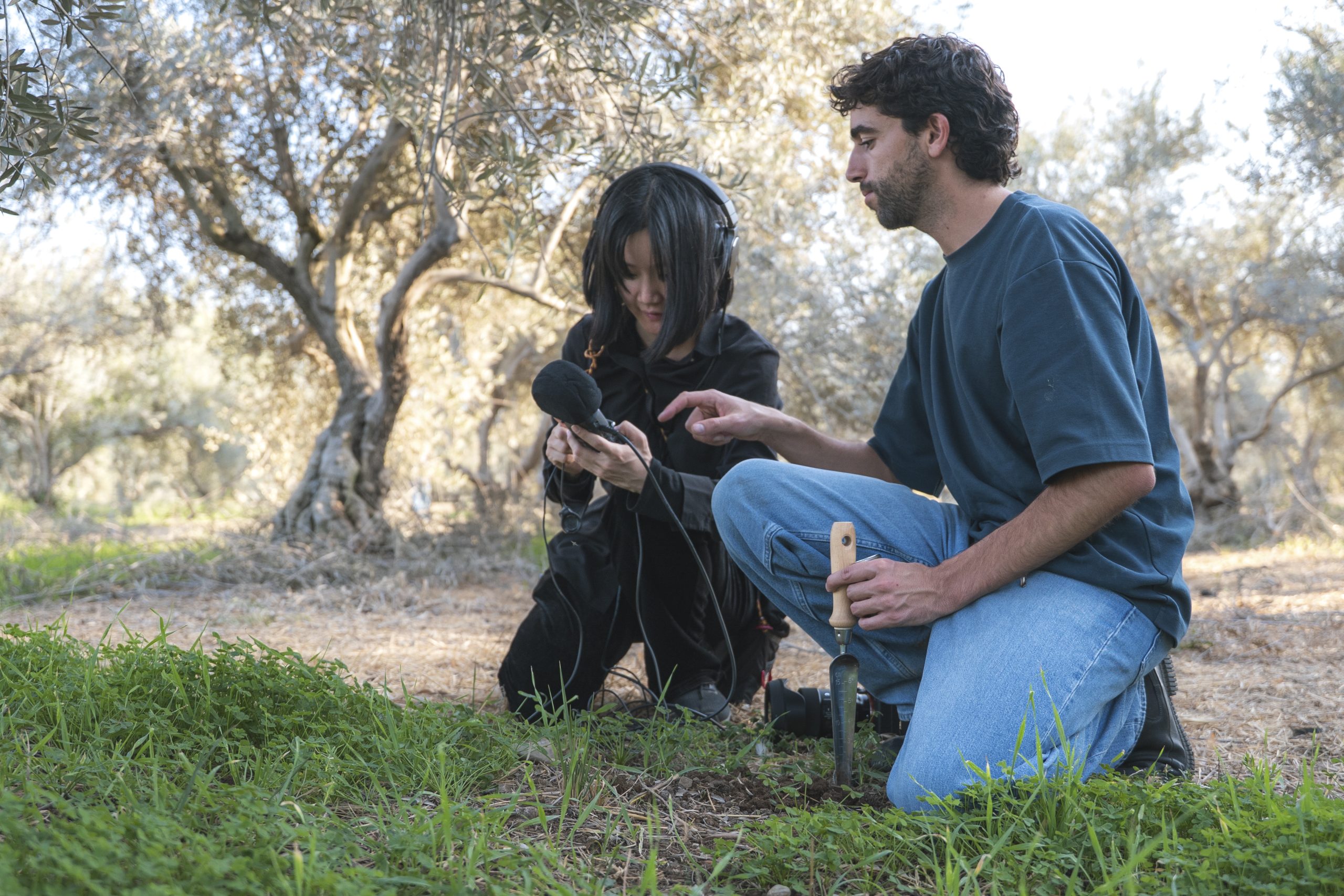
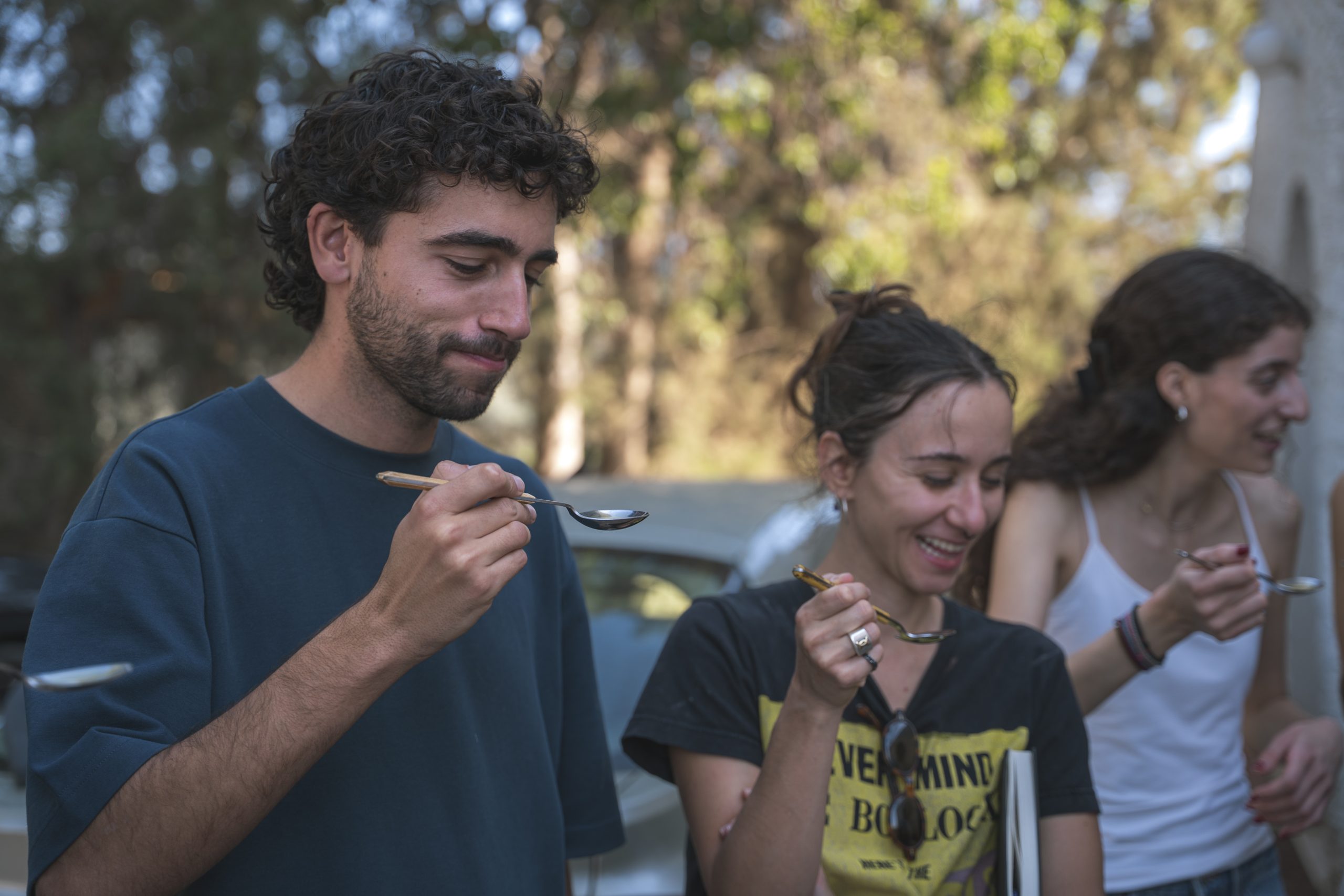
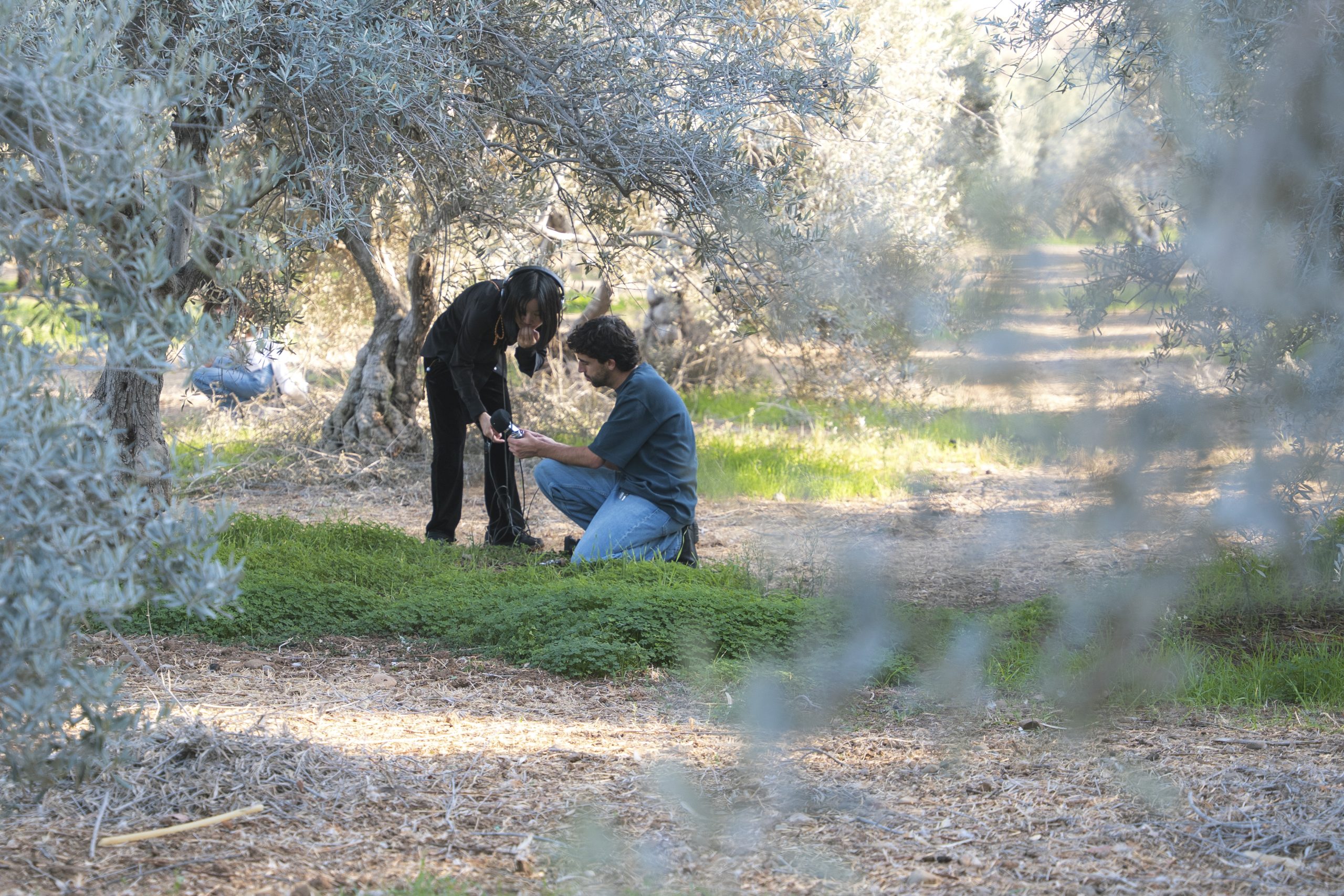
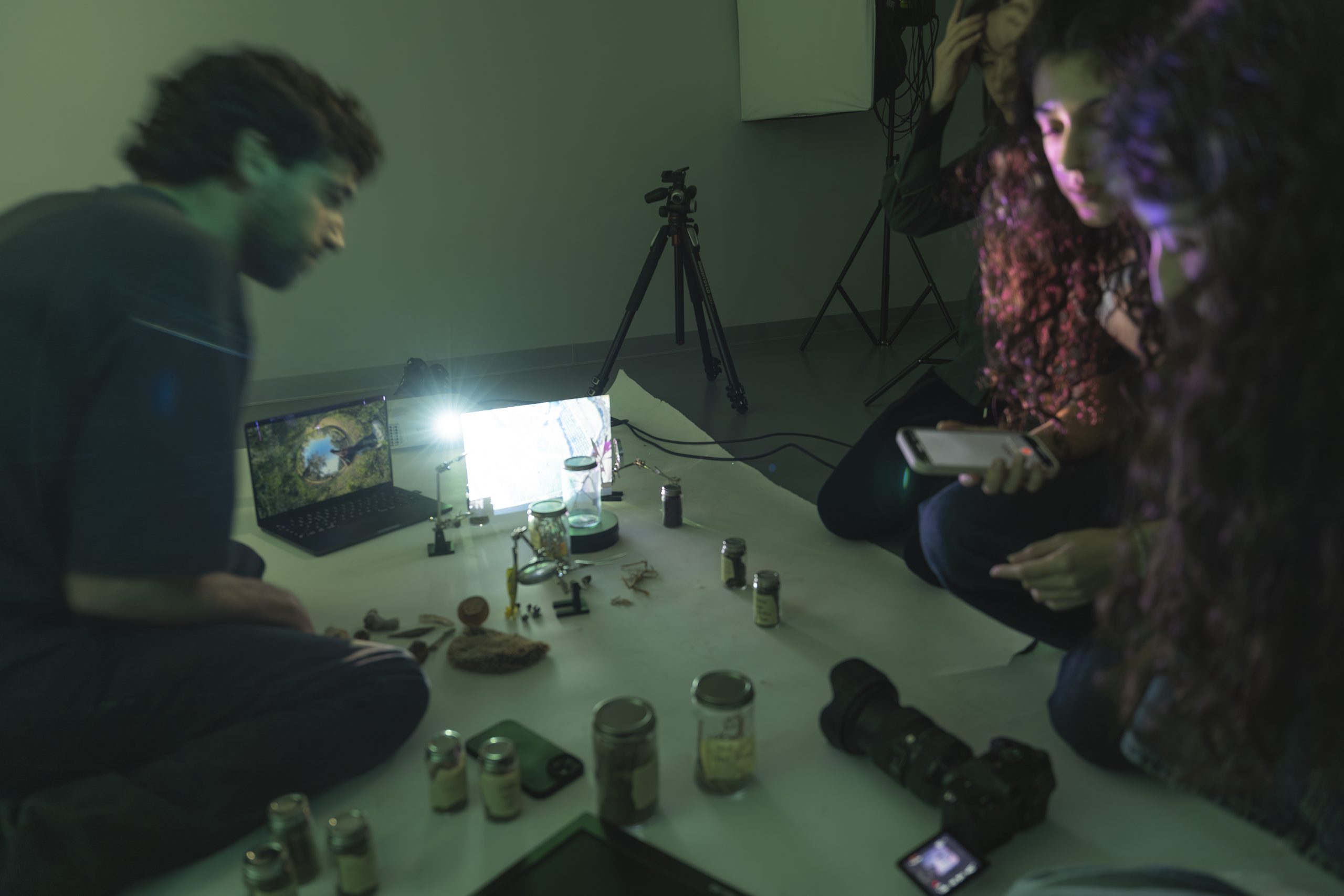
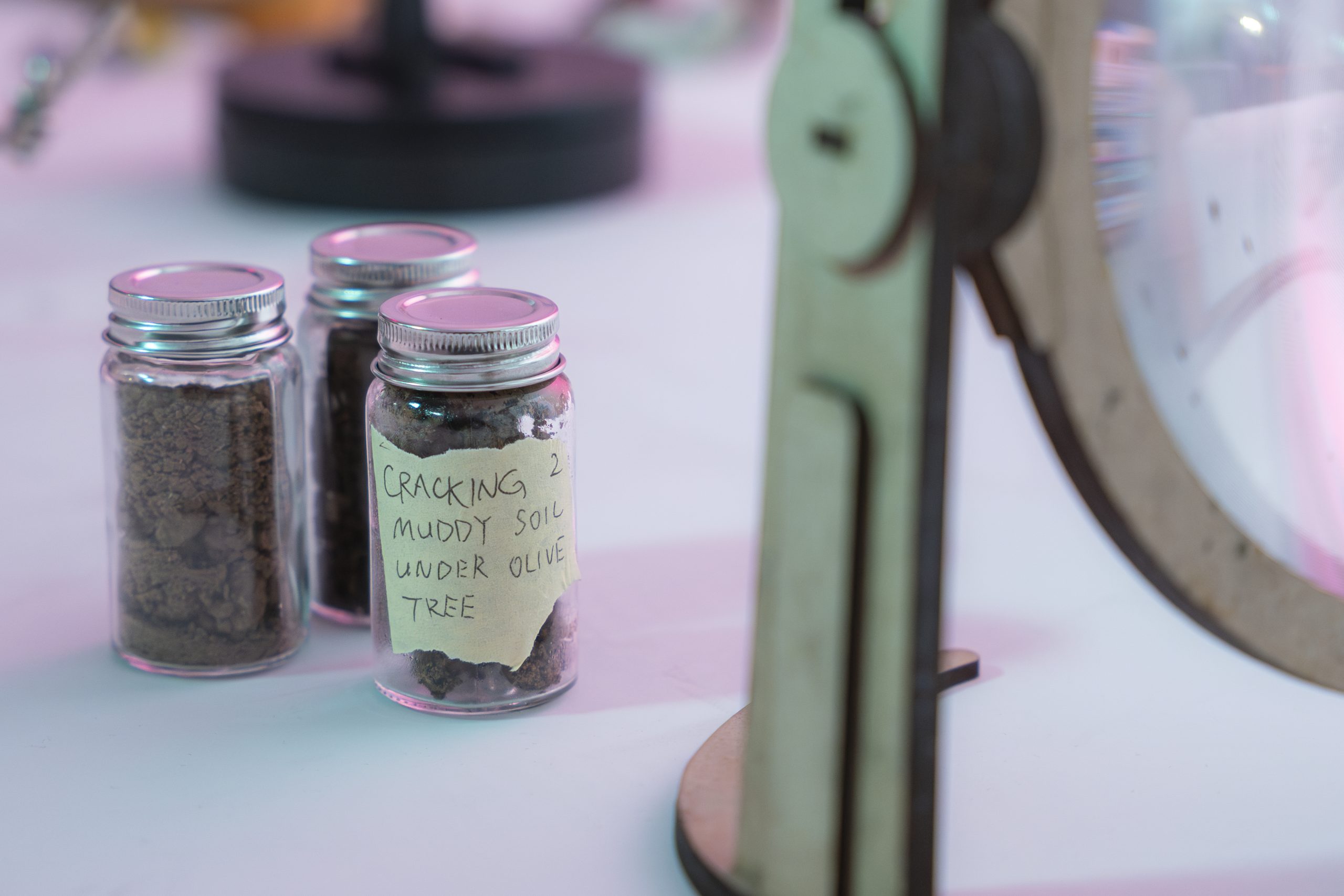
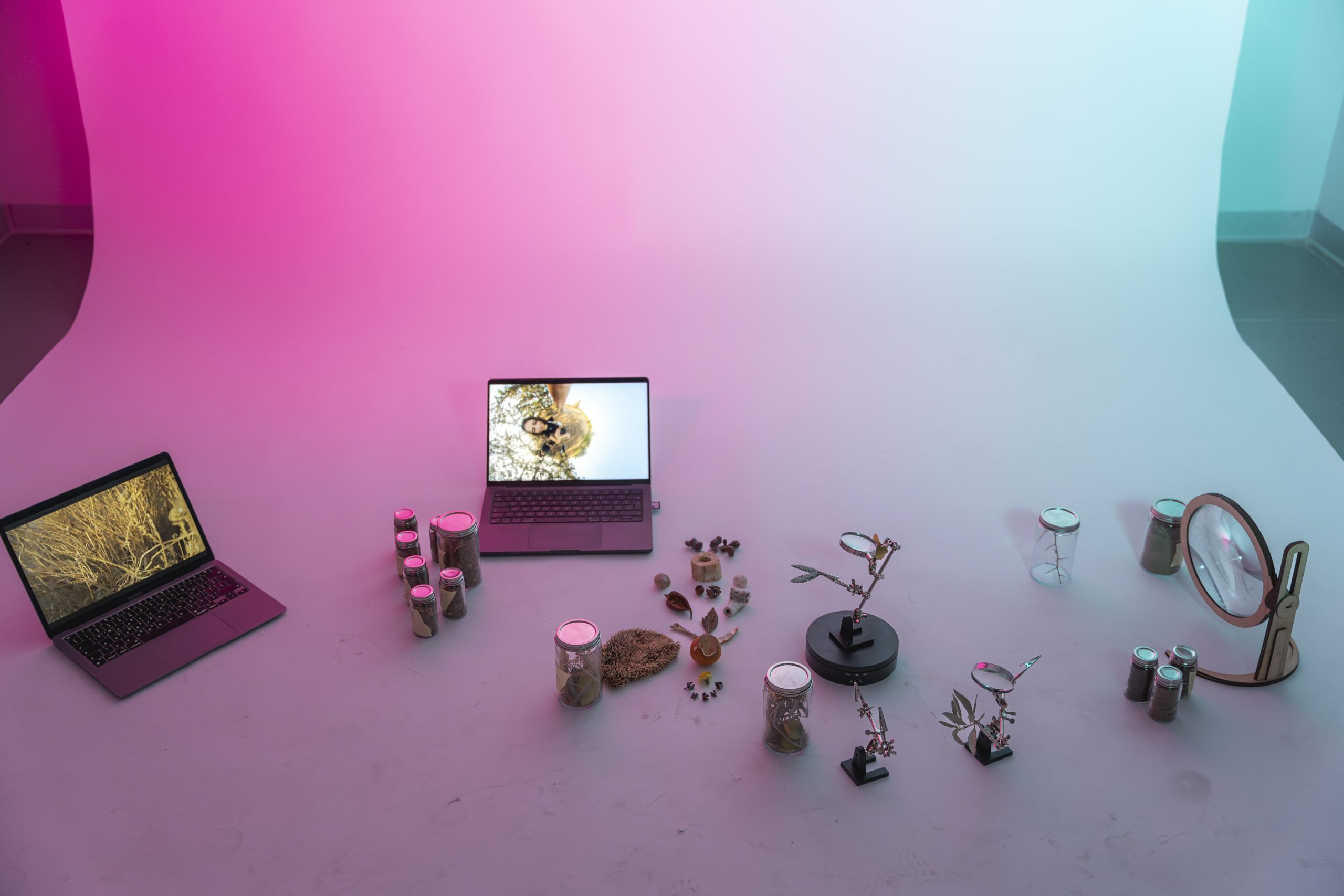
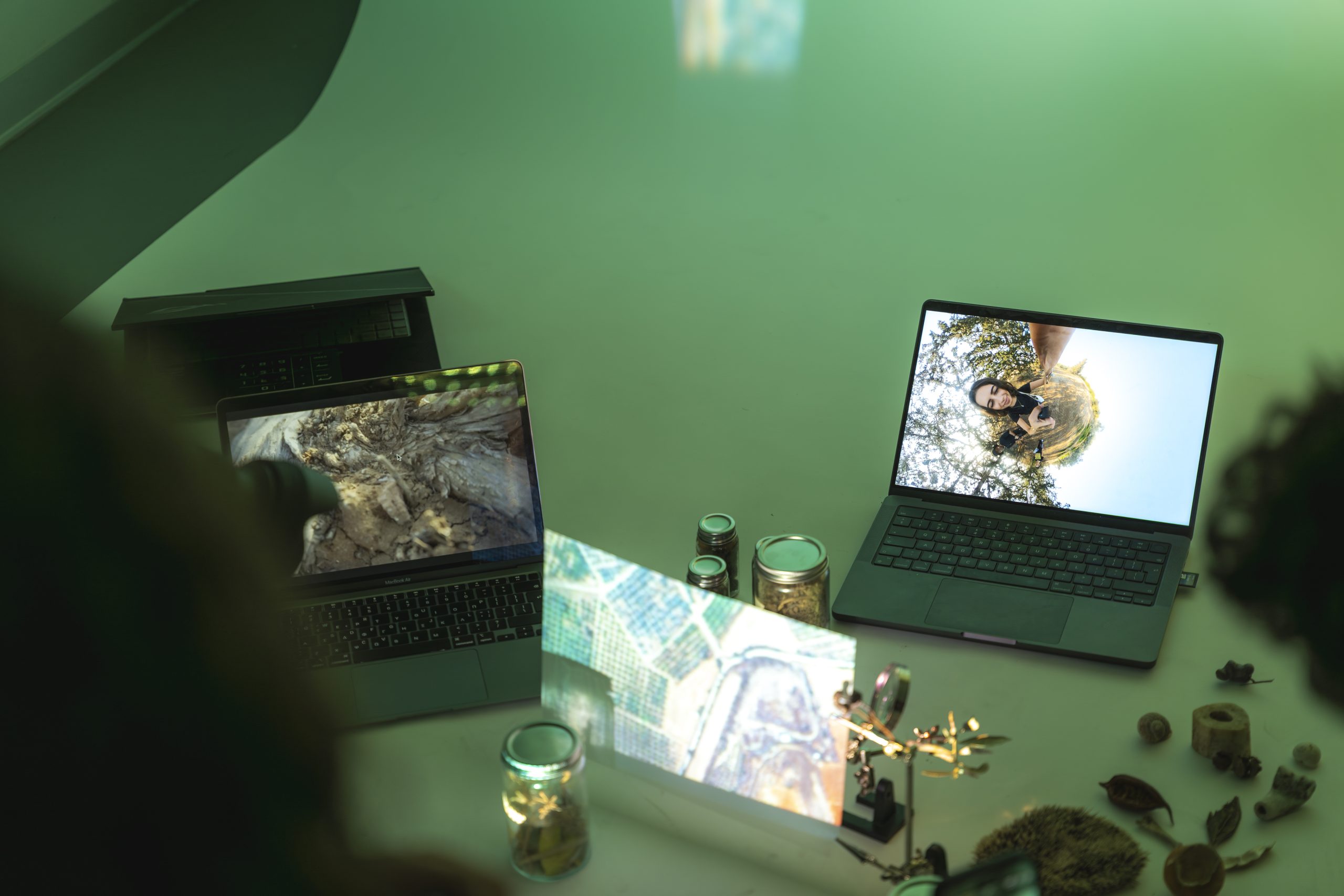
Participants then engaged in collective fieldwork, gathering soil and sediment samples, documenting ecological traces through photography, film, and drawing, and observing how drought conditions manifest in the landscape. The day concluded with a reflective session, where students translated their observations into visual notes and keywords that would guide the next phase of the workshop.
Creative Transformation at Thinker Maker Space
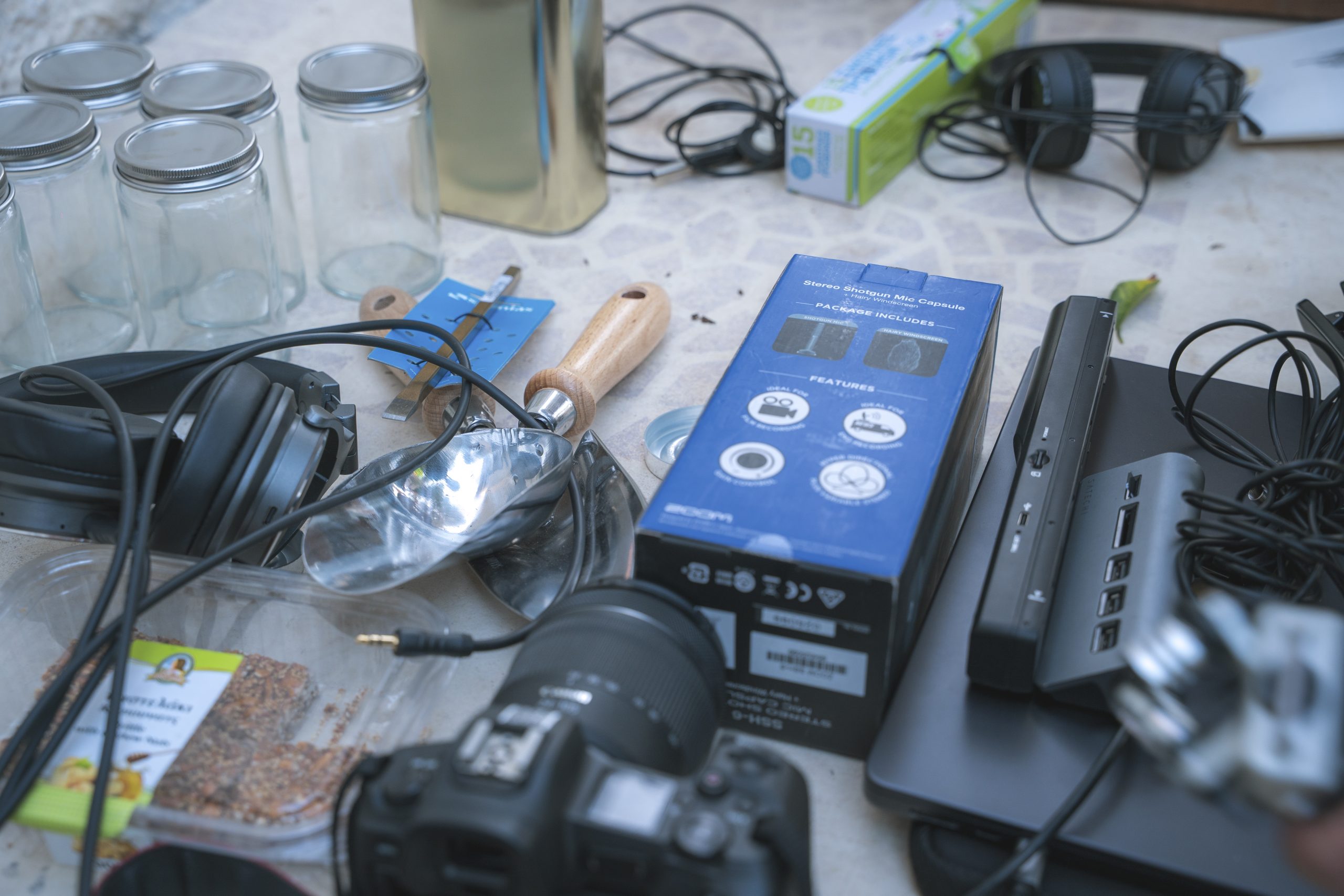
The second day shifted from field observation to creative interpretation. Meeting at CYENS Thinker Maker Space, participants revisited the materials collected in Akaki and explored them through group readings, discussions, and sensory mapping exercises.
Through collaborative drawing, writing, and conceptual development, students transformed raw ecological data into artistic frameworks that highlight patterns of drought, adaptation, and resilience. The session emphasized how artistic and scientific practices can intersect to articulate local experiences of environmental change.
Artist and STUDIOTOPIA resident Miguel Teodoro guided the workshop, encouraging participants to approach environmental issues through multisensory exploration and interdisciplinary thinking. His practice, which often bridges ecological research and creative expression, shaped the workshop’s focus on embodied learning and collaborative interpretation.
Pop‑Up Lab workshop was part of the broader WIP LAB 2025 Invisible Waters: Creative Talks & Open Play, which invites artists and researchers to share work‑in‑progress ideas through experimentation, dialogue, and public engagement.