Workshop that Explored Water Scarcity Through Art, Science, and Field Research
A two‑day Pop‑Up Lab workshop, held on 20-21 November 2025 as part of the WIP Festival that took place in the CYENS Centre of Excellence (Cyprus), brought university students into direct contact with the ecological realities of water scarcity and desertification in Cyprus.
Led by artist Miguel Teodoro, the workshop combined scientific insight, hands‑on fieldwork, and creative interpretation to help participants understand how shifting ecologies shape everyday life on the island.
Immersive Fieldwork in Akaki
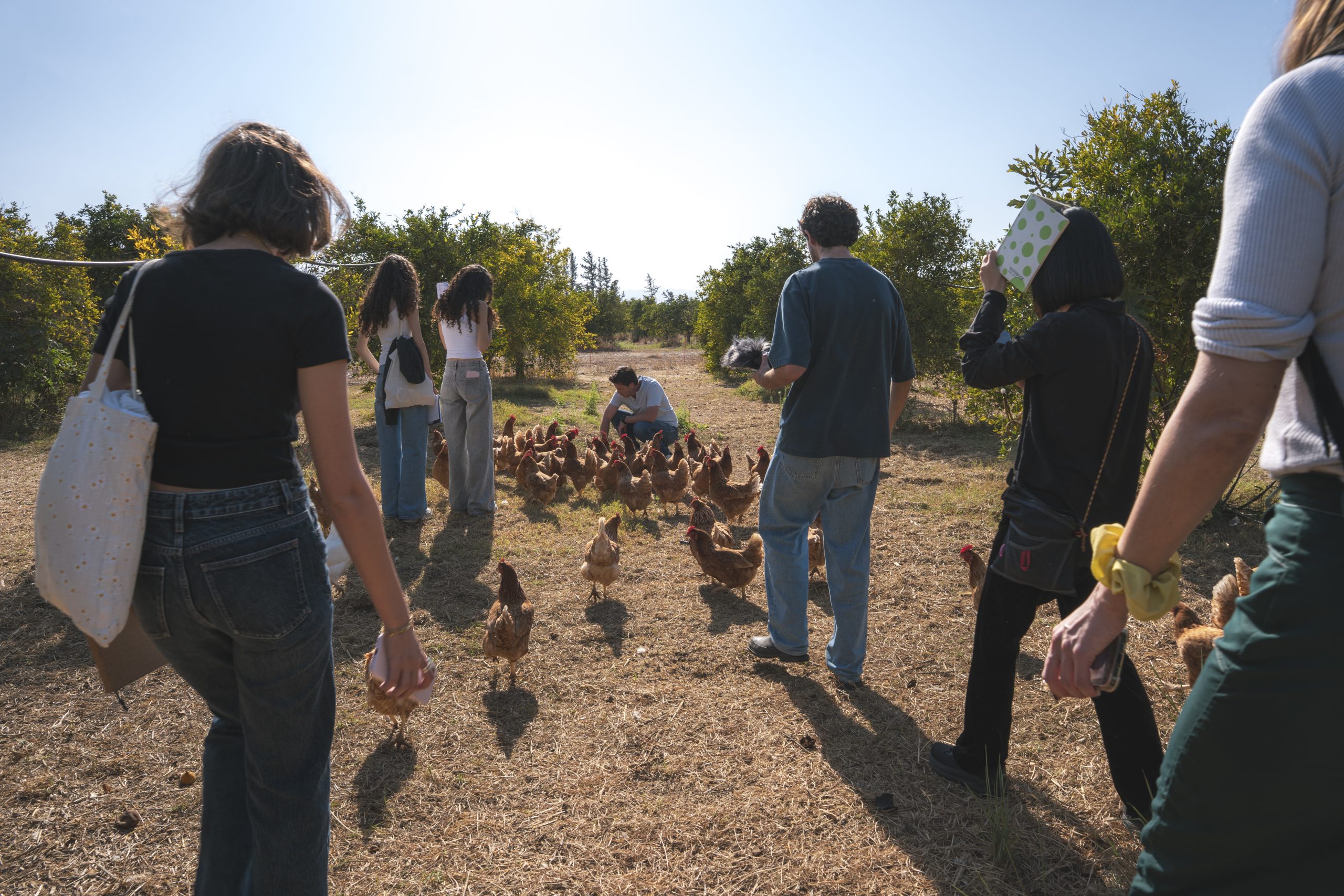
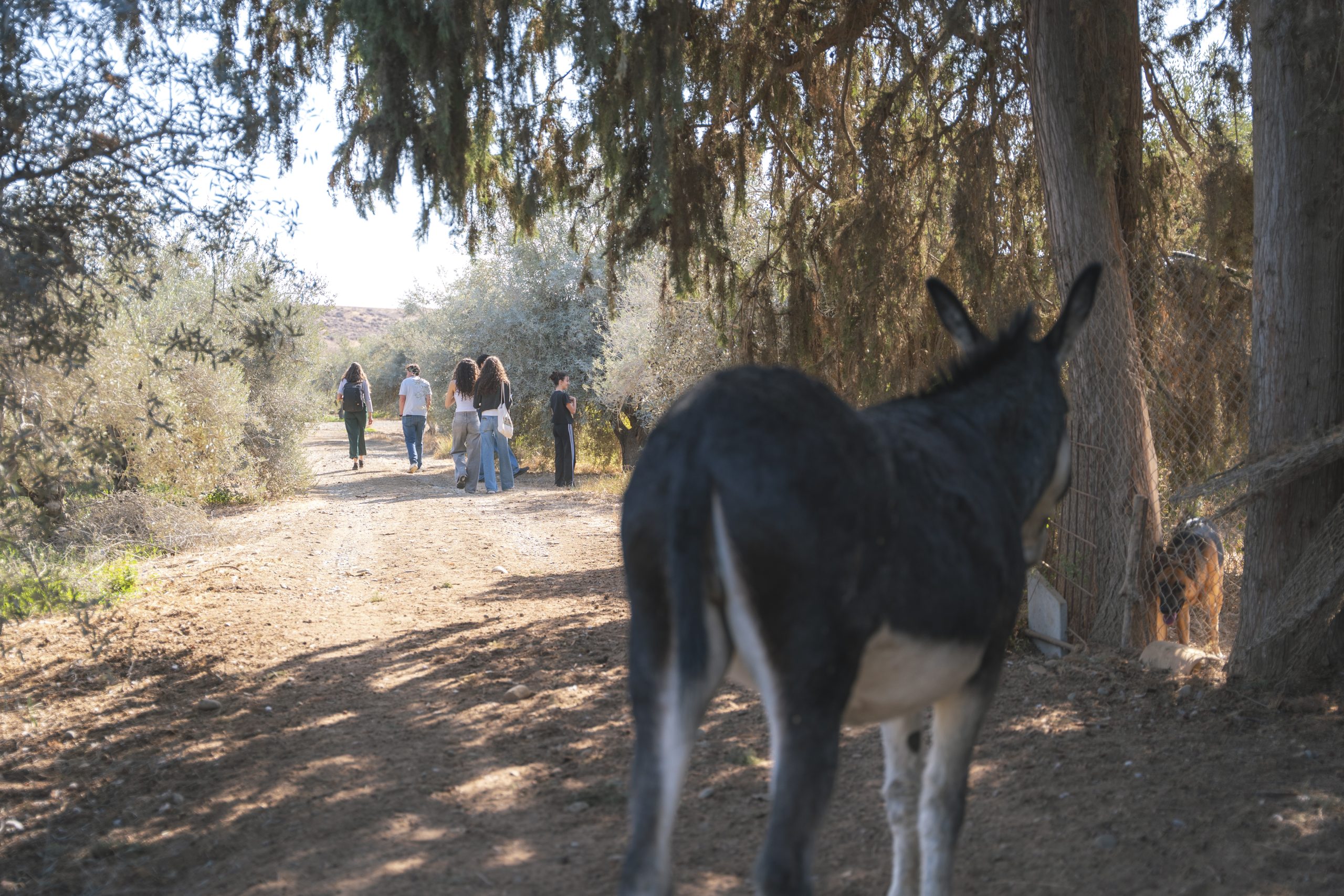
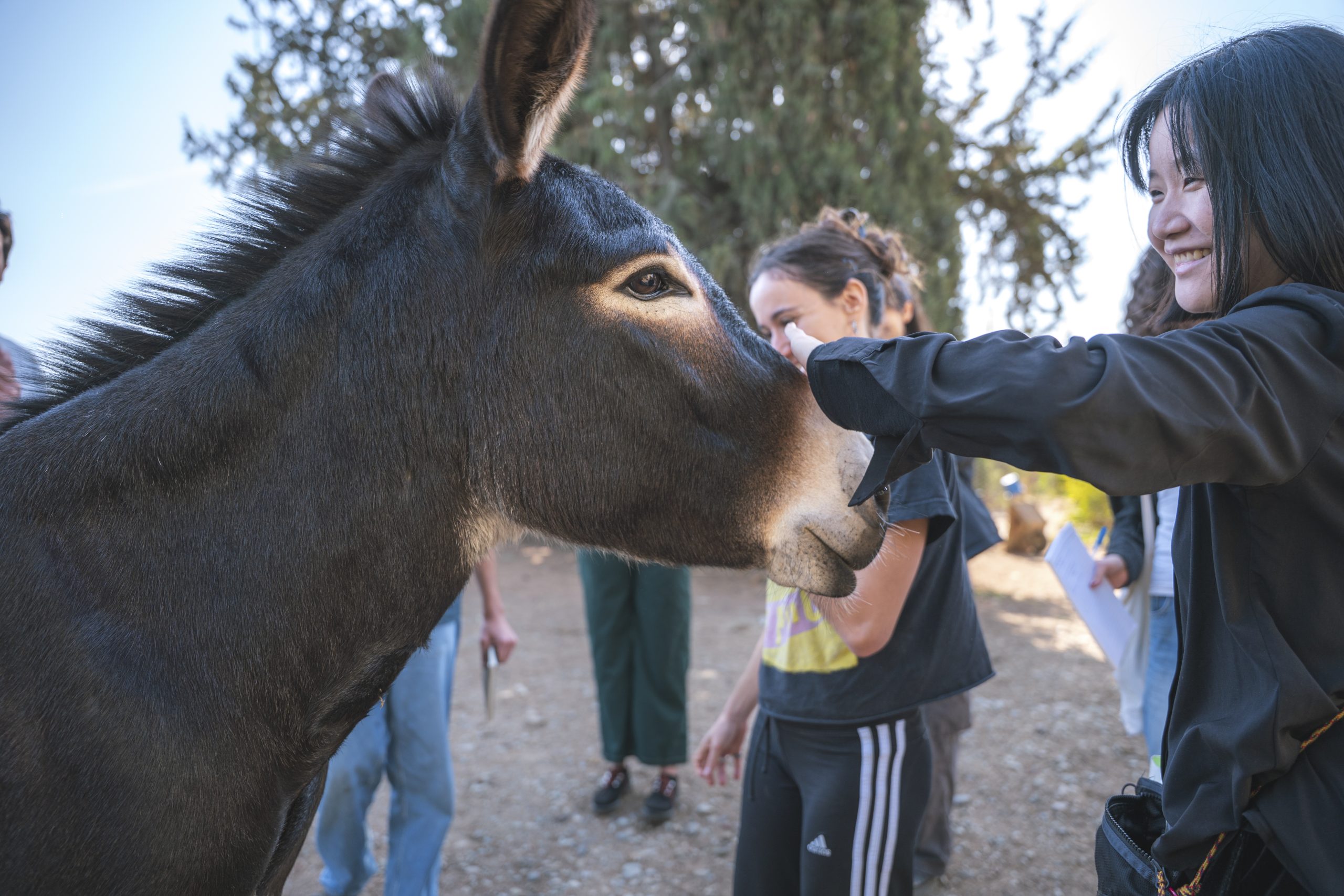
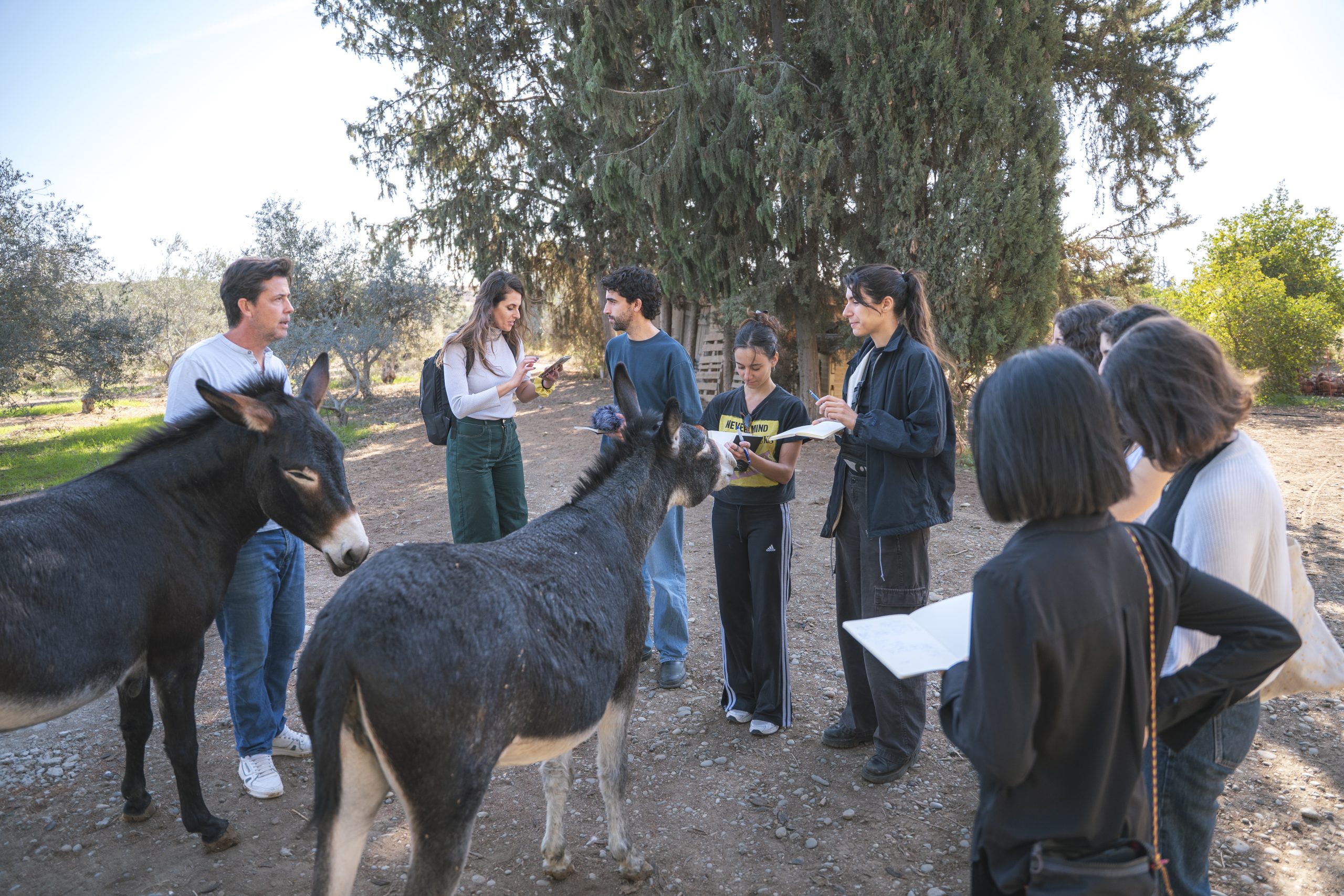
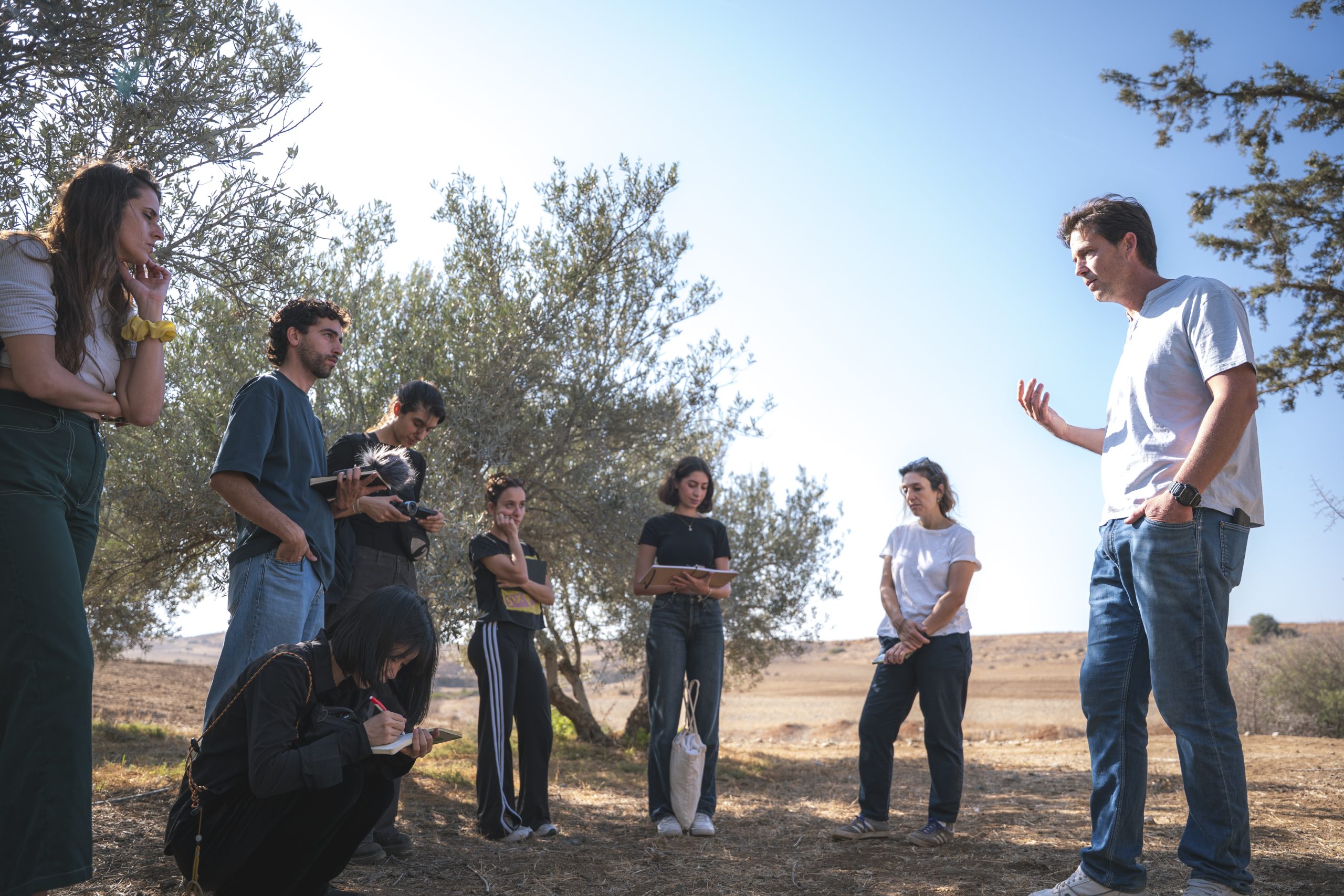
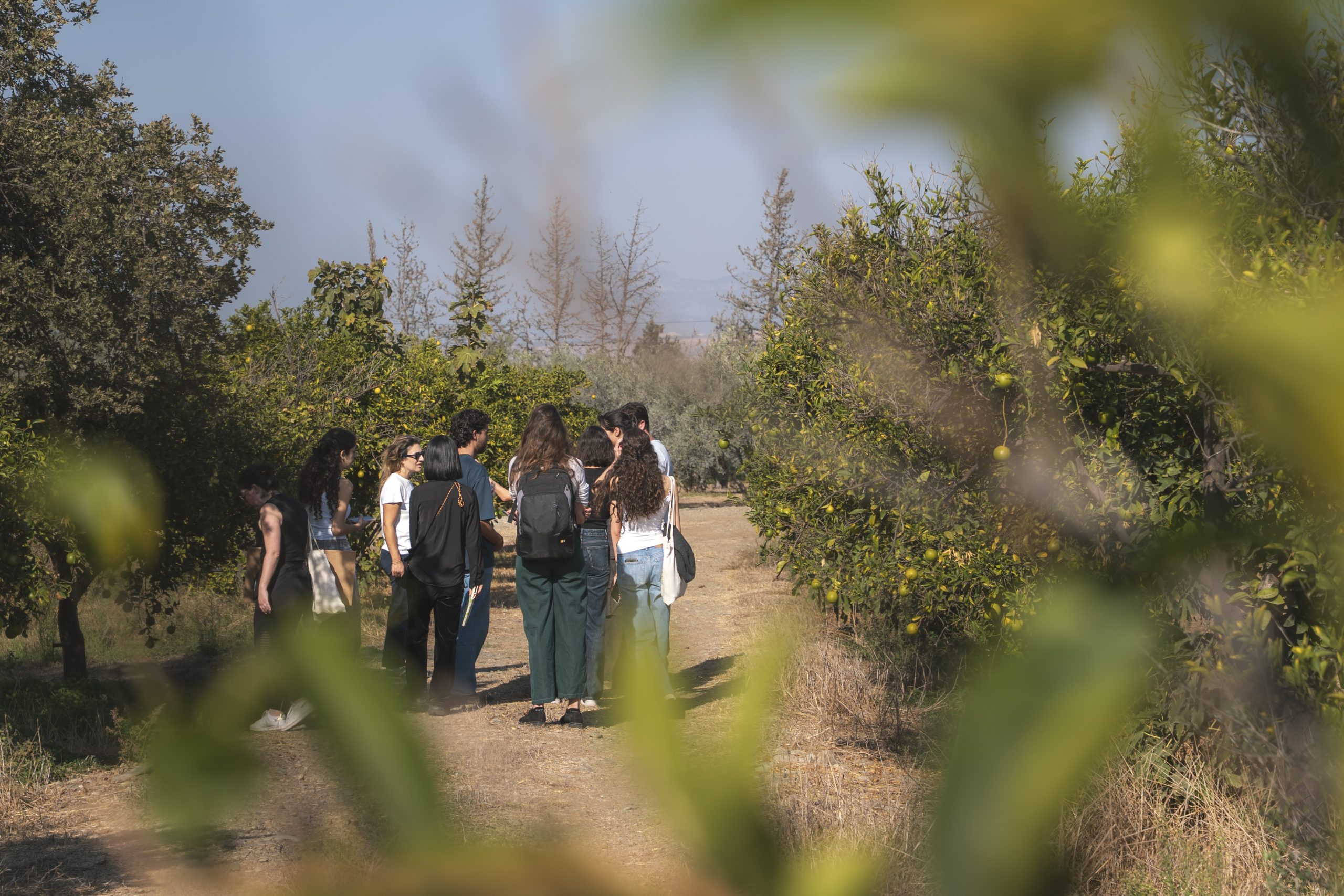
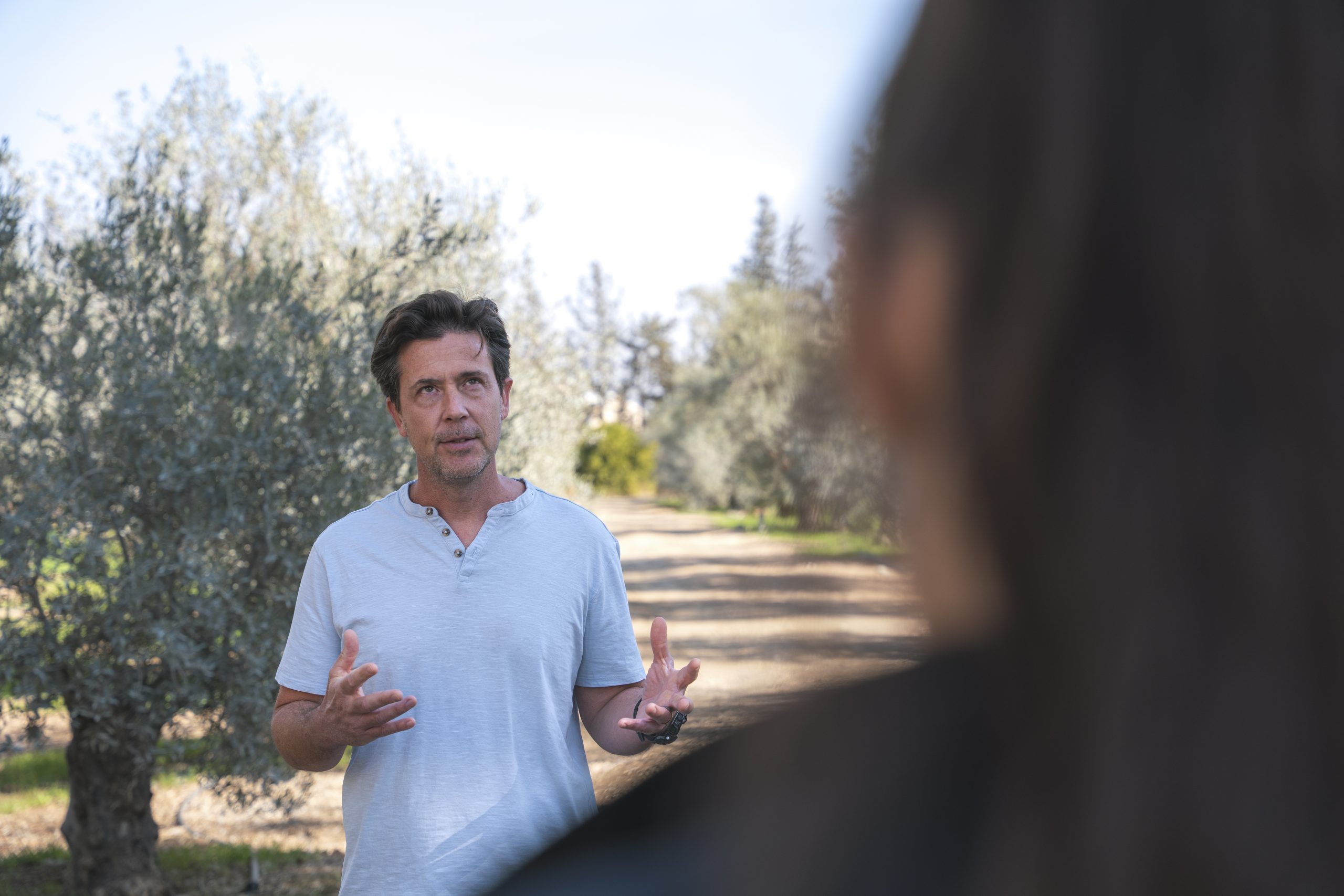
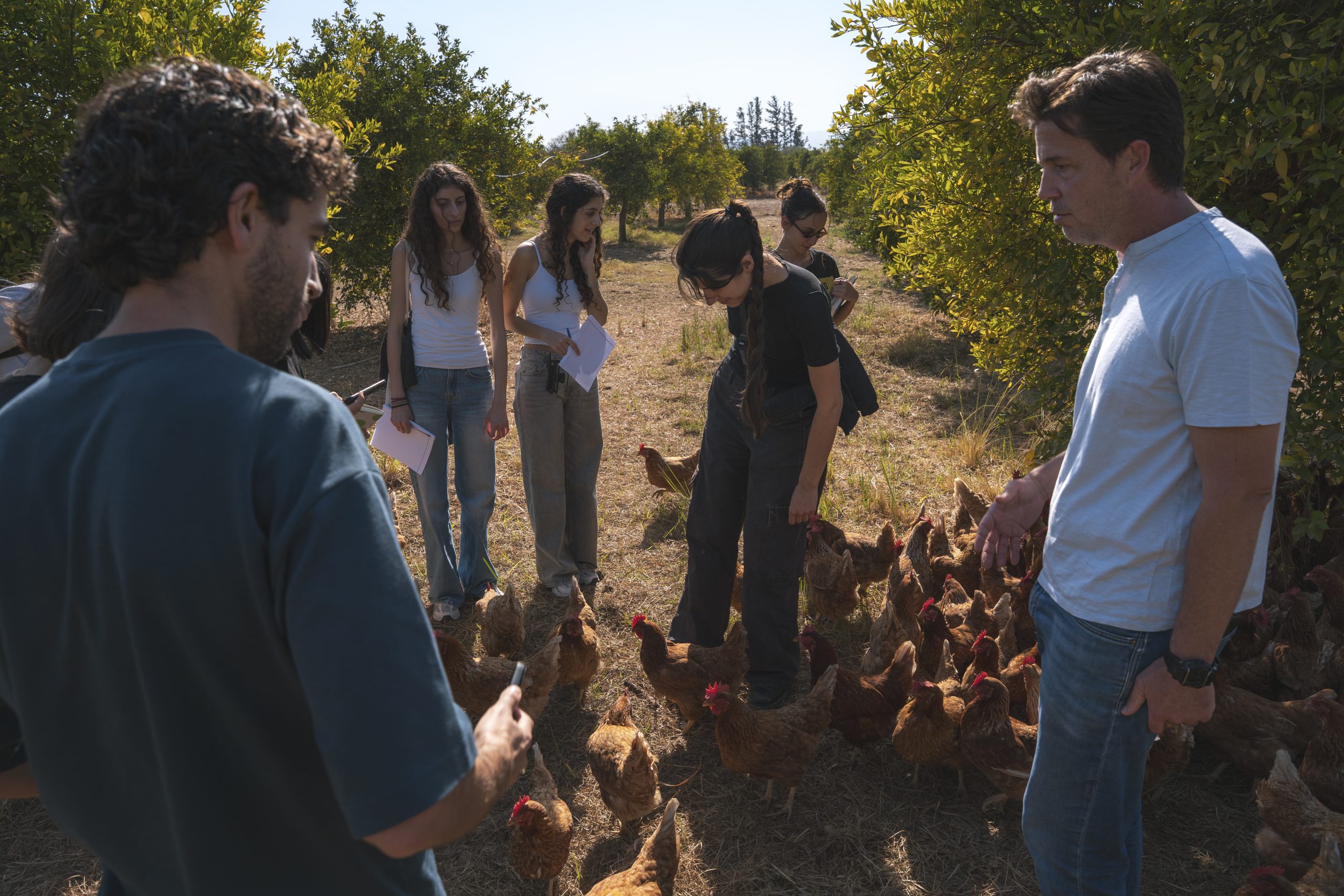
The workshop opened with a full‑day excursion to the Akaki Regenerative Farm. After departing from CYENS in Nicosia, students were welcomed by local practitioners who introduced current climate trends and the principles of agroecology and regenerative agriculture. A guided tour of the farm provided firsthand exposure to the environmental pressures affecting the region.
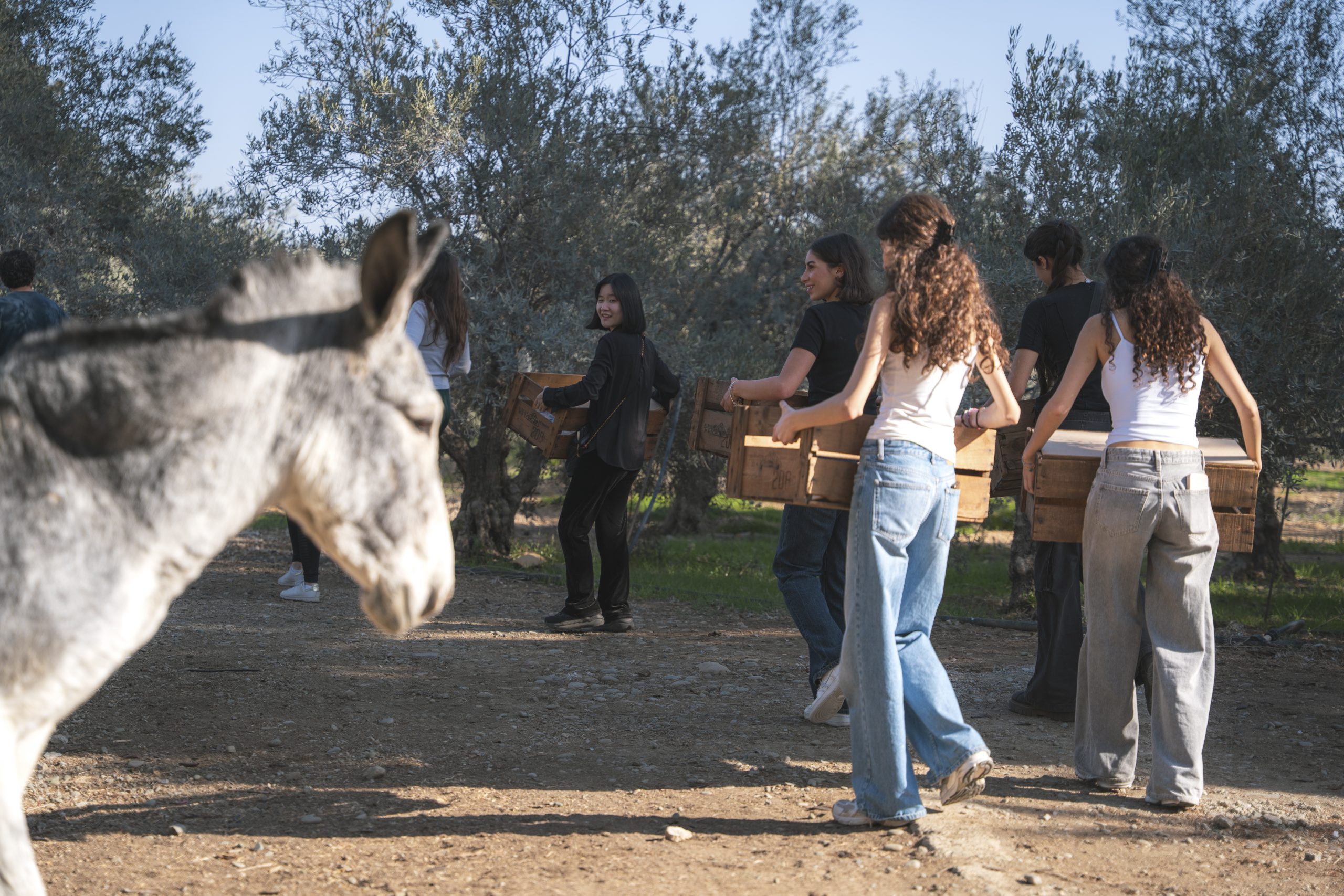
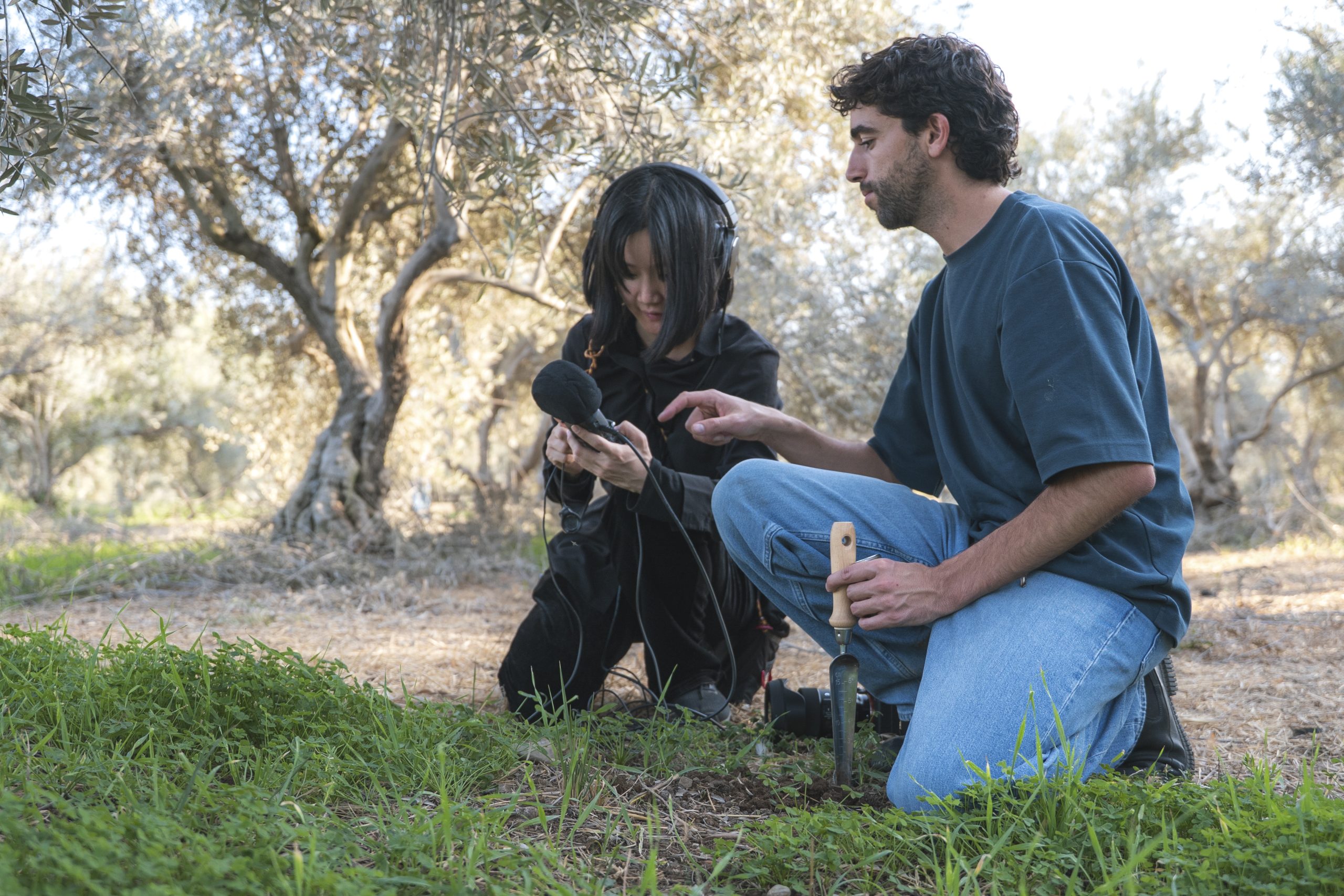
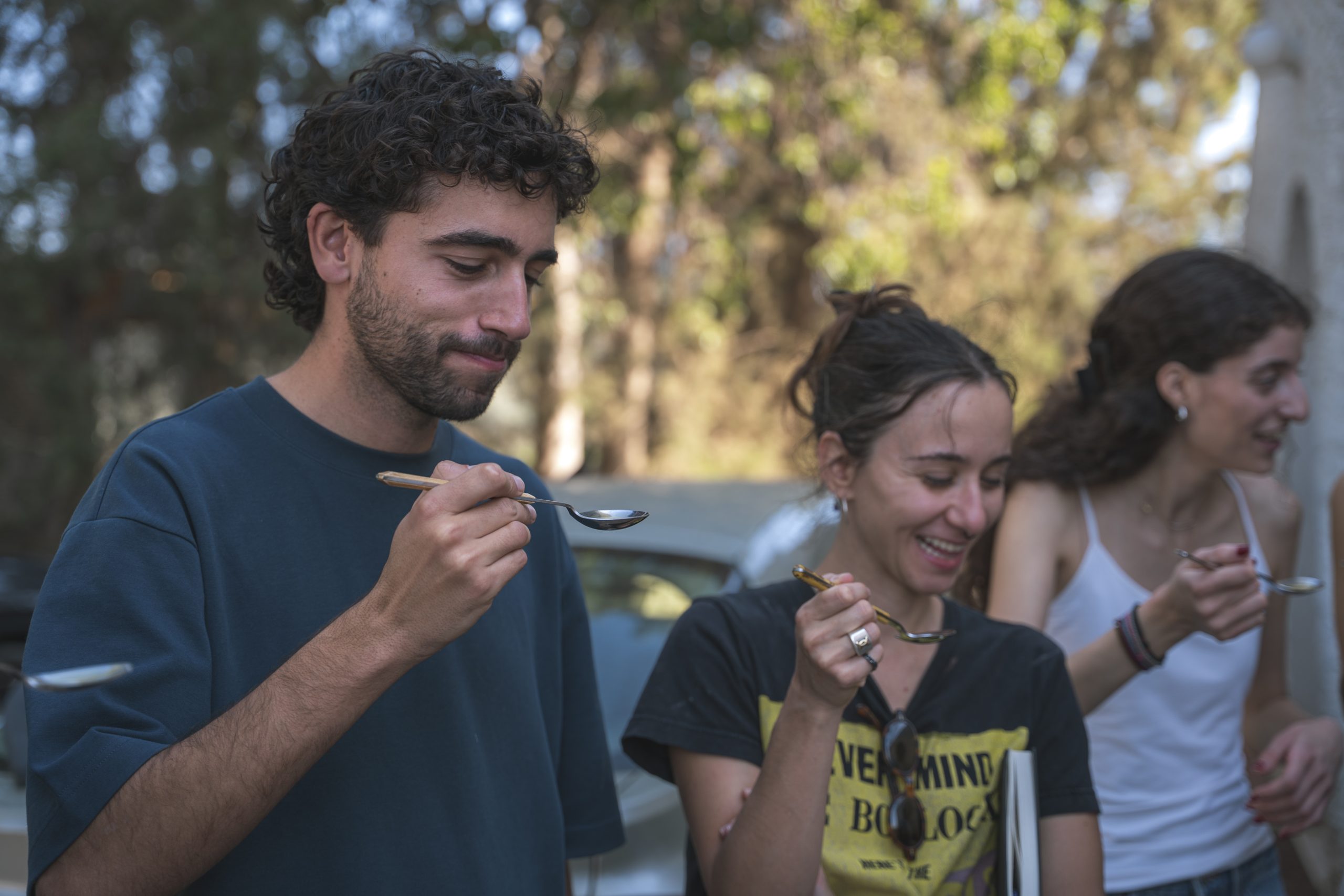
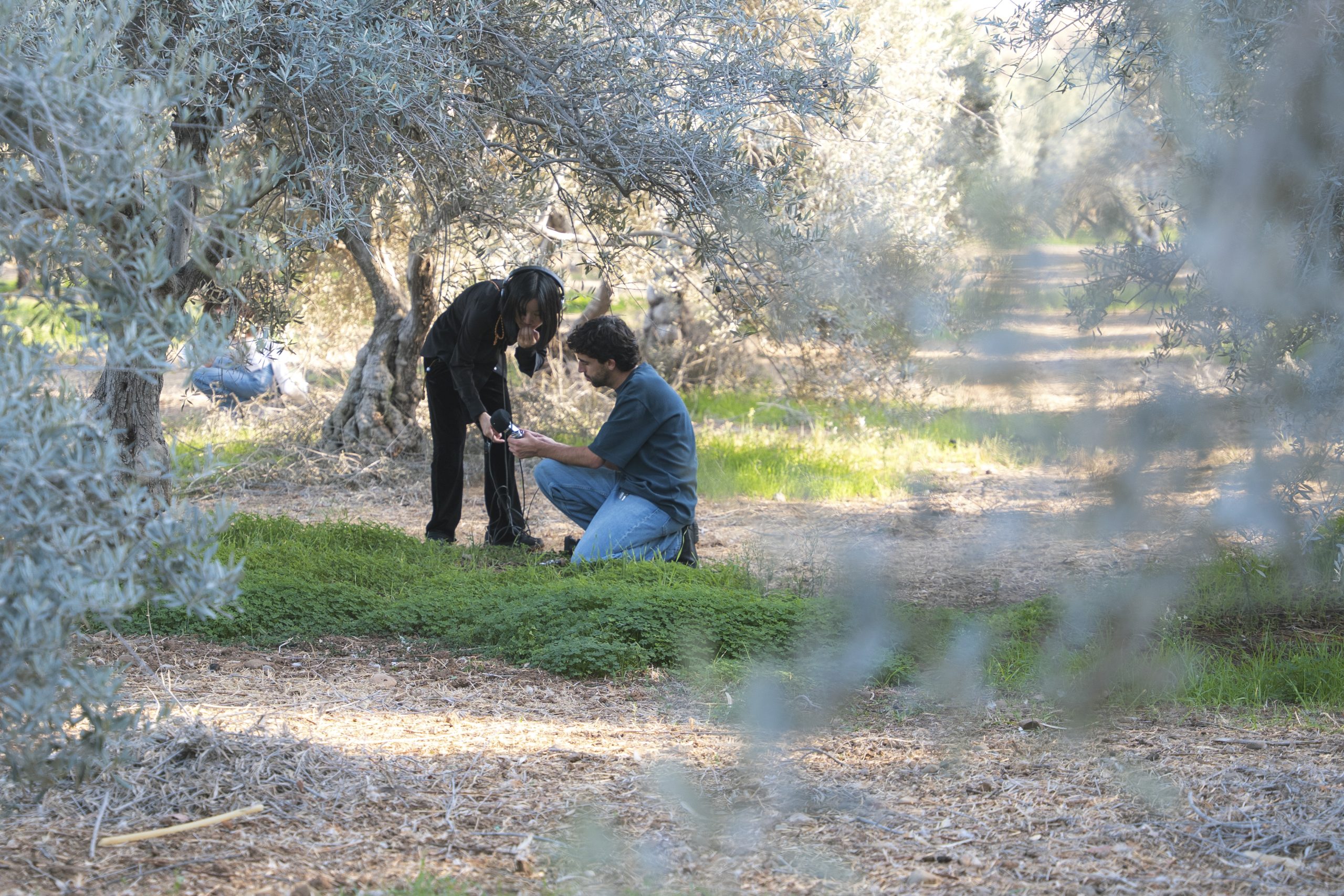
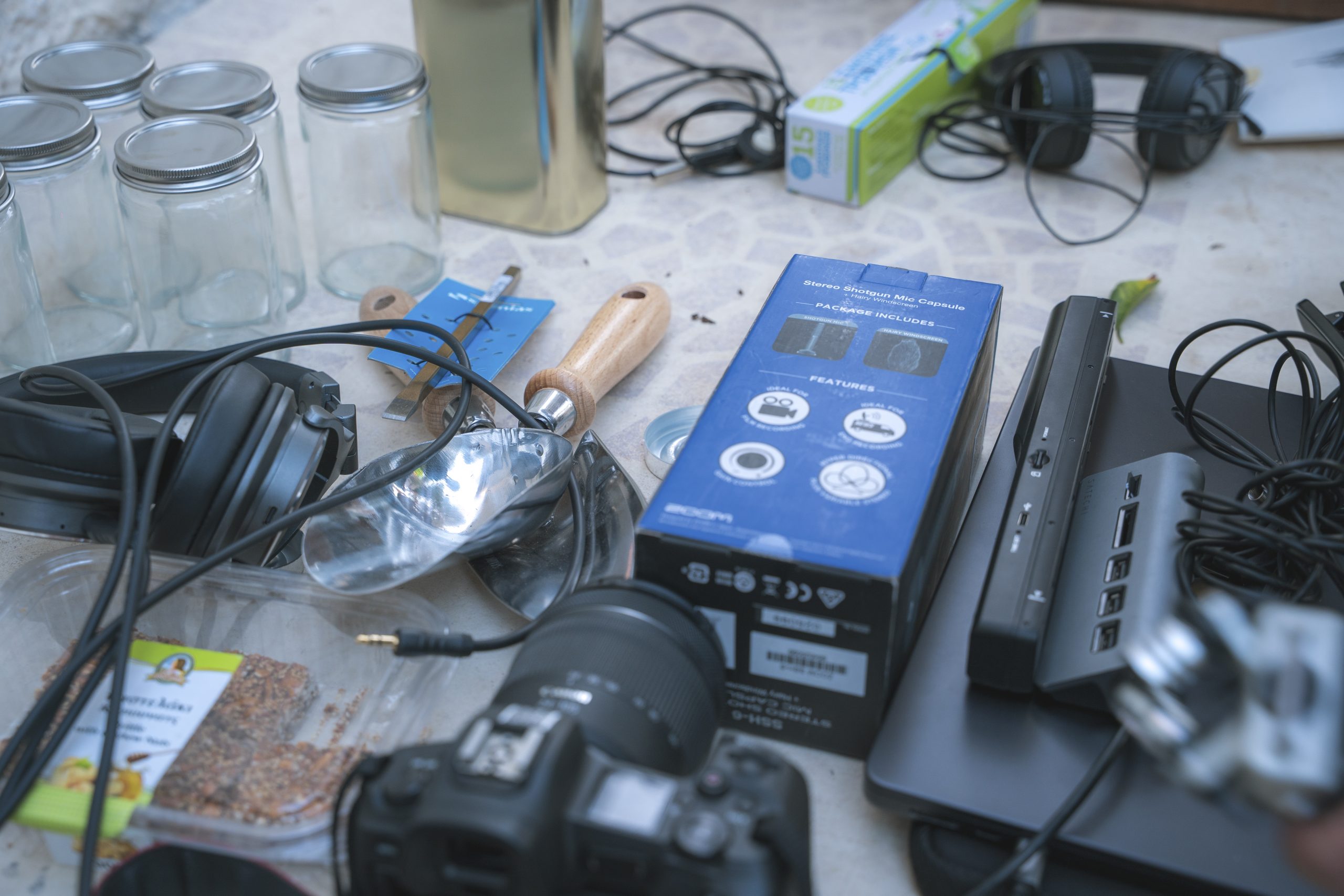
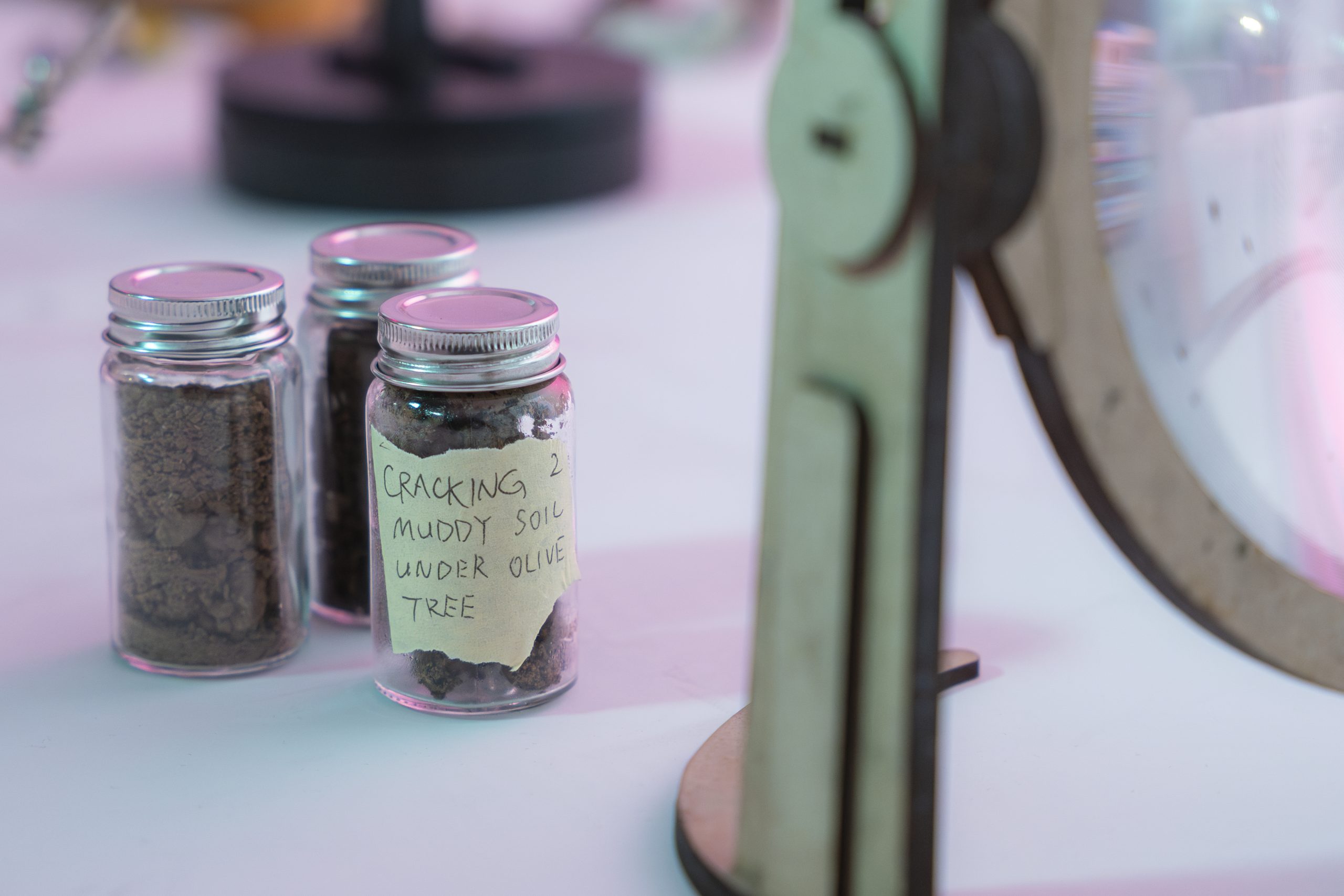
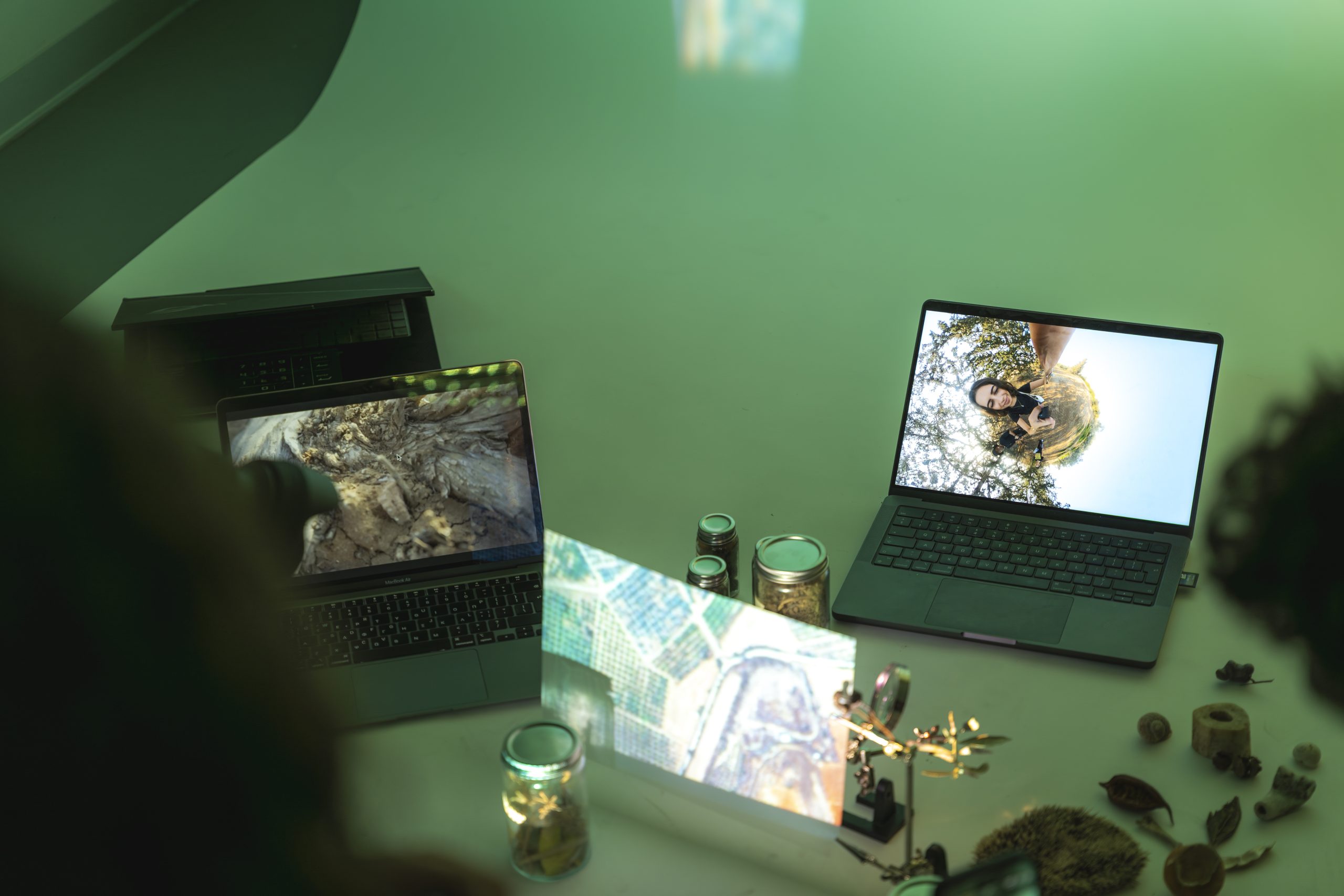
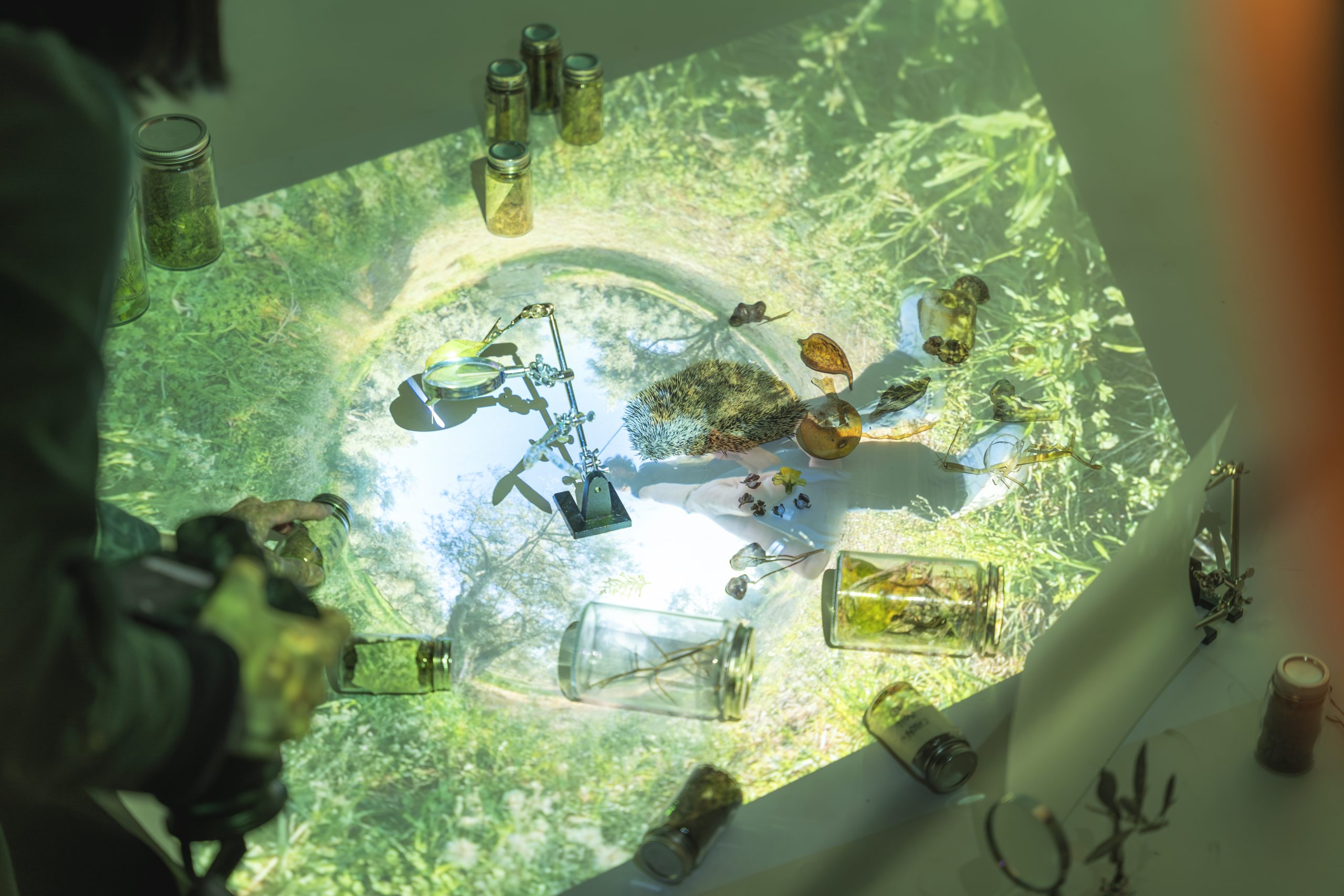
Participants then engaged in collective fieldwork, gathering soil and sediment samples, documenting ecological traces through photography, film, and drawing, and observing how drought conditions manifest in the landscape. The day concluded with a reflective session, where students translated their observations into visual notes and keywords that would guide the next phase of the workshop.
Creative Transformation at Thinker Maker Space
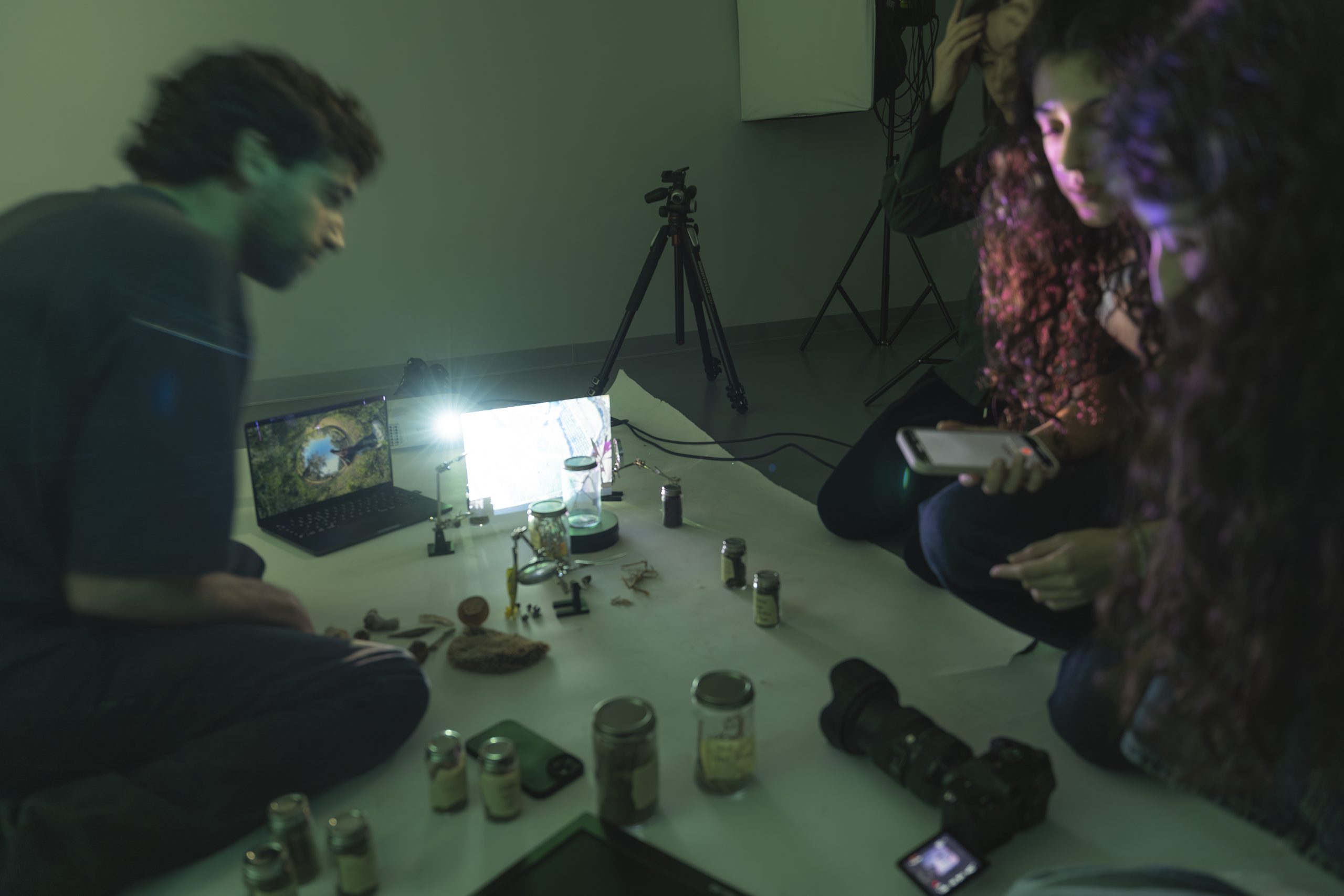
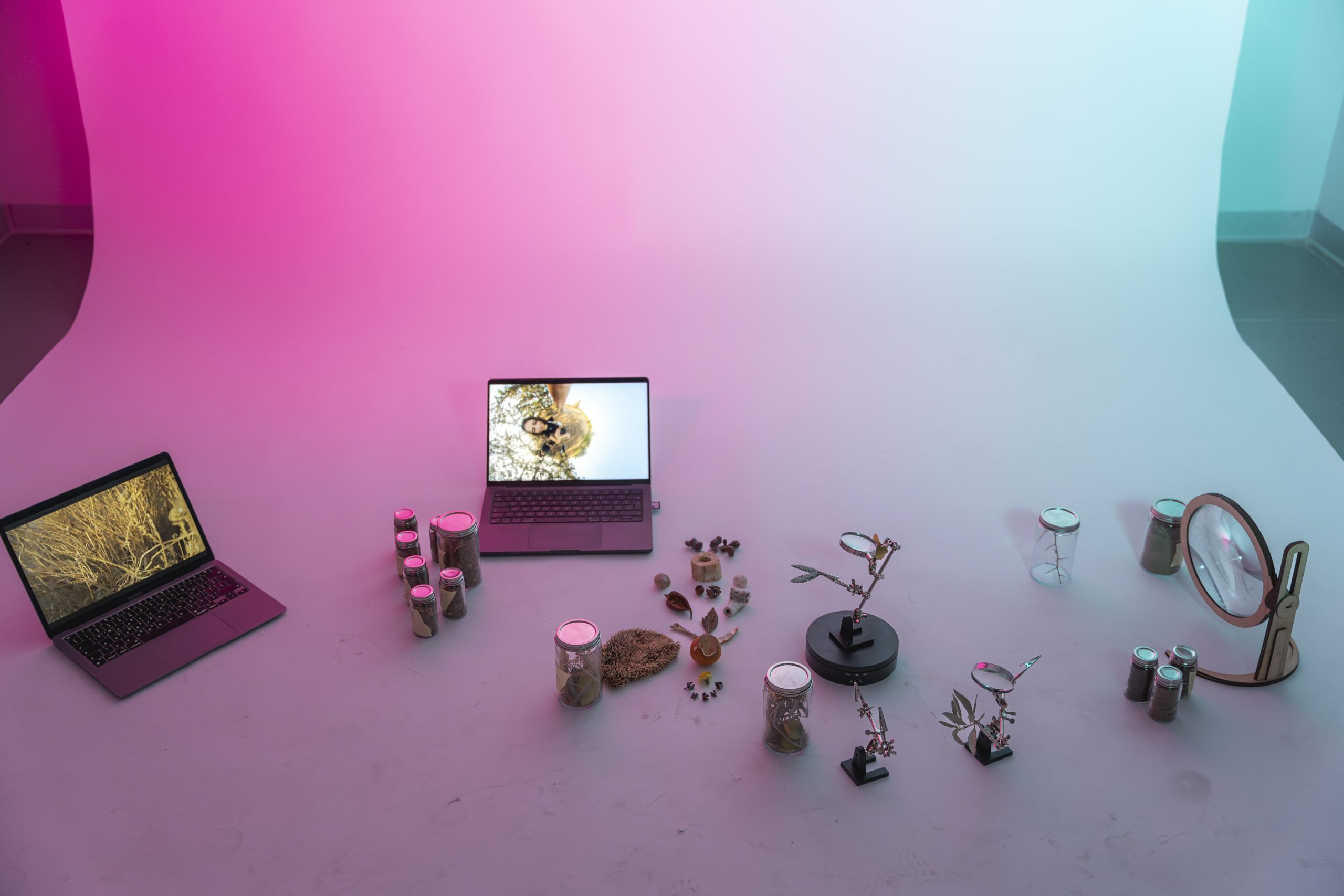
The second day shifted from field observation to creative interpretation. Meeting at CYENS Thinker Maker Space, participants revisited the materials collected in Akaki and explored them through group readings, discussions, and sensory mapping exercises.
Through collaborative drawing, writing, and conceptual development, students transformed raw ecological data into artistic frameworks that highlight patterns of drought, adaptation, and resilience. The session emphasized how artistic and scientific practices can intersect to articulate local experiences of environmental change.
Artist and STUDIOTOPIA resident Miguel Teodoro guided the workshop, encouraging participants to approach environmental issues through multisensory exploration and interdisciplinary thinking. His practice, which often bridges ecological research and creative expression, shaped the workshop’s focus on embodied learning and collaborative interpretation.
Pop‑Up Lab workshop was part of the broader WIP LAB 2025 Invisible Waters: Creative Talks & Open Play, which invites artists and researchers to share work‑in‑progress ideas through experimentation, dialogue, and public engagement.