Studiotopia International Pop-up Lab 2025 brought interdisciplinary creativity to Cluj-Napoca
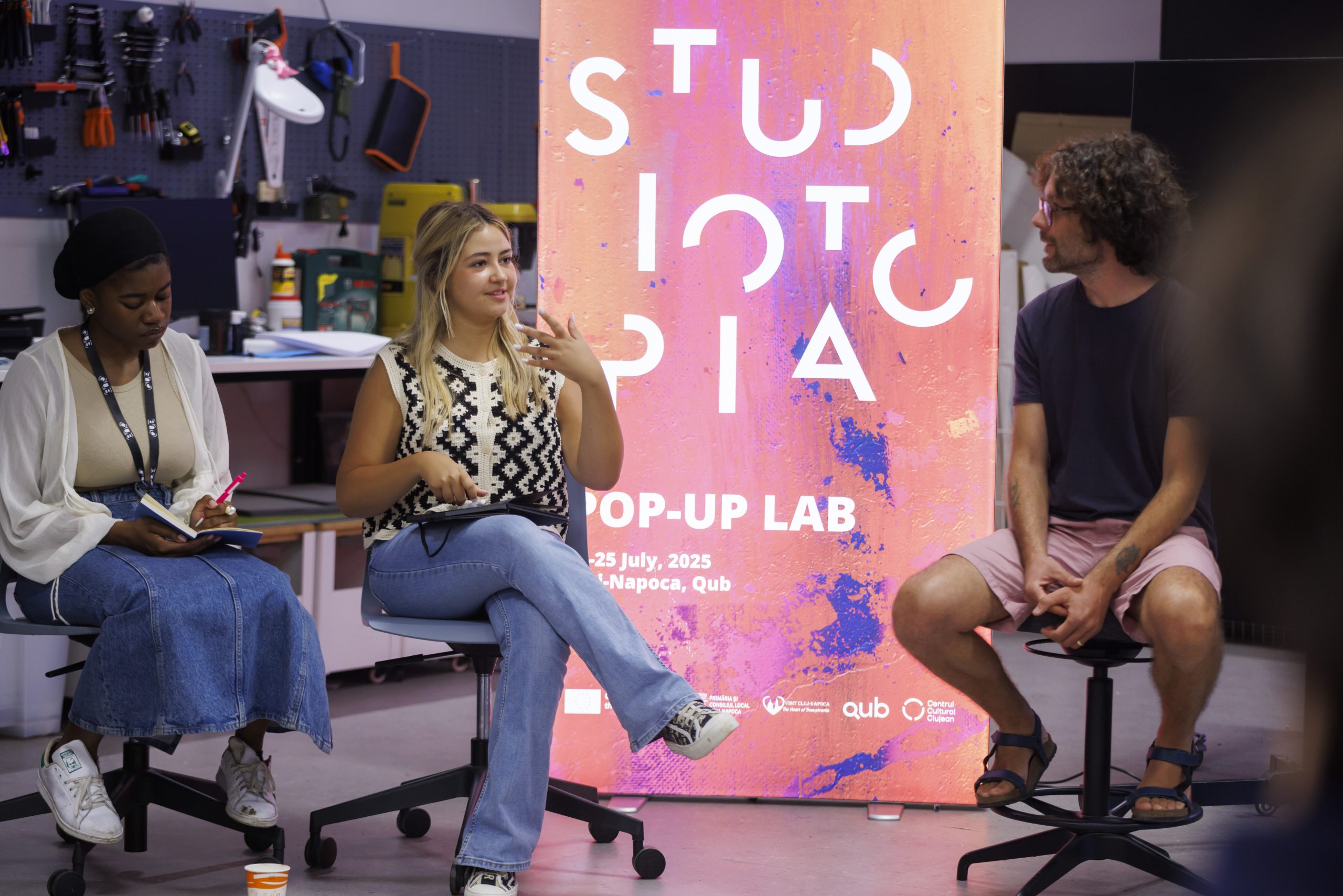
Between 21–25 July 2025, Cluj-Napoca became a hub for interdisciplinary exchange and experimentation, hosting the Studiotopia International Pop-up Lab, an intensive summer school that brought together art, science and education to explore sustainable urban futures.
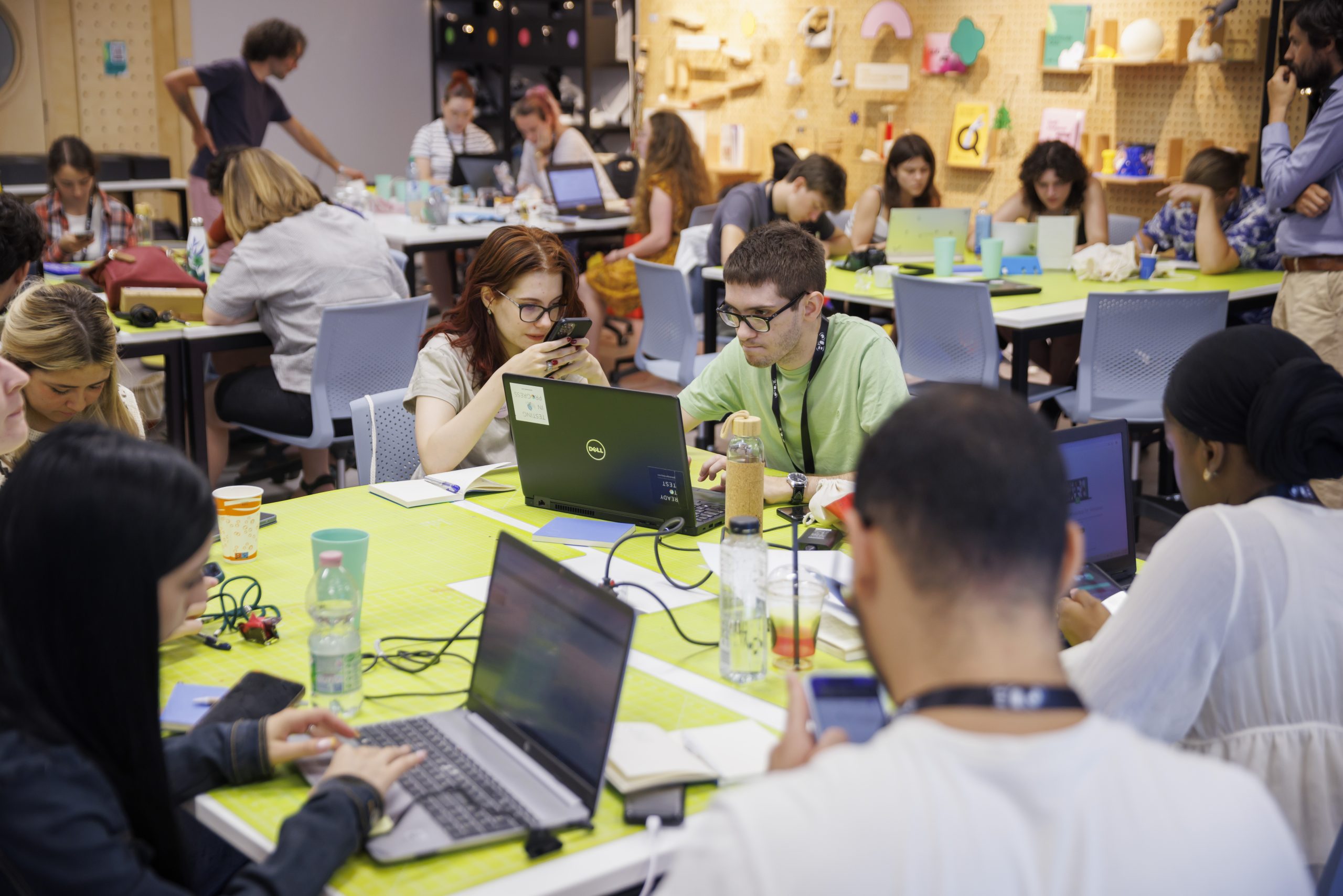
The program gathered 20 young participants from Romania and across Europe, who spent five days working collaboratively on creative and practical responses to pressing urban challenges. Designed as a dynamic learning environment, the lab combined Design Thinking methodologies, artistic exploration and field-based research, encouraging participants to rethink how cities function and whom they serve.
A week of exploration, collaboration, and creative inquiry
The Studiotopia International Pop-up Lab opened with a meet & greet session that quickly set the tone for a highly interactive week. One of the first exercises, Pop-Up Places, invited participants to translate personal memories into handcrafted pop-up cards, mapping emotional connections to their home cities through storytelling and visual expression.
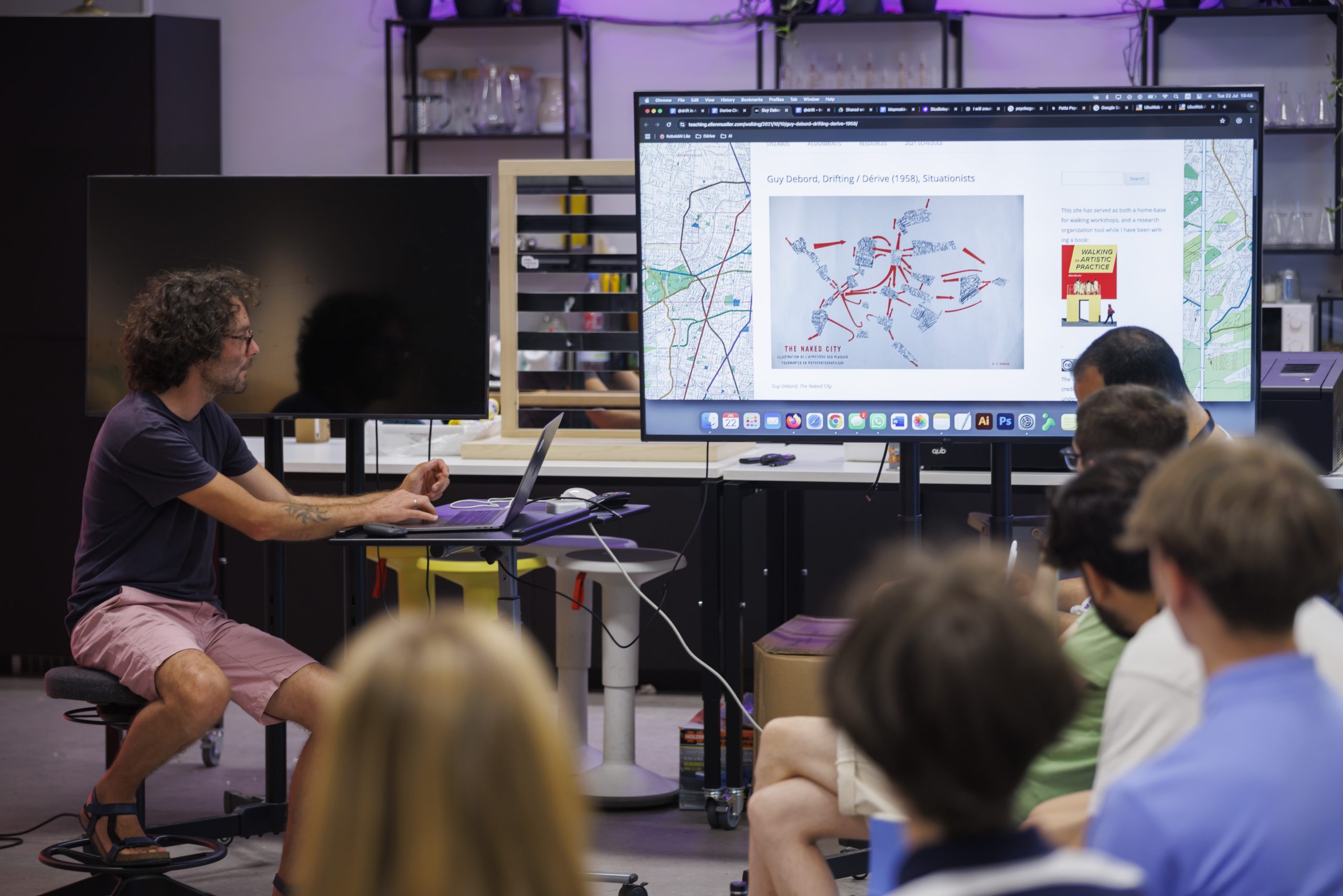
This was followed by a dérive experience, an unstructured urban exploration method that encouraged participants to navigate Cluj intuitively, without digital tools. By engaging directly with the city’s rhythms, textures and social dynamics, participants gathered insights that later informed their project work.
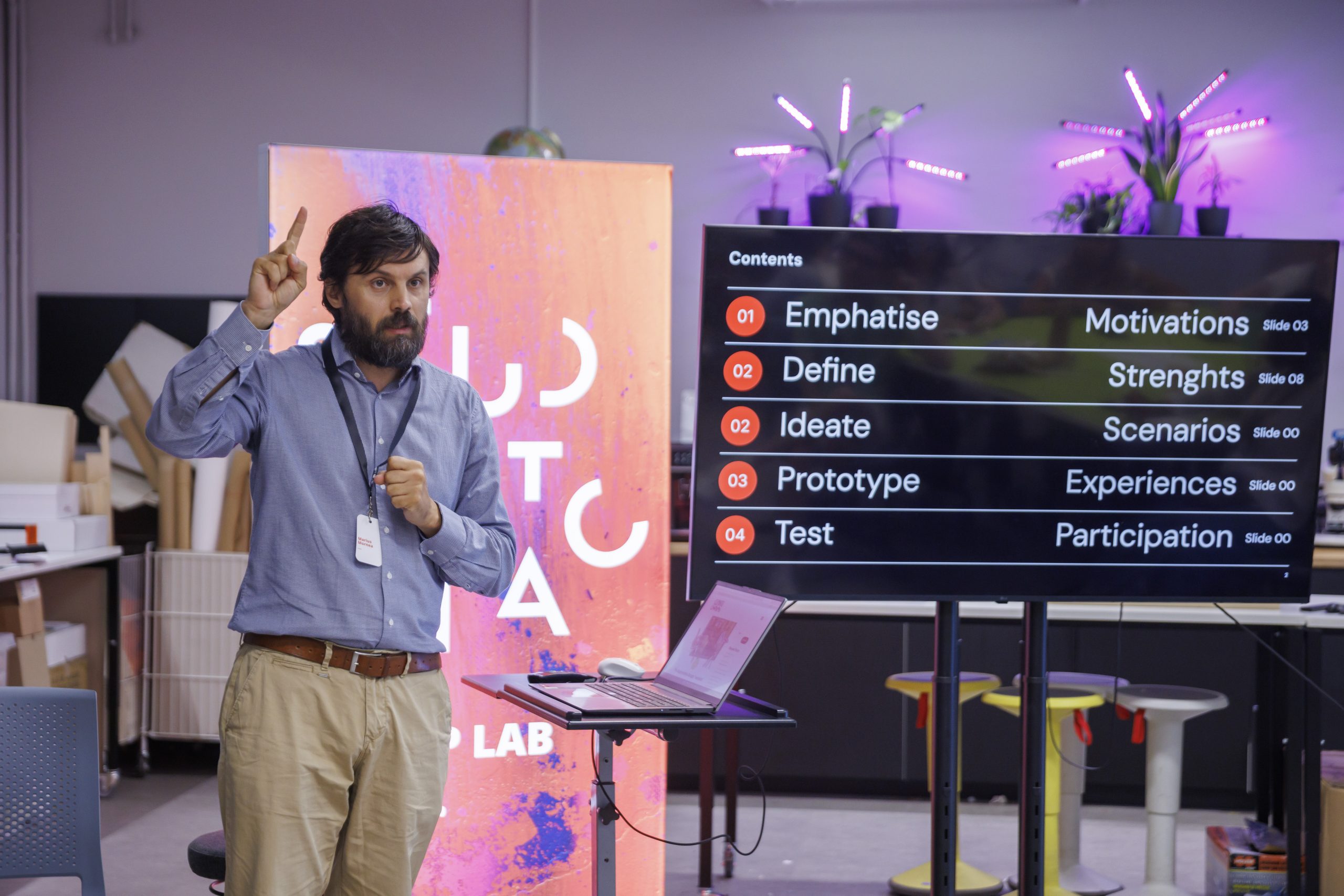
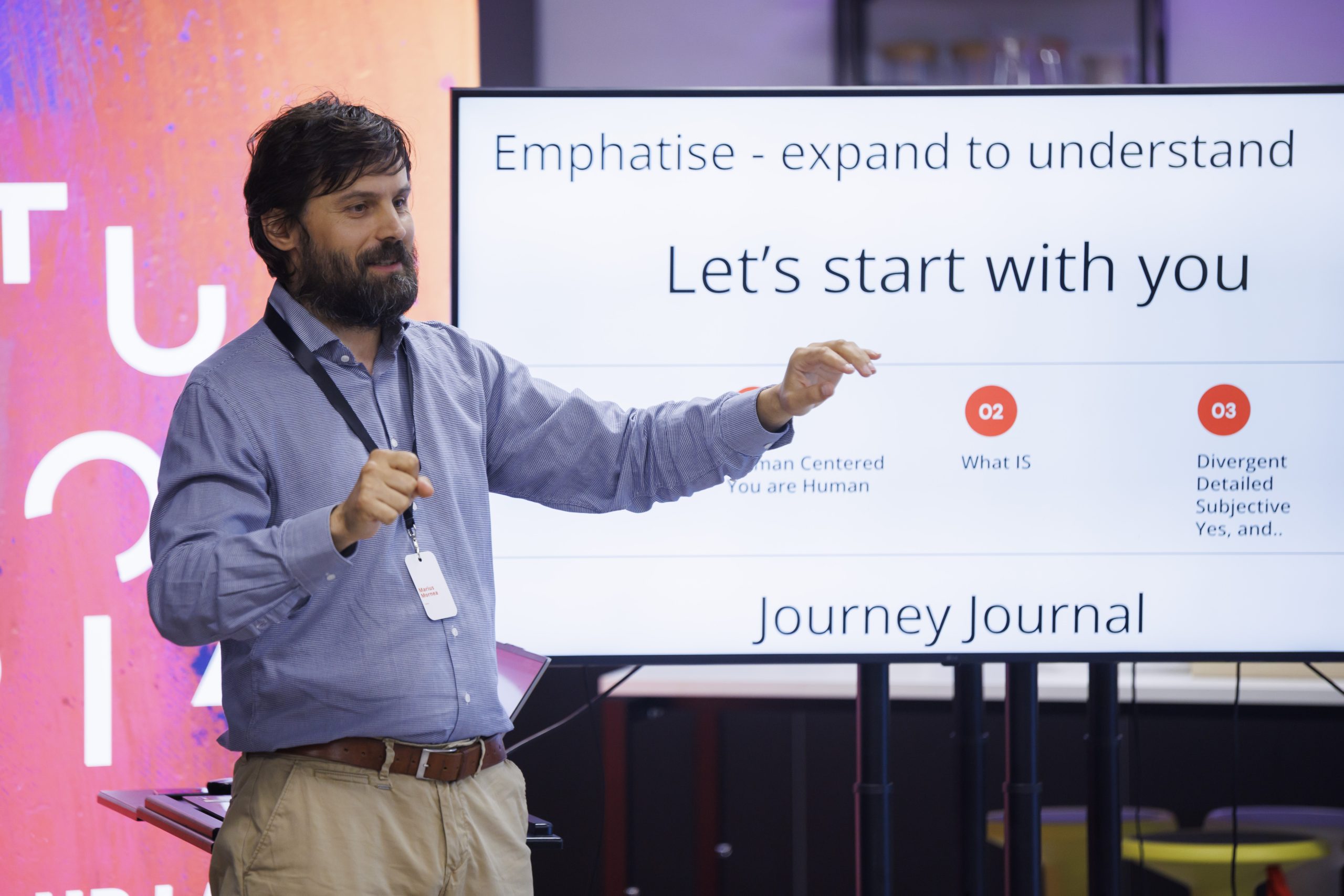
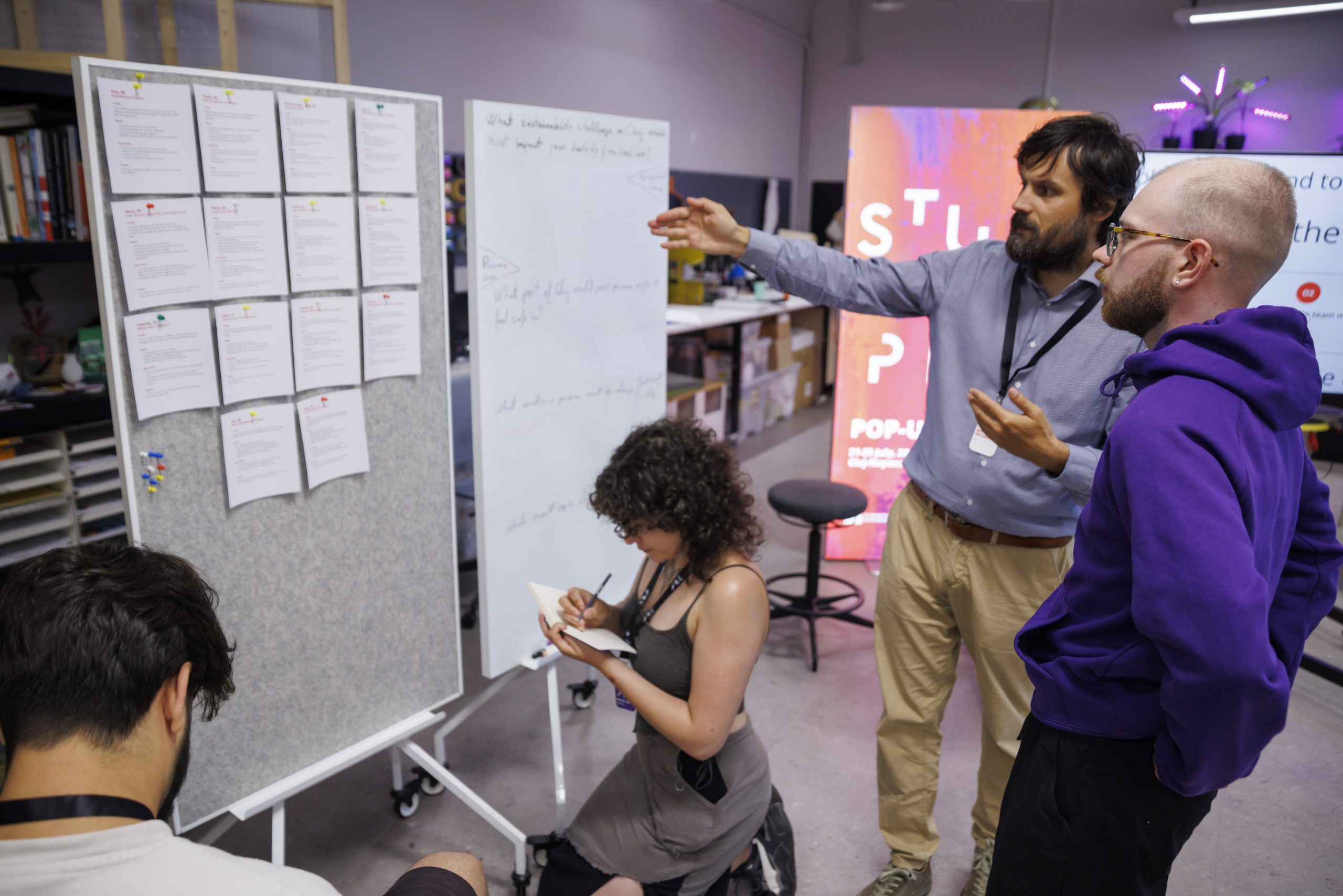
On the second day, these experiences were transformed into emotional maps, capturing not only routes, but also sensations, encounters and perceptions. Guided by facilitator Marius Mornea, participants were introduced to the Design Thinking framework, moving from empathy and problem definition to ideation, prototyping and iterative testing.
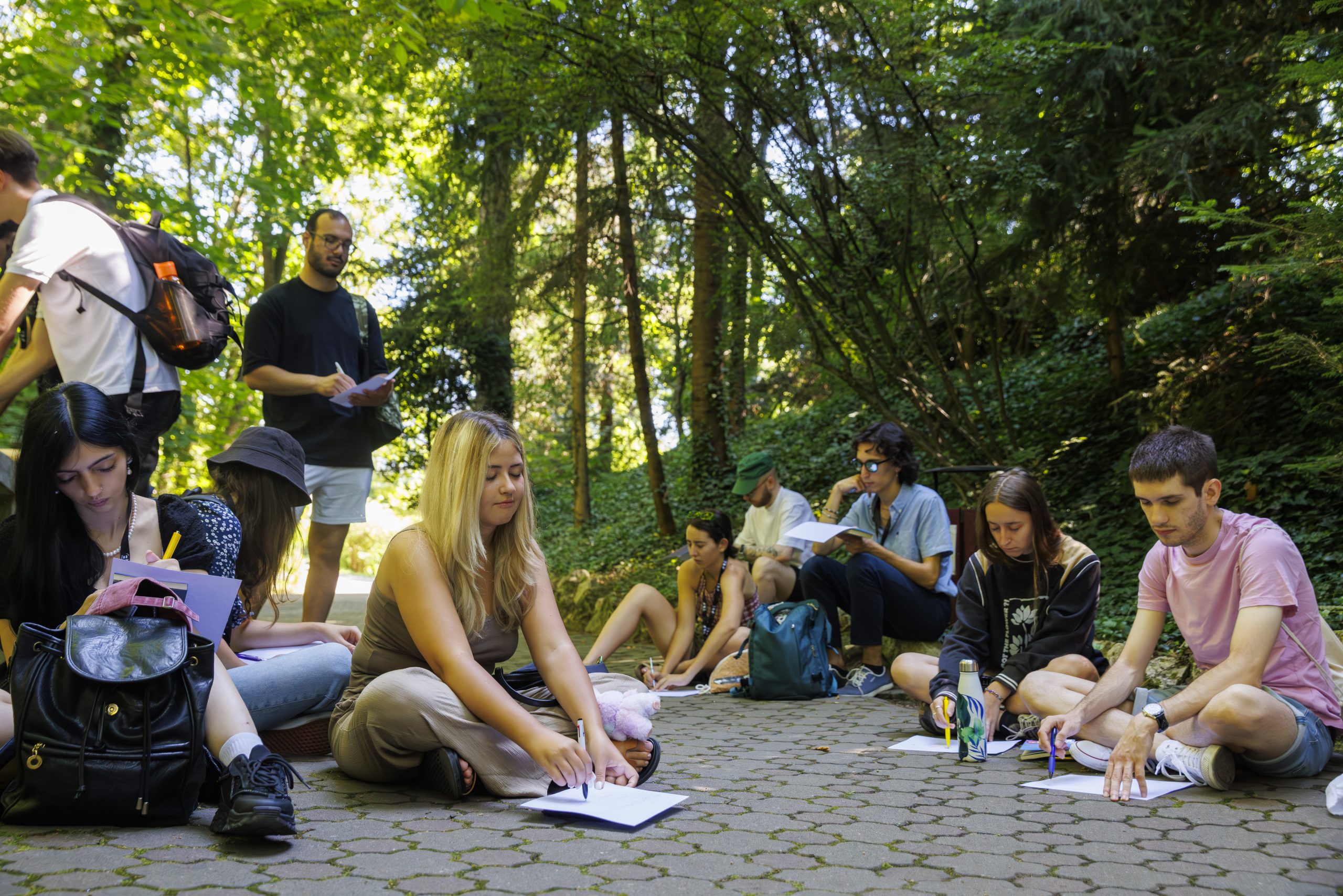
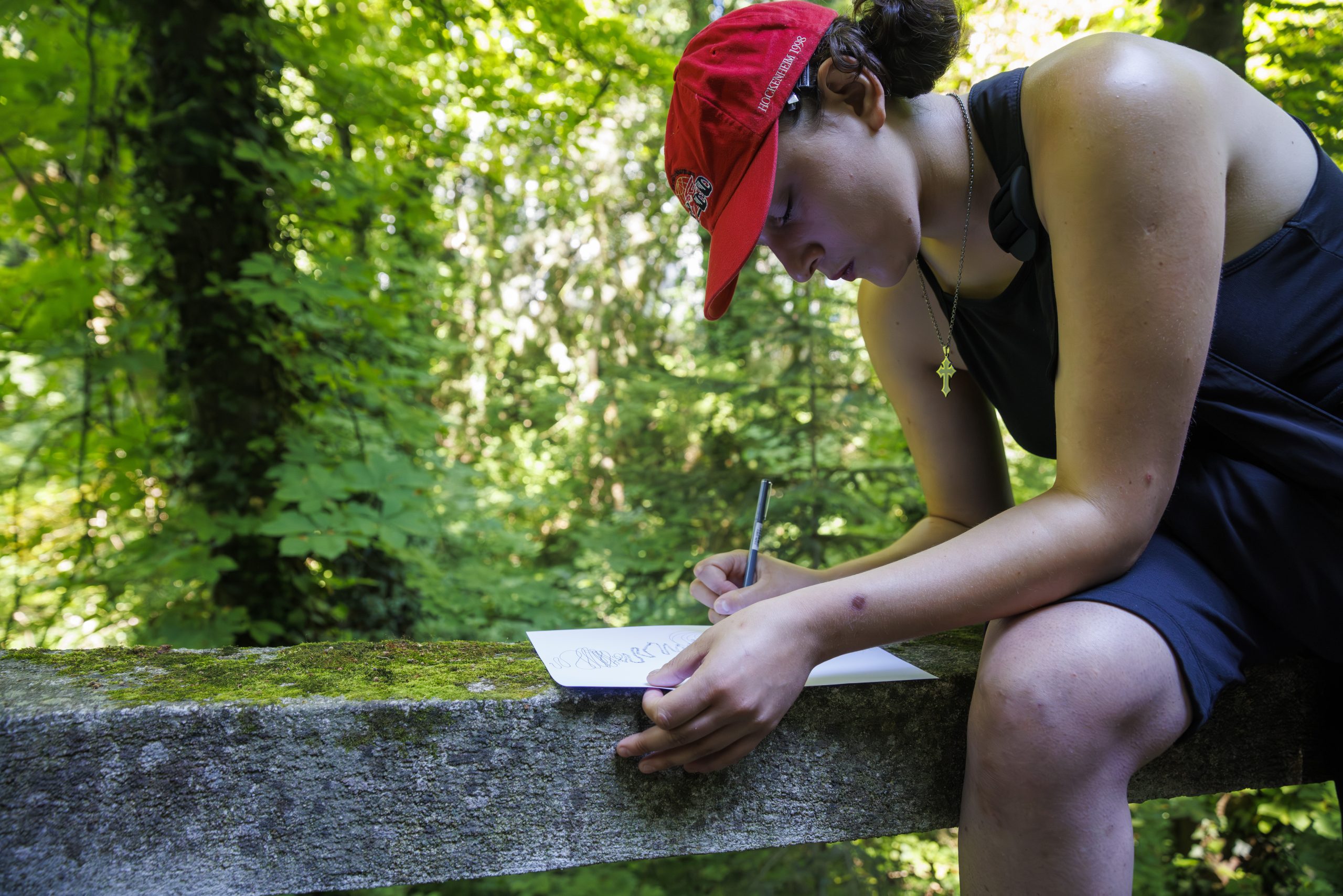
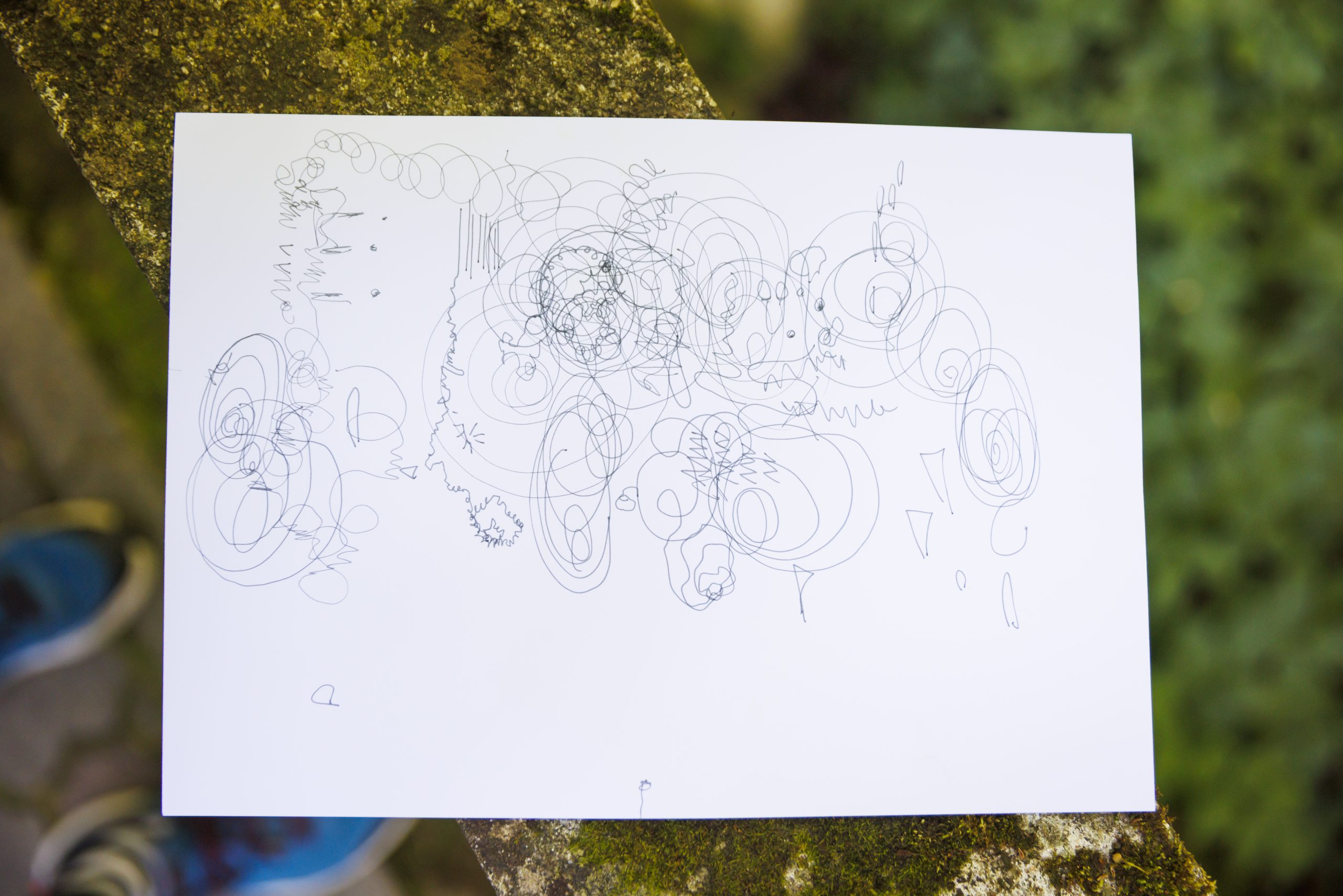
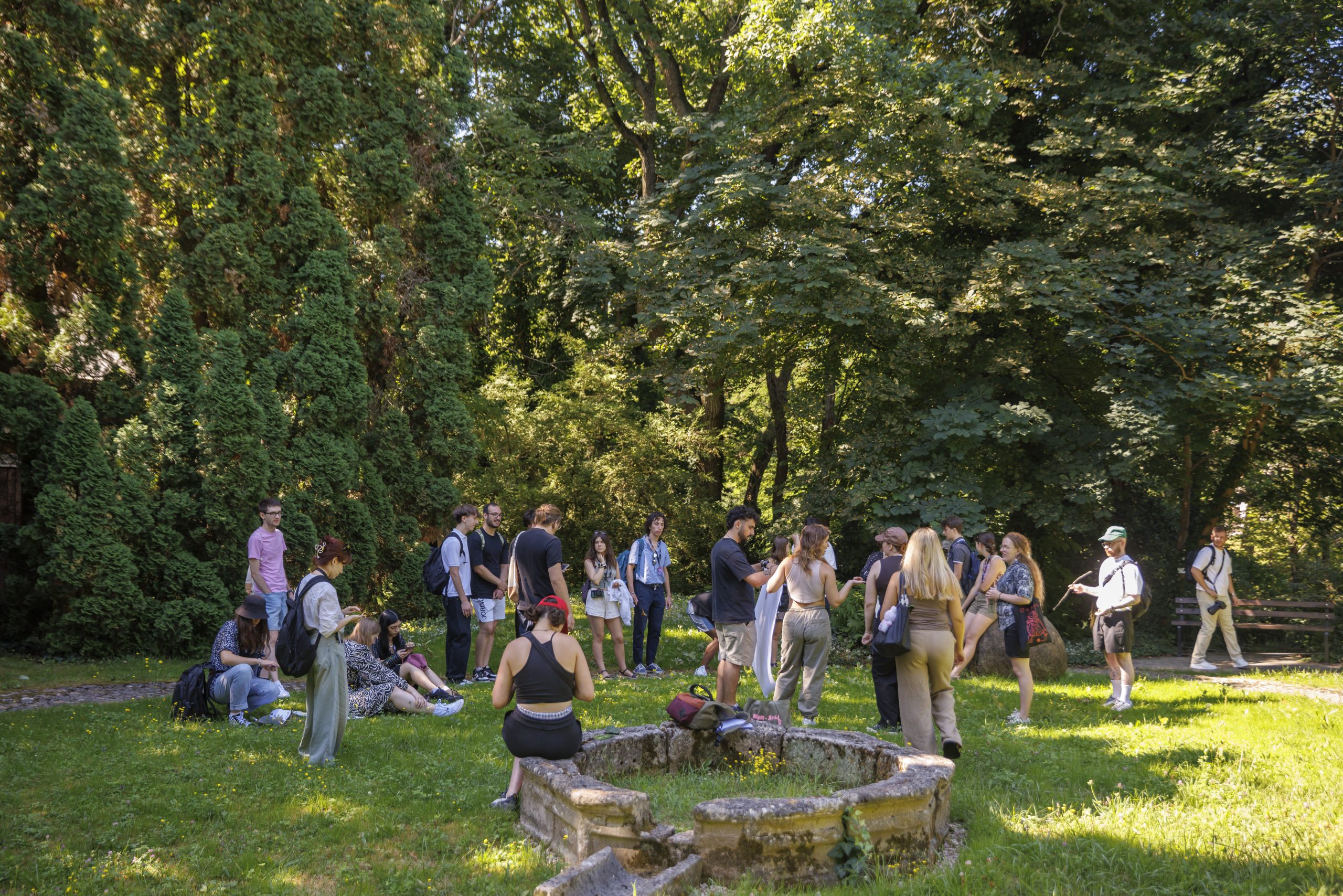
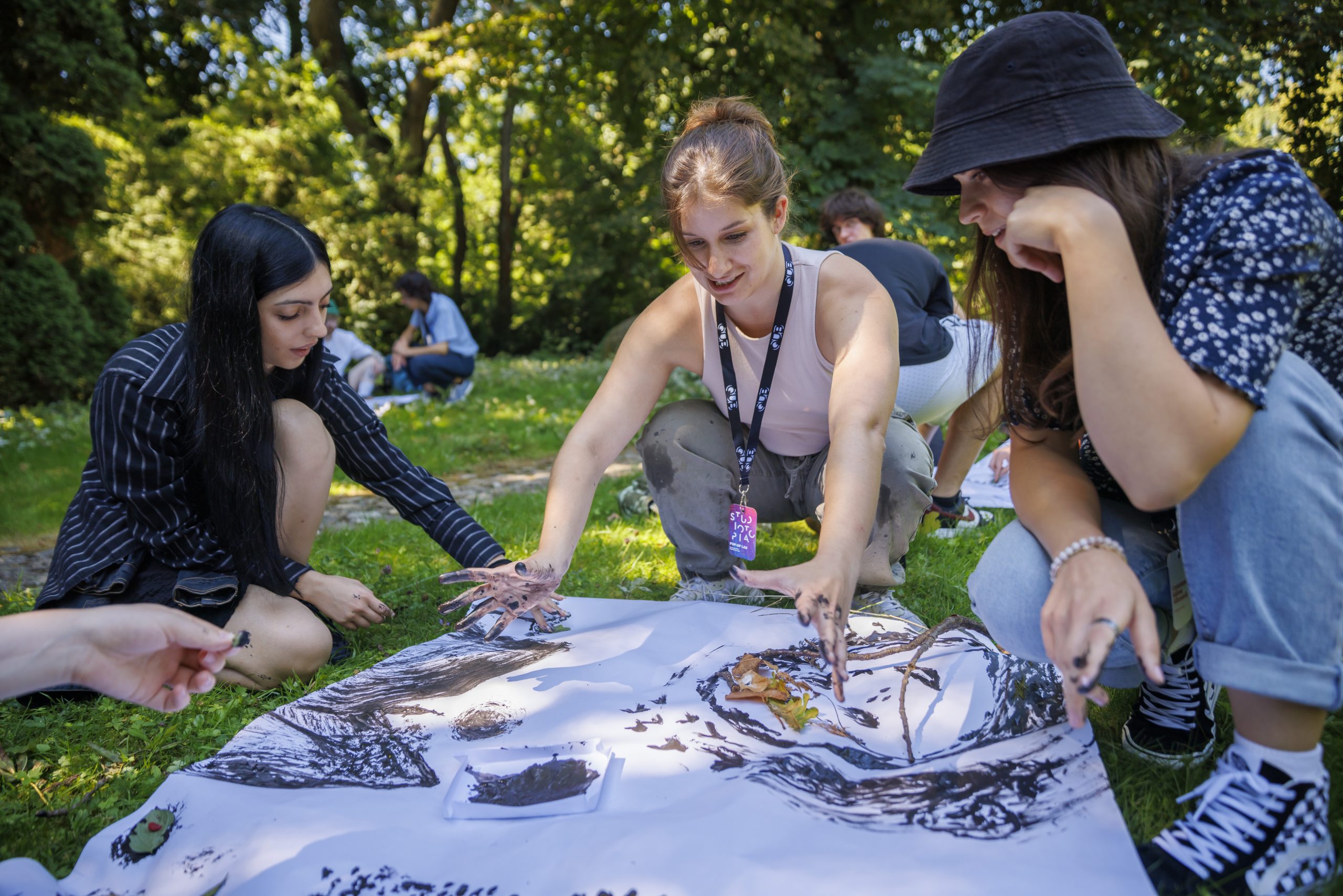
The program also featured artistic and sensory-based learning, including a workshop led by Portuguese artist Ânia Pais. Held in the Cluj Botanical Garden, the session encouraged participants to engage with nature beyond observation, drawing with their eyes closed, experimenting with natural materials, and collectively building visual narratives. The exercise emphasized intuition, collaboration and the role of art in understanding ecological systems.
Throughout the week, participants engaged in creative labs, discussions, and co-creation sessions, building a shared language across disciplines and cultural backgrounds.
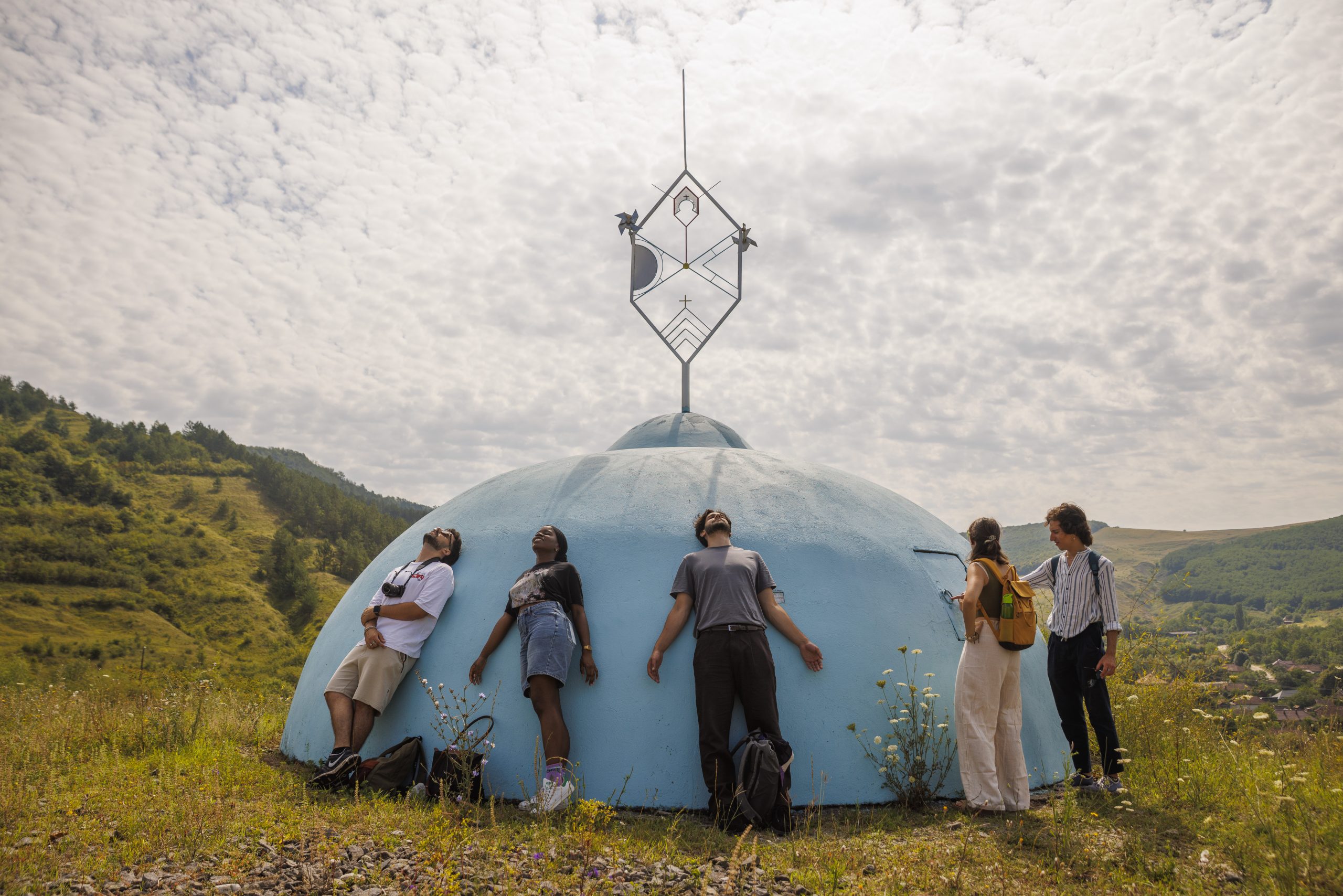
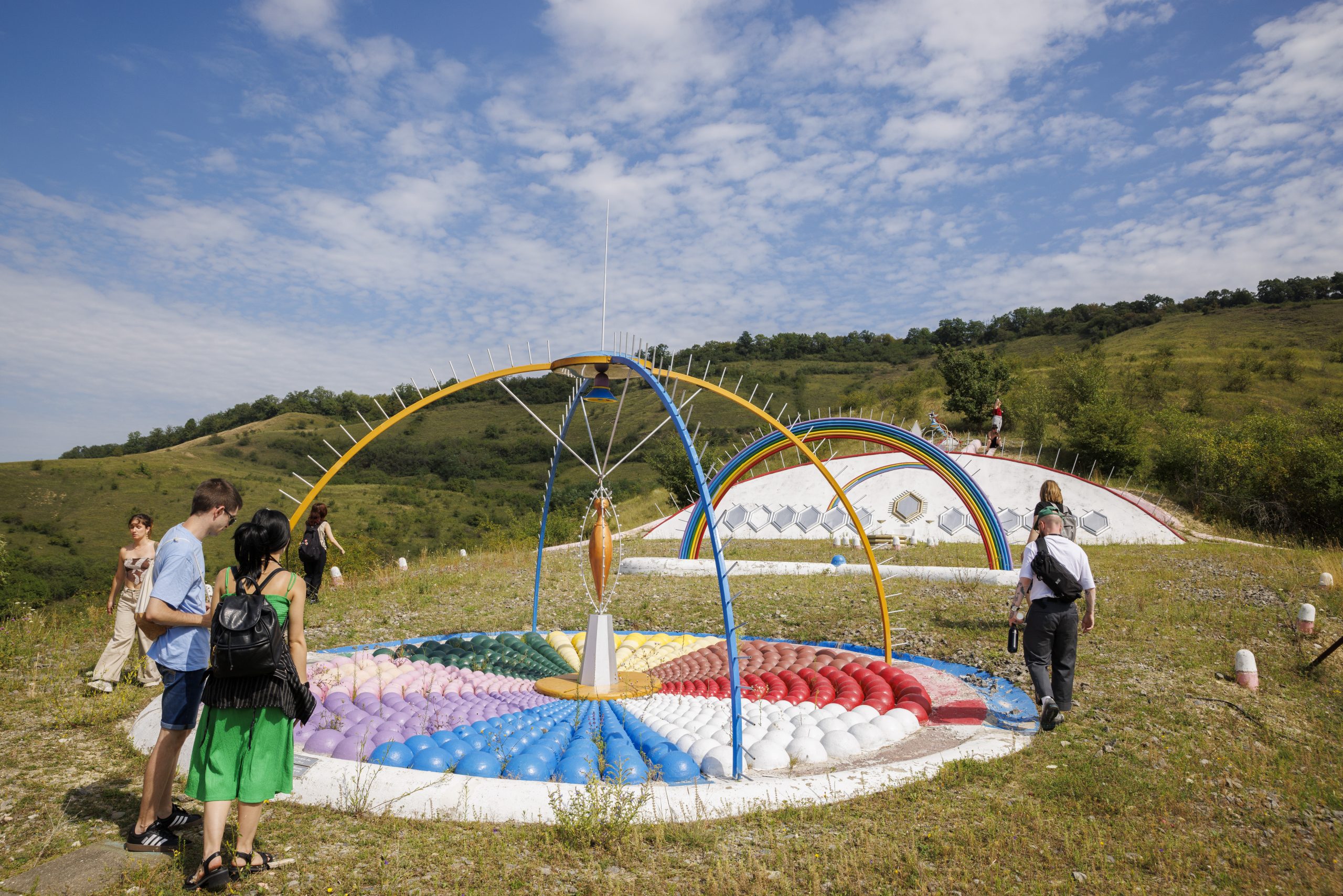
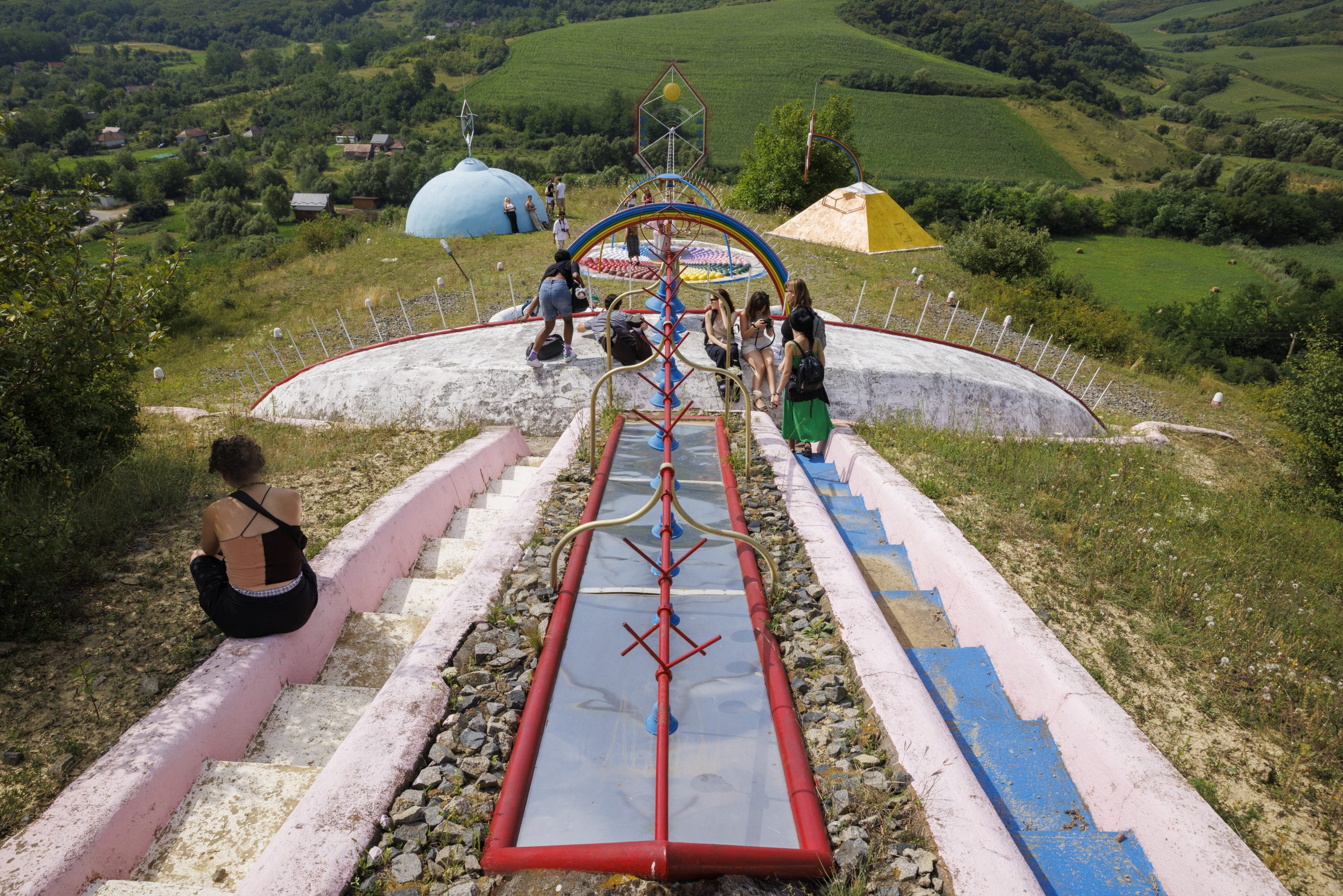
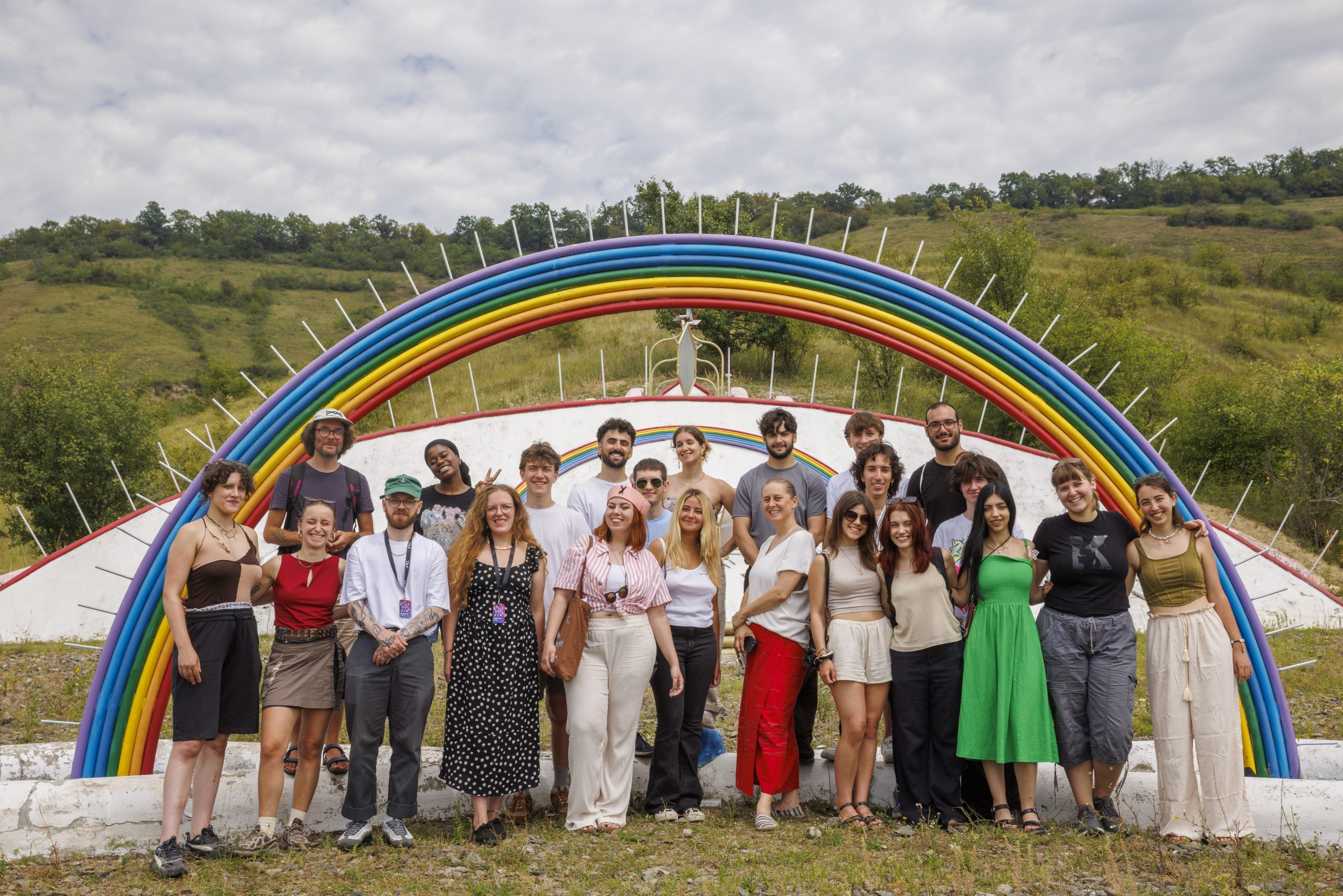
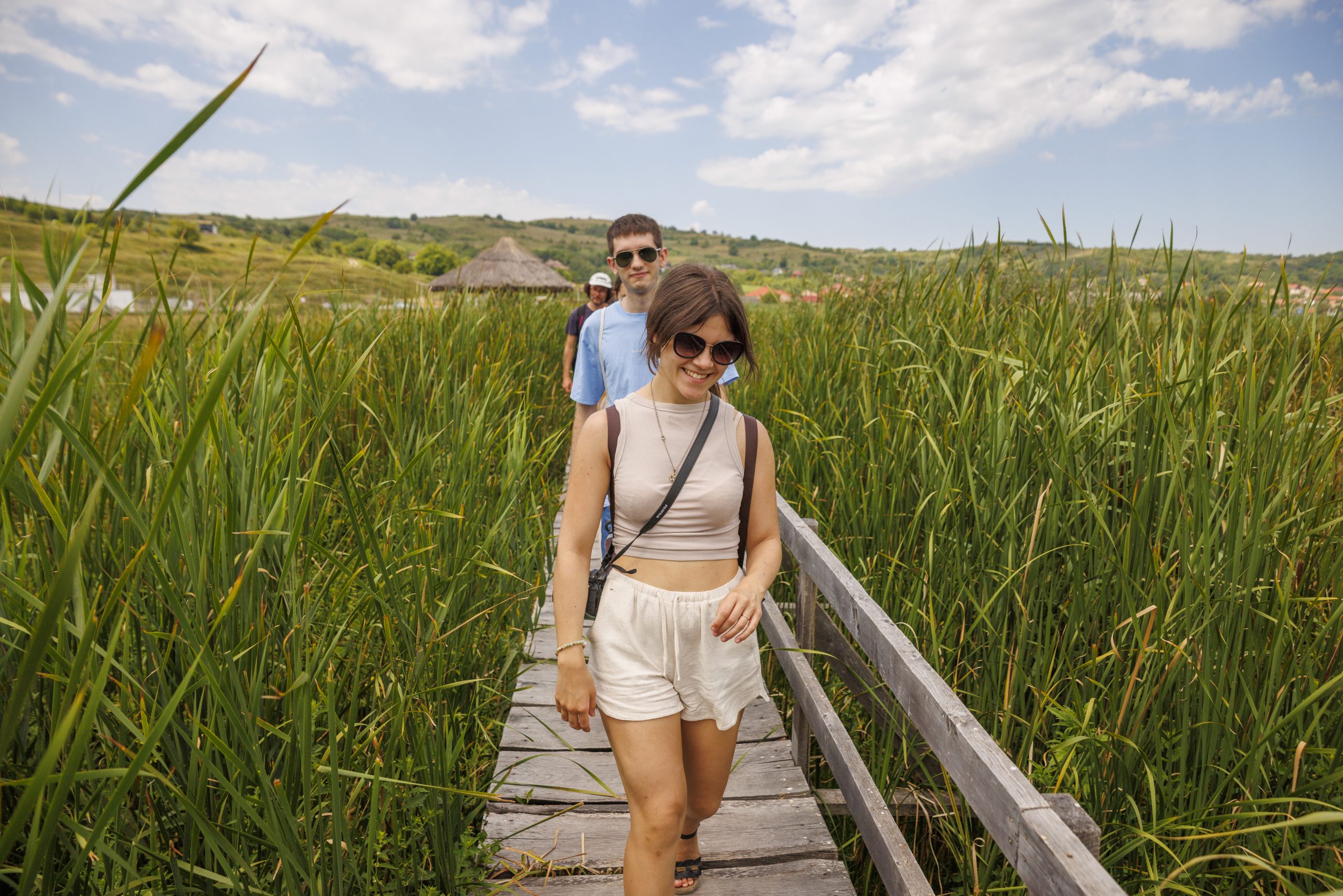
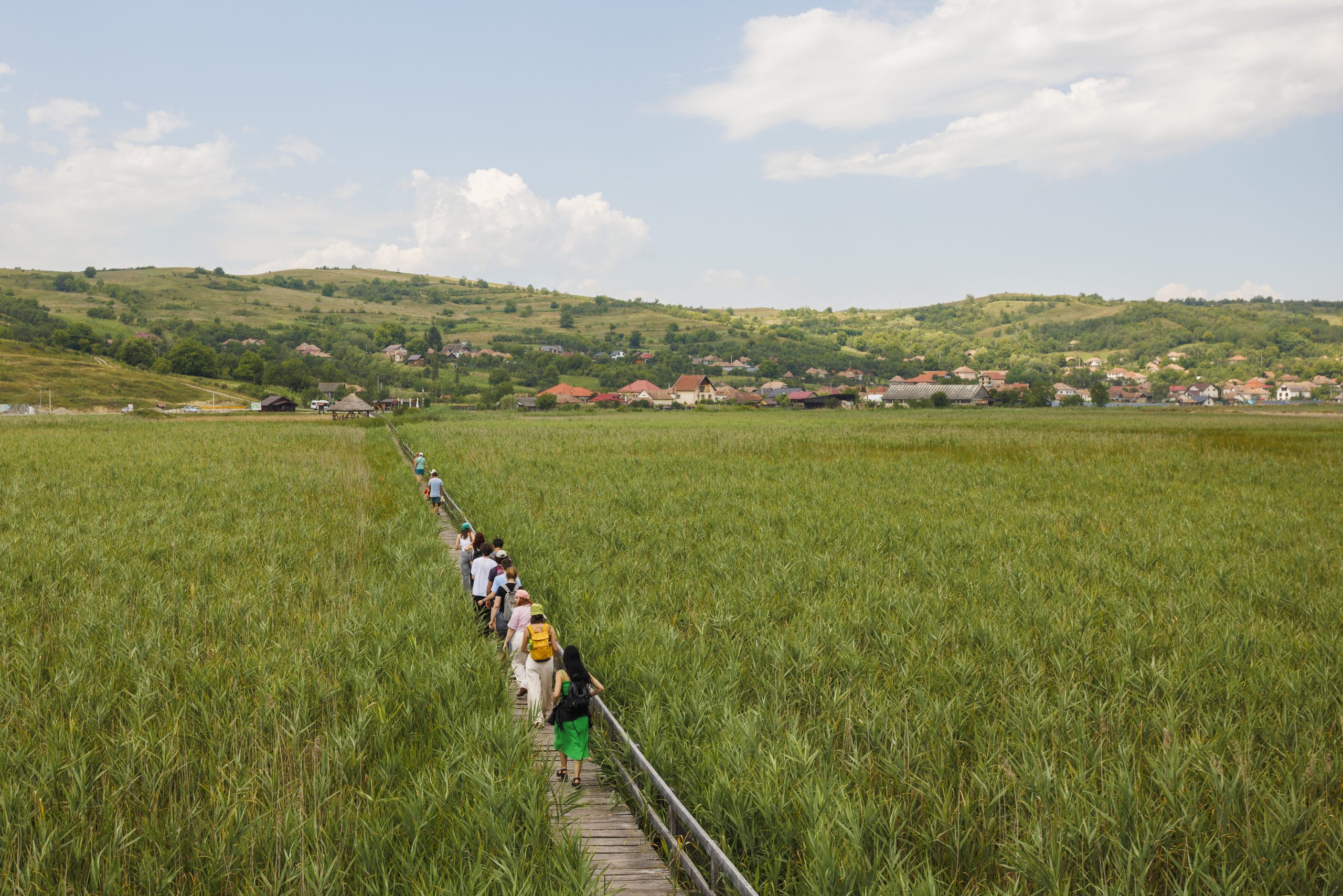
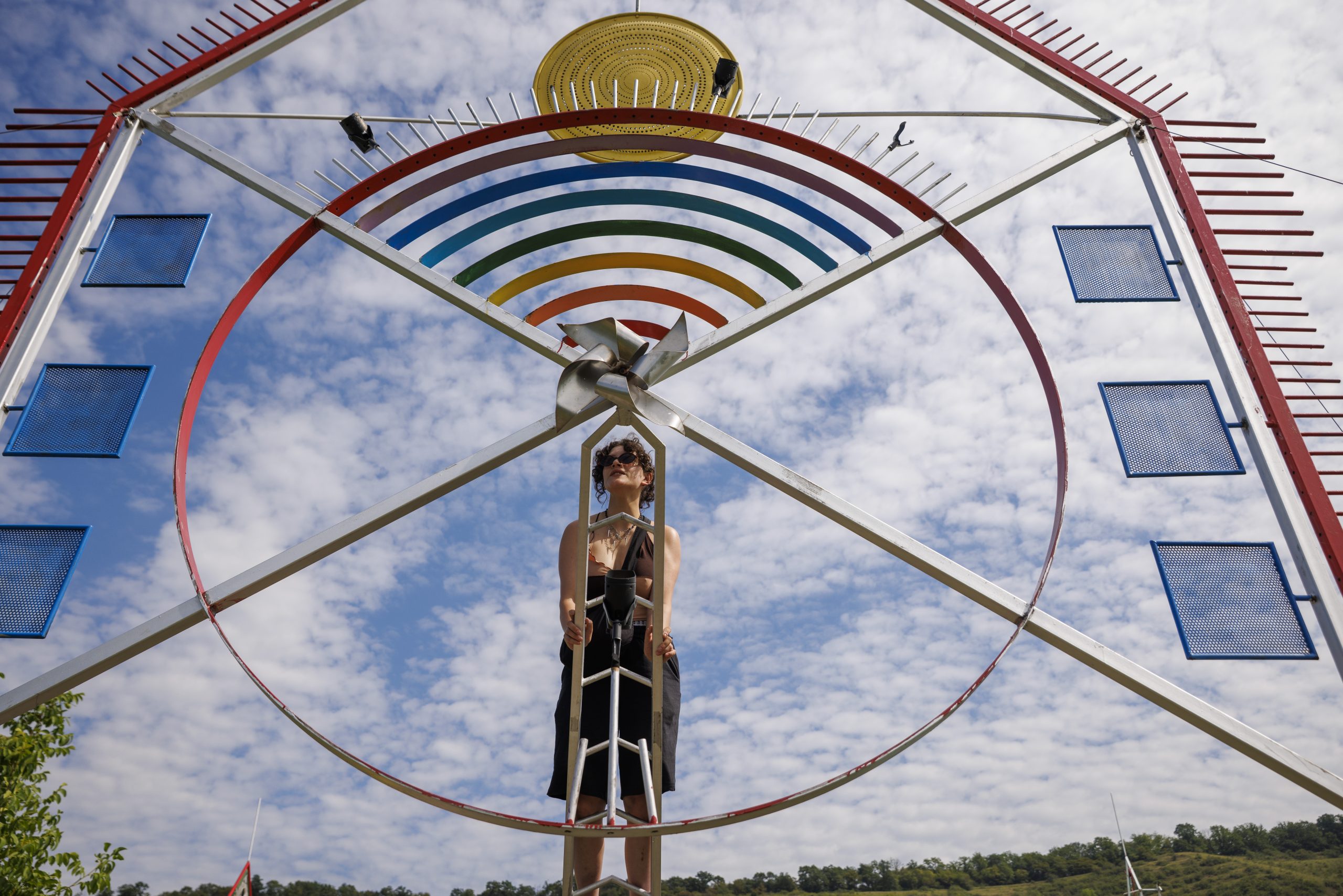
The final day extended learning beyond the city, with visits to the Tăușeni Monumental Ensemble by Alexandru Chira and the Sic reed beds, where artistic vision and environmental awareness connected.
Five teams, five visions for the city
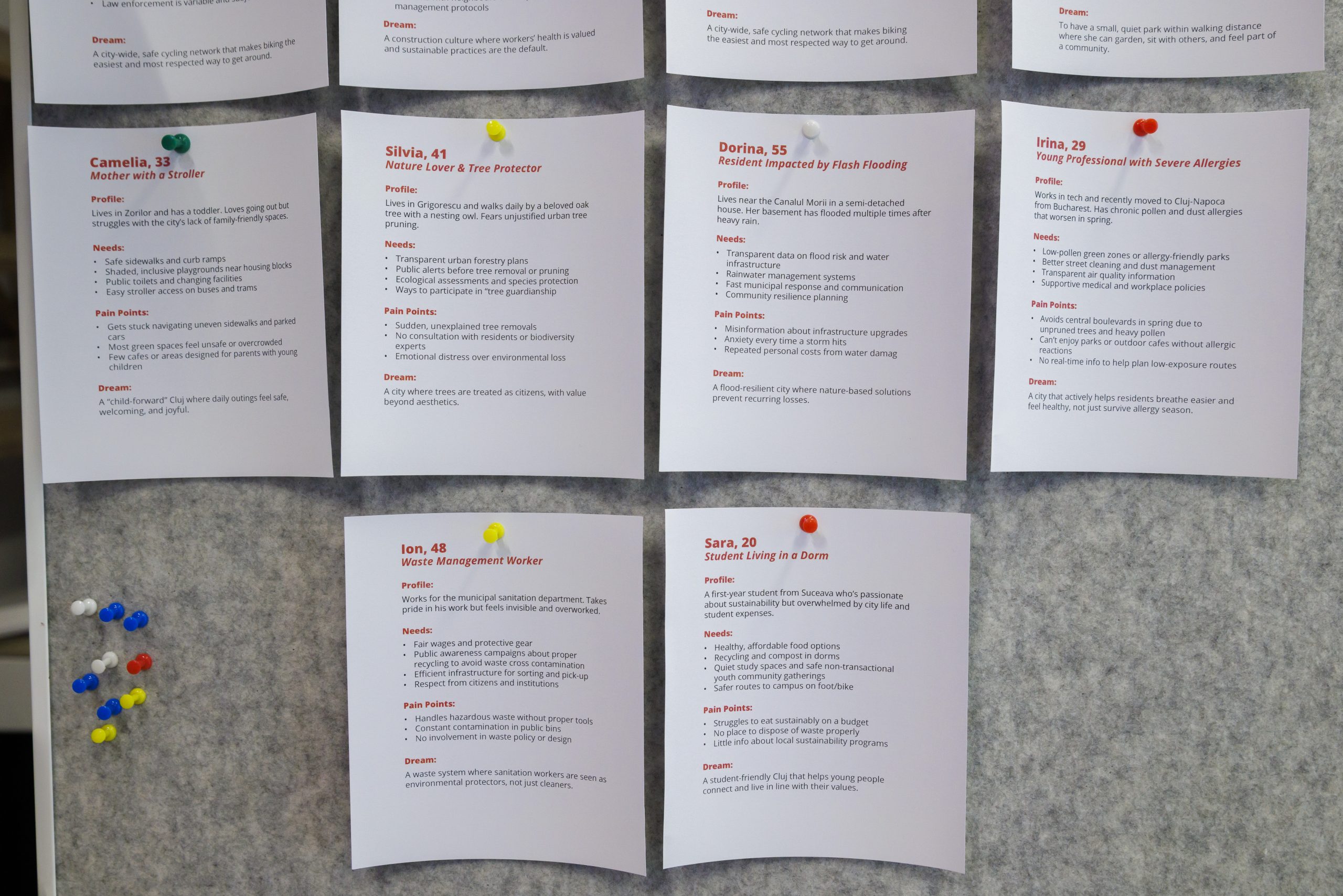
The Studiotopia International Pop-up Lab concluded with a public presentation of projects developed by participants working in teams. Each proposal addressed urban challenges identified during the week, combining creativity, research and practical thinking.
Among the concepts presented:
Race Against Waste proposed a mobile app connecting students in Cluj through weekly ecological and social challenges, from cleaning green spaces and planting trees to cooking communal meals and exploring the city together. Real actions are rewarded with festival tickets, course credits, discounts and leadership roles, creating a growing incentive system that ties individual effort to collective impact. Built on local university networks, the project leverages Cluj’s student community to drive environmental action at scale.
Team: Carla Precup (RO), Andrei Lupea (RO), Maria Prunean (RO), Nina Serra (FR), Alessandro Mazzani (IT)
Cluj Cultural Pavilions started from a pointed question: who truly has the right to the city? The team’s answer was a series of modular structures made from recycled tarpaulins, transforming underused public spaces into shaded hubs for culture, activism, and collective exchange. More than shade structures, the pavilions are proposed as tools for reclaiming the urban commons — a demand, the team argued, for moving from individualistic to participatory access to public space.
Team: Rudi-lee McCarthy (IRE), Adina Gîlceavă (RO), Vlad Beu (RO), Joel Chebri (FR)
Arbor Echo invited the city to see trees not as decorative objects but as active, living infrastructure. The project imagines tree-like structures in Cluj’s public squares that draw people in with shaded seating and VR headsets transporting visitors into lush forest soundscapes. The goal is both immediate, offering moments of calm amid urban noise, and long-term, shifting the cultural perception of trees as essential civic partners in building resilient, liveable cities.
Team: Ariadna Gulic (RO), Michelle Medici (IT), Sarah Helen Mbambu Maswaku (BE), Stavros Kazakos (CY)
The Plantform reimagines overlooked urban corners — vacant lots, neglected squares, rooftops — as modular, living spaces that support gardening, gathering and community life simultaneously. Compact, adaptable and sustainable by design, the Plantform system can quickly transform parks and plazas into vibrant hubs with planters, seating, mini stages and shaded areas. Its impact extends across biodiversity, community ties and cultural programming, while democratising access to public performance spaces.
Team: Alexandra Măican (RO), Andrei Lela (RO), Jonathan Aparicio Ruiz (SP), Sarmad Salloum (BG)
University Territories as Public Urban Parks was the Lab’s closing vision: what if the campuses of Cluj’s universities were opened to the entire city? The team proposed transforming underused university land into green, ecological spaces for learning, connection and collective care: urban forests, eco-education gardens, beekeeping zones and creative community hubs. With universities positioned as publicly funded institutions already holding expertise in ecology and sustainability, the project makes the case for knowledge that doesn’t stop at the university gate.
Team: Robert Konoplia (UA), Ana Jerina (SVN), Simion Iepure-Górski (RO), Dominika Szymańska (PL)
The Studiotopia International Pop-up Lab wrapped up on 25 July, but the ideas developed during the week remain relevant. The projects reflect concrete ways of rethinking urban spaces in Cluj, with potential to be tested, adapted or taken further in other contexts.