Pop-Up Lab: Studiotopia Jam
Pop-up Lab: Studiotopia Jam
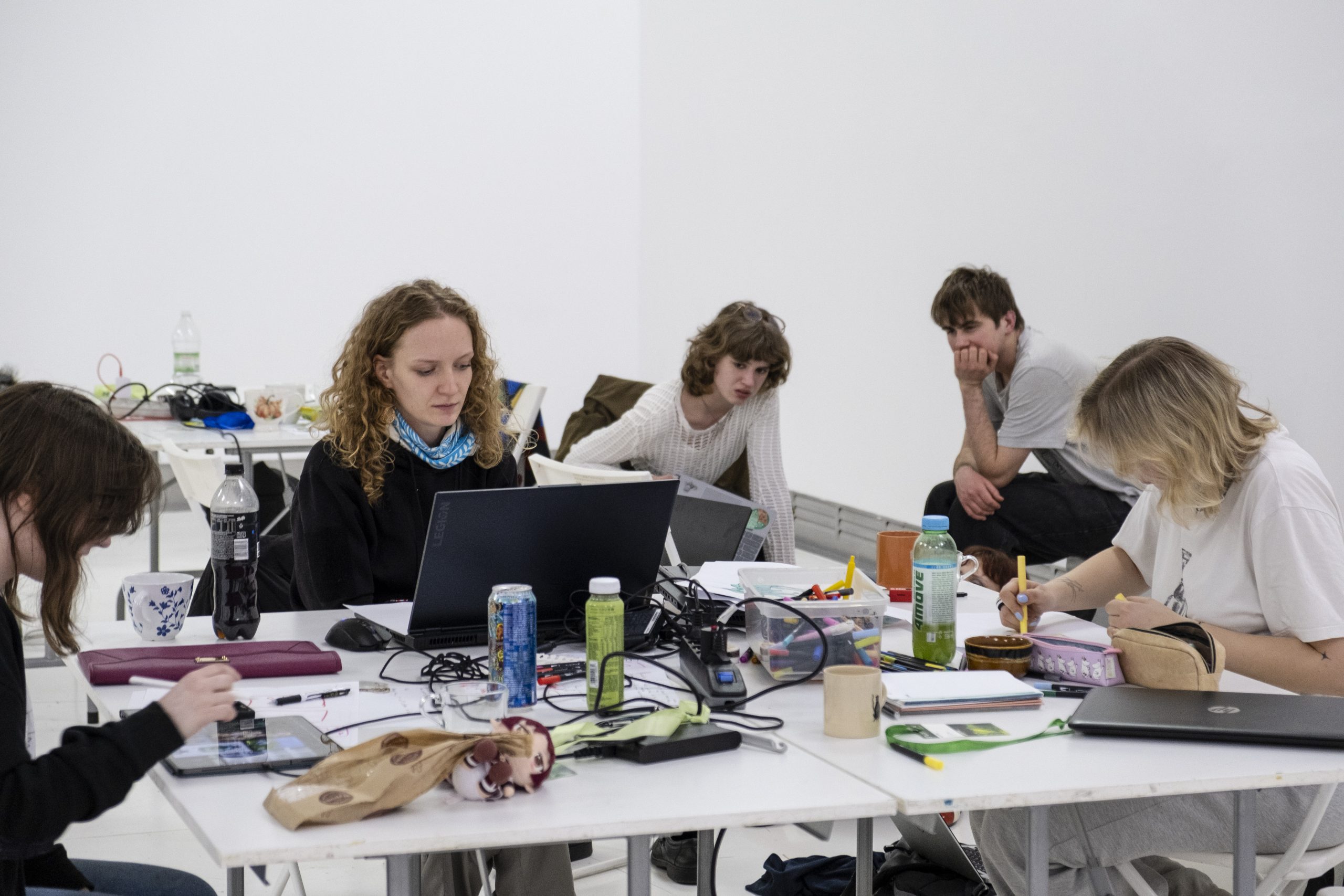
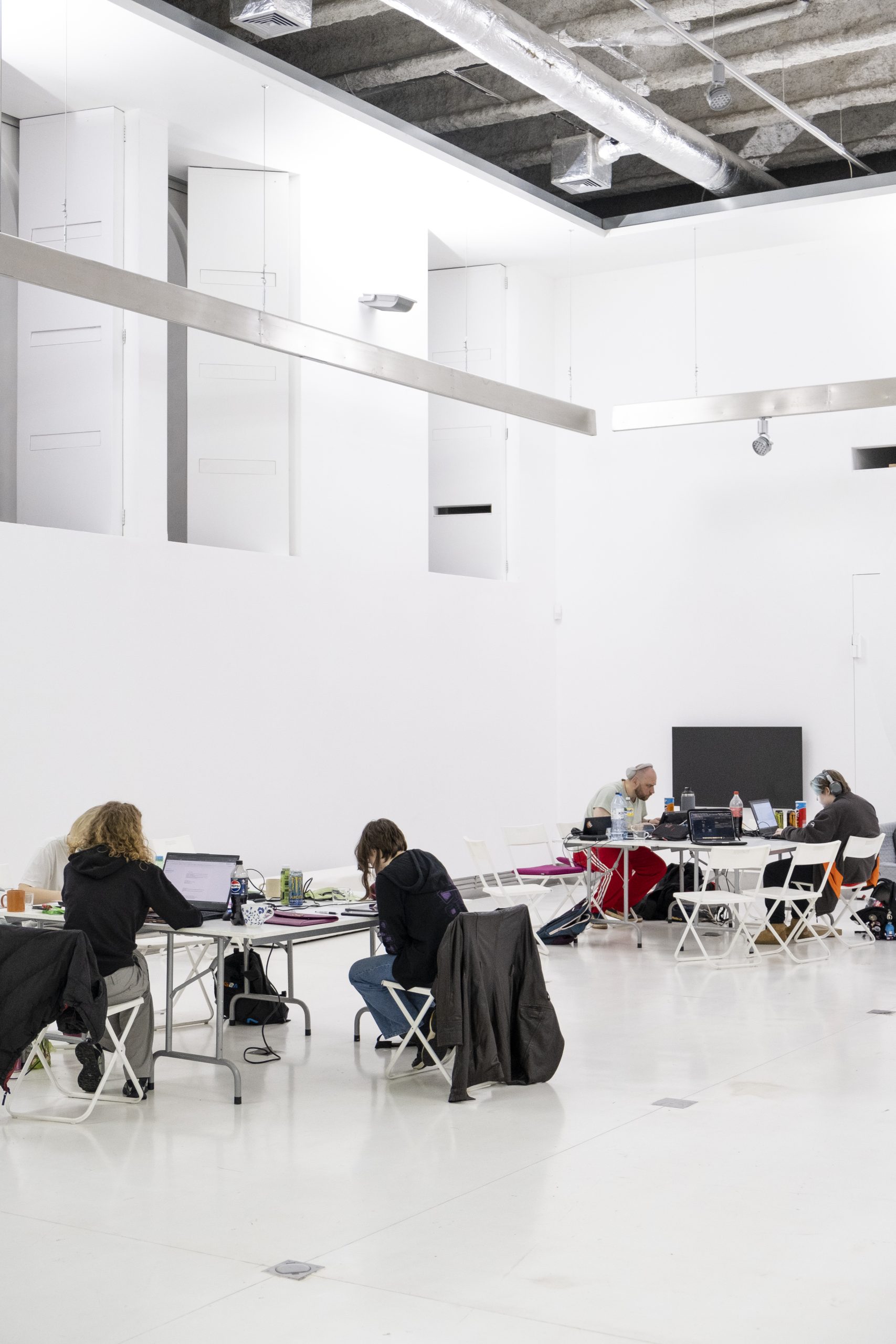
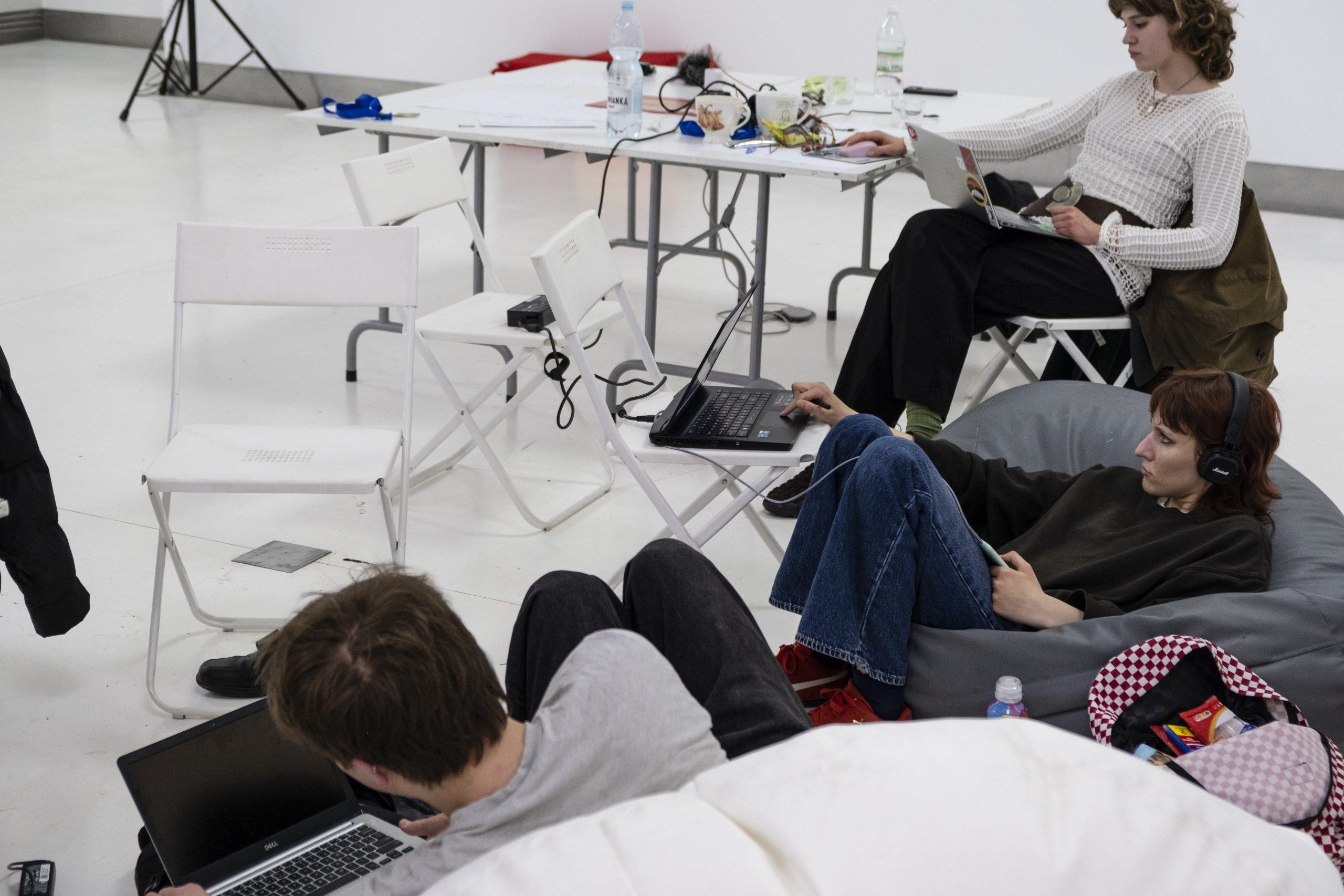
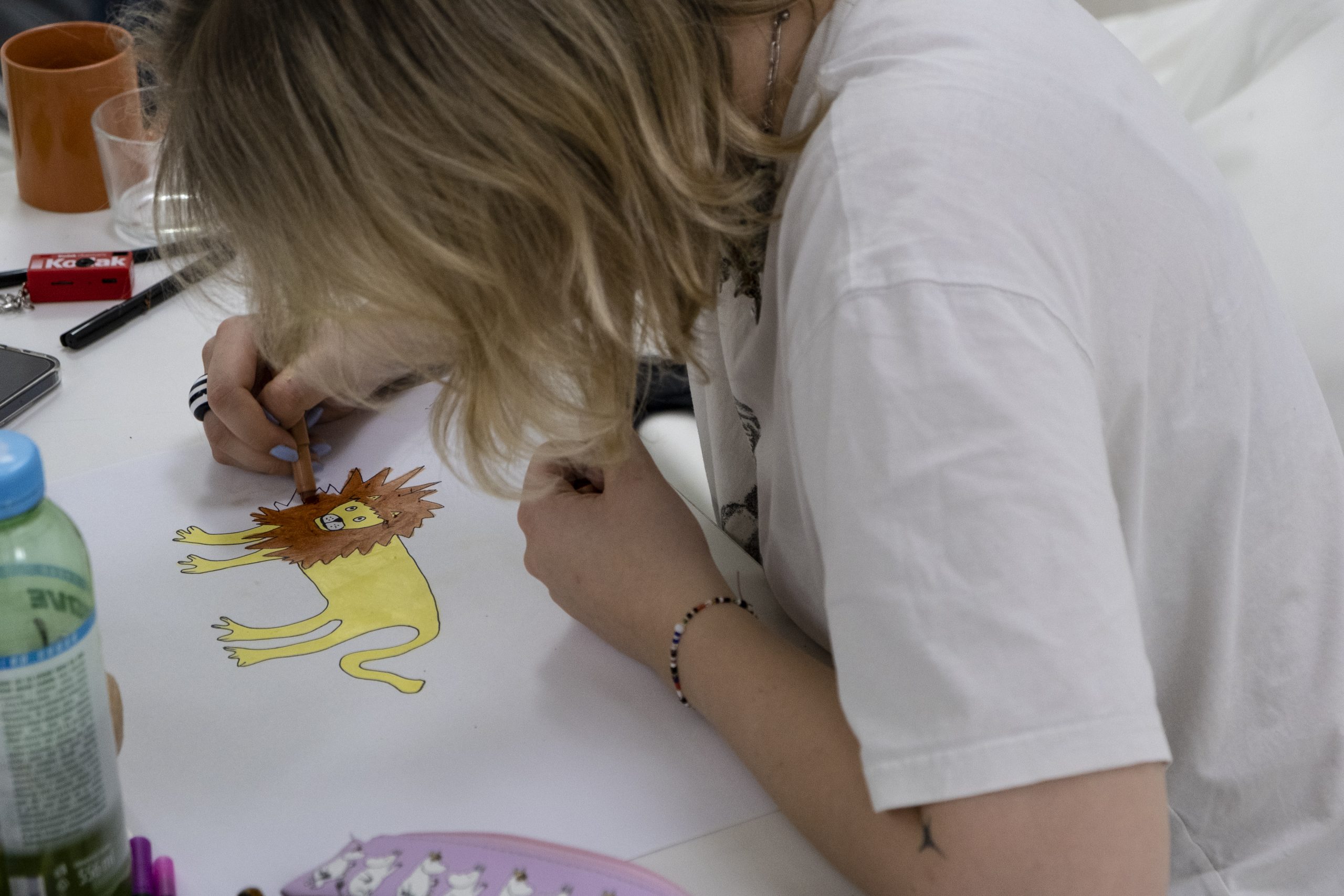
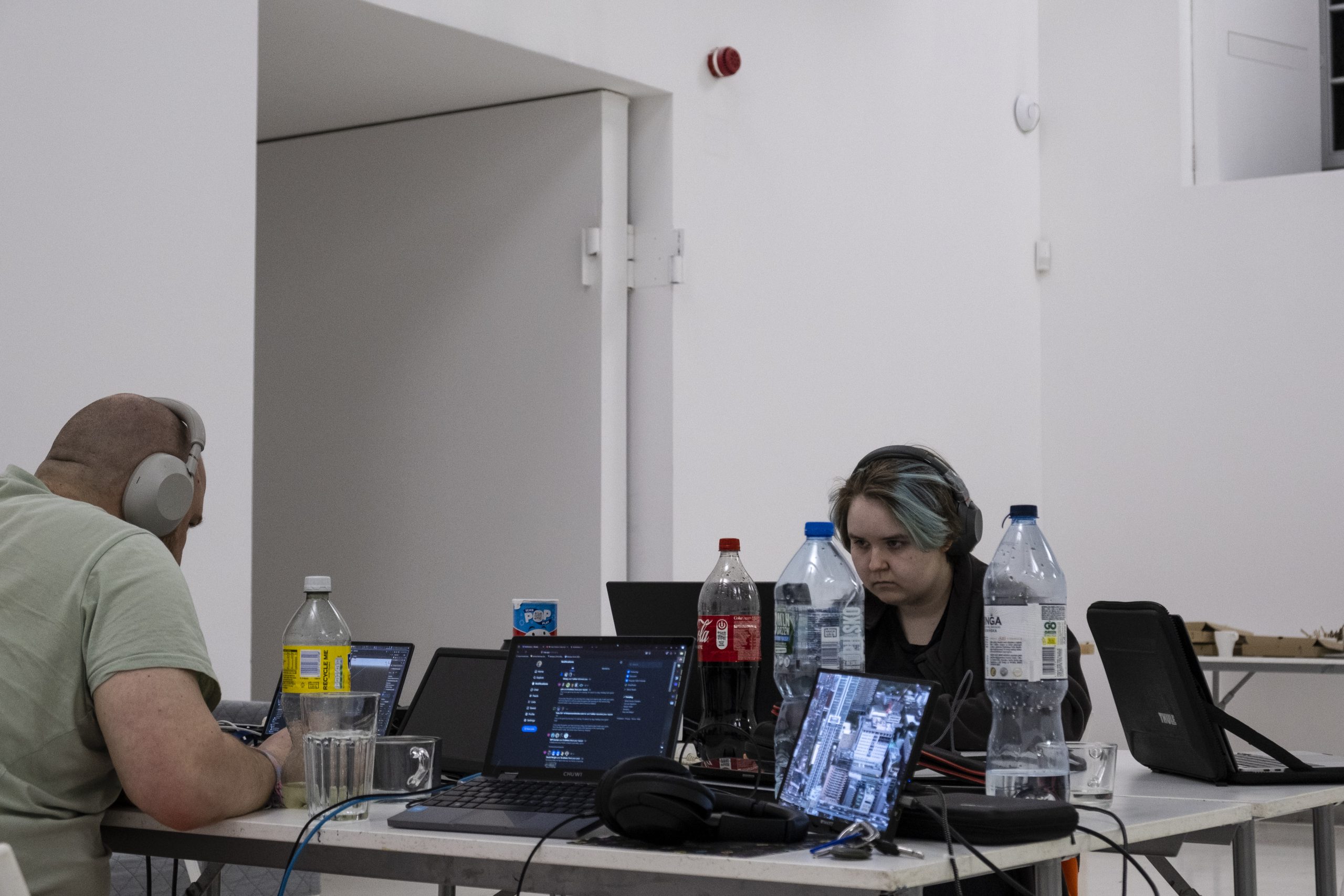
From April 24–26, 2026, the Łaźnia Centre for Contemporary Art (now the Gdańsk Centre for Contemporary Art) hosted an intensive 48-hour game jam organized as part of the international Studiotopia 2 project. The event also featured a lecture by Łukasz Goraczewski – an experienced game designer specializing in data-driven design.
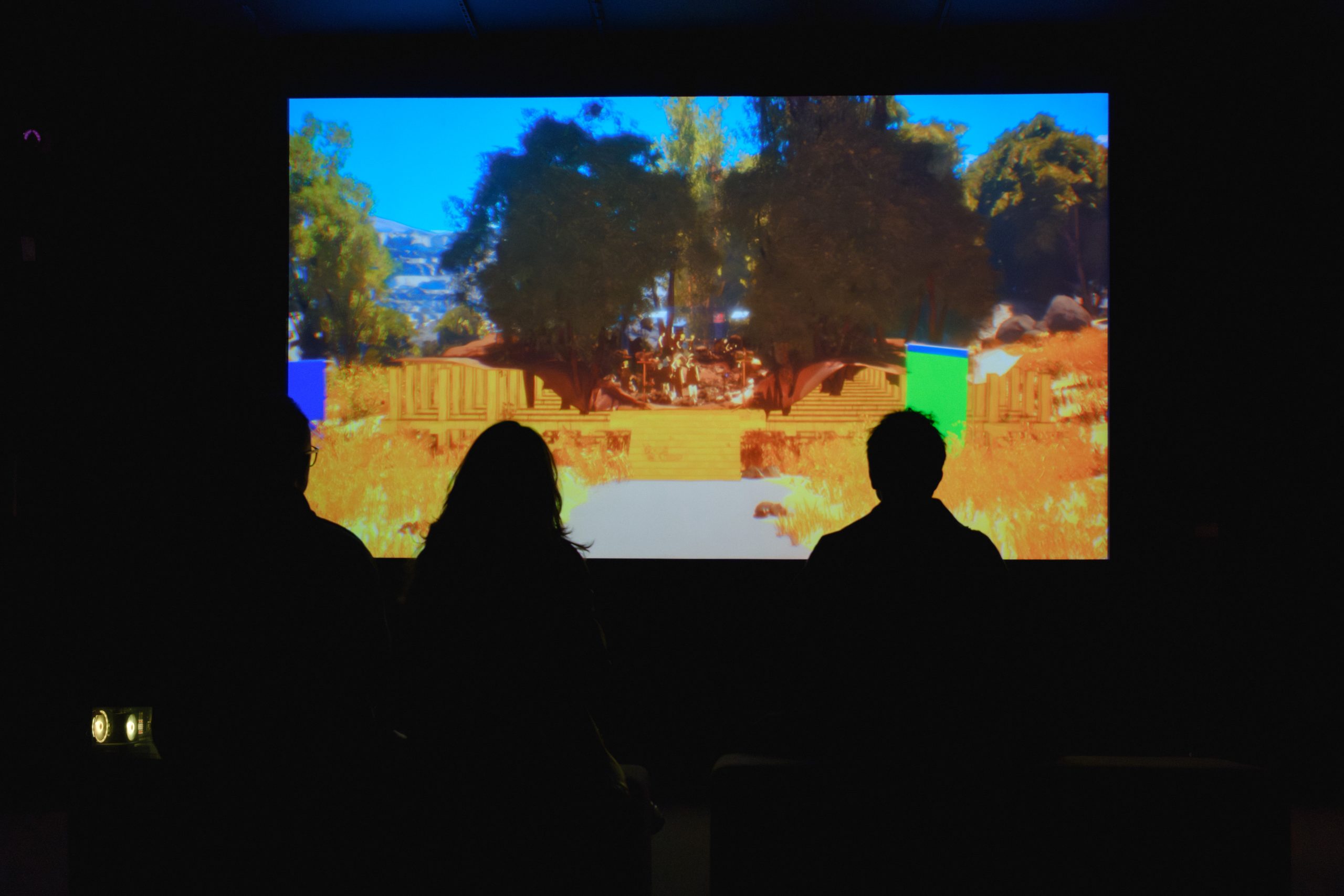
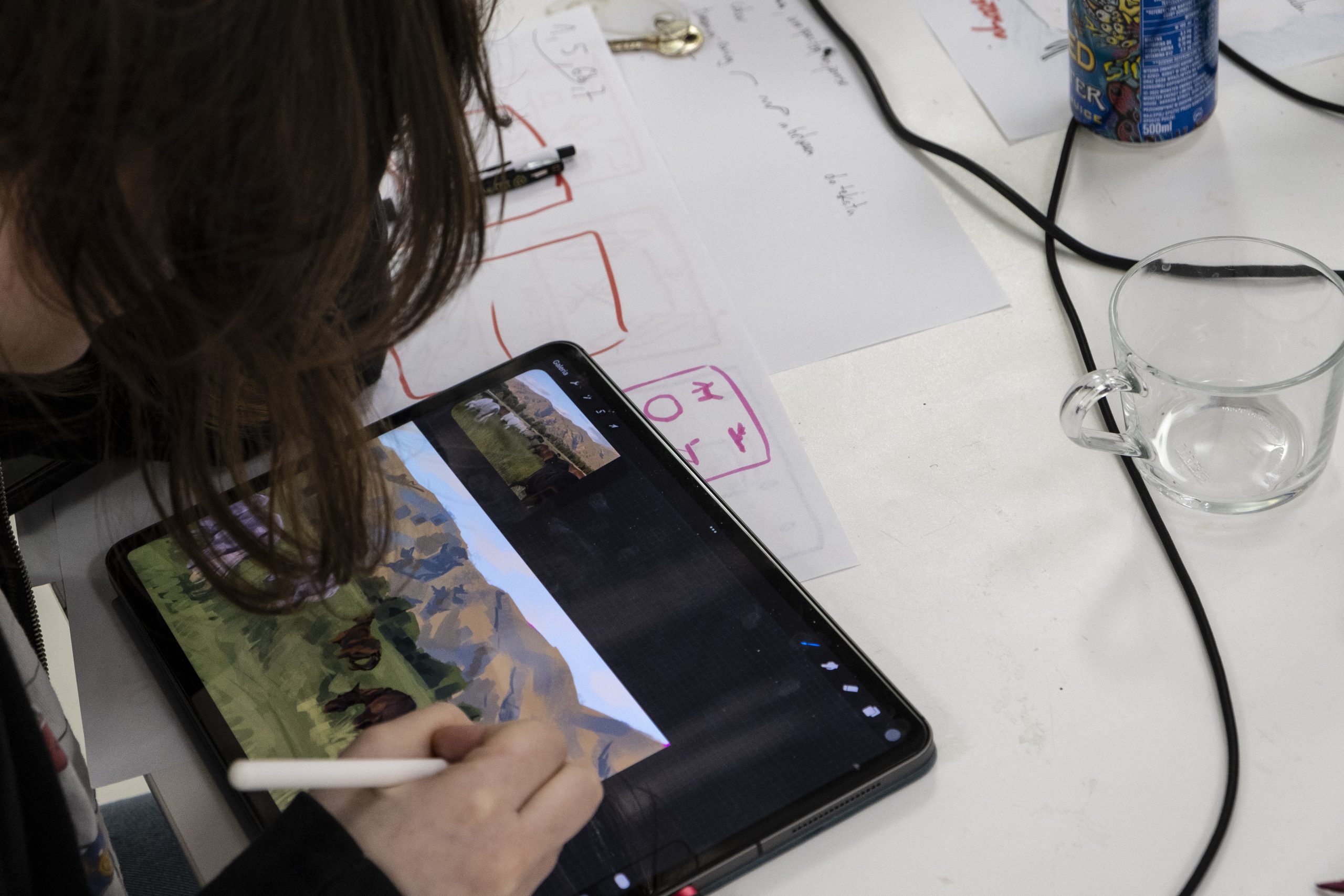
Three teams took part in the game jam. Despite the limited timeframe, all groups successfully developed functional game prototypes exploring the relationship between humans and the natural environment.
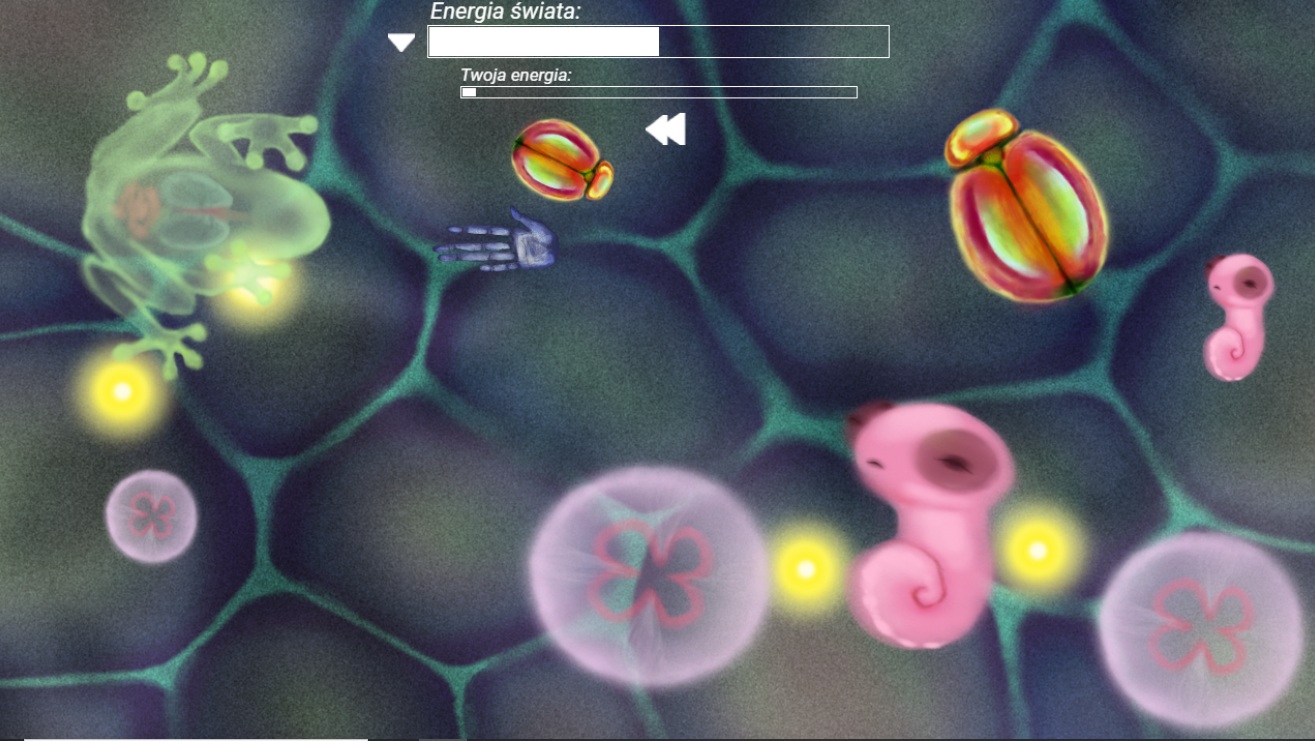
The winning project, “Symbiocen 3” by Andrzej Habas, Oliwia Gapińska, and Pola Sztuk, focuses on developing an ecosystem inhabited by the player. The player discovers and learns the game’s system through interaction, deciding whether to cooperate with other organisms or act independently.
Other projects included:
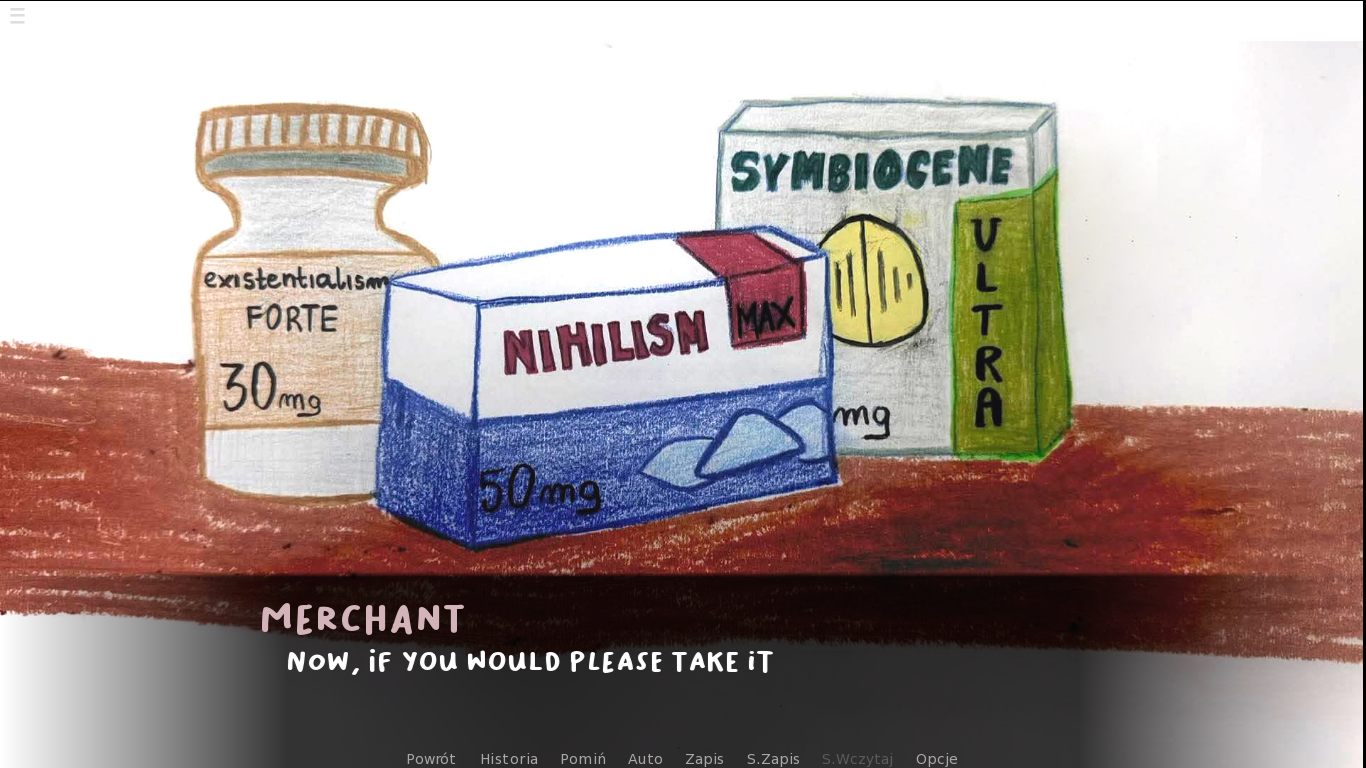
- “Symbiocen Ultra” – an interactive visual novel using the format of a pseudo-psychological test to prompt reflection on the role of humans in the natural world. Authors: Zuzanna Ziarnik, Eliza Pilarska, Nadia Kasprowicz.
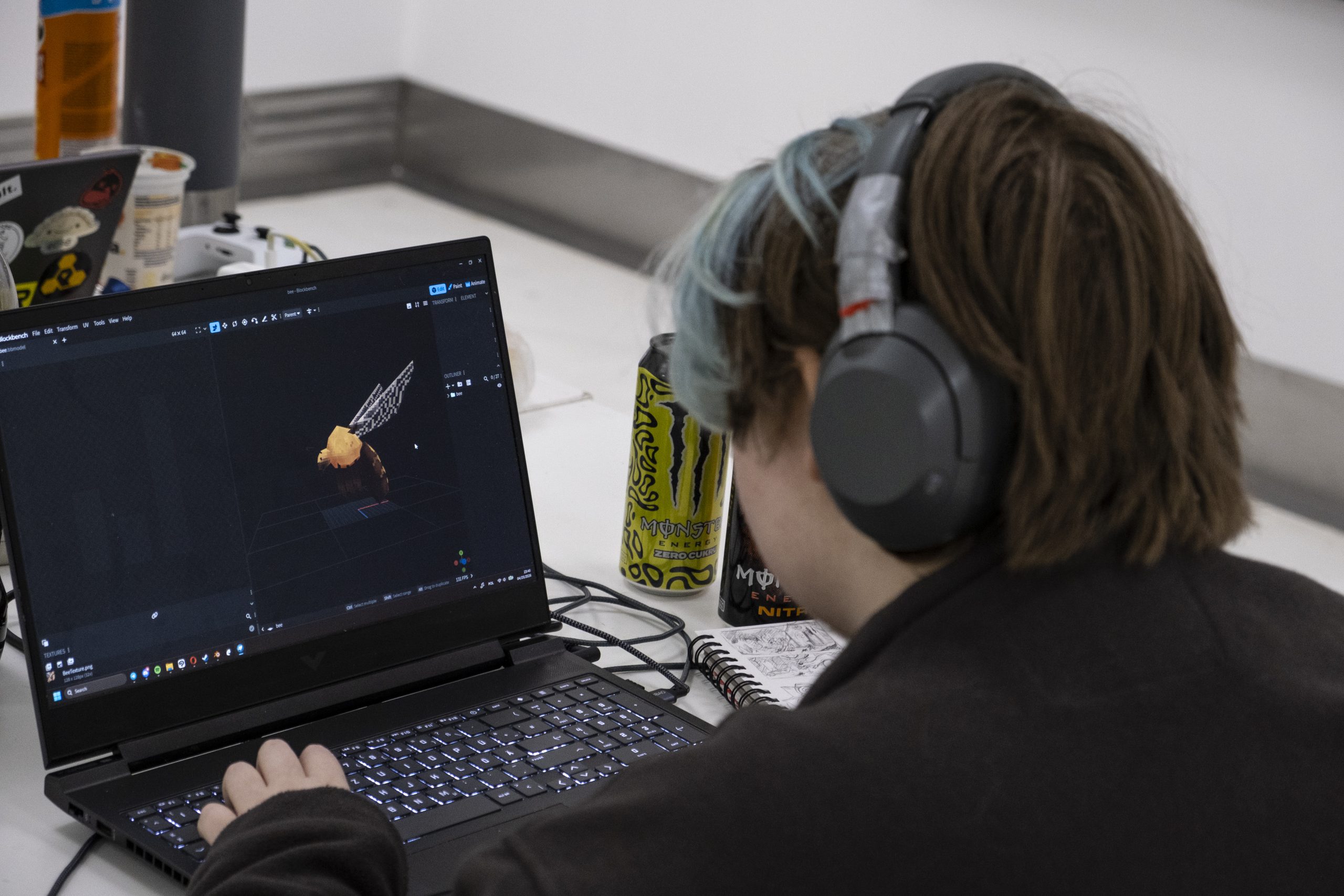
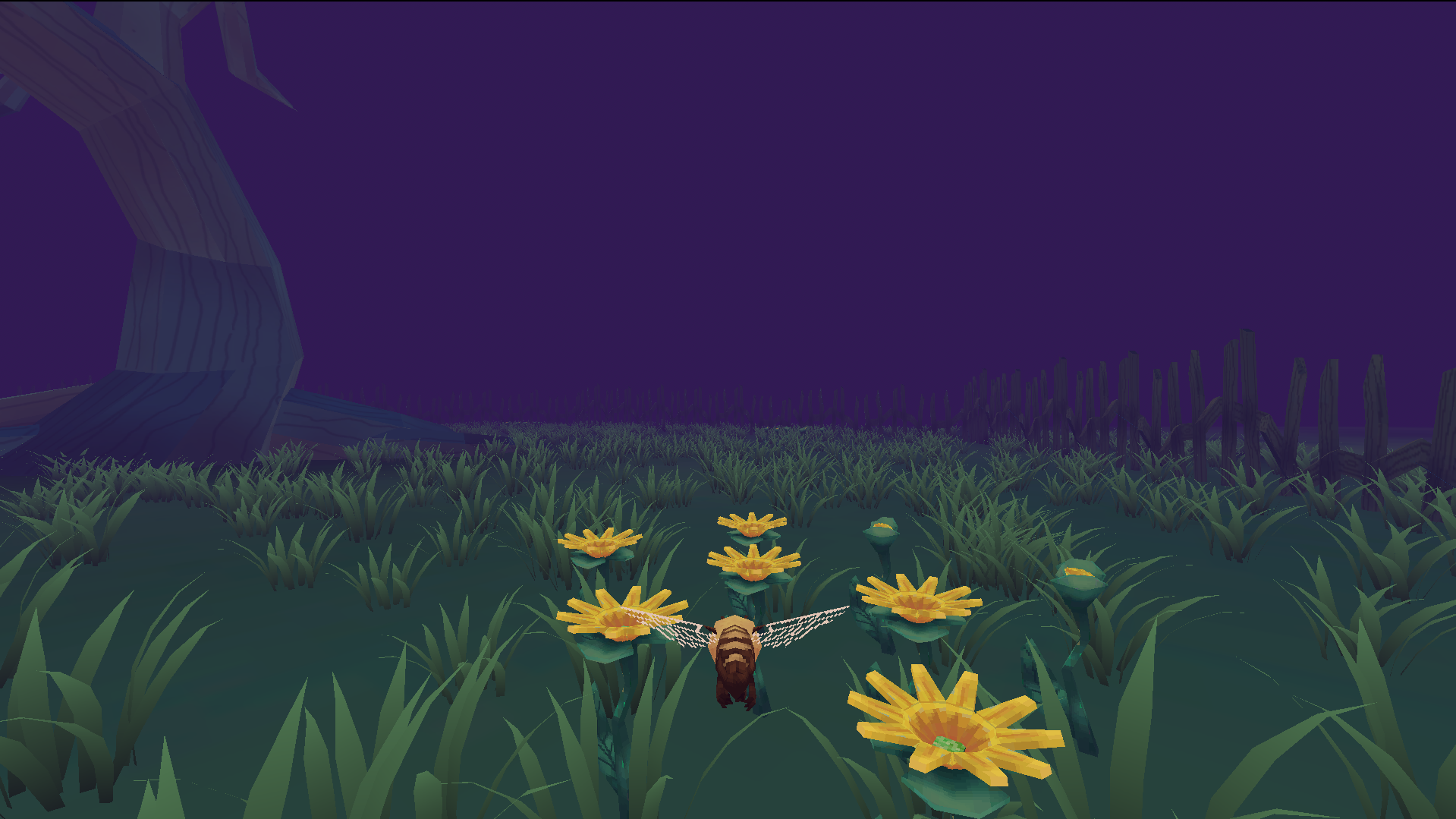
- “Symbeeocne” – a game by Maciej “Sev Mu-9” Dyk and Mantis Kozłowski, in which the player takes on the role of a bee pollinating flowers; progress gradually transforms the visual atmosphere of the game, making it increasingly brighter and more uplifting.
All developed games will be presented at the Gdansk Centre for Contemporary Art, Jaskółcza 1, until the end of the exhibition “Studiotopia 2.0 | Sensitive Data of the Anthropocene.”

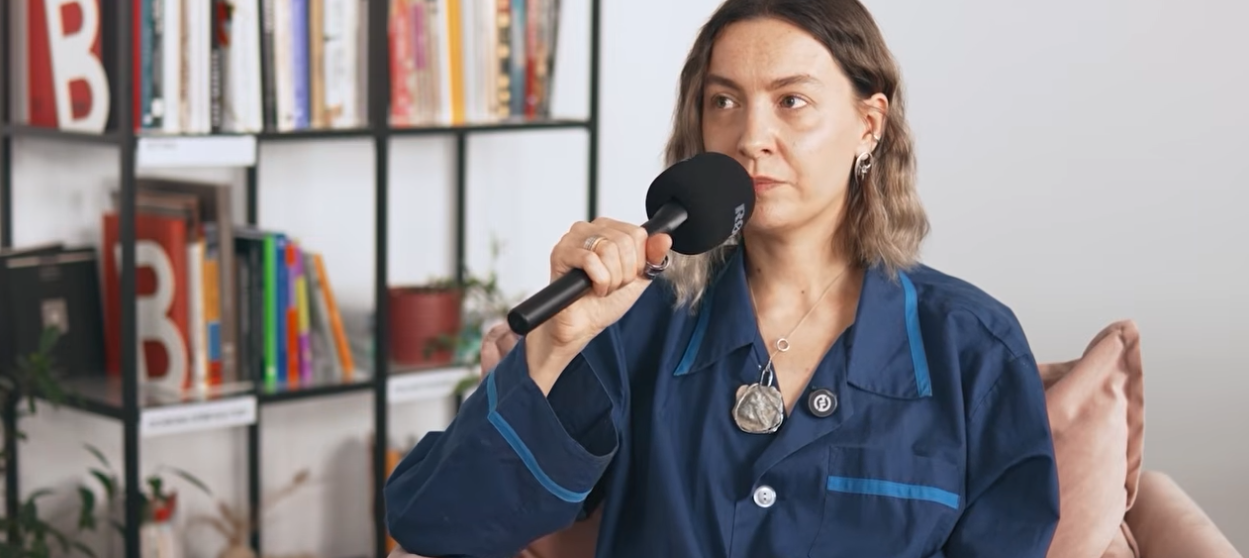
Video Interview: Dr. Justyna Górowska on Art, Water Ecologies, and the Symbiocene
Video Interview: Dr. Justyna Górowska on Art, Water Ecologies, and the Symbiocene
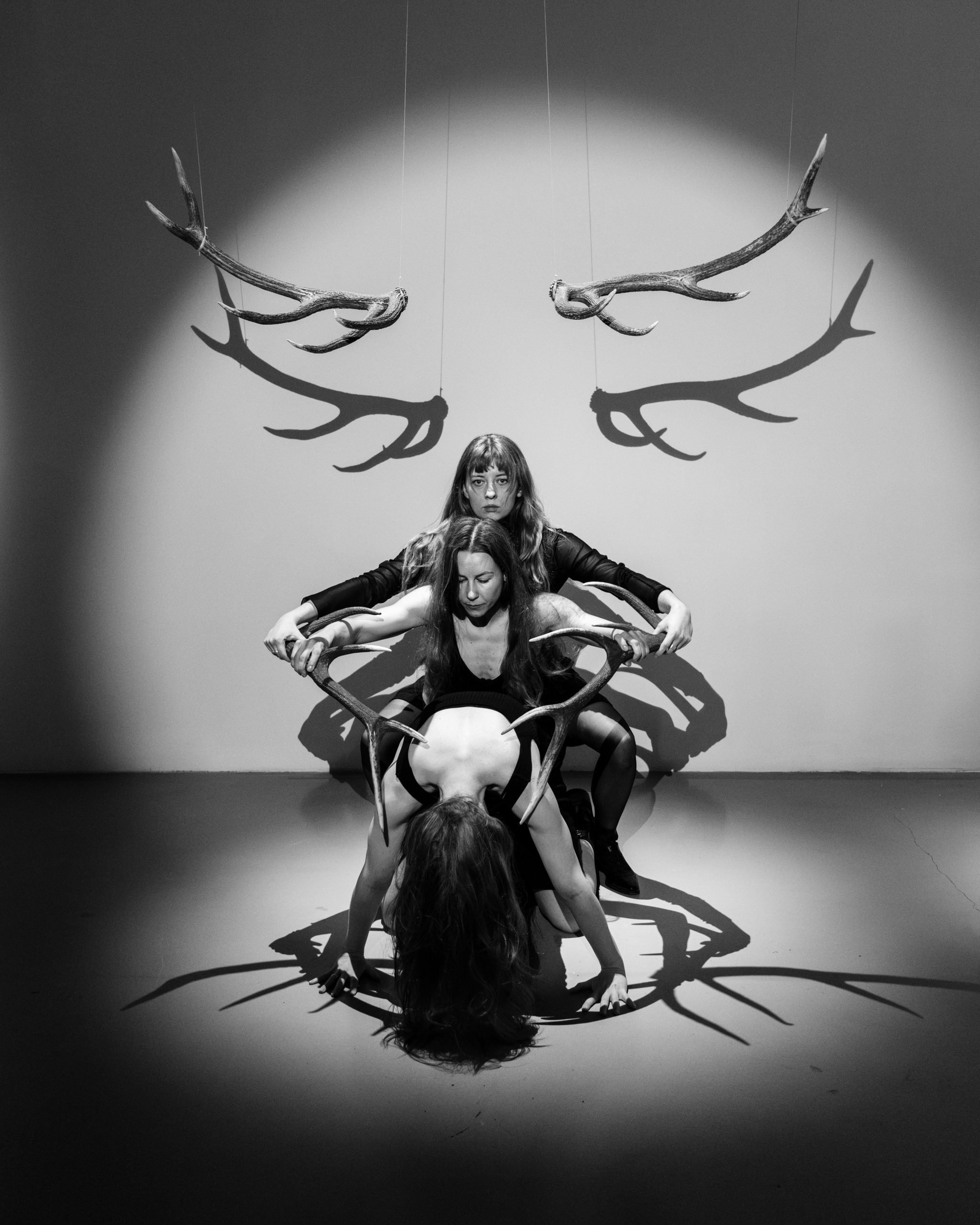
In this video interview, interdisciplinary artist Dr. Justyna Górowska offers an intimate look into her artistic practice developed within the international project Studiotopia 2. Commissioned by CSW ŁAŹNIA, the conversation traces the inspirations, research questions, and artistic strategies that shape her work at the intersection of performance, digital technology, and environmental thought.
Speaking from the experience of her residency, Górowska reflects on how contemporary art can illuminate the entanglements between human and non‑human bodies, particularly through the planetary water cycle.
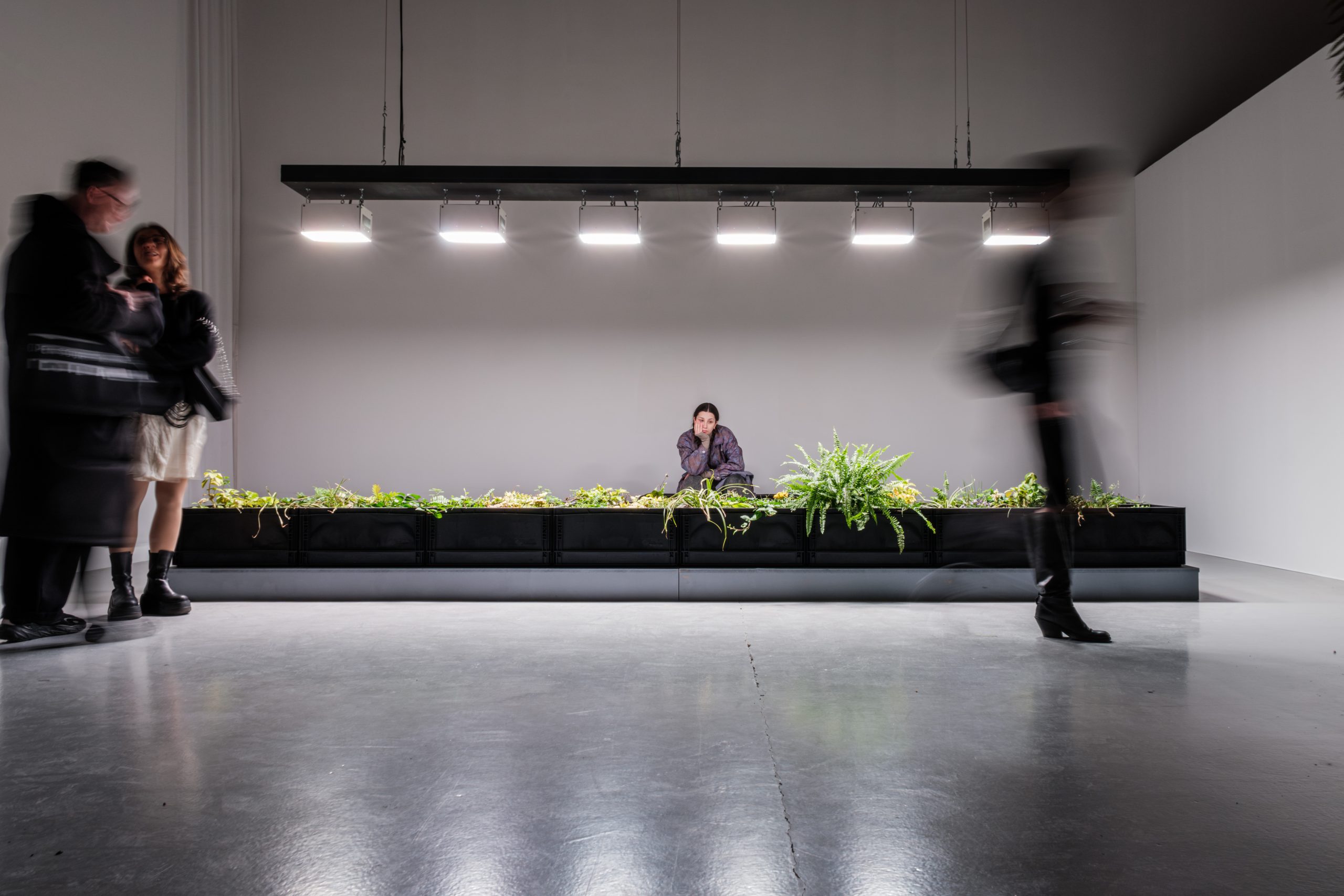
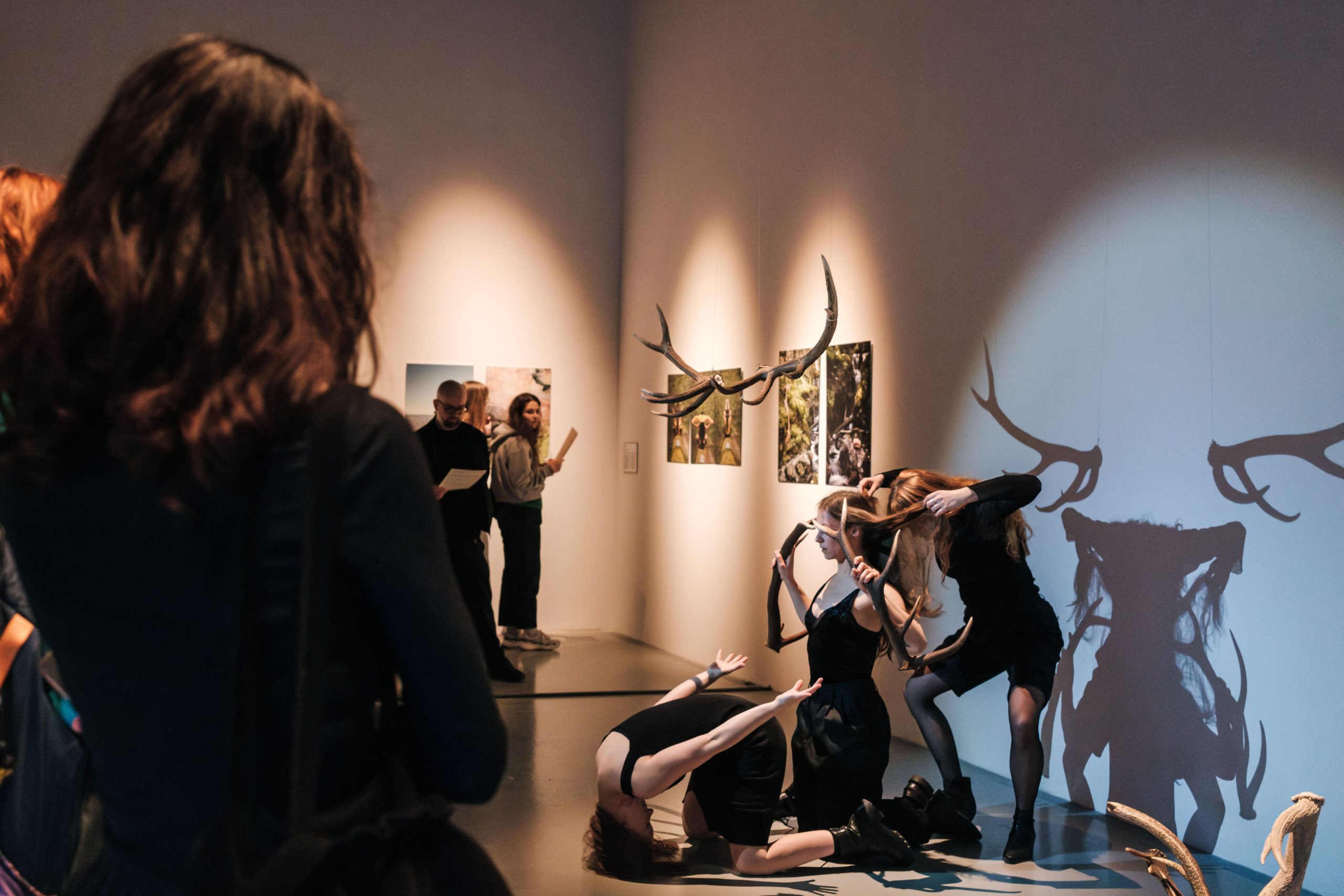
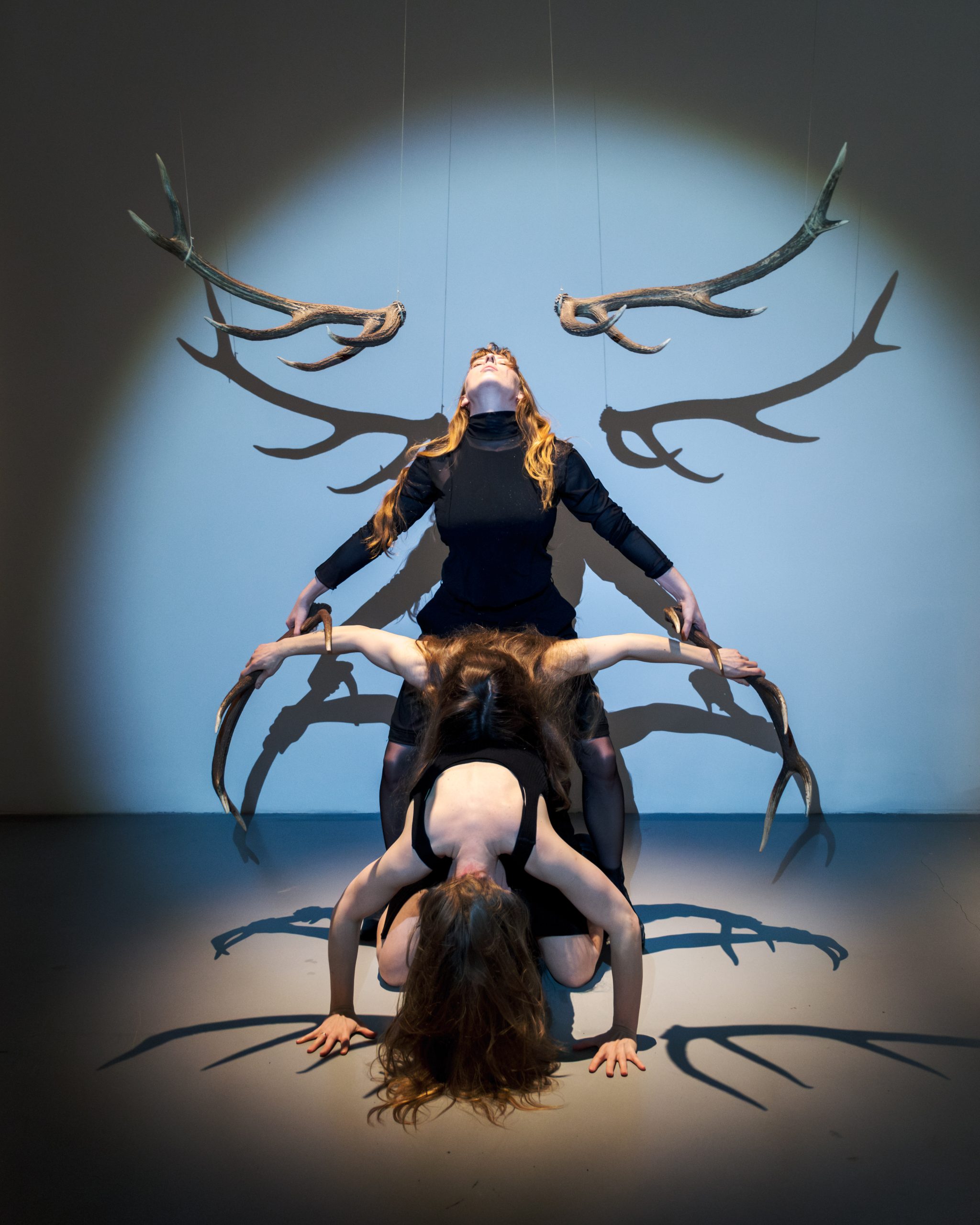
Studiotopia 2.0 Sensitive Data of the Anthropocene @Centre for Contemporary Art Łaźnia
Studiotopia 2.0 Sensitive Data of the Anthropocene @Centre for Contemporary Art Łaźnia
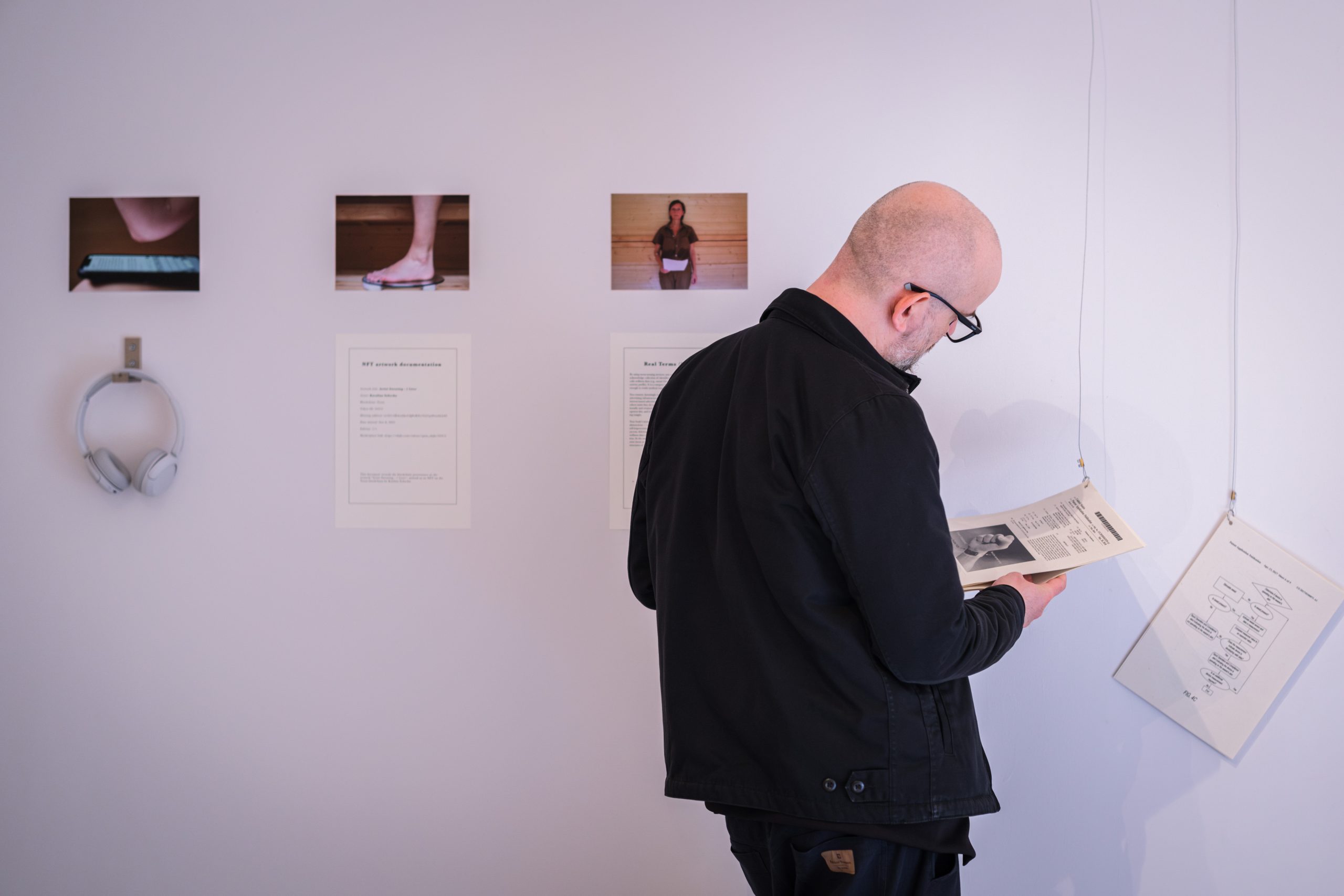
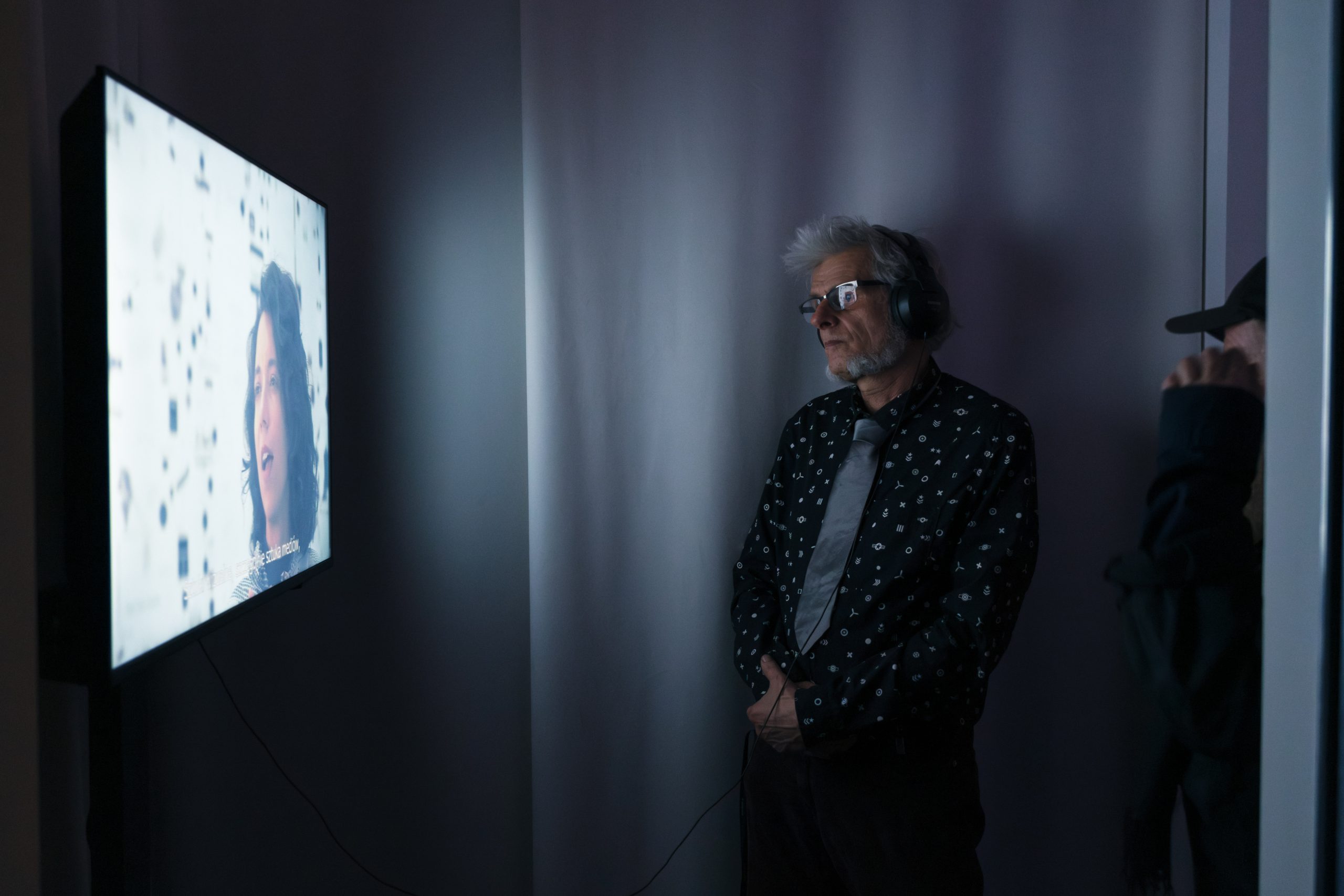
What happens when we gaze into the sun? How do we perceive this gesture? The phenomenon of heat intrigues us, we study it, sense it, experience it. At the same time, global warming may evoke anxiety or a sense of resistance toward scientific research. What would happen when we try to combine both approaches and perspectives? Will new ways of understanding the data that surrounds us emerge from this cognitive chaos? The term ‘data’ is usually associated with numbers, graphs and descriptions. Is the adjective ‘sensitive’ adequate to use with those features? Can we truly experience data? Can we live through it to look anew at the relationships binding our planet together, or to identify with the experience of another species?
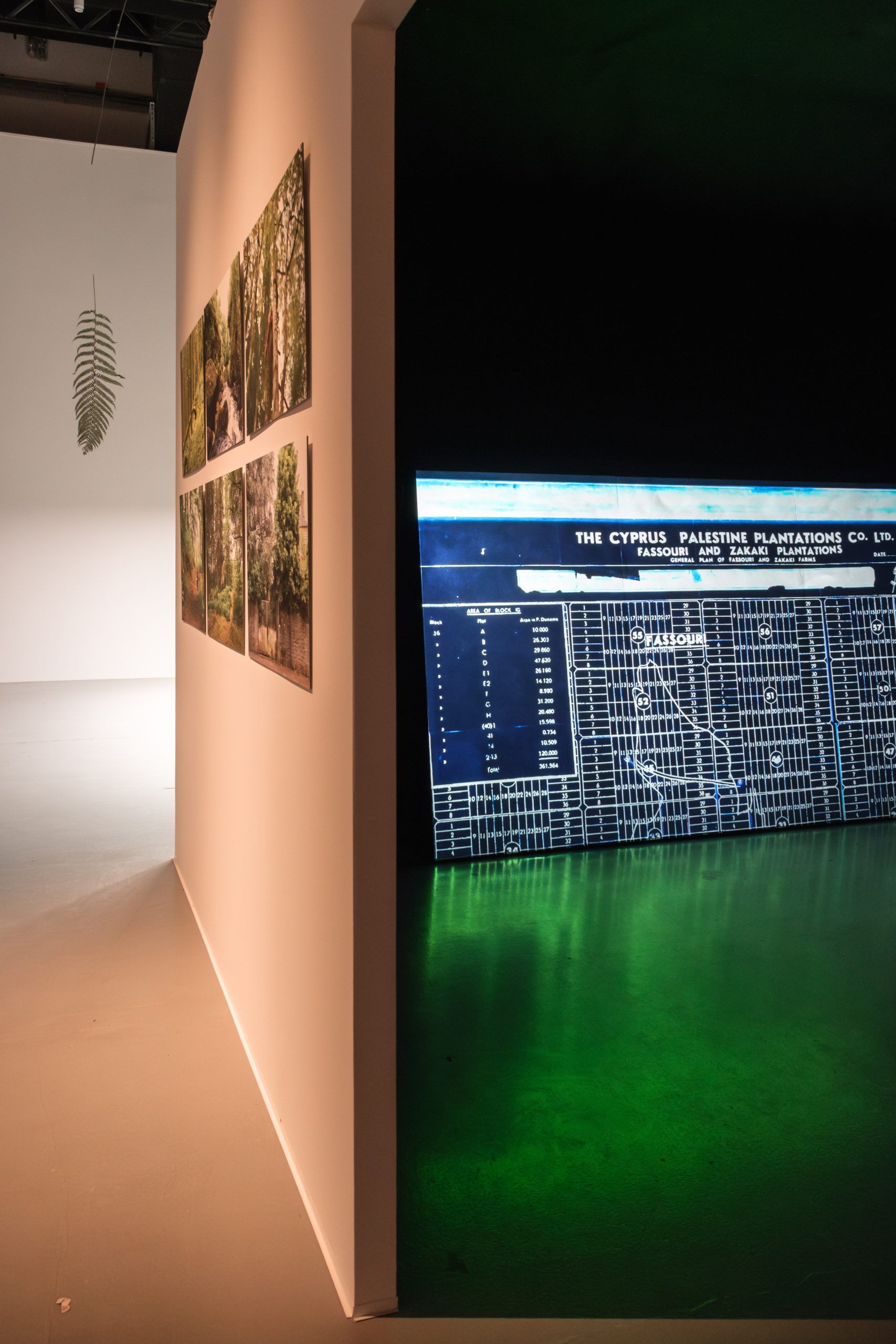
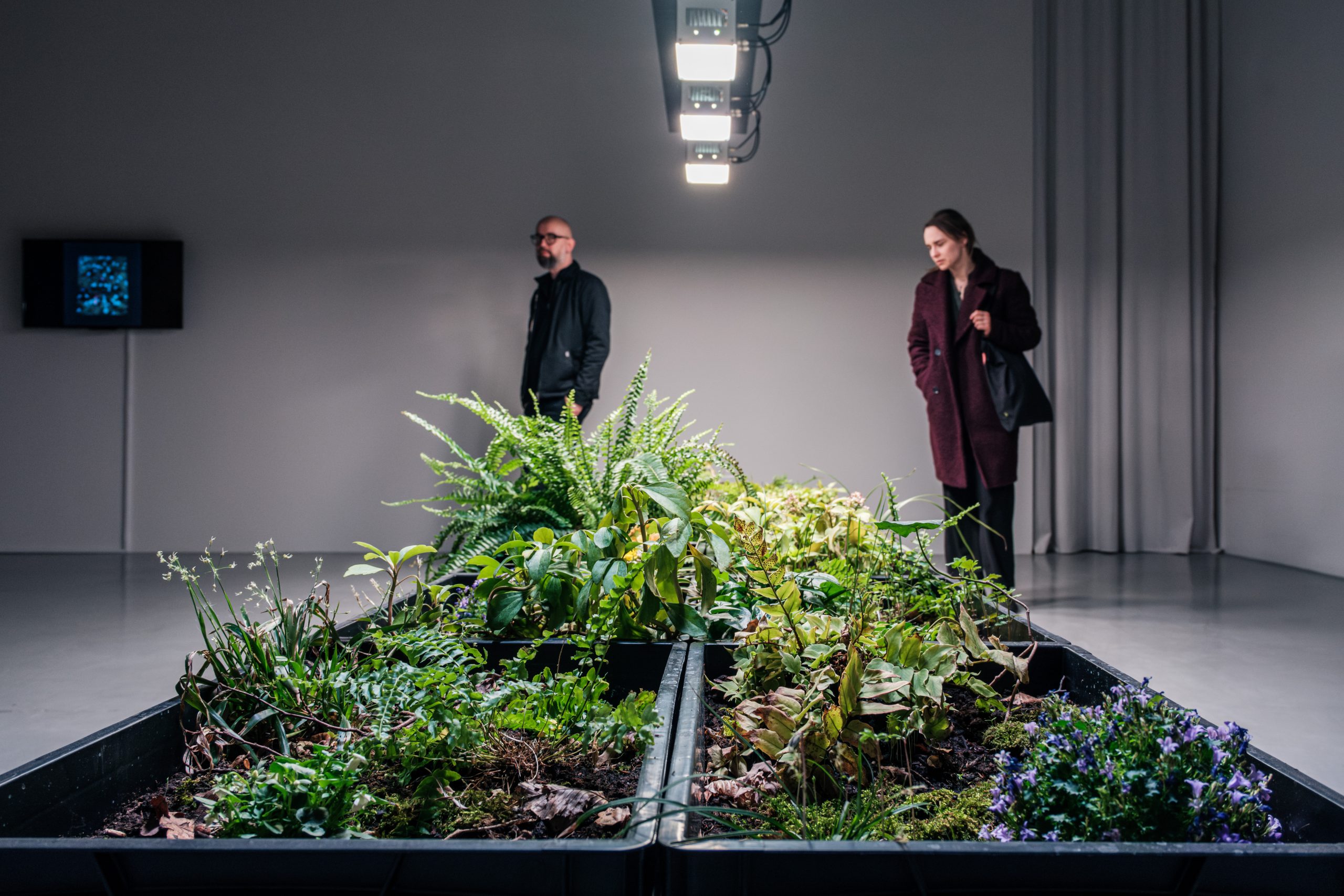
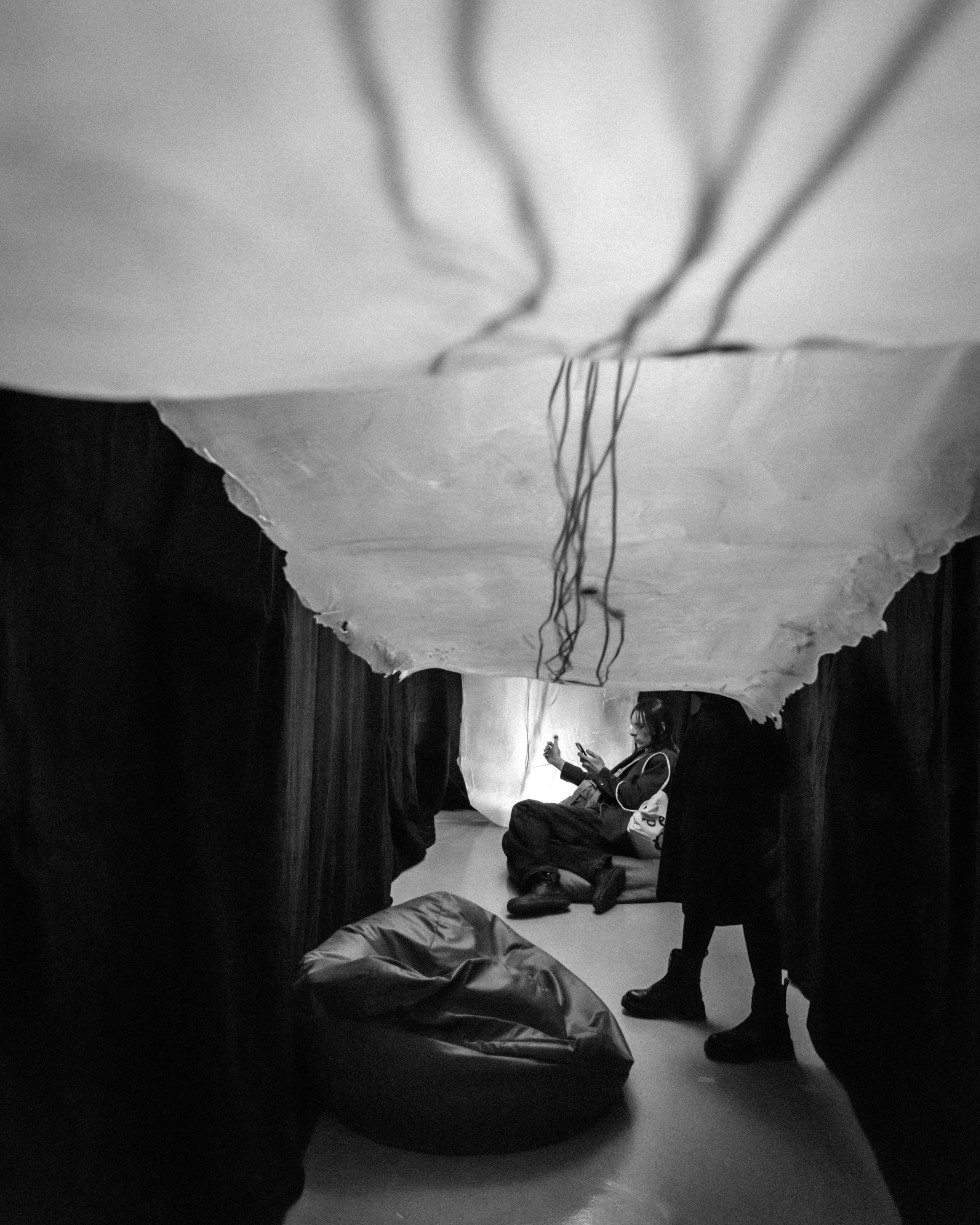
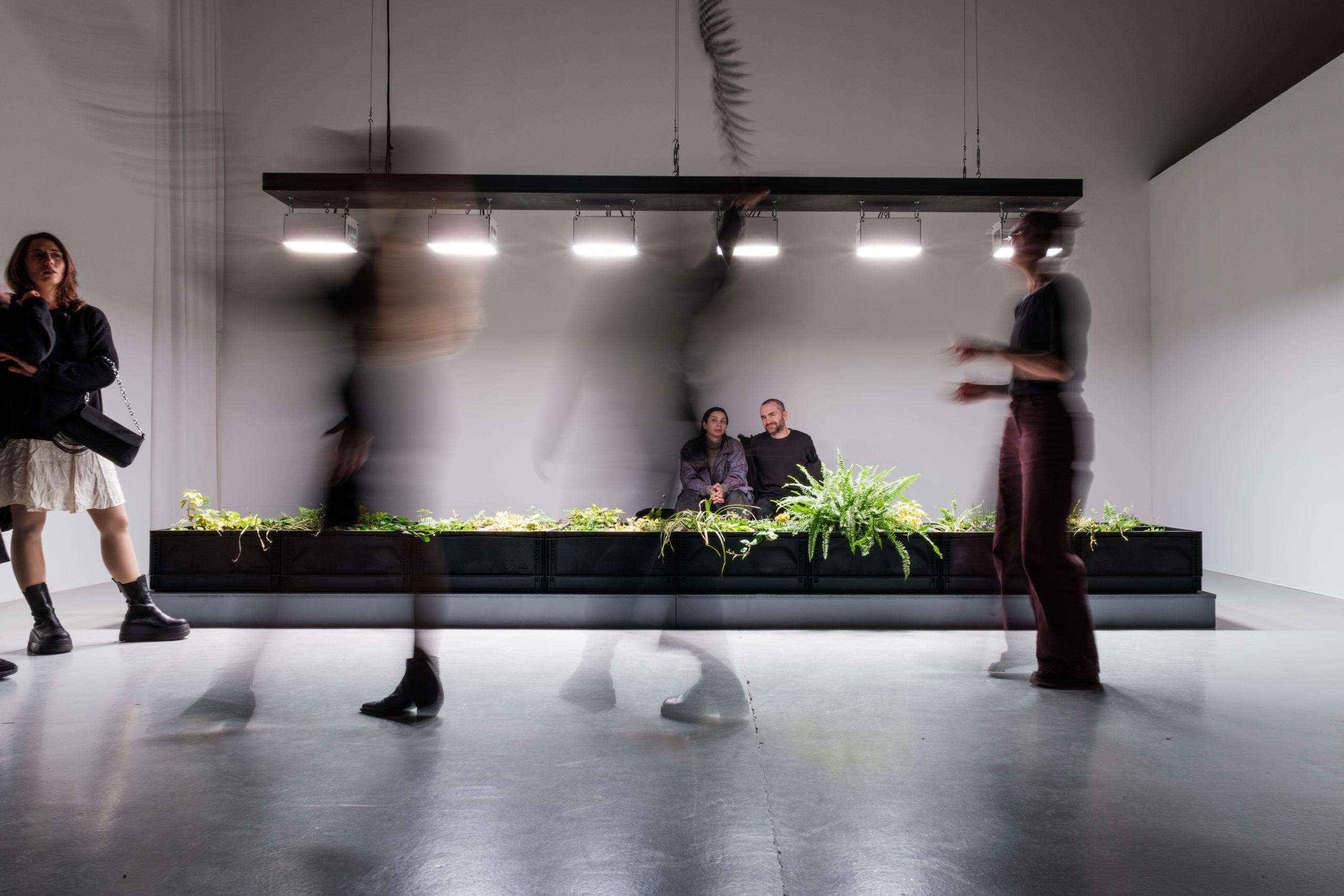
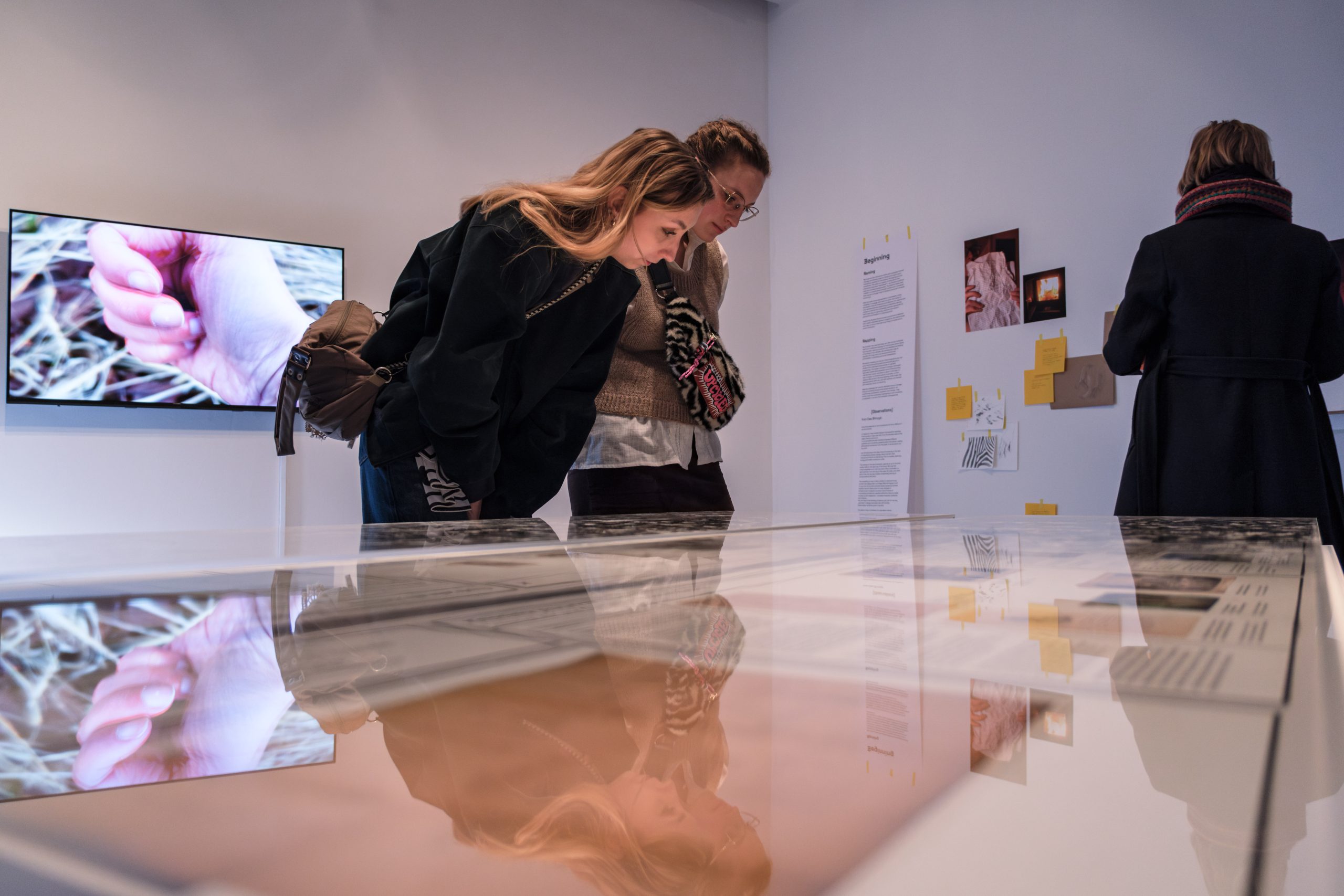
The works presented in the exhibition “Studiotopia 2.0: Sensitive Data of the Anthropocene” are the result of residencies within the international project “Studiotopia 2: Art and Science into the Symbiocene,” which bridges art and science to confront the complex challenges of our time. These artistic projects offer a fresh lens through which to view data concerning various aspects of the Anthropocene.
The starting point of the opening installation by Territorial Agency is the alarmist term “The Great Acceleration” and the charts that illustrate it. This term synthesizes objective data from various scientific fields collected since 1950. The visuals reveal the interconnectedness of indicators such as population growth, energy consumption, industrial production, and pollution levels. The accompanying charts depict the rapid escalation of human impact on the environment.
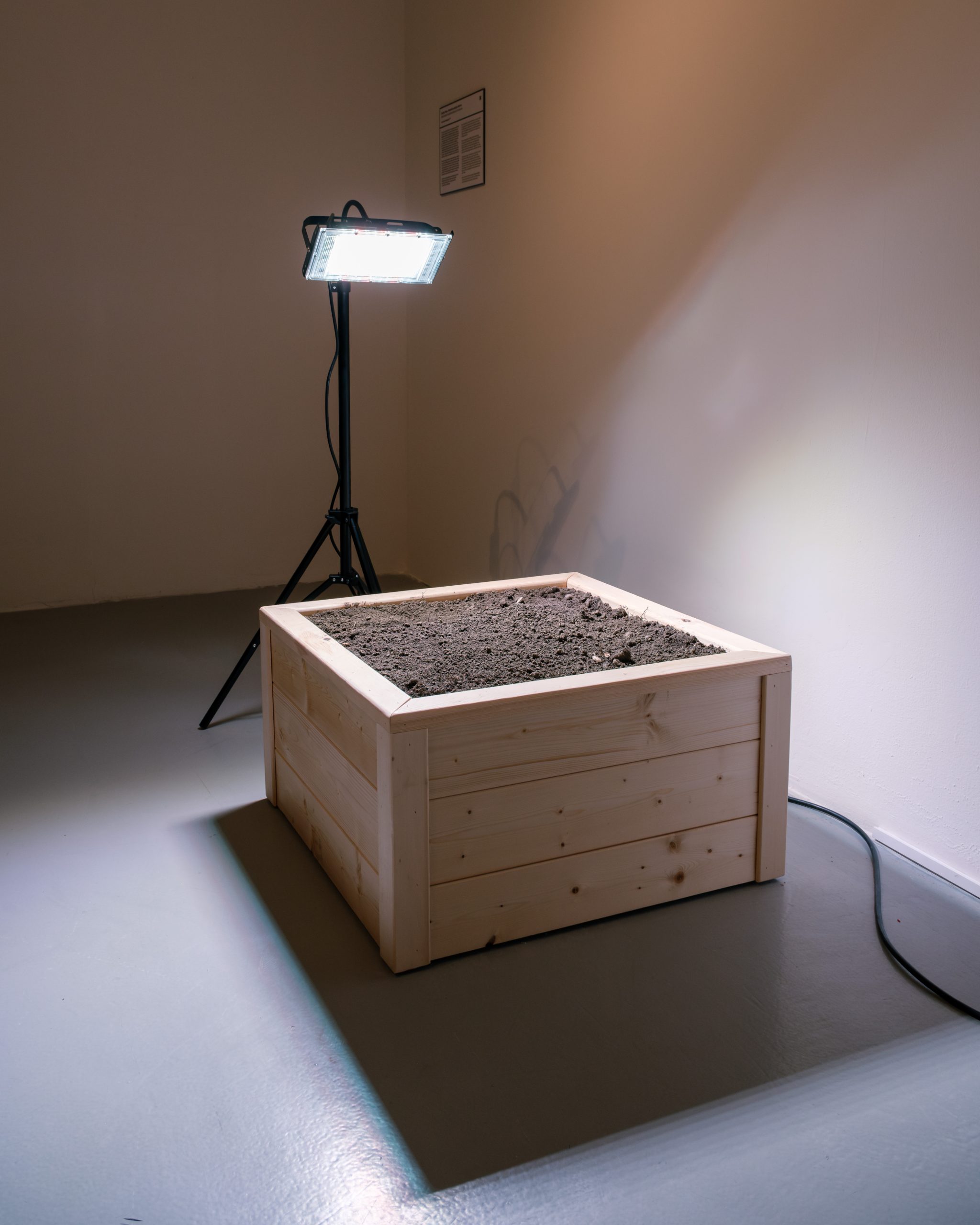
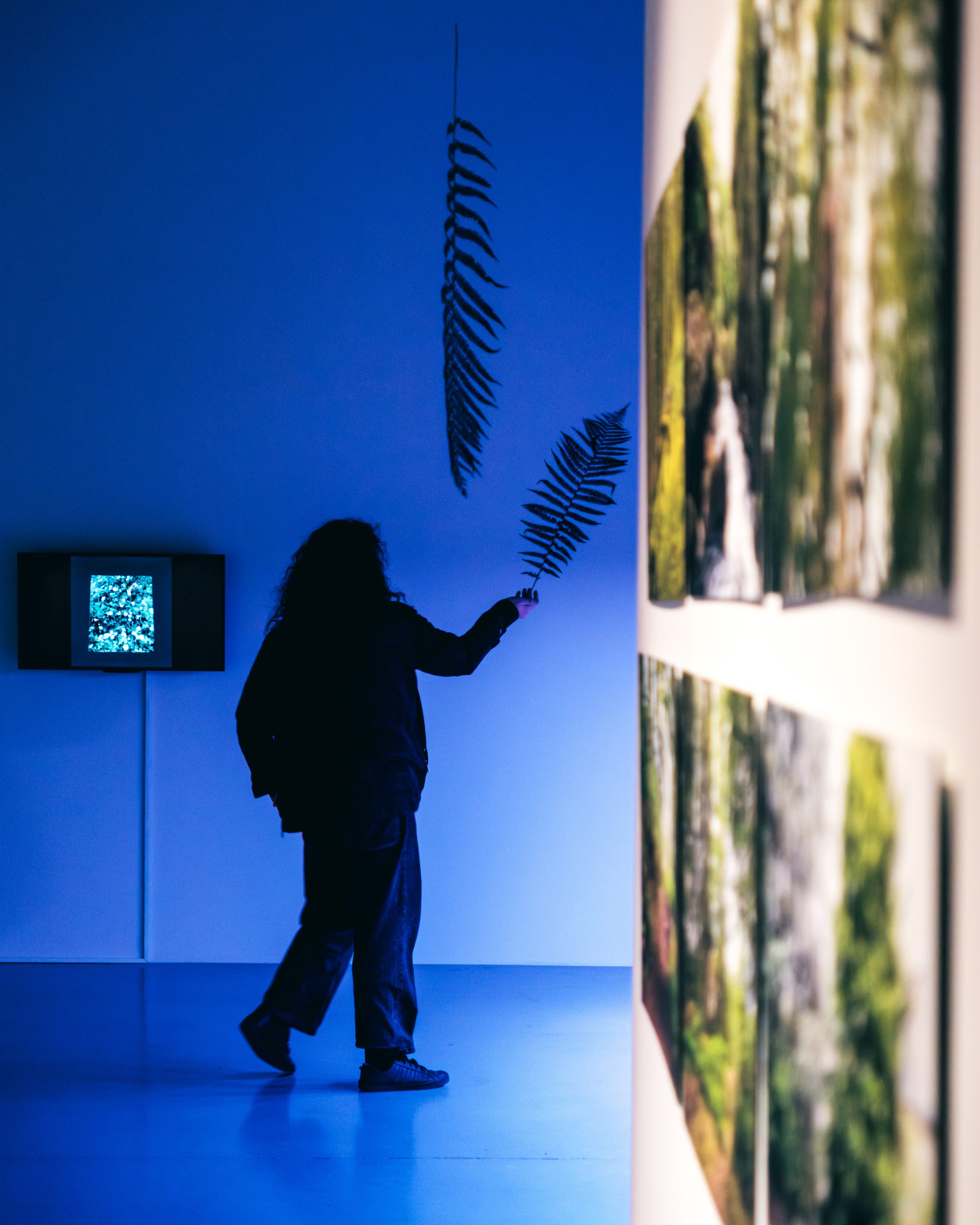
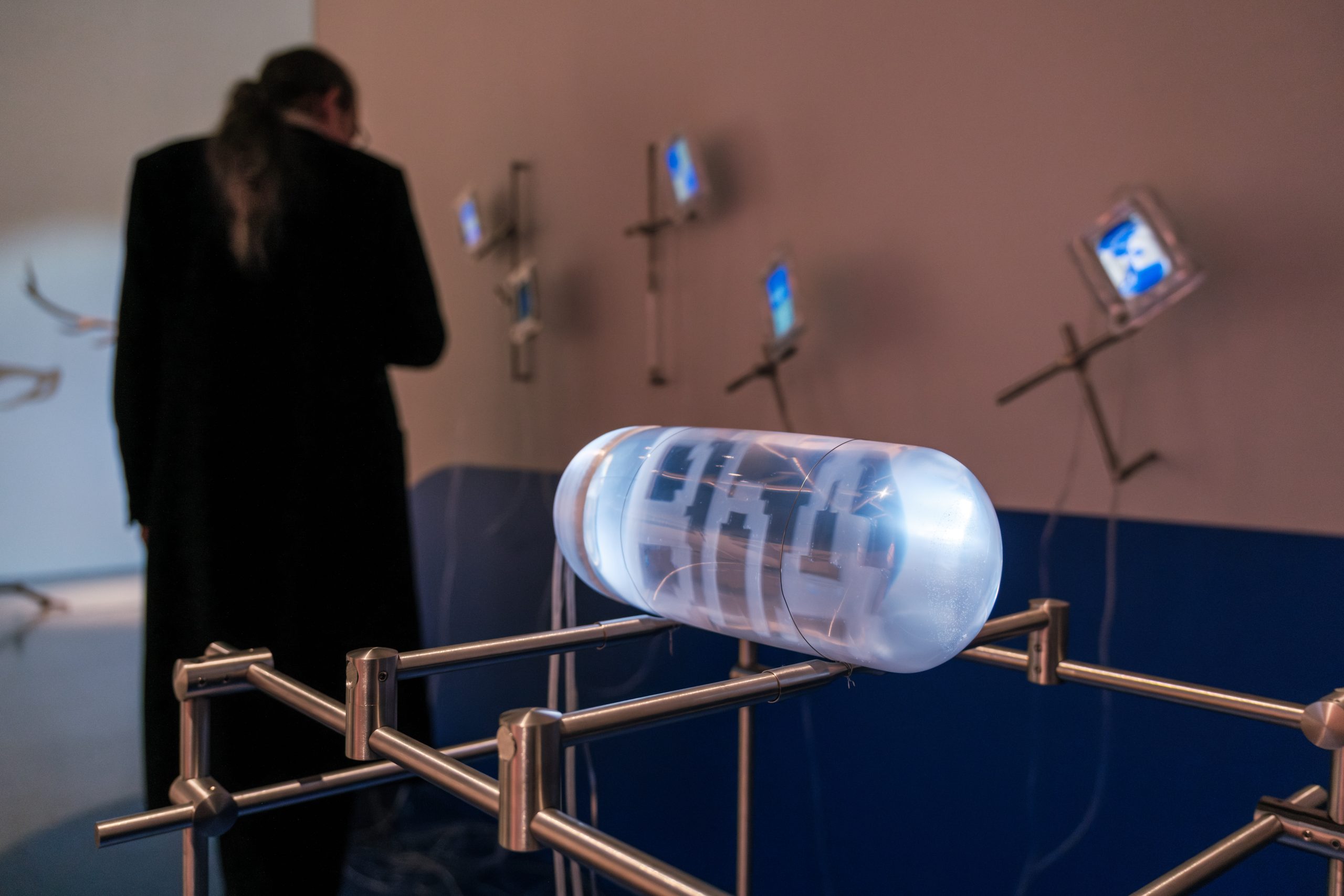
The works in the exhibition oscillate between the interpretation of data and an attempt to re-read it through emotion, empathy, and lived experience. Adrien Lucca’s installation deceives the eye to analyse light pollution and its impact on nocturnal pollinators. Justyna Górowska questions the ecological cost of the digital cloud and explores alternative databases. Miguel Teodoro’s installation analyses plant adaptation strategies, treating them as biological indicators of climate change. These artistic interventions propose a shift in perspective—moving beyond a logic where two plus two always equals four, and where the world is reduced to strings of digits and graphs.
As part of the Studiotopia 2 project, artists and scientists from diverse backgrounds collaborated to sketch possible scenarios for the Symbiocene, while questioning how we think and speak about the world. Is it possible to see the night through the eyes of a moth? Or to experience a mysterious process of fermentation to understand who makes our food? The exhibition at ŁAŹNIA Centre for Contemporary Art presents the outcome of this artistic-scientific synergy. From exploring biodiversity hotspots to analysing sustainable technologies, each project offers a unique perspective on our relationship with the digital world of data and the organic world of nature. The exhibition is an invitation to interpret available indicators in a different way, to understand them beyond logic, and to redefine our ways of being in the world—to feel how the Earth lives and “breathes.”
Curator: Agnieszka Kulazińska
Artists/Artistic collectives: Justyna Górowska, (ART) Thomas Heinis (SCI) Adrien Lucca (ART) professor Colas Schretter, PhD, dr Marko Ilić, dr Aiman RAZA (SCI), Cezar Mocan (ART), Barry O’Sullivan (SCI), Sikau / Pubalova (Dr. Lea Luka Sikau & Denisa Pubalova), Felipe Lombó (SCI), Karolina Sobecka (ART), Agnieszka Szostok, Michał Piasecki (SCI), Fanny Soriano (ART), Kalliopi Ioumpa (SCI), Miguel Teodoro (ART), George Zittis (SCI), Territorial Agency (John Palmesino and Ann-Sofi Rönnskog) (ART), Dr Alexander Damianos (SCI)
Photos: Robert Wolak